Most people think of wasps as annoying summer insects that ruin picnics or hover around sweet drinks. But in reality, wasps are some of the most diverse, ruthless, and evolutionarily advanced predators in the insect world.
With more than 100,000 known species, they range from simple nectar feeders to highly specialized killers with some of the most extreme survival strategies in nature.
And among them, one stands out for a sting so painful it has earned a terrifying nickname: the “cow killer” wasp.
A Sting So Painful It Became Legendary
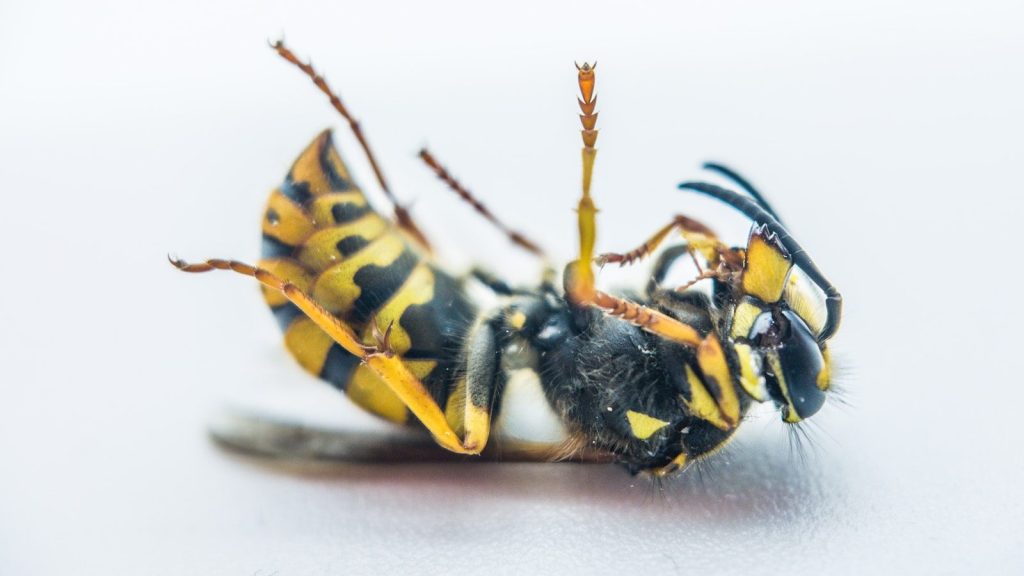
The insect commonly called the “cow killer” is actually a type of wingless wasp known as a velvet ant.
Despite its fuzzy, harmless appearance, its sting is considered one of the most painful in the insect world.
It does not kill cows, but the name comes from the intensity of the pain, which has been described as burning, crushing, and long-lasting.
The sting is not dangerous to humans in most cases, but the experience is so severe that people rarely forget it.
Nature did not design it to kill large animals, but to stop predators from ever trying again.
The Hidden World of Parasitoid Wasps
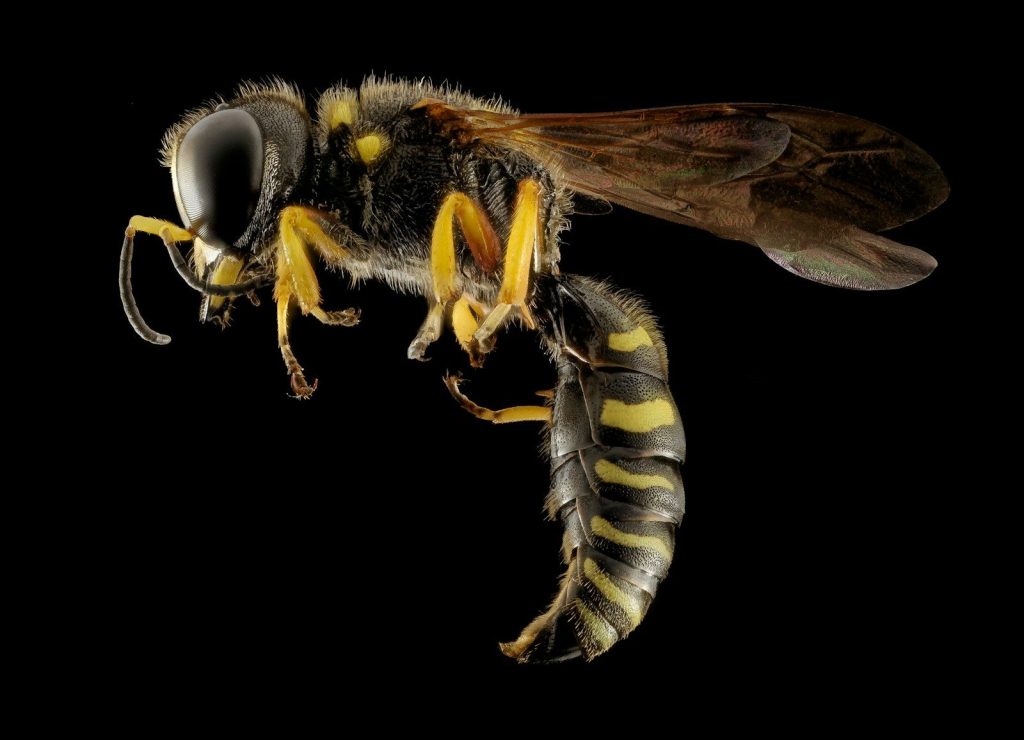
Beyond painful stings, some wasps use survival strategies that sound more like science fiction than biology.
Parasitoid wasps, for example, lay their eggs inside living insects.
Once inside, the larvae slowly consume the host from within, carefully avoiding vital organs at first so the prey stays alive as long as possible.
This method ensures the larvae have a fresh food source until they are fully developed.
It is one of the most extreme reproductive strategies in the animal kingdom.
The Wasp That Turns Cockroaches Into Zombies
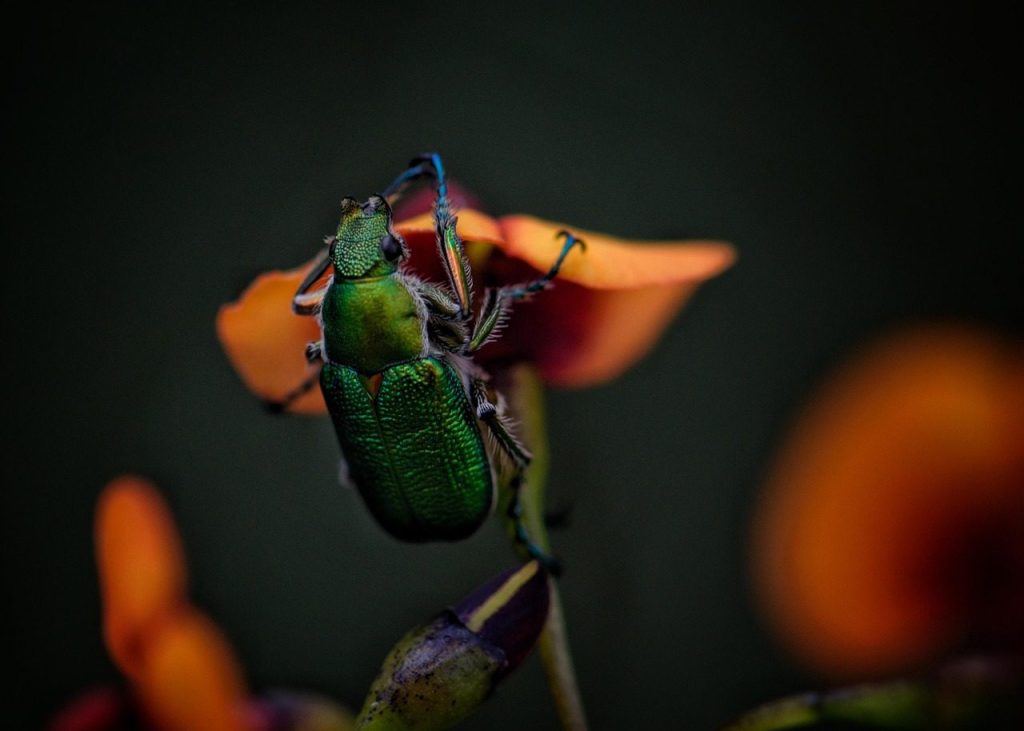
Even more disturbing is the emerald jewel wasp.
This species has evolved the ability to inject venom directly into a cockroach’s nervous system, effectively taking control of its behavior.
After being stung, the cockroach loses its natural escape instincts and can be led like a living host.
The wasp then guides it into a burrow where it becomes food for the wasp’s developing offspring.
It is one of nature’s clearest examples of biological mind control.
Giant Hornets That Destroy Entire Colonies
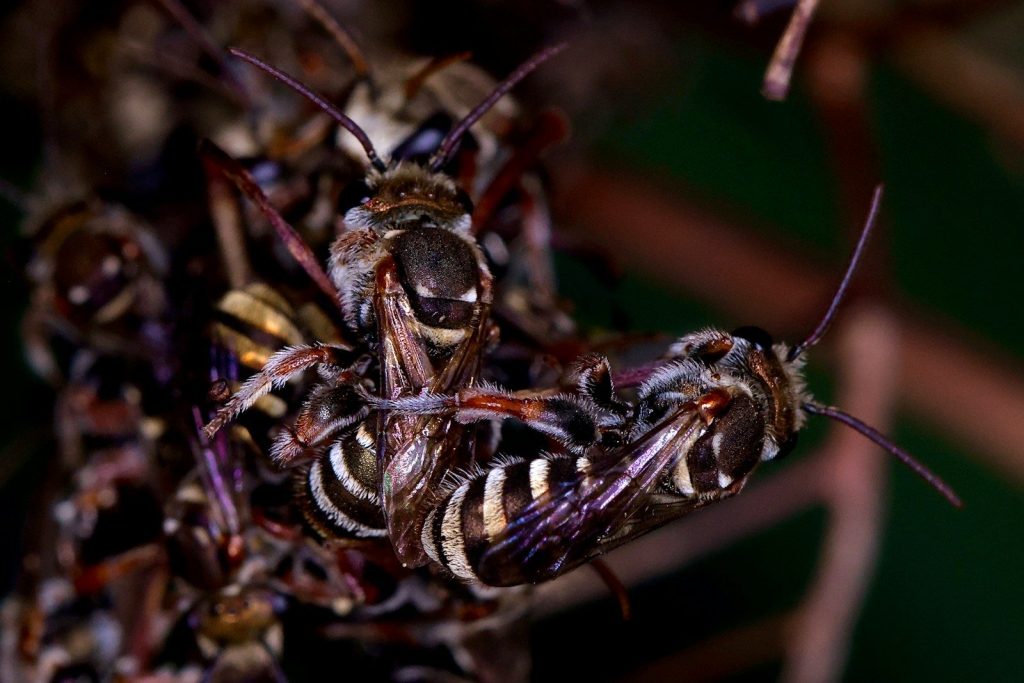
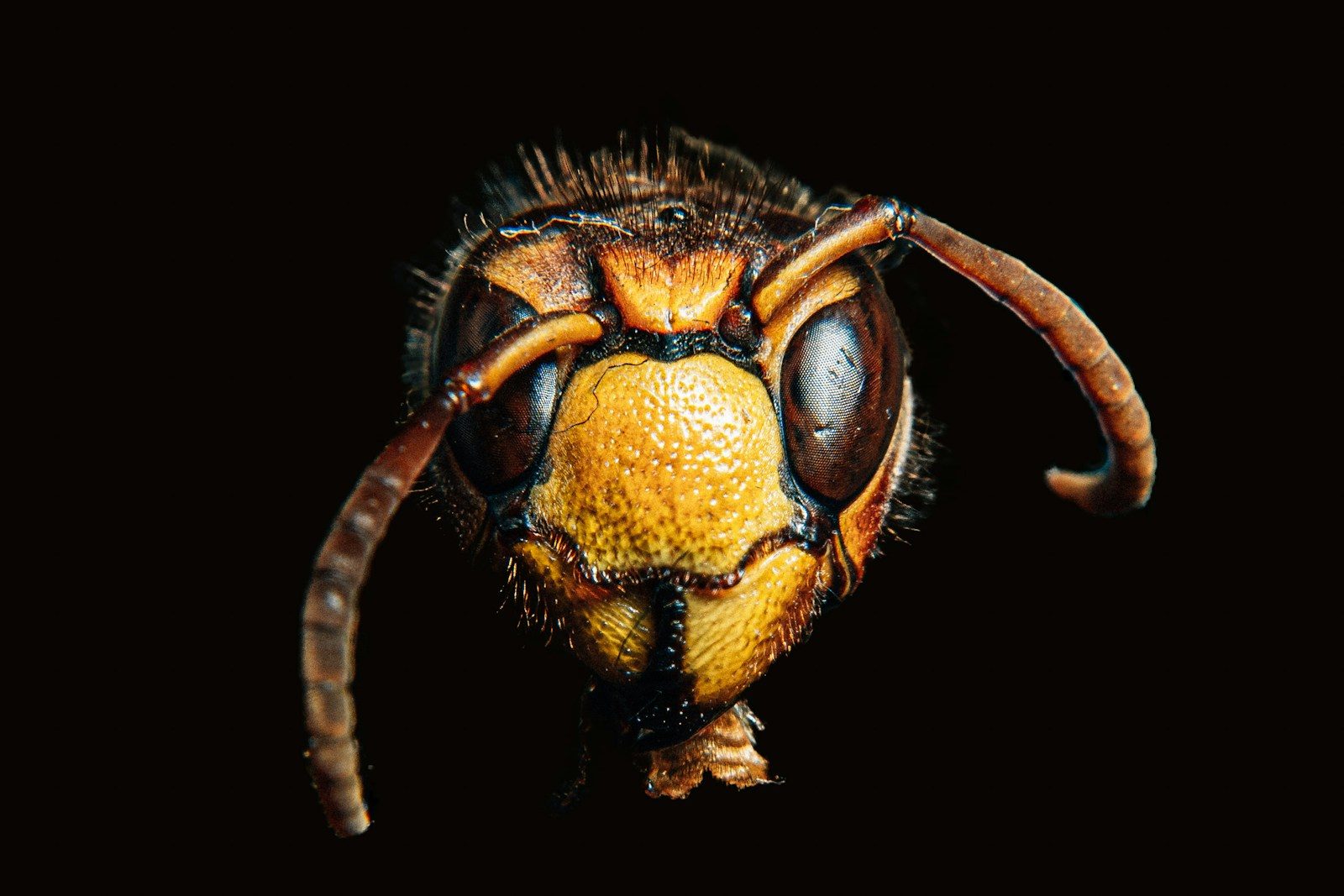
In parts of Asia, giant hornets can grow large enough to dominate entire ecosystems.
These predators are capable of wiping out honeybee colonies in hours.
A single group of hornets can invade a hive, slaughter the defenders, and take over the brood as a food source.
Beekeepers in affected regions often describe them as one of the most destructive natural threats to honey production.
The Silent Assassins Living Everywhere Around Us
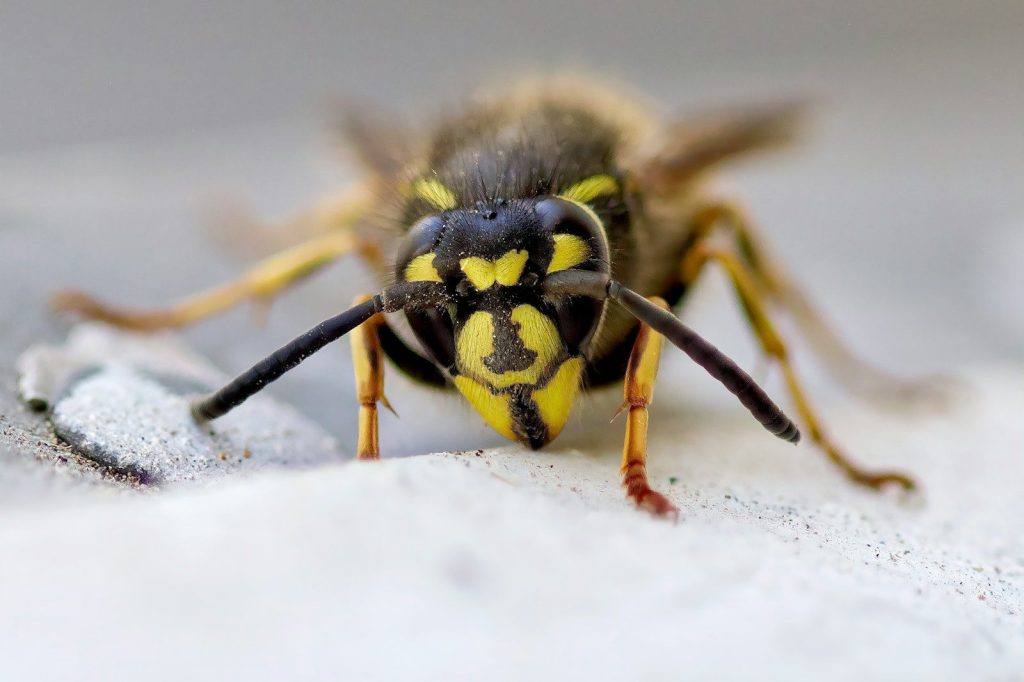
Not all wasps are aggressive or large.
Many species are small, solitary, and completely unnoticed by humans.
But even these quiet insects play a major role in ecosystems, helping control pest populations by hunting or parasitizing other insects.
Without them, many agricultural systems would struggle with uncontrolled insect outbreaks.
In nature, even the most brutal strategies often serve a larger purpose.