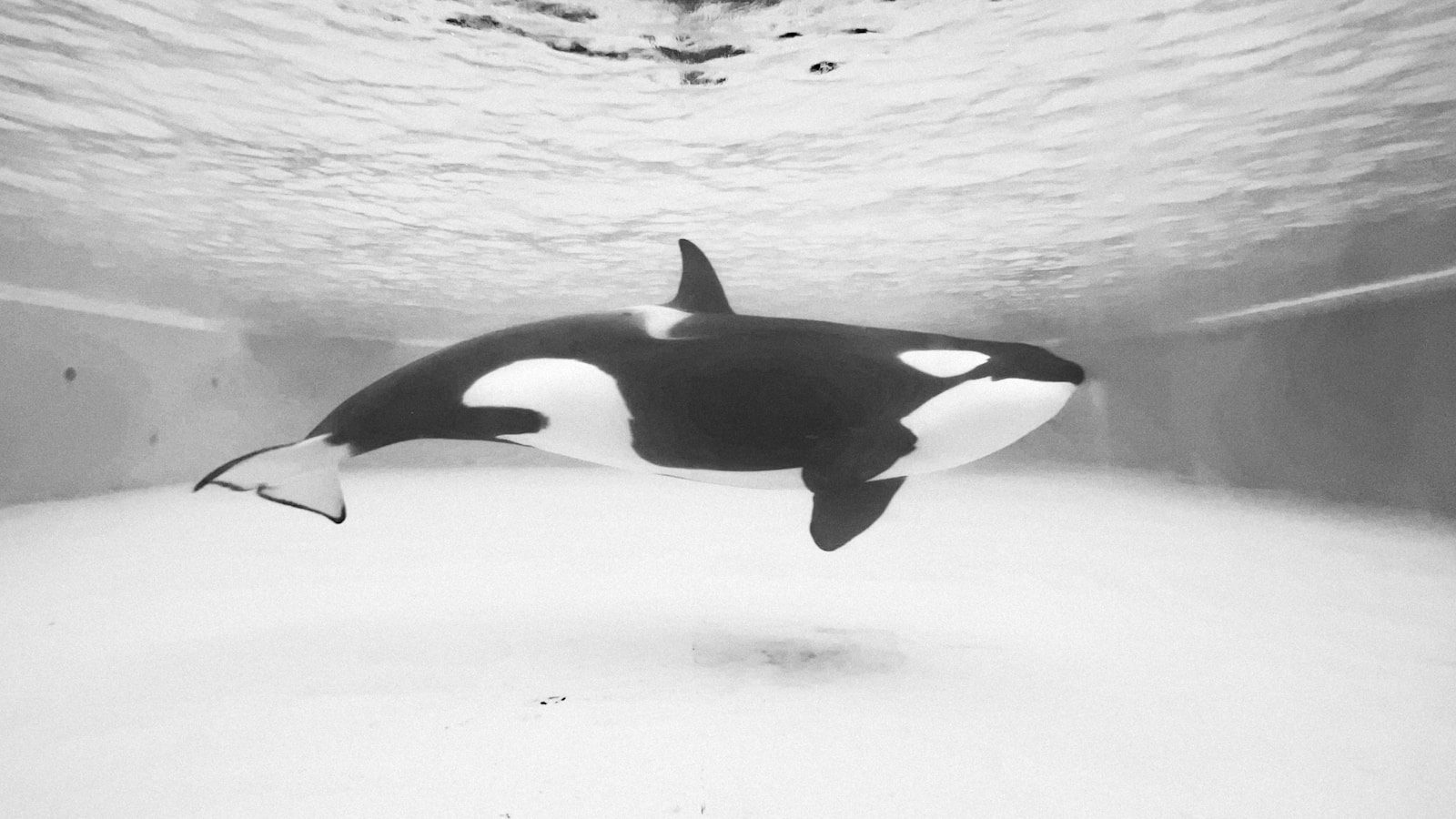
Killer whales in the Pacific Northwest have developed one of the most unusual survival systems in the animal kingdom. At the center of it is the grandmother orca, a female who can live for decades after she stops reproducing.
Unlike most species, these older females do not fade into the background. Instead, they become the backbone of their pod’s survival.
The role of the matriarch
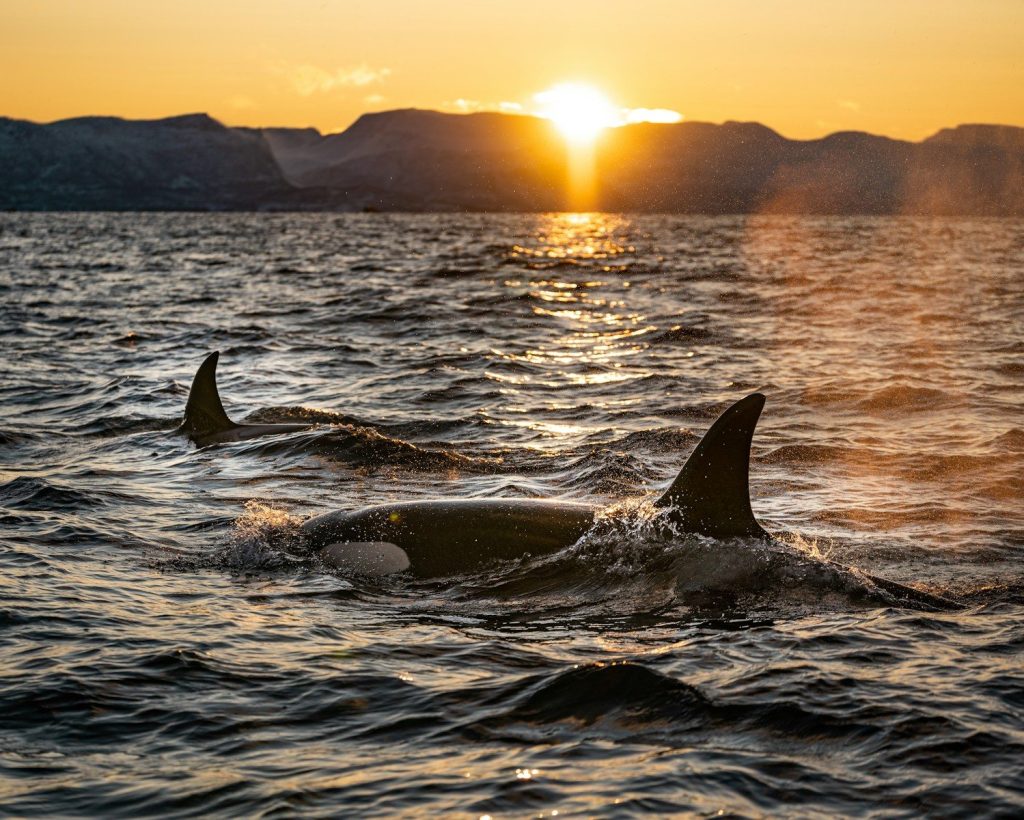
These elder orcas lead their families through some of the harshest conditions in the ocean. Their experience helps them guide younger whales to feeding grounds, especially during times when food is scarce.
Their knowledge of migration routes and seasonal changes can determine whether the pod thrives or struggles.
Menopause as an evolutionary advantage
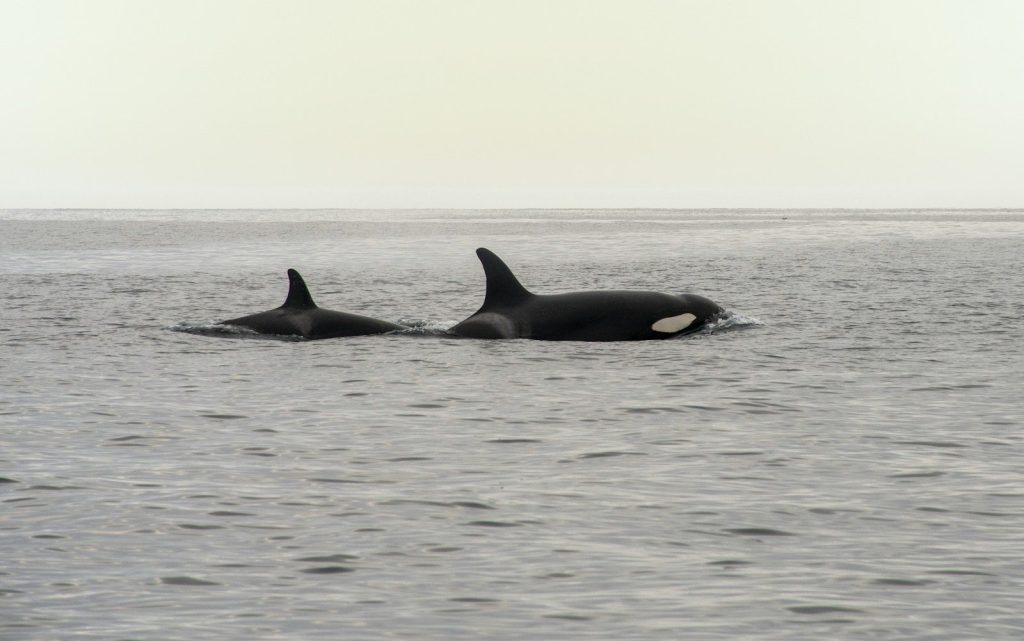
Female orcas are one of the few non human species known to go through menopause. Rather than continuing to produce offspring, they shift their energy toward supporting their existing family.
This unusual trait may seem counterintuitive, but scientists believe it offers a powerful evolutionary advantage by strengthening group survival.
Sharing food to keep the pod alive
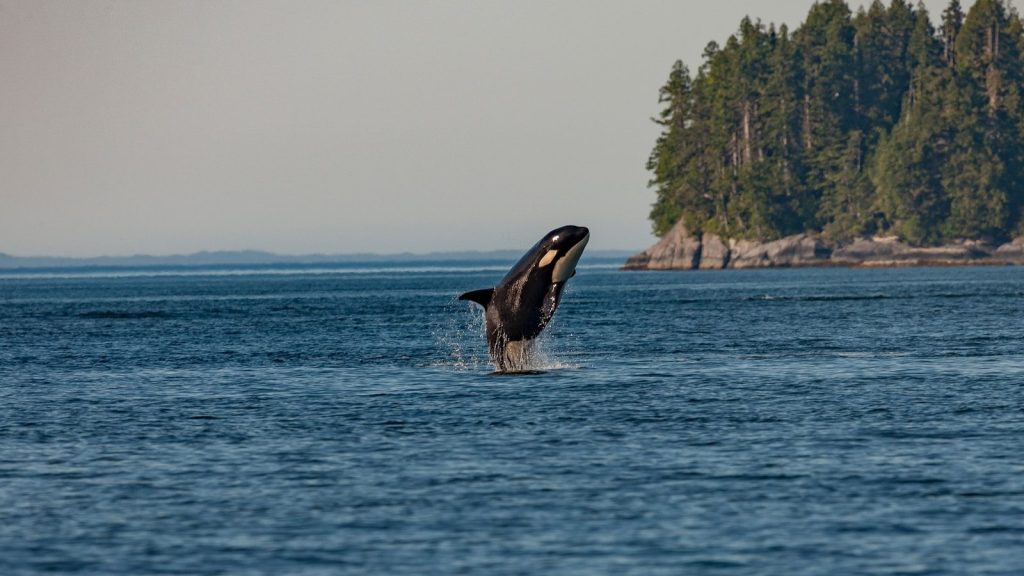
Matriarchs also play a key role in feeding behavior. They often help locate salmon and share a significant portion of their catch with younger relatives.
In some cases, they may provide up to ninety percent of the food they secure to support the pod.
When salmon becomes scarce
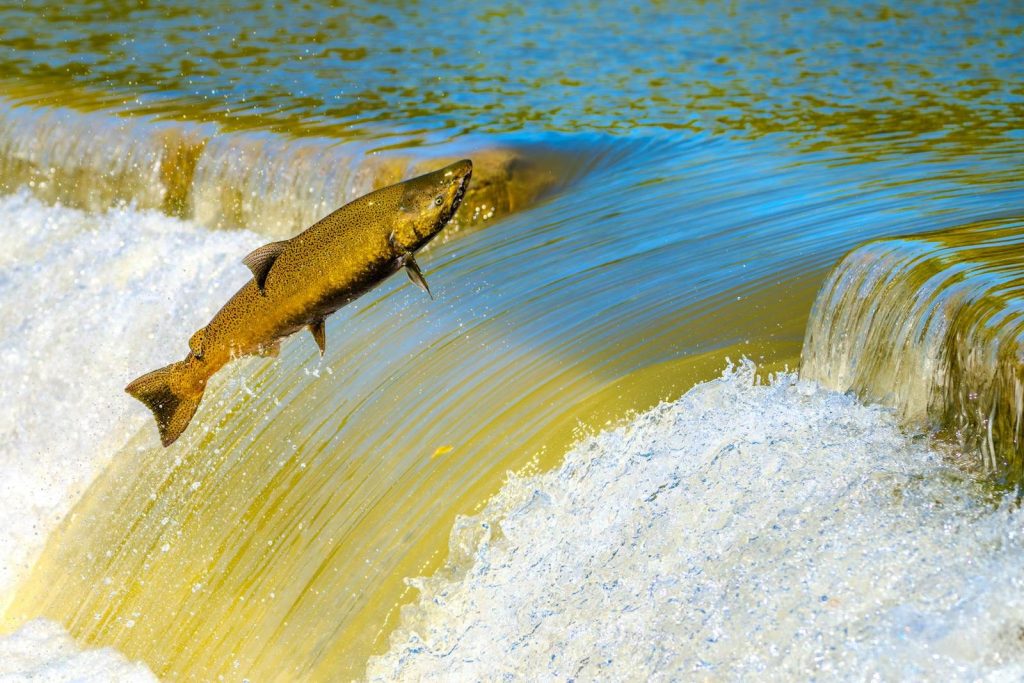
As salmon populations decline due to overfishing, climate change, and habitat loss, the role of experienced leaders becomes even more critical.
Without these older whales, younger orcas would struggle far more to find enough food in increasingly unpredictable waters.
Why experience matters more than strength
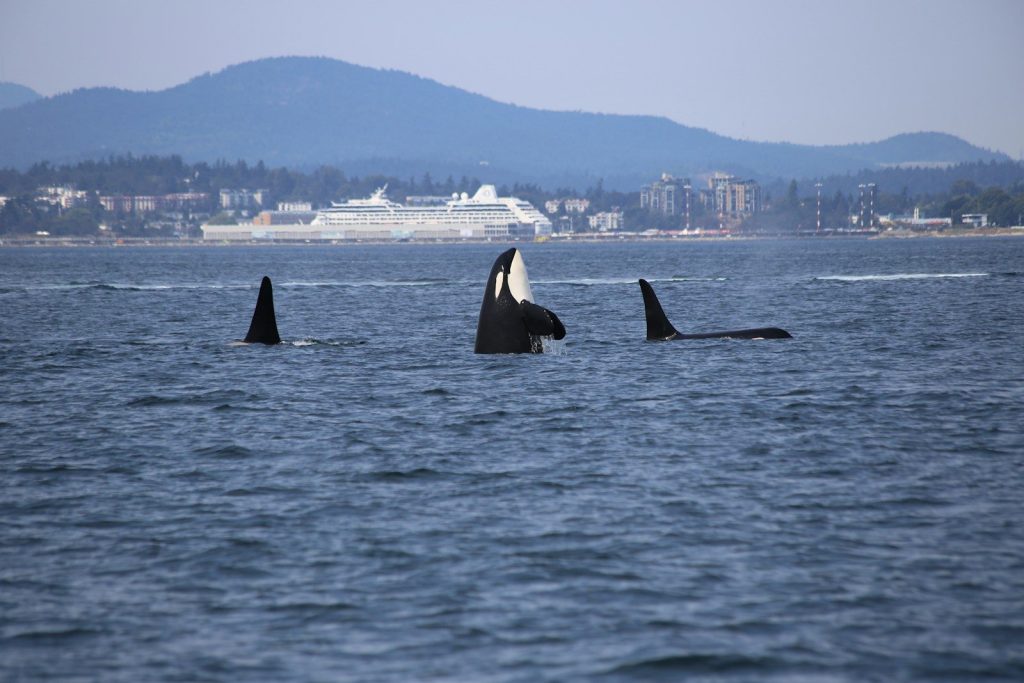
In the wild, survival is not always about size or power. For orcas, knowledge passed down through generations can be more valuable than physical ability.
The matriarch’s memory of feeding grounds and seasonal patterns acts like a living map for the entire family.
A fragile balance in changing oceans
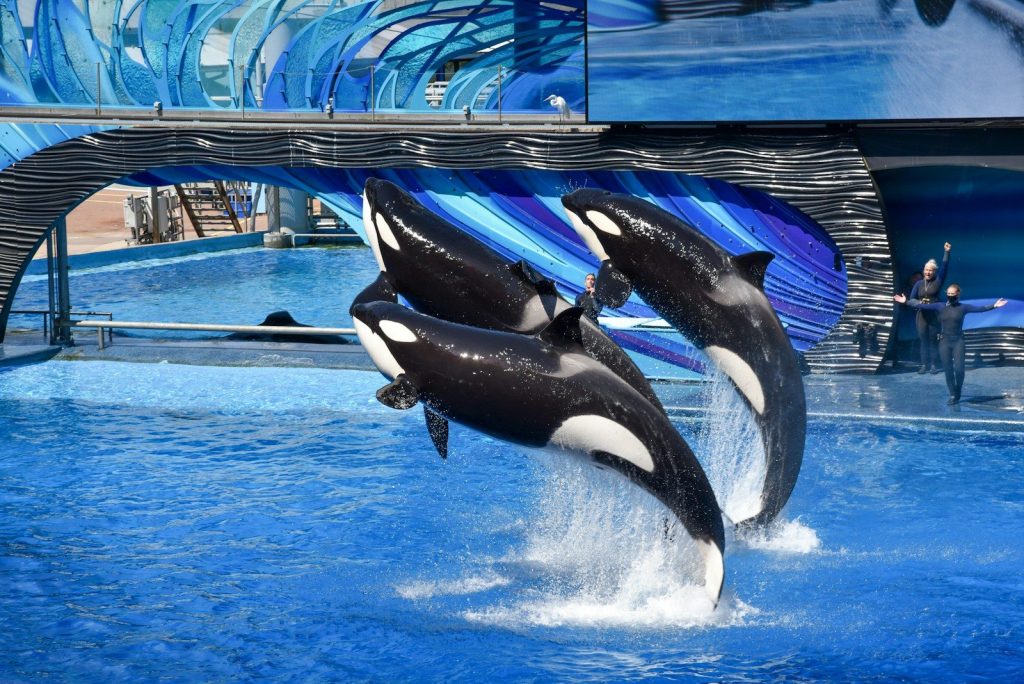
Scientists believe this rare social structure is one of the key reasons some orca populations continue to survive despite environmental pressure.
However, as ocean ecosystems continue to change, even this remarkable adaptation may not be enough without stronger protection for their food sources.