Ponds may look calm and self-contained, but they are actually delicate ecosystems. A single new species can disrupt the balance between plants, fish, and water quality. In some cases, just a few introduced animals are enough to completely transform or even destroy a pond’s natural environment.
Common carp that stir up the bottom
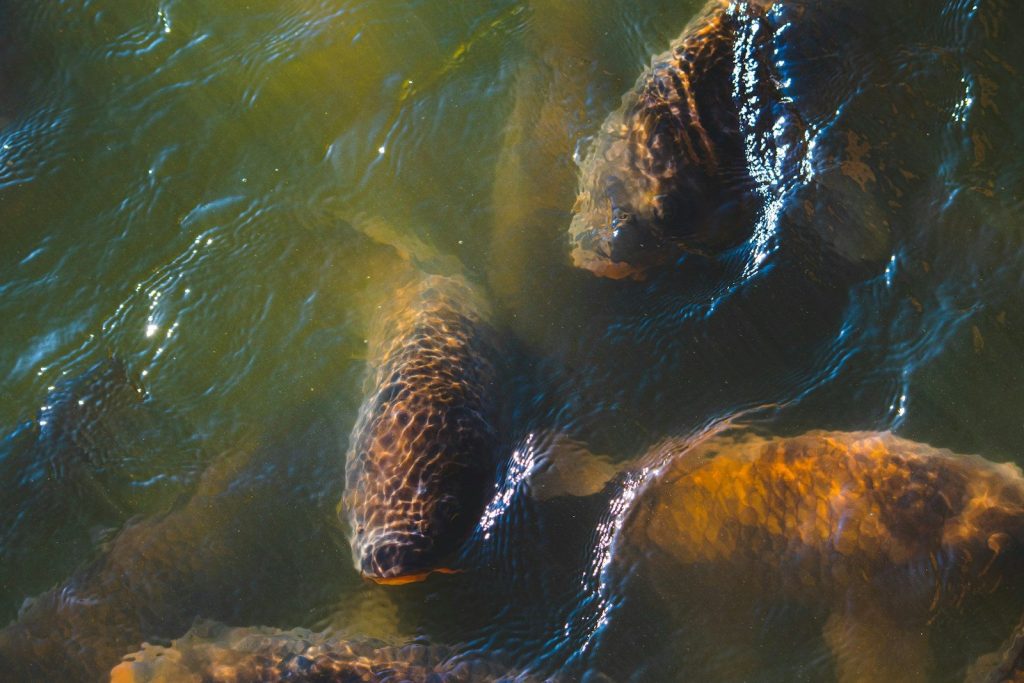
Common carp are one of the most destructive fish in freshwater ponds. As they feed, they uproot plants and churn up sediment from the bottom.
This constant disturbance makes the water cloudy, blocks sunlight from reaching aquatic plants, and reduces oxygen levels. Over time, native species struggle to survive in the degraded conditions.
Invasive snails that multiply rapidly
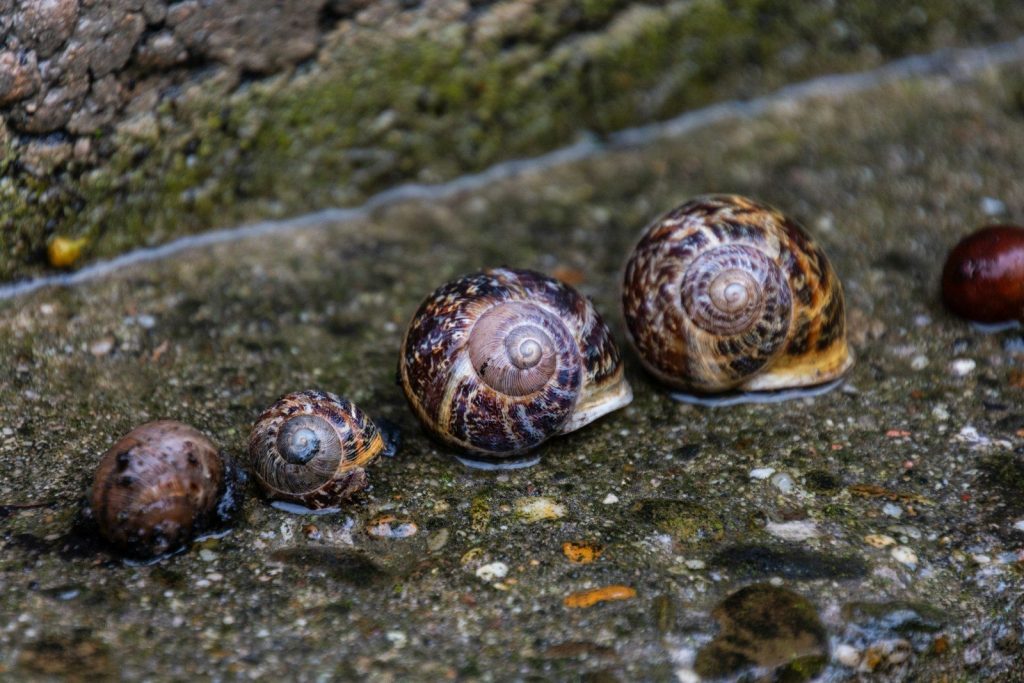
Certain non-native snail species can explode in number when introduced to a pond. They feed on algae and plant matter but often reproduce faster than natural predators can control them.
Heavy snail populations can strip vegetation and alter the balance of the ecosystem, leaving less food and shelter for fish and amphibians.
Bullfrogs that overpower native amphibians
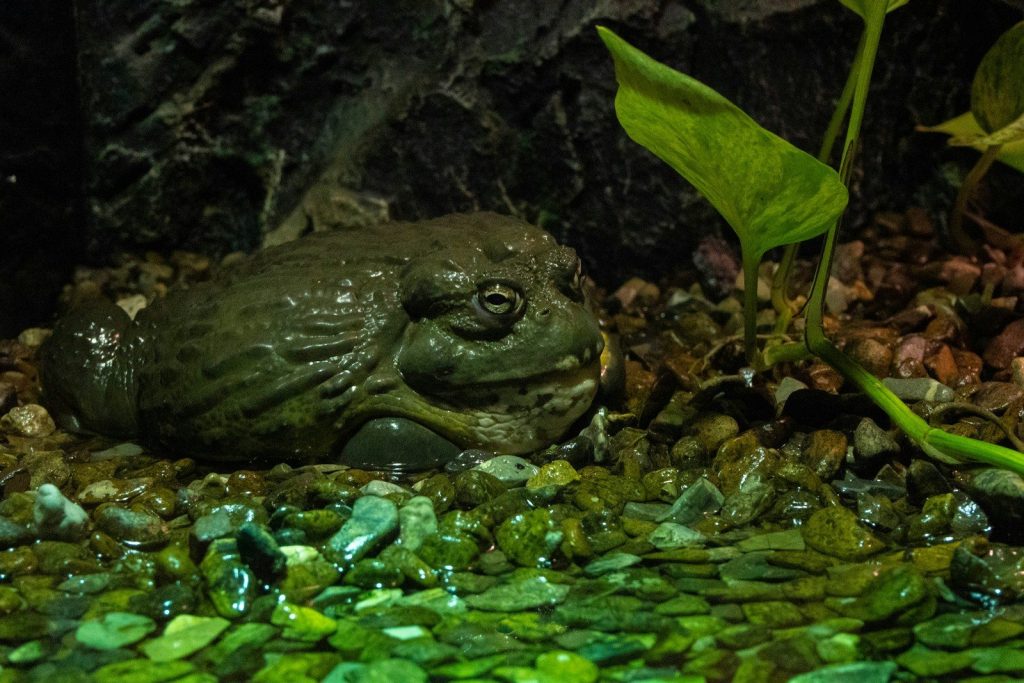
American bullfrogs are highly adaptable and aggressive predators. Once introduced to a pond, they often consume insects, small fish, and even other frogs.
Their large size and fast reproduction allow them to outcompete native amphibians, reducing biodiversity over time.
Crayfish that destroy aquatic plants
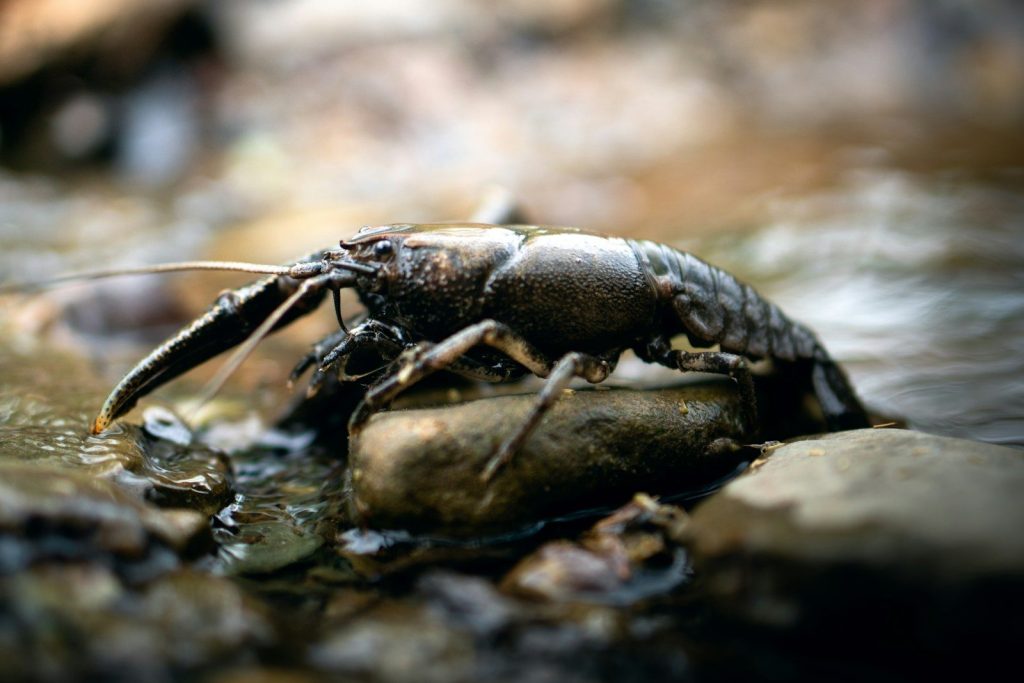
Invasive crayfish species are known for digging into pond bottoms and eating aquatic vegetation.
This behavior damages plant life that provides oxygen and shelter for fish. Without plants, ponds become more unstable and prone to algae overgrowth.
Mosquito fish in overcrowded numbers
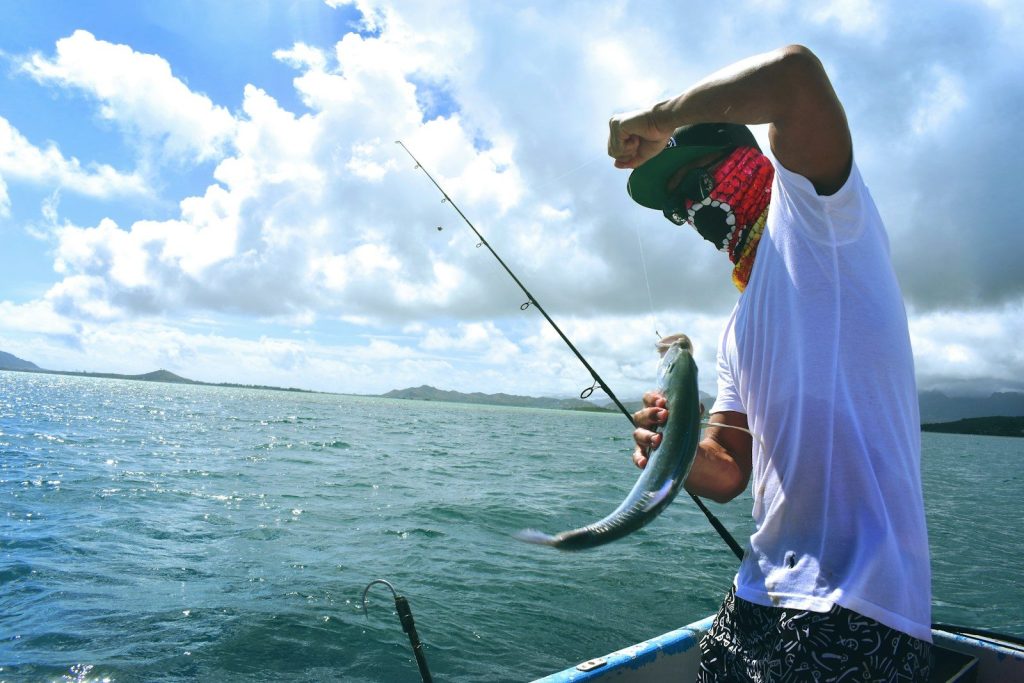
Mosquito fish are sometimes introduced to control mosquito larvae, but they can become a problem themselves.
In enclosed ponds, they reproduce quickly and compete with native fish for food. Their aggressive feeding habits can disrupt the natural food chain.
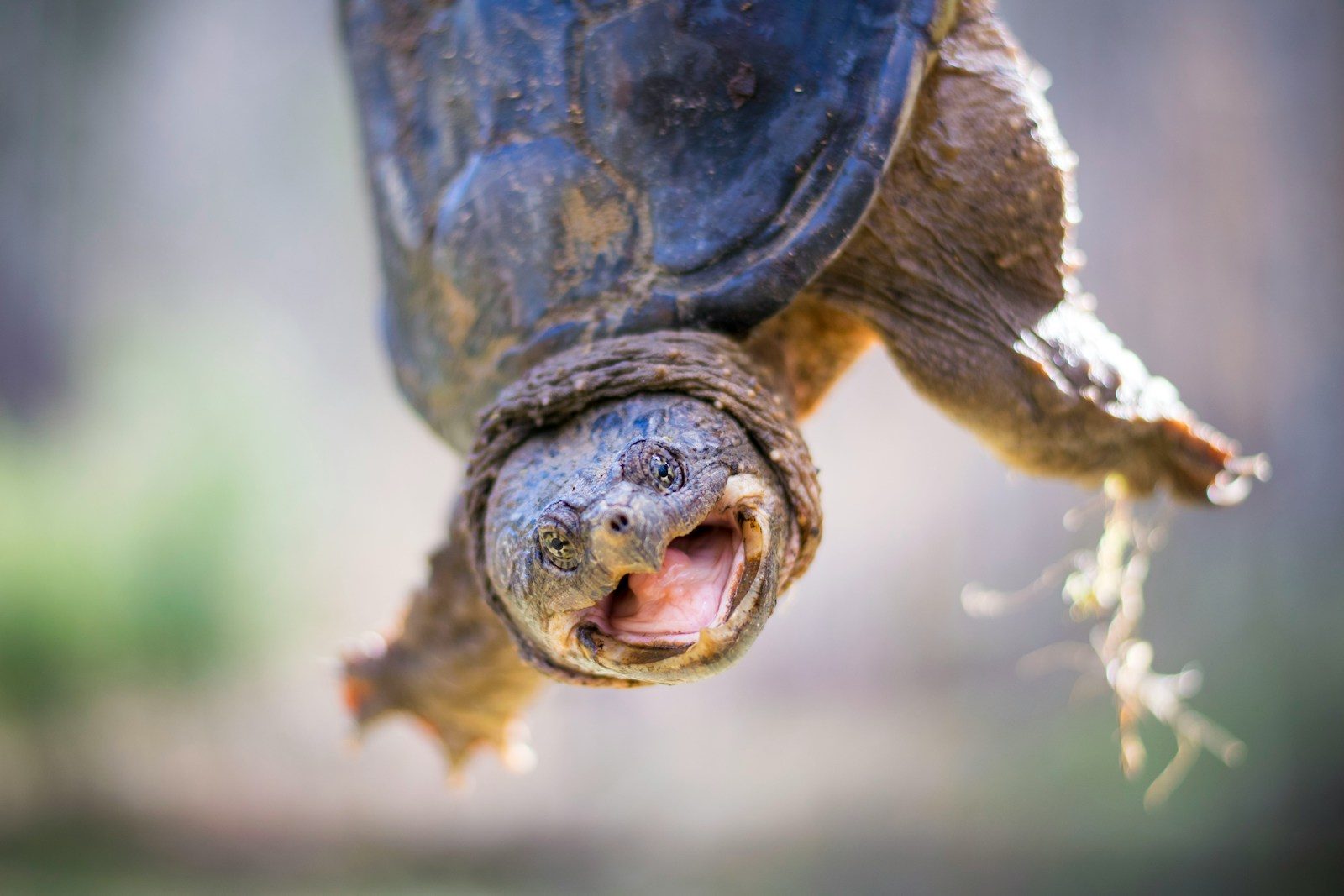
Snapping turtles that hunt everything
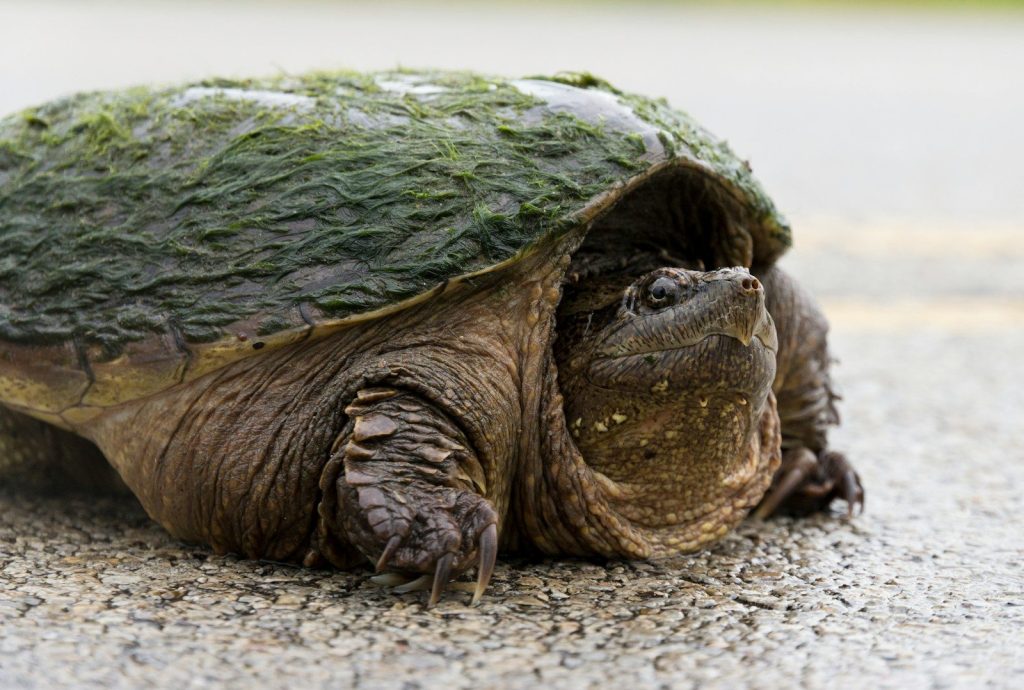
Snapping turtles are powerful predators capable of eating fish, amphibians, and even small birds that visit the water.
While they are native in some regions, an overpopulation in small ponds can quickly reduce fish stocks and alter the ecosystem’s balance.
Invasive aquatic plants that take over
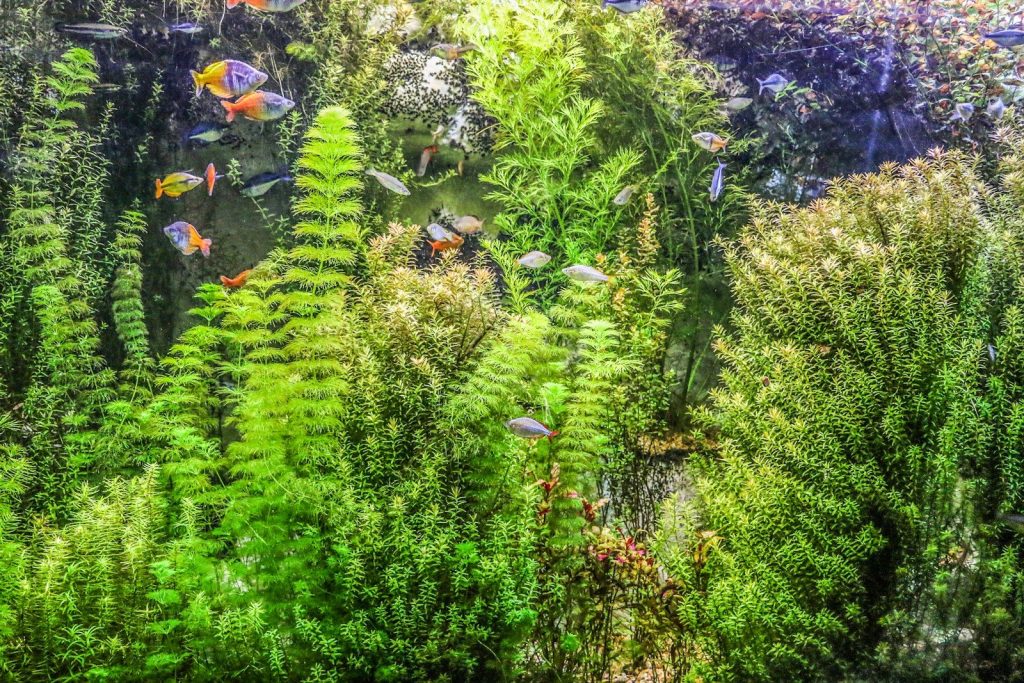
Not all destructive pond invaders are animals. Species like hydrilla or water hyacinth can spread aggressively across the surface.
These plants block sunlight, reduce oxygen levels, and choke out native vegetation, making it difficult for fish and insects to survive.