Skip to content

Recent Posts

  • Sharks That Thrive In Alaska’s Freezing Waters And How They Survive The Extreme Cold
  • 7 Places In The United States Where Wild Moose Still Roam Free
  • The Strange Reason Garden Spiders Have Spiky Bodies
  • Birds With The Most Bizarre Courtship Displays That Look Straight Out Of Nature’s Own Performance Stage
  • Animals That Can Defeat A Mountain Lion And Those That Avoid The Fight Entirely

Most Used Categories

  • Nature & Wildlife (175)
  • Risk (36)
  • Human Interest (17)
  • Hunting (17)
  • Survival (14)
  • Bees/Swarms fear (13)
  • Exotic Animals (7)
  • Suspense (6)
  • Adventure (3)
  • Gears (2)
Skip to content
  • About Us
  • Contact Us
  • Disclaimer
  • Privacy Policy
  • Terms & Conditions

Hive Hunters Tales

  • Suspense
  • Nature & Wildlife
  • Human Interest
  • Hunting
  • Bees/Swarms fear
  • Exotic Animals
  • Risk
  • Survival
  • Adventure
  • Gears
  • Home
  • Nature & Wildlife
  • Seven Creatures That Can Quickly Ruin a Pond Ecosystem
brown and black turtle on brown tree branch

Seven Creatures That Can Quickly Ruin a Pond Ecosystem

JakeJune 7, 2026June 7, 2026

Ponds may look calm and self-contained, but they are actually delicate ecosystems. A single new species can disrupt the balance between plants, fish, and water quality. In some cases, just a few introduced animals are enough to completely transform or even destroy a pond’s natural environment.

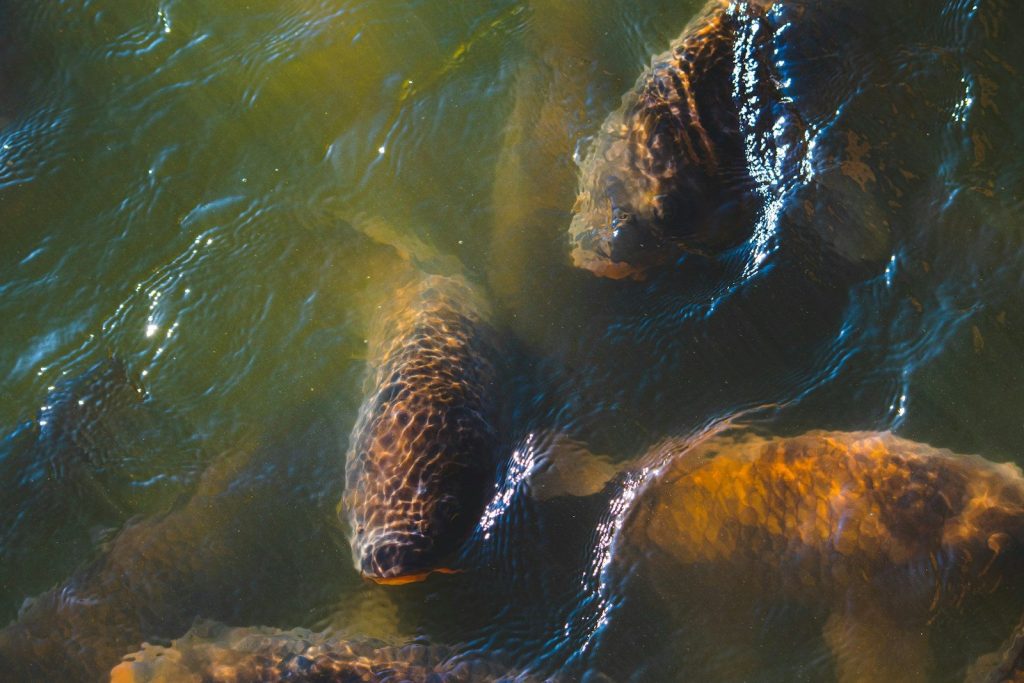
Common carp that stir up the bottom
a seal swimming in water
Photo by Jon Sailer on Unsplash

Common carp are one of the most destructive fish in freshwater ponds. As they feed, they uproot plants and churn up sediment from the bottom.

This constant disturbance makes the water cloudy, blocks sunlight from reaching aquatic plants, and reduces oxygen levels. Over time, native species struggle to survive in the degraded conditions.

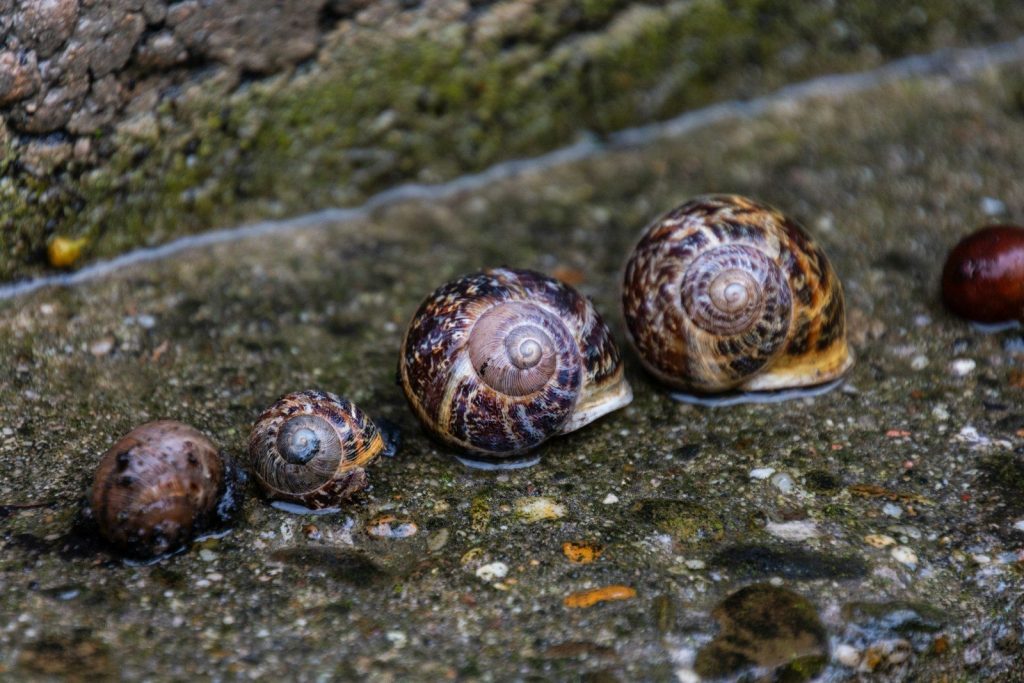
Invasive snails that multiply rapidly
Three snails on a wet stone surface
Photo by Sergej Karpow on Unsplash

Certain non-native snail species can explode in number when introduced to a pond. They feed on algae and plant matter but often reproduce faster than natural predators can control them.

Heavy snail populations can strip vegetation and alter the balance of the ecosystem, leaving less food and shelter for fish and amphibians.

Bullfrogs that overpower native amphibians
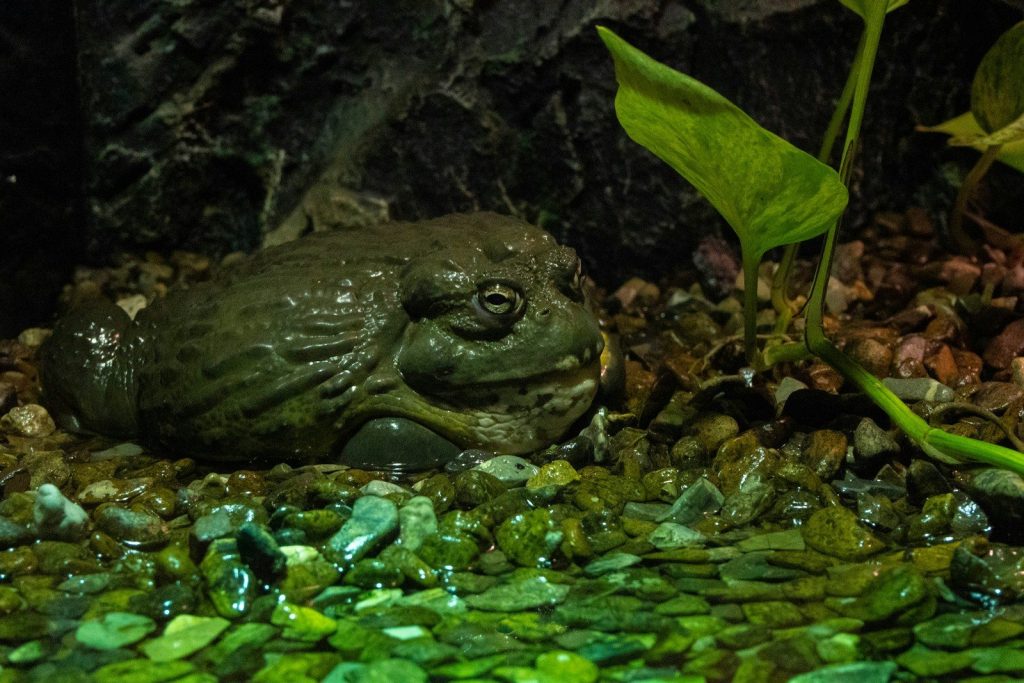
a frog that is sitting on some rocks
Photo by Omair Muhammad on Unsplash

American bullfrogs are highly adaptable and aggressive predators. Once introduced to a pond, they often consume insects, small fish, and even other frogs.

Their large size and fast reproduction allow them to outcompete native amphibians, reducing biodiversity over time.

Crayfish that destroy aquatic plants
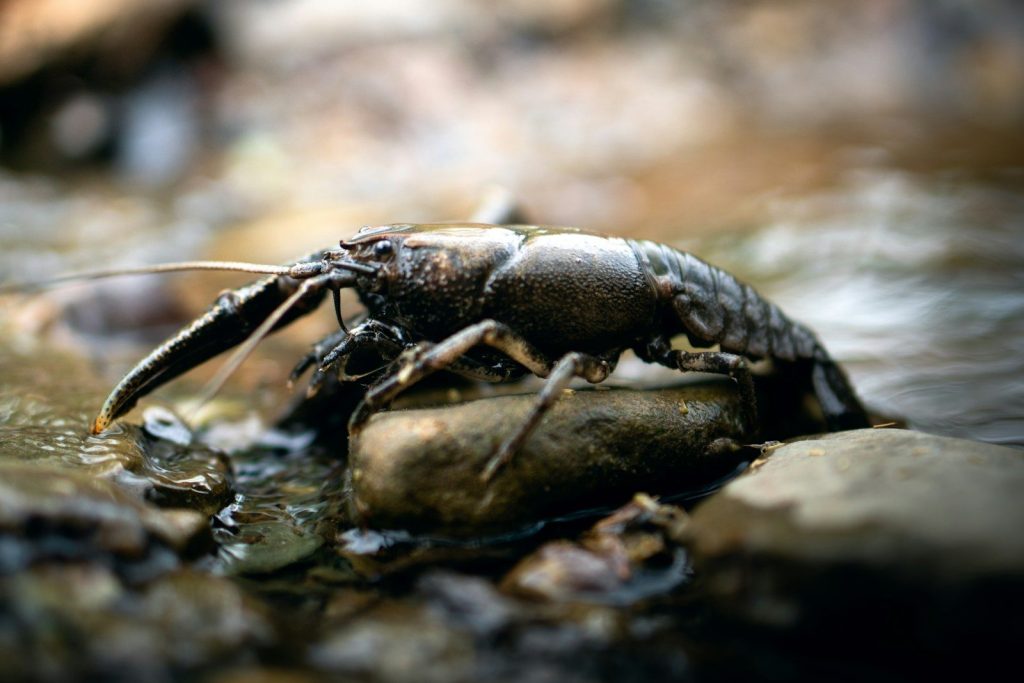
black cray fish on rock
Photo by Autumn Bradley on Unsplash

Invasive crayfish species are known for digging into pond bottoms and eating aquatic vegetation.

This behavior damages plant life that provides oxygen and shelter for fish. Without plants, ponds become more unstable and prone to algae overgrowth.

Mosquito fish in overcrowded numbers
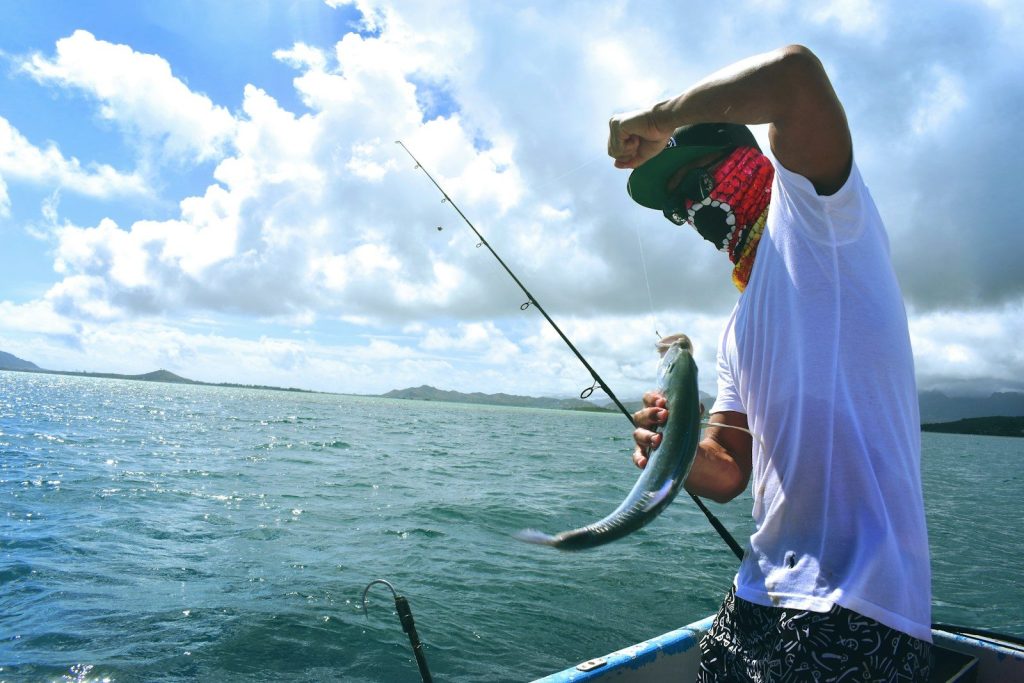
man in white t-shirt holding a fish
Photo by Drew Farwell on Unsplash

Mosquito fish are sometimes introduced to control mosquito larvae, but they can become a problem themselves.

In enclosed ponds, they reproduce quickly and compete with native fish for food. Their aggressive feeding habits can disrupt the natural food chain.

Snapping turtles that hunt everything
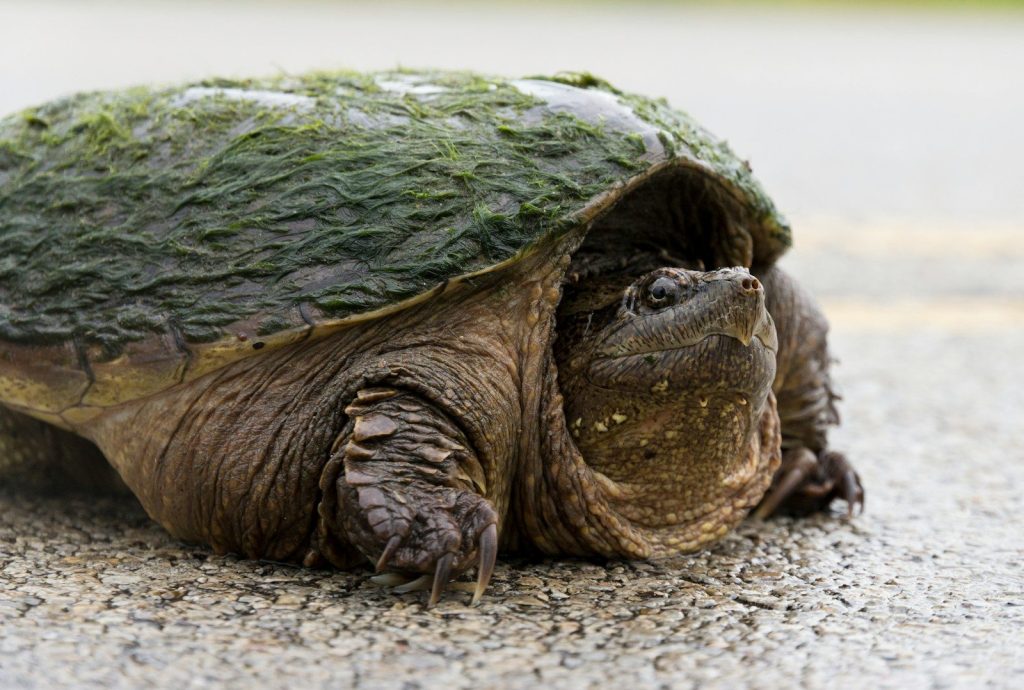
green and brown turtle on brown sand
Photo by J Yeo on Unsplash

Snapping turtles are powerful predators capable of eating fish, amphibians, and even small birds that visit the water.

While they are native in some regions, an overpopulation in small ponds can quickly reduce fish stocks and alter the ecosystem’s balance.

Invasive aquatic plants that take over
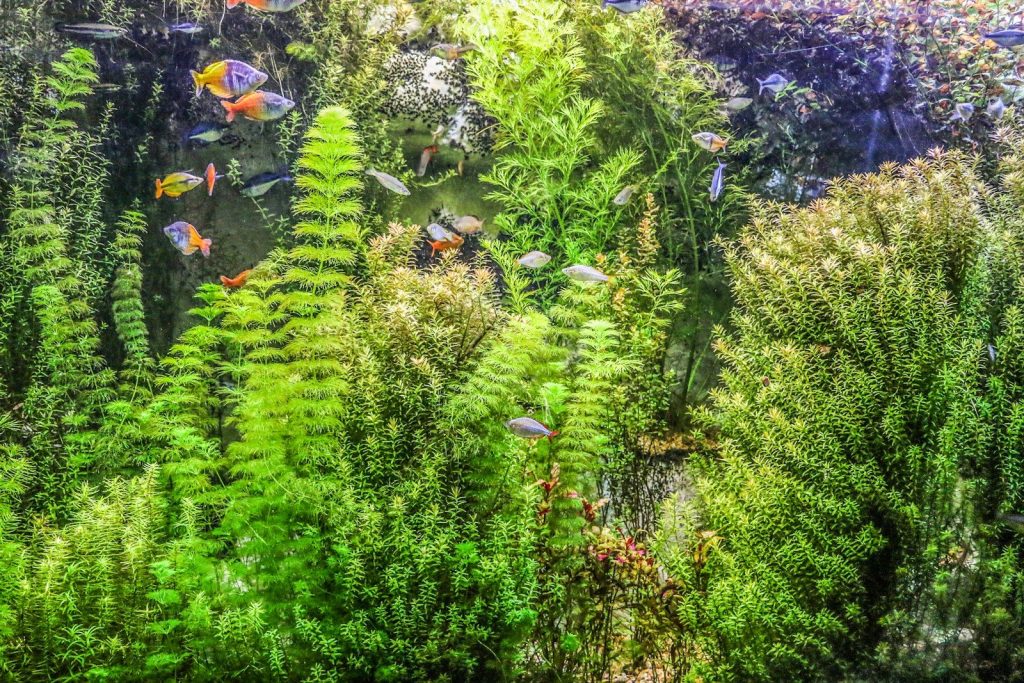
green plants and purple flowers
Photo by Michael Hystead on Unsplash

Not all destructive pond invaders are animals. Species like hydrilla or water hyacinth can spread aggressively across the surface.

These plants block sunlight, reduce oxygen levels, and choke out native vegetation, making it difficult for fish and insects to survive.
Post navigation

Previous: This “Smiling” Animal Is One of the Ocean’s Most Dangerous Predators
Next: He Let Go of His Wife’s Hand Seconds Before a Crocodile Dragged Him Underwater

Related Posts

Stunning close-up of a majestic whale shark swimming underwater in Haleiwa, Hawaii.

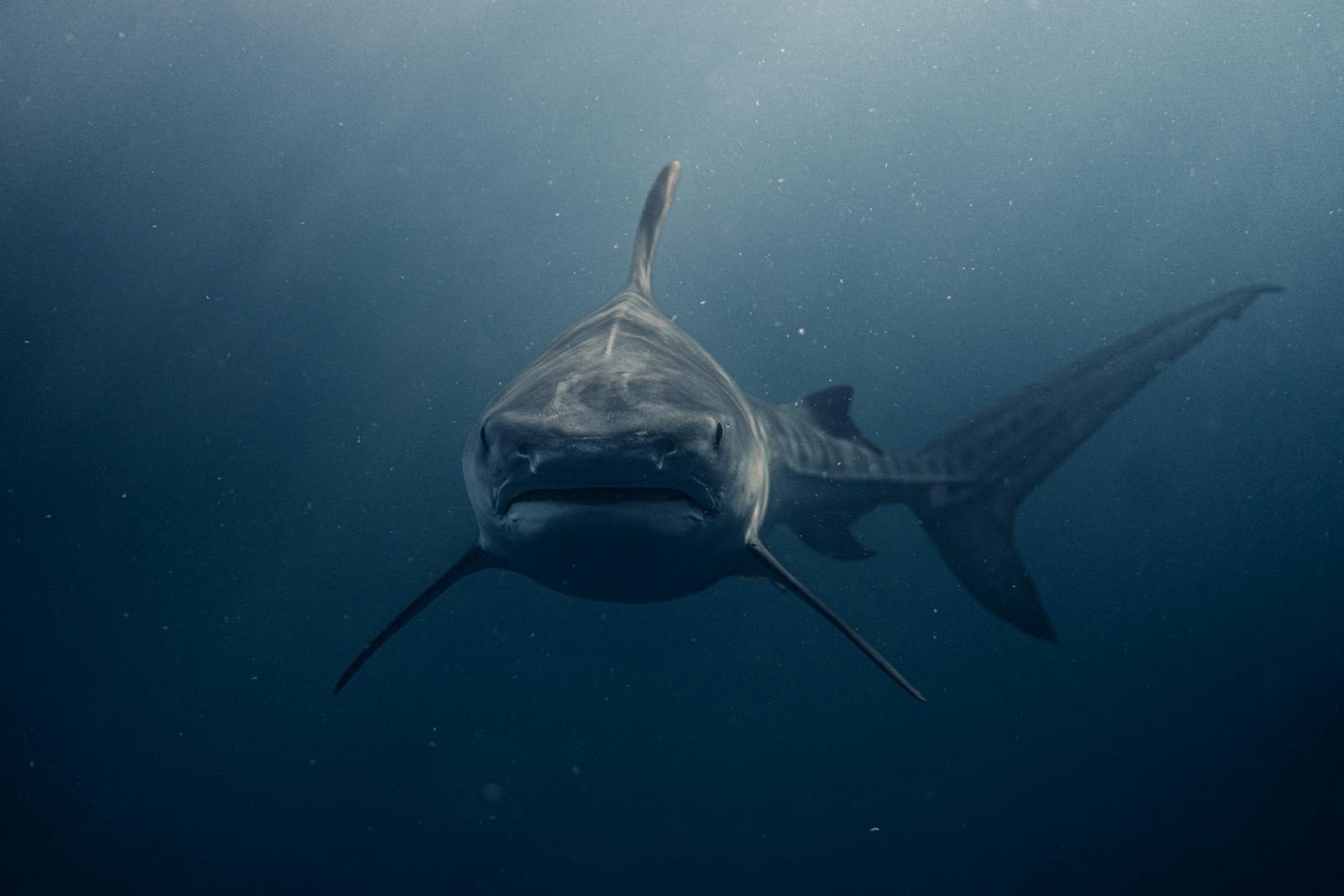
Sharks That Thrive In Alaska’s Freezing Waters And How They Survive The Extreme Cold

June 11, 2026June 11, 2026 Jake
black moose lying on field during daytime

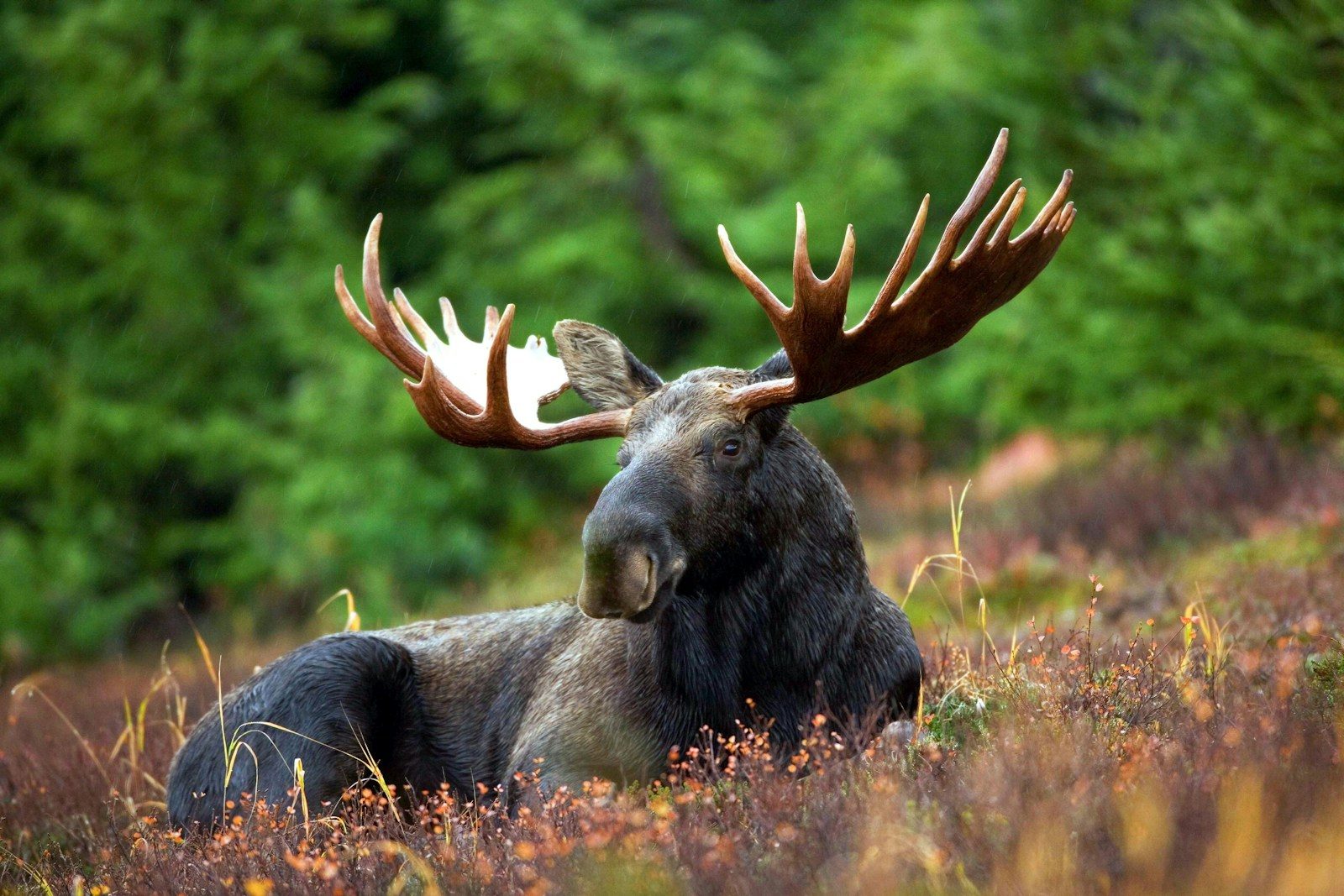
7 Places In The United States Where Wild Moose Still Roam Free

June 11, 2026 Jake
spider, arachnid, spider eyes, insect, nature, macro, arthropod, wild animals, entomology, leaves, spider's perspective, predator

The Strange Reason Garden Spiders Have Spiky Bodies

June 10, 2026June 10, 2026 Jake

Leave a Reply Cancel reply

Your email address will not be published. Required fields are marked *

Recent Posts

  • Sharks That Thrive In Alaska’s Freezing Waters And How They Survive The Extreme Cold
  • 7 Places In The United States Where Wild Moose Still Roam Free
  • The Strange Reason Garden Spiders Have Spiky Bodies
  • Birds With The Most Bizarre Courtship Displays That Look Straight Out Of Nature’s Own Performance Stage
  • Animals That Can Defeat A Mountain Lion And Those That Avoid The Fight Entirely
Copyright All Rights Reserved | Theme: BlockWP by Candid Themes.