Not all bears are equally dangerous. While some species avoid humans whenever possible, others possess a combination of size, strength, aggression, and survival instincts that make them far more intimidating than many people expect.
Comparing bear species is difficult because each one has evolved differently depending on its habitat, diet, and behavior. Still, certain traits consistently separate the most formidable bears from the rest.
Size Alone Does Not Determine Danger
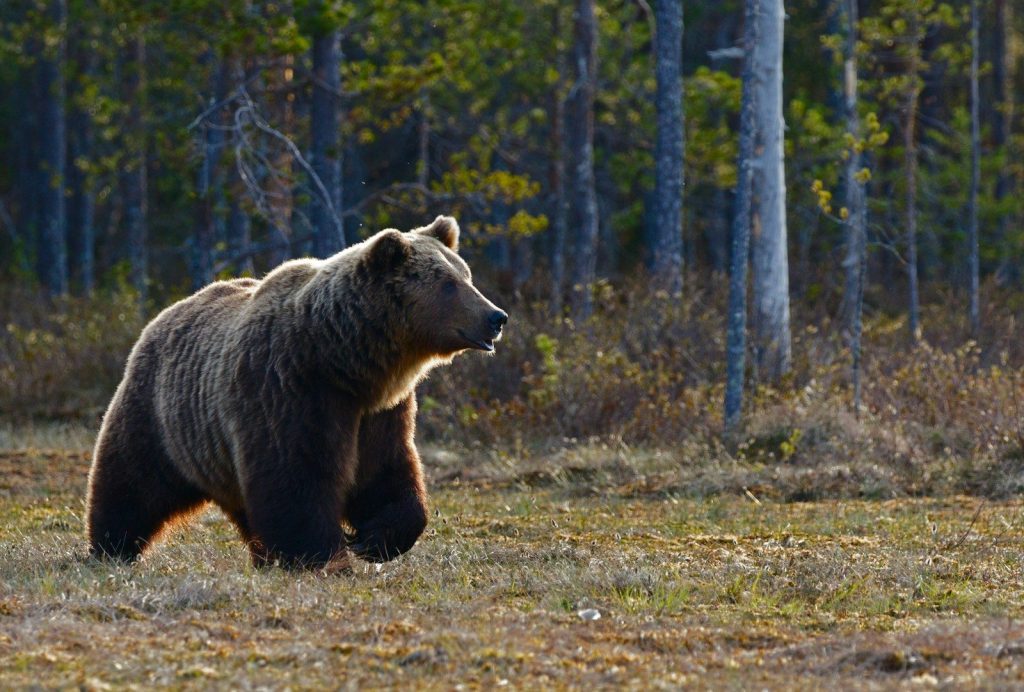
Many people assume the largest bears are automatically the most dangerous, but aggression and behavior often matter just as much as body size.
Some smaller species can be surprisingly aggressive when threatened, while larger bears may avoid confrontation unless provoked or protecting cubs.
Real world encounters often depend on the individual animal and the situation itself.
Polar Bears Rank Among the Most Fearsome
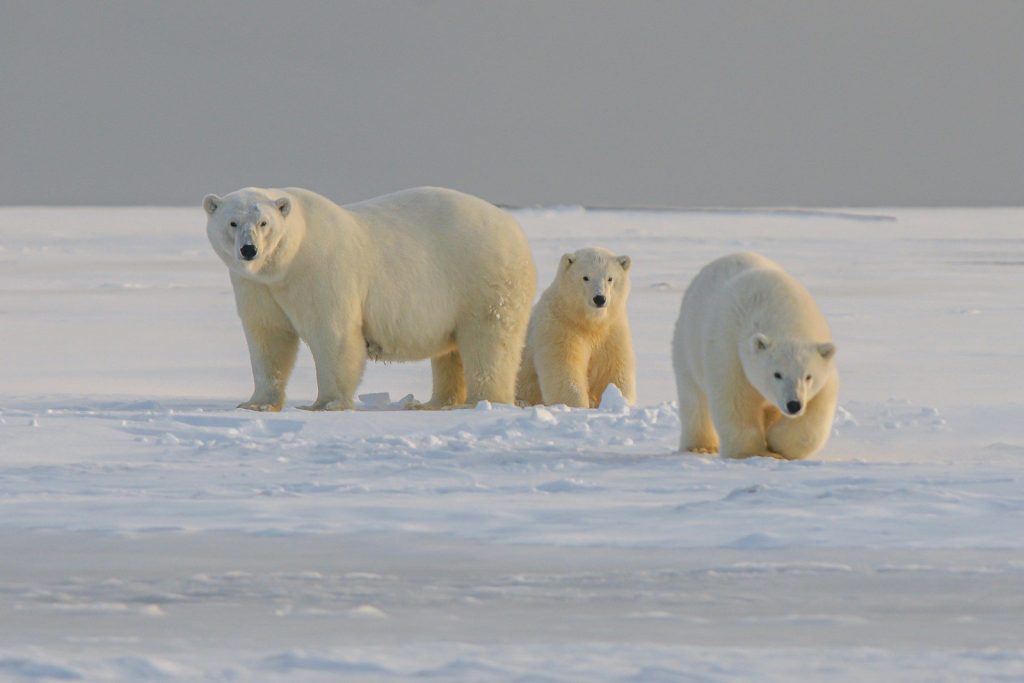
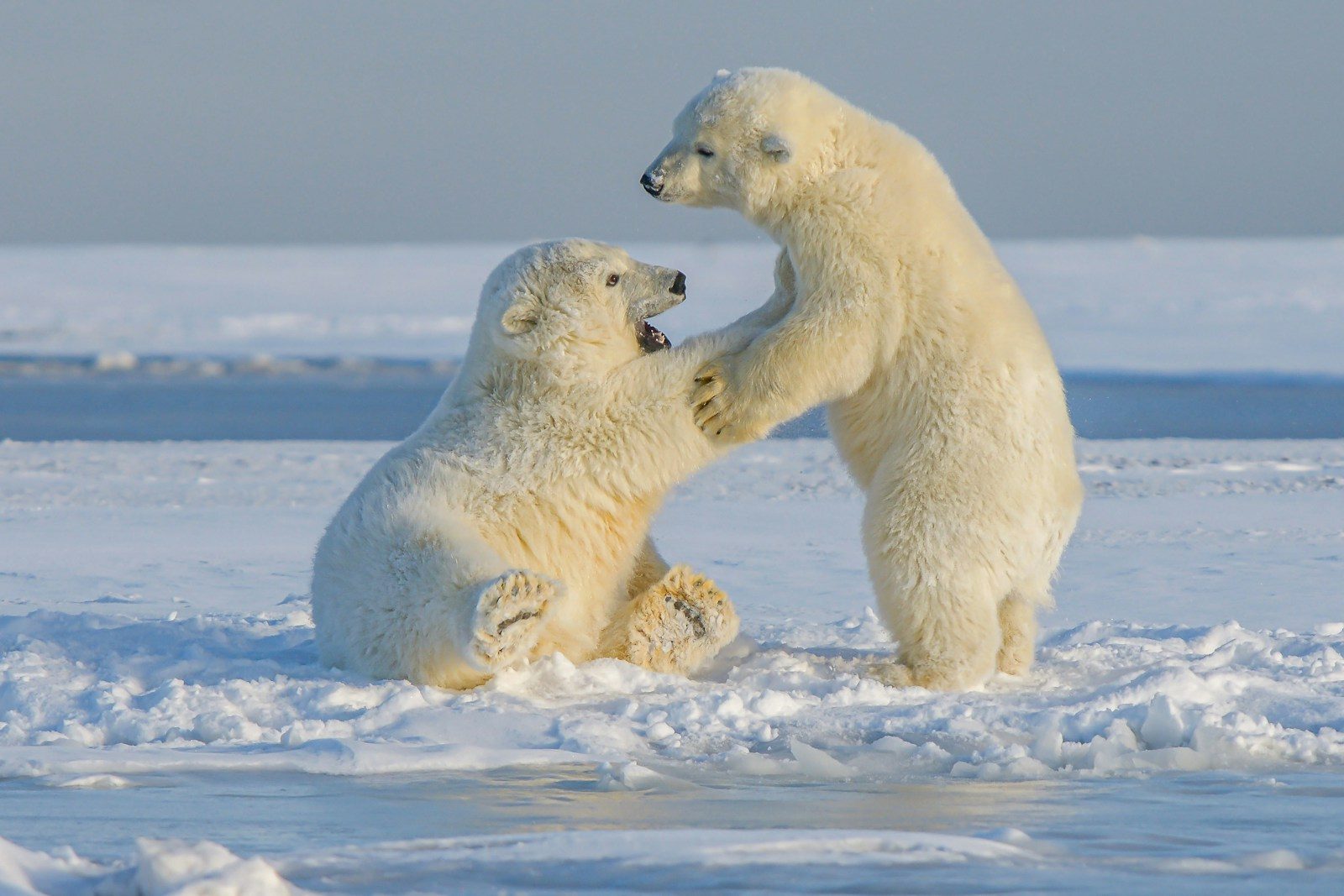
Polar bears are widely considered one of the most dangerous bear species on Earth.
As massive Arctic predators, they are highly intelligent hunters capable of tracking prey across enormous frozen landscapes. Unlike many other bears, polar bears may actively view humans as potential prey in certain situations.
Their size, strength, and hunting instincts place them near the top of almost any danger ranking.
Grizzly Bears Combine Power and Aggression
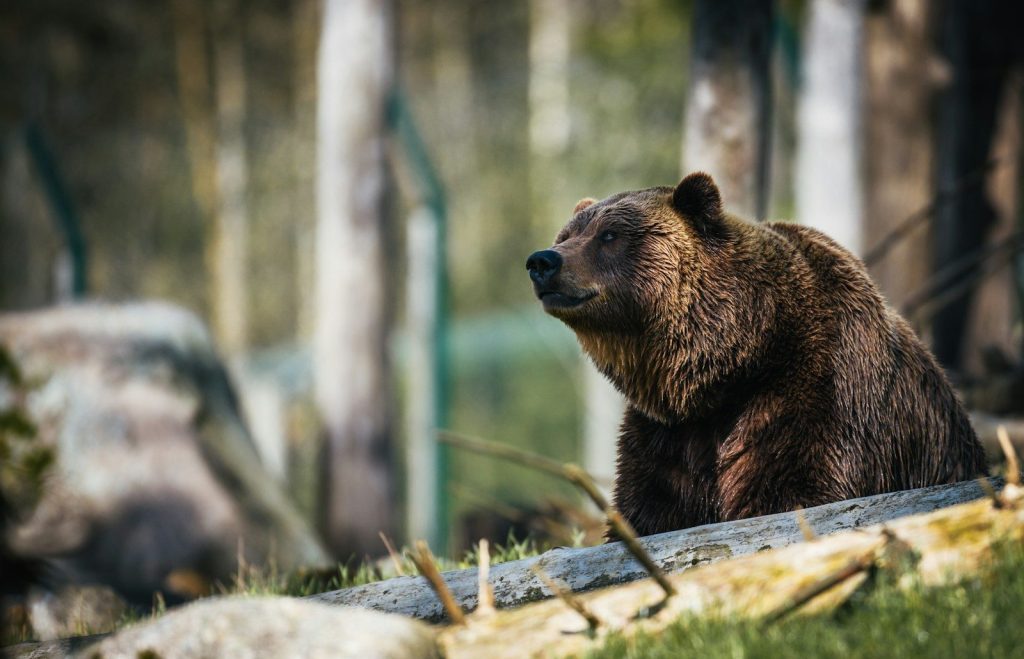
Grizzly bears are famous for their explosive defensive behavior and immense physical strength.
Found across parts of North America, grizzlies can become extremely dangerous if surprised, threatened, or protecting cubs or food sources.
Their powerful build and territorial behavior have made them responsible for some of the continent’s most serious bear encounters.
Kodiak Bears Rival the Largest Predators
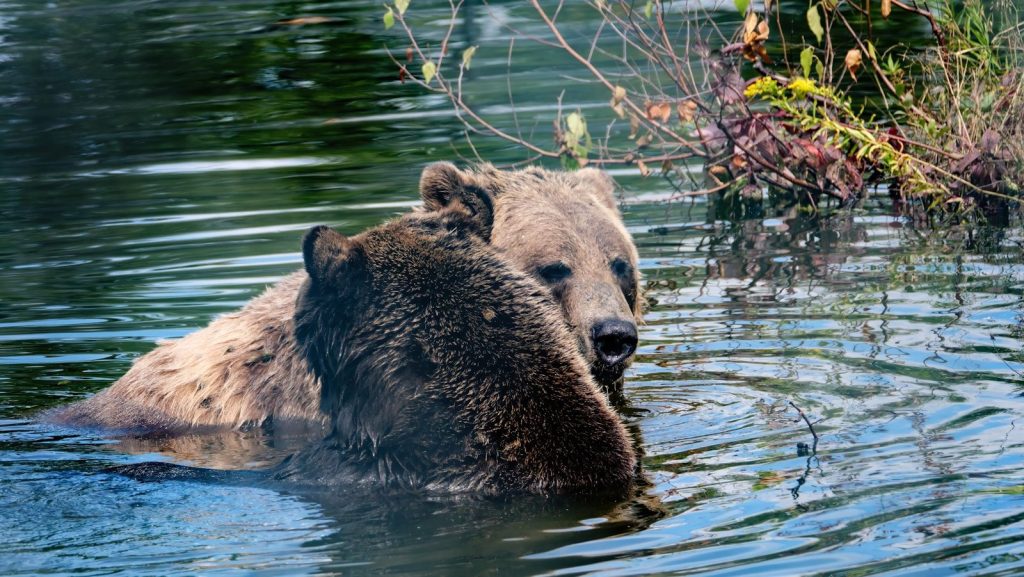
Kodiak bears, a subspecies of brown bear found in Alaska, rank among the largest bears alive today.
Despite their enormous size, they are often less aggressive toward humans than grizzlies due to lower competition and isolation from populated areas. However, their raw power alone makes them potentially devastating in any confrontation.
Black Bears Are Usually Less Aggressive
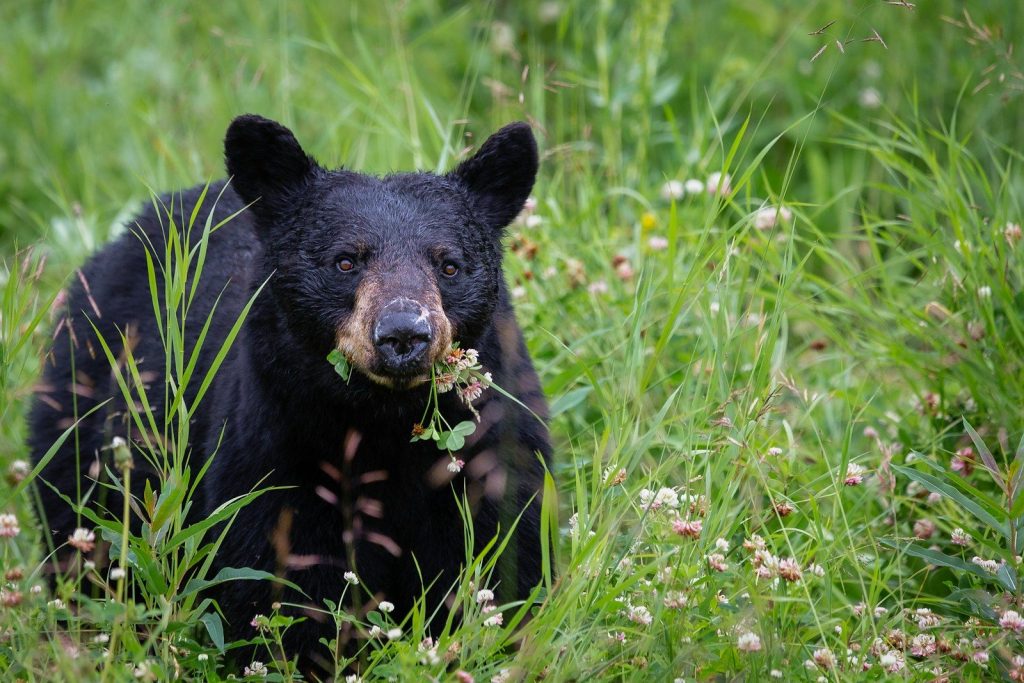
American black bears are far more common across North America, but they are generally less confrontational than grizzlies or polar bears.
Most black bears avoid humans and flee when disturbed. Still, they can become dangerous if cornered, habituated to human food, or threatened.
Because they frequently live closer to towns and suburbs, encounters are relatively common.
Sloth Bears Have a Surprisingly Dangerous Reputation
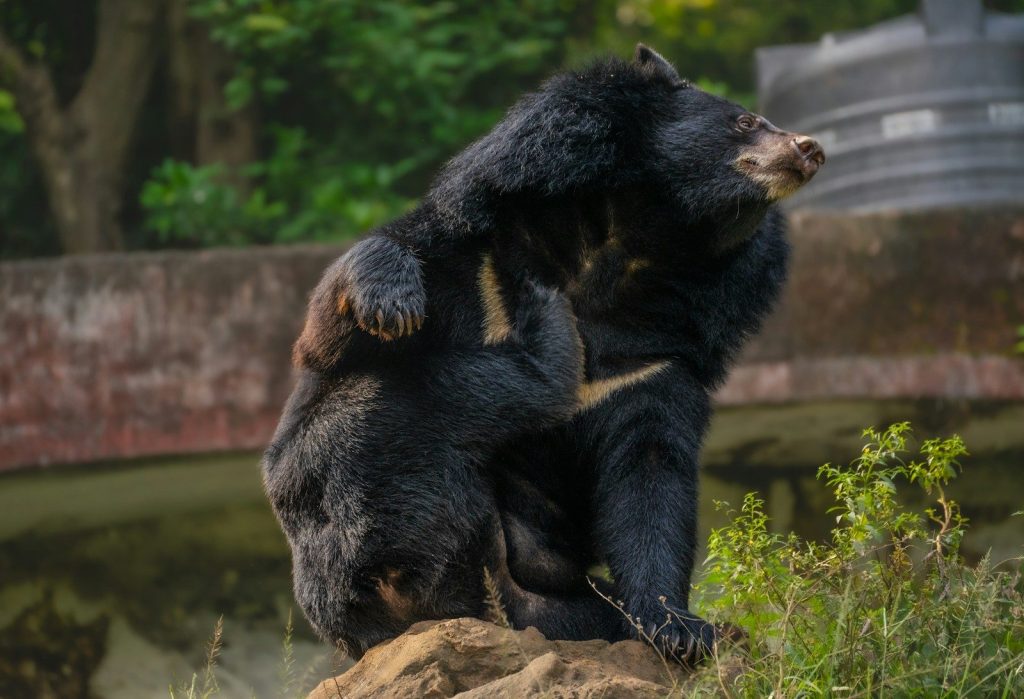
Native to South Asia, sloth bears are often underestimated because of their shaggy appearance and smaller size compared to brown bears.
In reality, they are considered highly unpredictable and aggressive when startled. Many attacks occur when humans accidentally encounter them in forests or dense vegetation.
Experts say their defensive behavior can make them especially dangerous in sudden close range encounters.
Environment Changes Everything
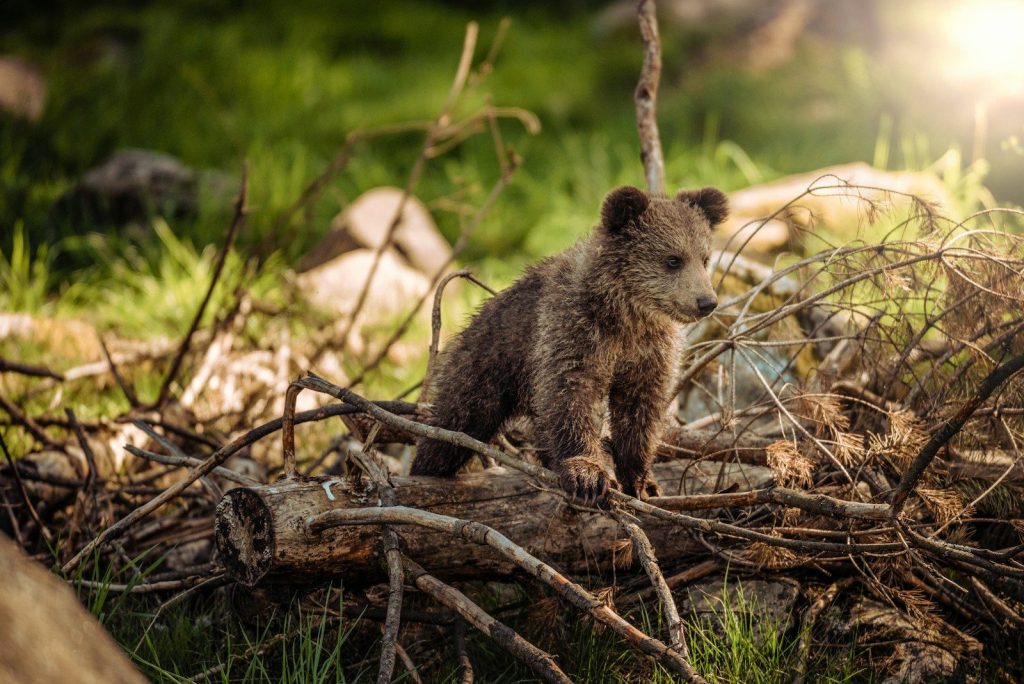
Bear behavior can vary dramatically depending on food availability, season, and habitat conditions.
A bear defending cubs, protecting a carcass, or struggling to find food may behave far differently than one encountered during normal conditions.
This is why wildlife experts caution against oversimplifying bear rankings based purely on size or reputation.
Most Bears Prefer Avoiding Humans
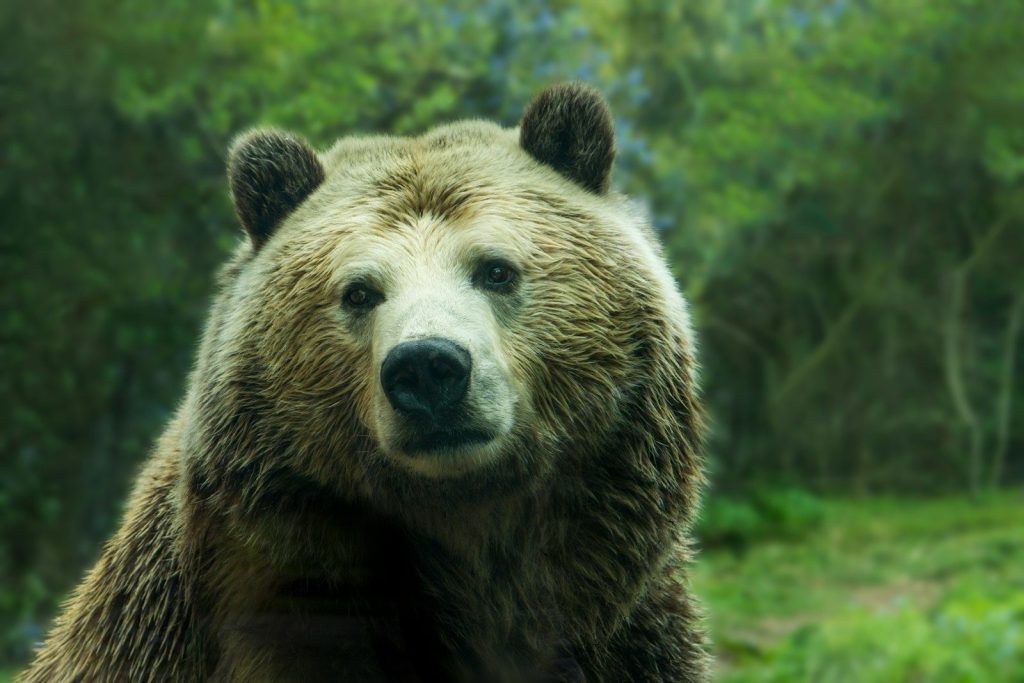
Despite their fearsome reputations, most bear species do not actively seek conflict with people.
Wildlife officials consistently stress that safe behavior, proper food storage, and respecting animal space dramatically reduce the chances of dangerous encounters.
Still, when large predators are involved, even rare attacks can become deadly very quickly.