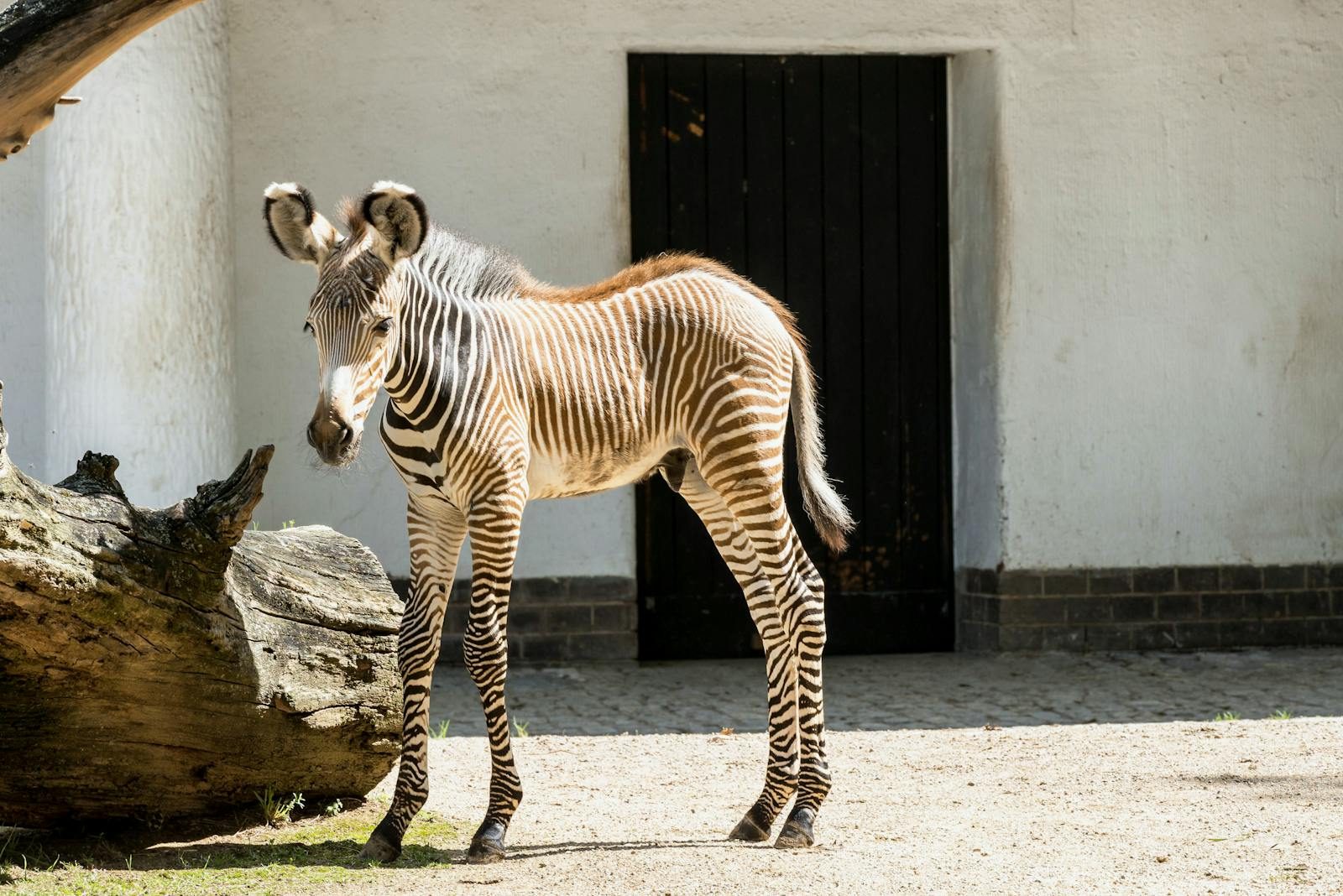
Most people recognize zebras instantly thanks to their bold black-and-white stripes. But long ago, another unusual equine once roamed South Africa that looked strikingly different from the zebras we know today.
This was the quagga, a subspecies of plains zebra that vanished in the 19th century after centuries of pressure from human activity. Its extinction remains one of the most well-documented losses of a large mammal in modern history.
A Zebra With a Very Different Look
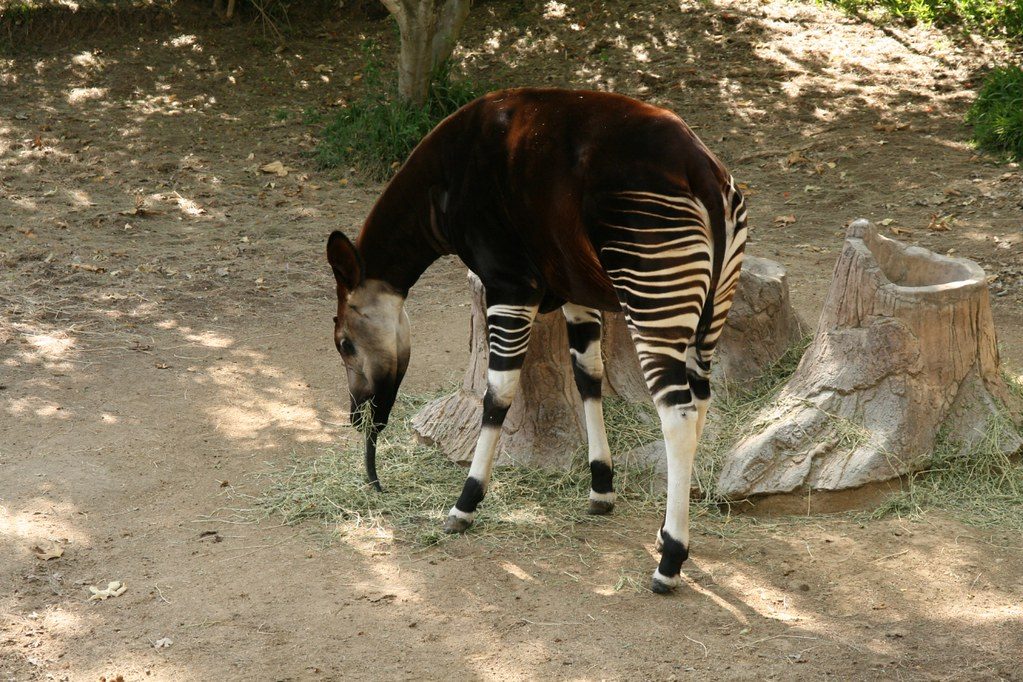
The quagga was a subspecies of the plains zebra that diverged genetically around 140,000 years ago. Unlike fully striped zebras, it had stripes only on its head and upper neck, while the rest of its body was a solid brown color.
It was also slightly larger and stockier than modern zebras, reaching about eight feet in length and standing around 4.5 feet tall. This unique appearance often led early observers to mistake it for a hybrid between a horse and a zebra.
Life on the South African Grasslands
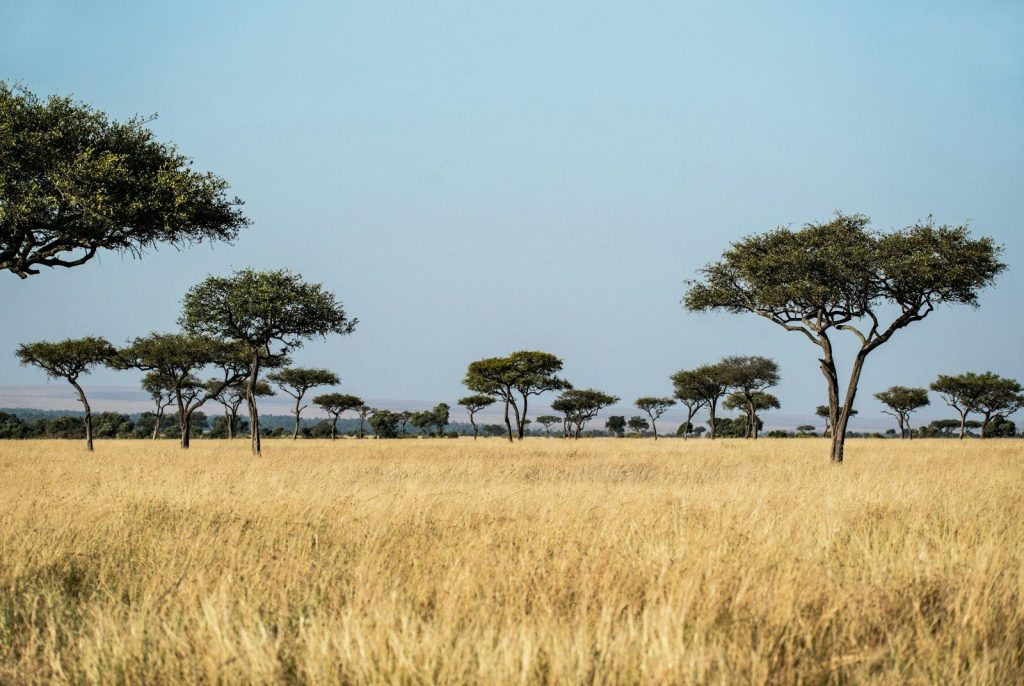
Quaggas once roamed in large herds across the grasslands and savannas of South Africa. These herds could include 30 to 50 individuals that moved together across relatively stable territories.
They were herbivores that fed mainly on grasses and lived alongside other grazing animals. While they faced natural predators such as lions, hyenas, and leopards, their group behavior helped them stay alert and protected.
How European Settlement Changed Everything

The arrival of European settlers in the 1600s marked a turning point for quagga populations. Dutch settlers hunted them for meat and to reduce competition with livestock for grazing land.
Later, British colonists continued the same practices, expanding agriculture and intensifying hunting pressure. Quaggas were also killed for their hides, which were used in trade and leather production.
A Rapid Path to Extinction
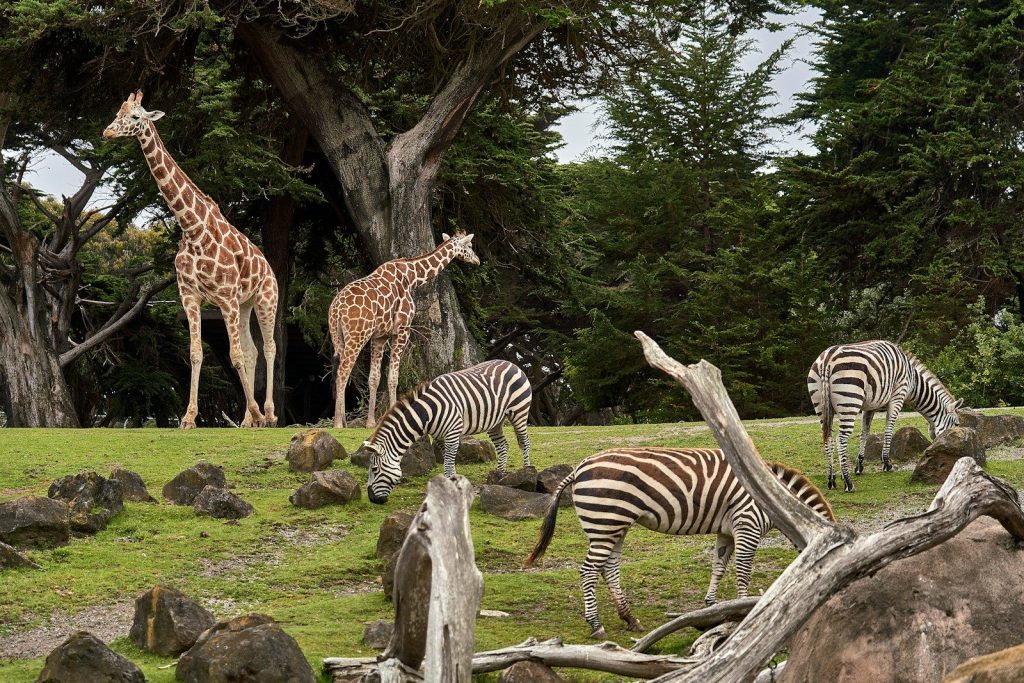
As hunting and habitat loss increased, quagga numbers collapsed within just a few centuries. By the late 1800s, they had already disappeared from the wild.
The last known quagga died in captivity at the Artis Zoo in Amsterdam in 1883. At the time, scientists did not recognize them as a unique subspecies, which meant no conservation efforts were made to protect them.
Rediscovering the Quagga Through Science
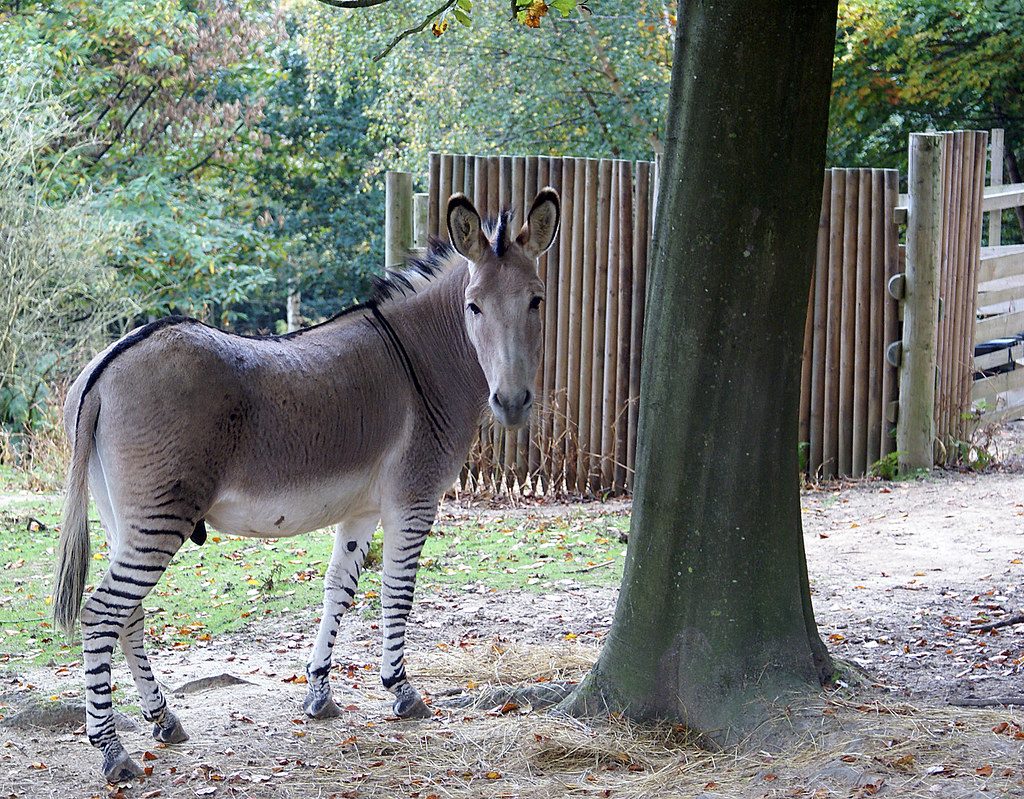
More than a century later, advances in genetics revealed just how unique the quagga really was. In 1984, scientists successfully extracted and analyzed its DNA from preserved museum specimens.
The results confirmed that quaggas were closely related to plains zebras, but had limited genetic variation. This discovery sparked interest in the possibility of recreating animals with similar physical traits.
The Quagga Project and De-Extinction Efforts
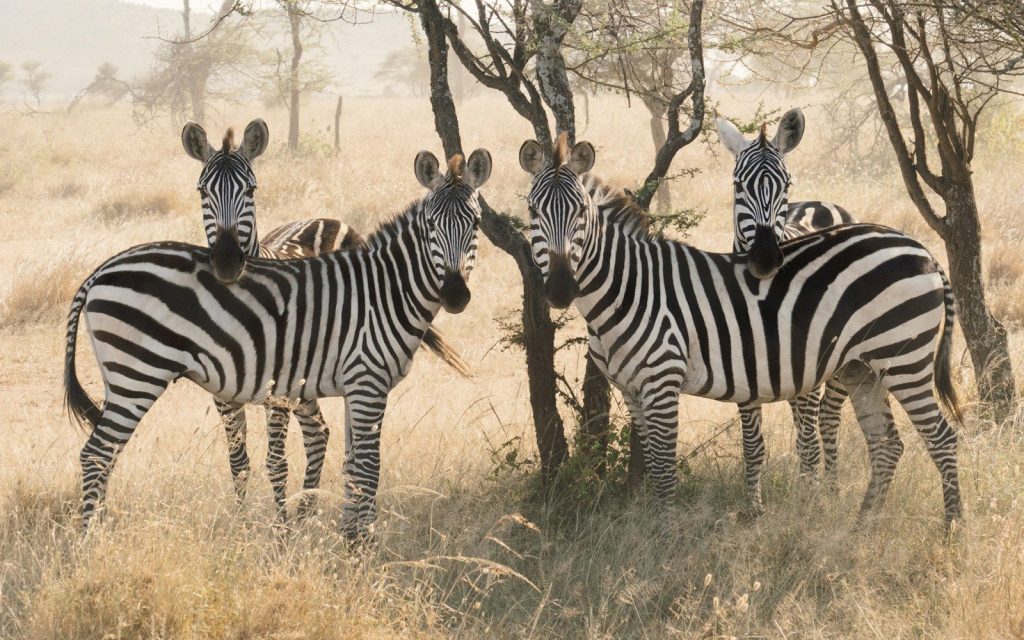
The Quagga Project was launched with the goal of selectively breeding plains zebras that resemble the extinct quagga. Over time, breeders have produced zebras with reduced striping patterns similar to historical descriptions.
However, the project remains controversial. Critics argue that these animals are not true quaggas genetically, but rather selectively bred zebras that only resemble them in appearance.