The beach may look calm and relaxing, but beneath the waves and along the shoreline lives a surprising variety of wildlife. While most encounters are harmless, some animals can cause painful or even dangerous injuries if you get too close. Knowing what to watch for can help keep your seaside trip safe.
Hidden Dangers Beneath the Waves
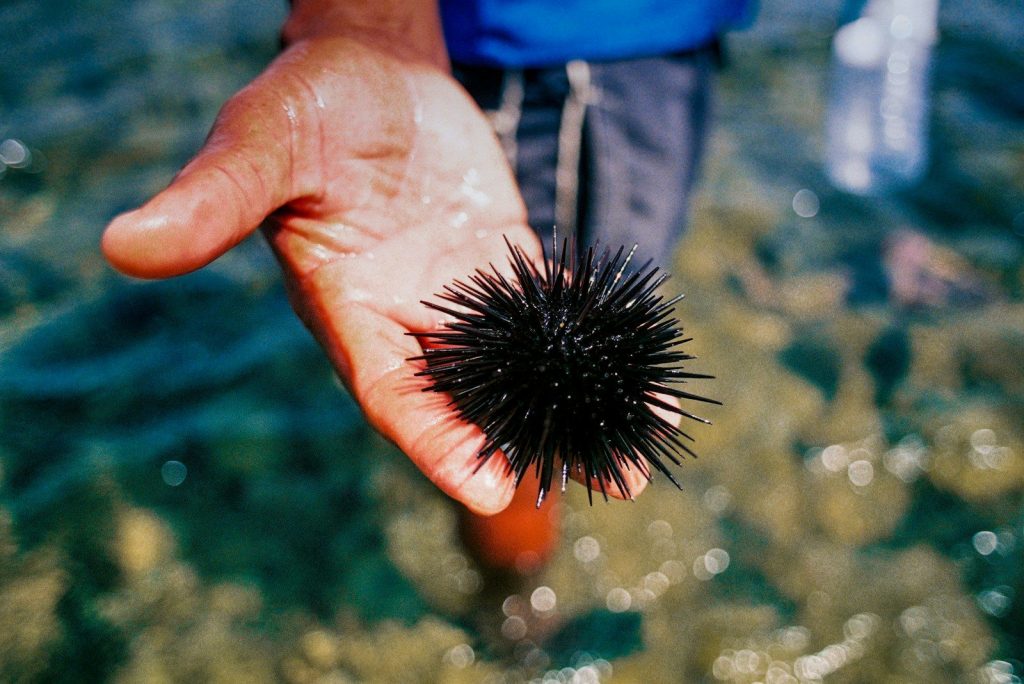
Many of the most dangerous beach animals are not obvious at first glance. Creatures like jellyfish, sea urchins, and stingrays often blend into their surroundings, making them easy to step on or brush against by accident.
Jellyfish can deliver painful stings through their tentacles, even when washed up on shore. Sea urchins hide in rocky areas and can puncture skin with sharp spines. Stingrays often bury themselves in sand, and stepping on one can trigger a painful defensive sting.
Beautiful but Venomous Creatures
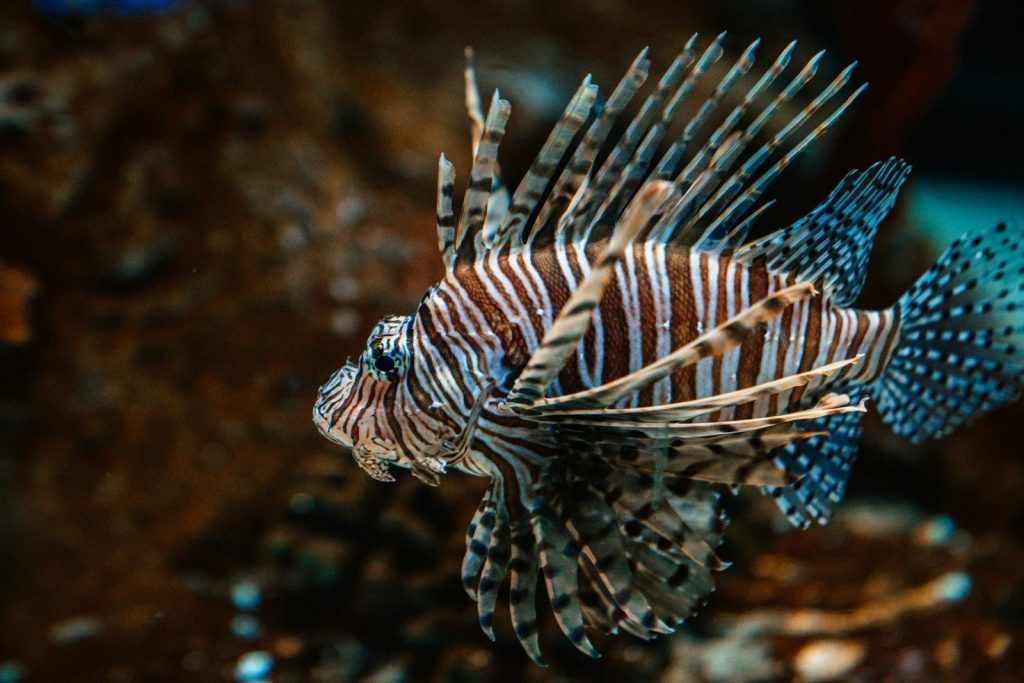
Some of the ocean’s most striking animals are also among the most dangerous. Lionfish, for example, are known for their colorful fins and elegant appearance, but their spines contain venom that can cause intense pain and swelling.
Blue-ringed octopuses are even more dangerous despite their small size. Their venom is powerful enough to affect the nervous system, and they are best left completely undisturbed. These animals remind beachgoers that beauty in nature does not always mean safety.
Creatures That Blend into the Environment
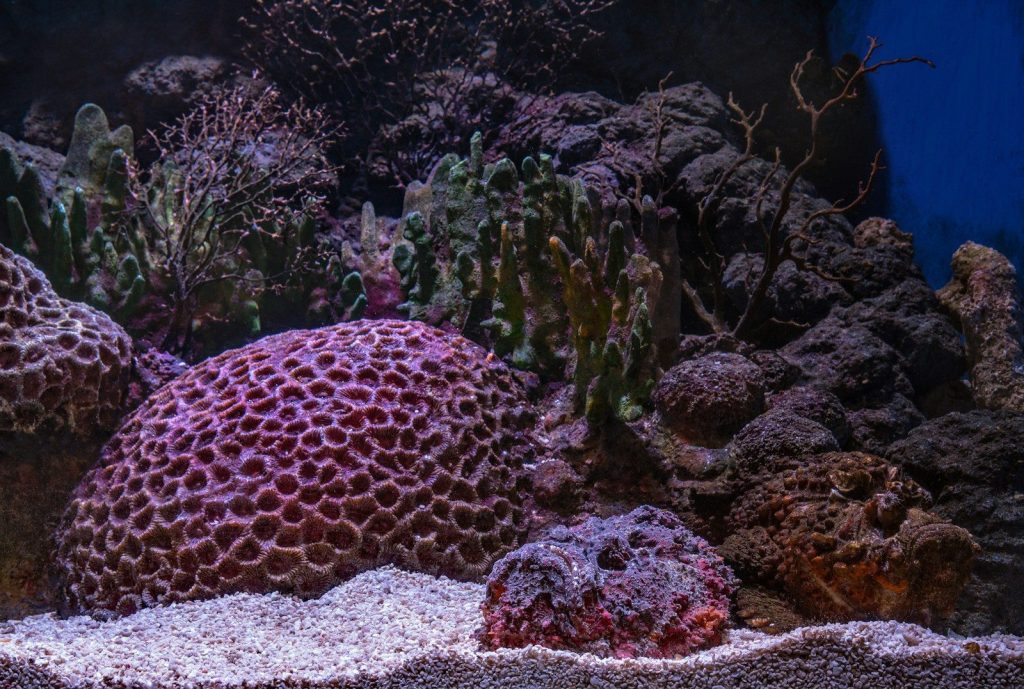
Camouflage is one of the most effective survival tools in nature, but it can be risky for humans. Stonefish are masters of disguise, often looking like ordinary rocks on the ocean floor. Accidentally stepping on one can lead to a severe sting.
Cone snails, found in tropical waters, also appear harmless due to their decorative shells. However, they can inject venom through a harpoon like tooth if handled. These animals show why it is important not to pick up unfamiliar marine life.
Unexpected Risks in Shallow Waters
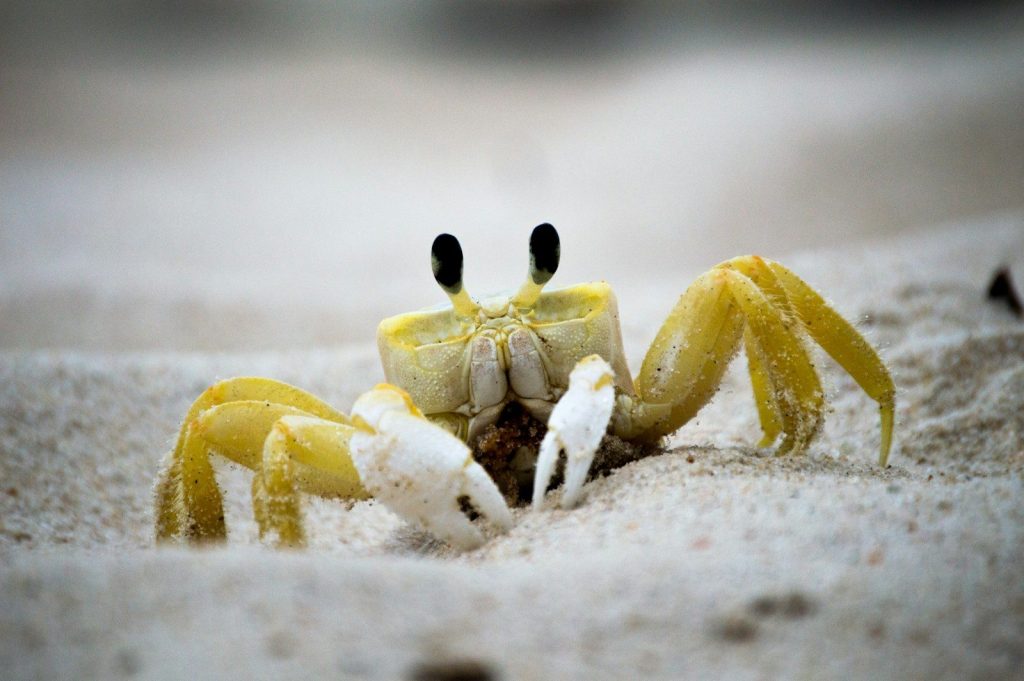
Not all dangerous encounters happen far out at sea. Many occur right at the shoreline where people walk, swim, or play. Sand flies and small crustaceans can cause irritating bites, while sea lice may trigger skin reactions in swimmers.
Even tiny organisms can cause discomfort when conditions are right. Warm, shallow waters create ideal environments for these creatures, especially during peak beach seasons. Simple precautions like wearing protective footwear and rinsing off after swimming can help reduce risks.
Why Most Beach Wildlife Avoids Humans
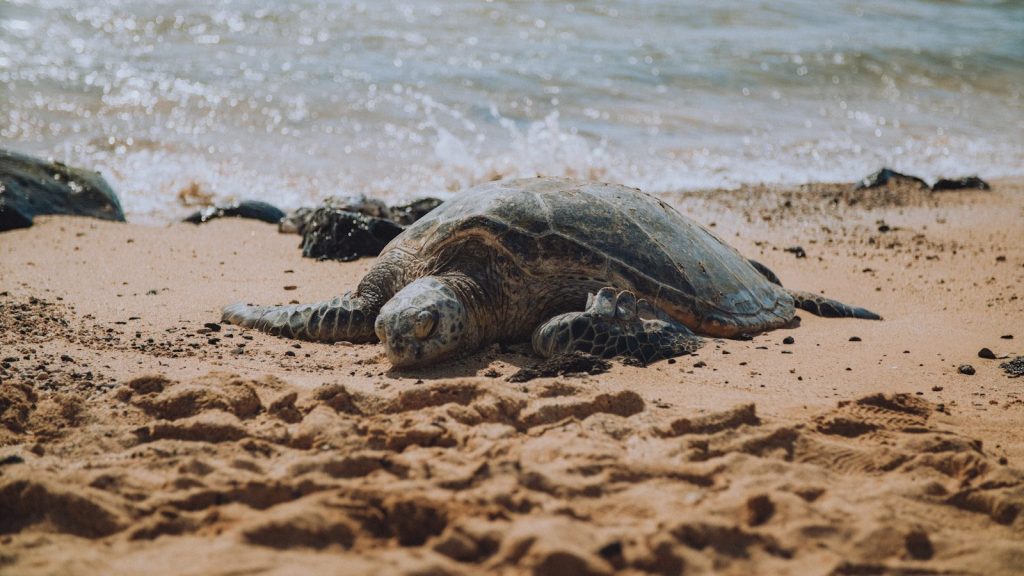
Despite the presence of dangerous species, most marine animals do not actively seek out humans. In fact, many attacks or injuries happen only when animals feel threatened or are accidentally disturbed.
Sharks, for example, are often feared, but they rarely interact with people. Most prefer to avoid contact altogether and only approach when confused or curious. Understanding this helps put beach dangers into perspective.
Staying Safe at the Shoreline
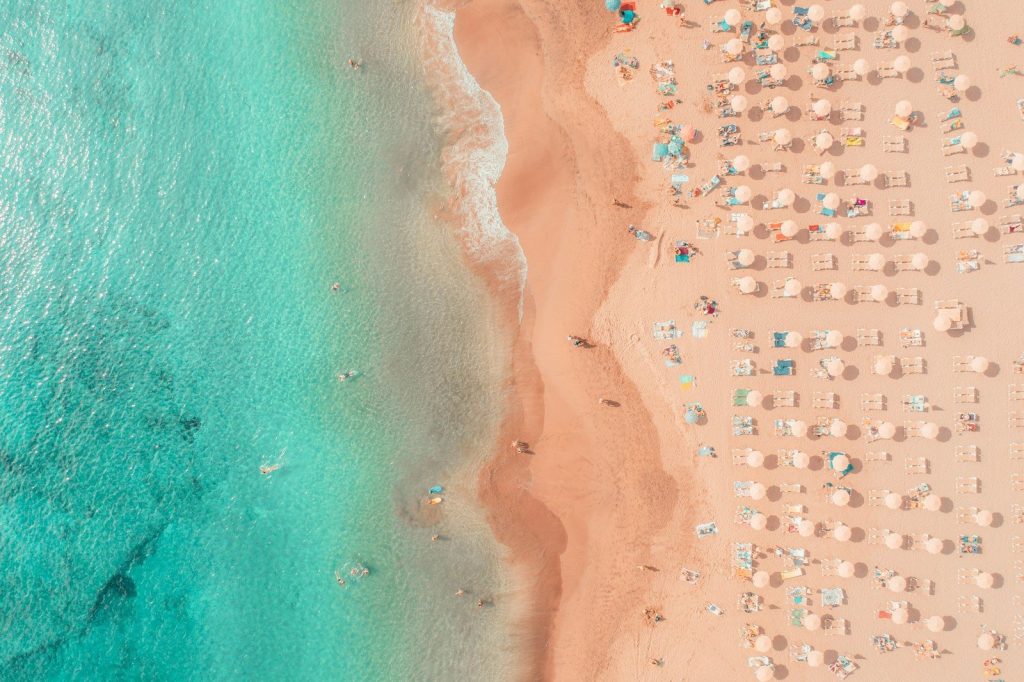
The key to staying safe at the beach is awareness rather than fear. Watching where you step, avoiding touching unknown animals, and following local safety warnings can prevent most accidents.
Experts often recommend simple habits like shuffling feet in shallow water to avoid stingrays or wearing water shoes in rocky areas. Respecting wildlife from a distance is the best way to enjoy the ocean safely.
Respecting Nature While Enjoying the Beach

The beach is home to a rich and complex ecosystem filled with fascinating creatures. While some can be dangerous, they all play important roles in maintaining balance in marine environments.
By observing carefully and keeping a respectful distance, humans can safely share these spaces with wildlife. Awareness allows us to enjoy the beauty of the ocean while avoiding unnecessary risks.