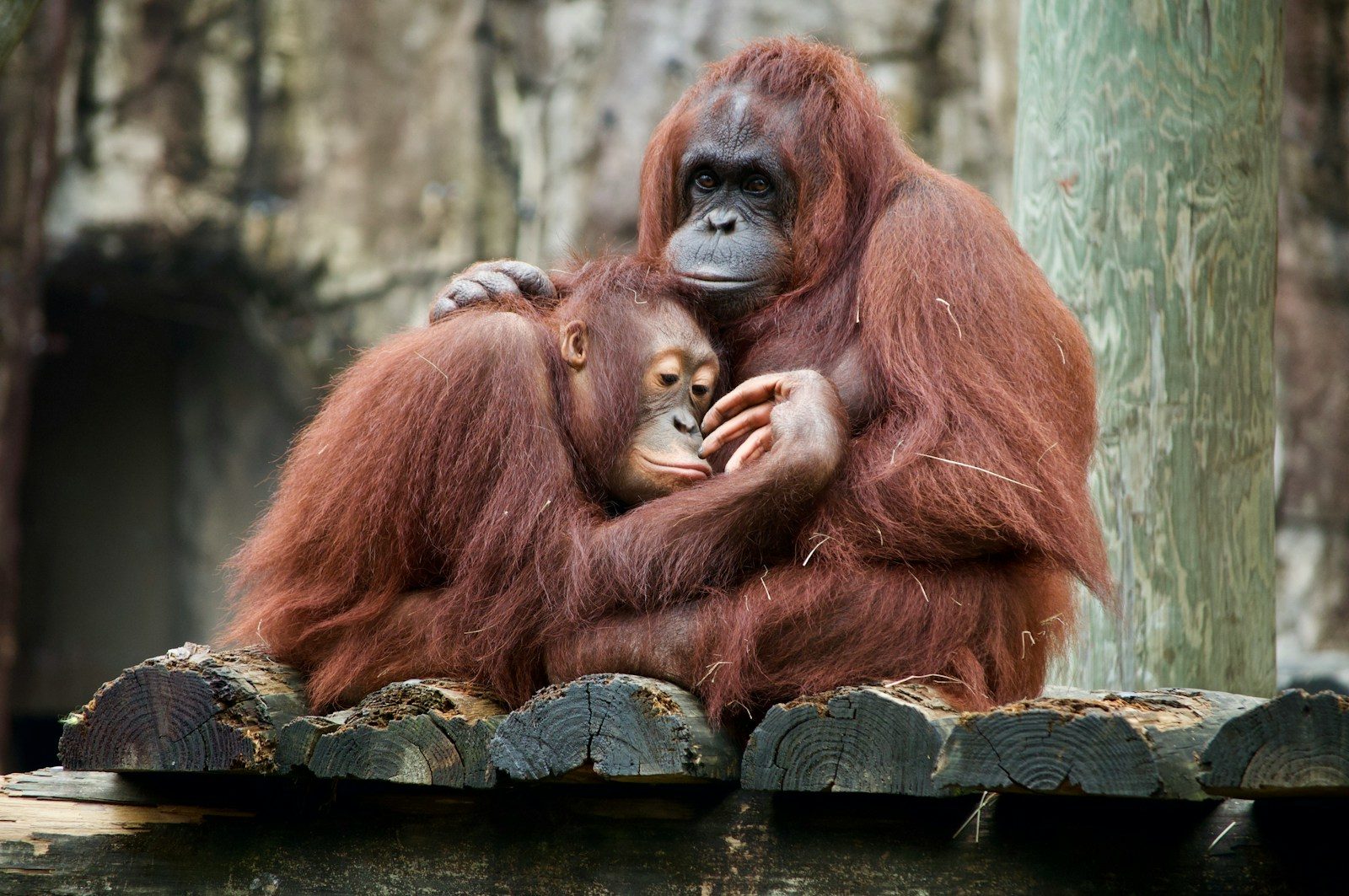
In the wild, survival is not guaranteed. For many animals, raising young is one of the most dangerous and demanding tasks, requiring constant vigilance, sacrifice, and instinct-driven protection.
From fierce predators to tiny amphibians, the animal kingdom is full of parents that go to extraordinary lengths to keep their offspring alive.
Parental Care Comes in Many Forms
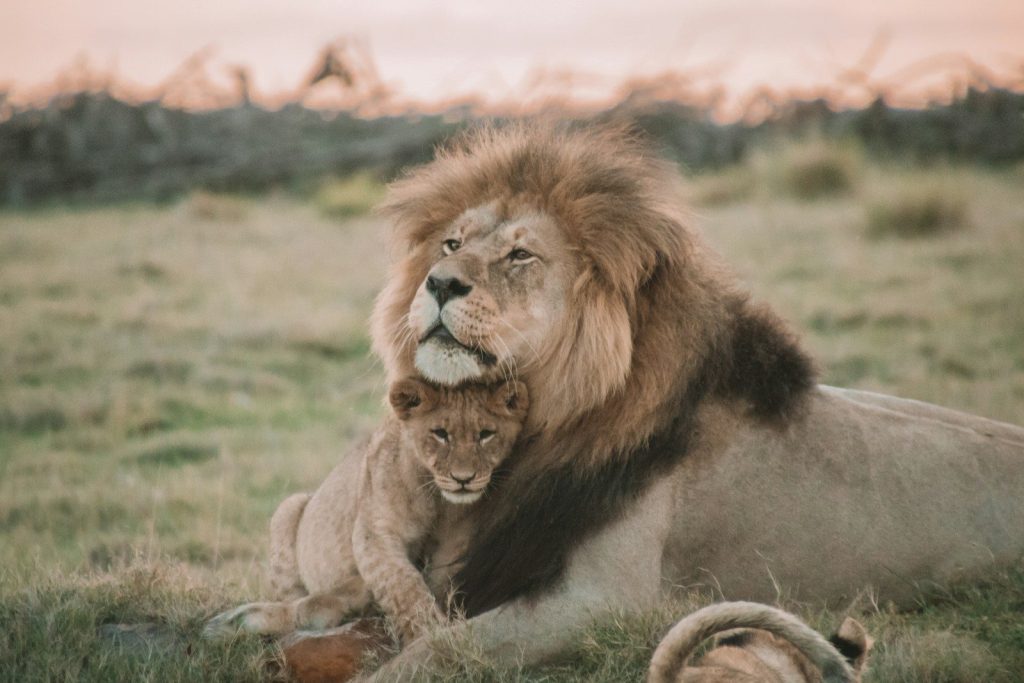
Parental care in animals can include feeding, guarding, teaching, or physically carrying young to safety. While some species abandon their offspring soon after birth, others invest heavily in ensuring survival.
This behavior increases the chances of offspring reaching adulthood. It also plays a major role in how species evolve and adapt over time.
Poison Dart Frogs Are Tiny but Devoted
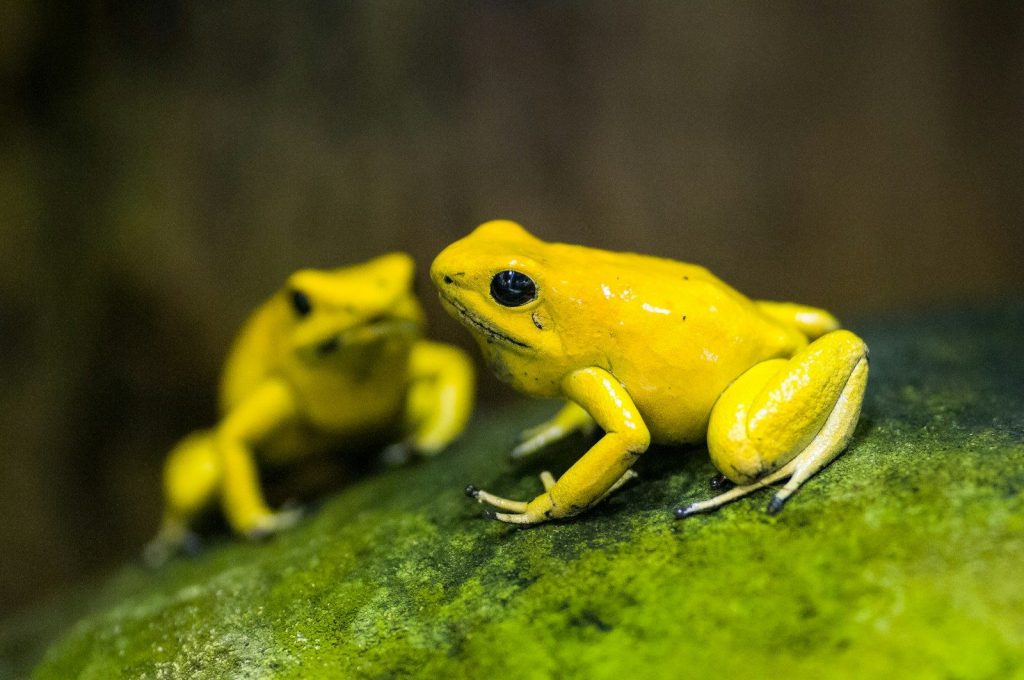
Despite their toxic reputation, poison dart frogs are among the most attentive parents in nature. Males guard eggs carefully and protect them from predators and environmental threats.
Once the eggs hatch, fathers carry tadpoles on their backs to safe water sources. In some species, mothers also return to feed their young unfertilized eggs, showing rare cooperation between parents.
Emperor Penguins Endure Extreme Conditions
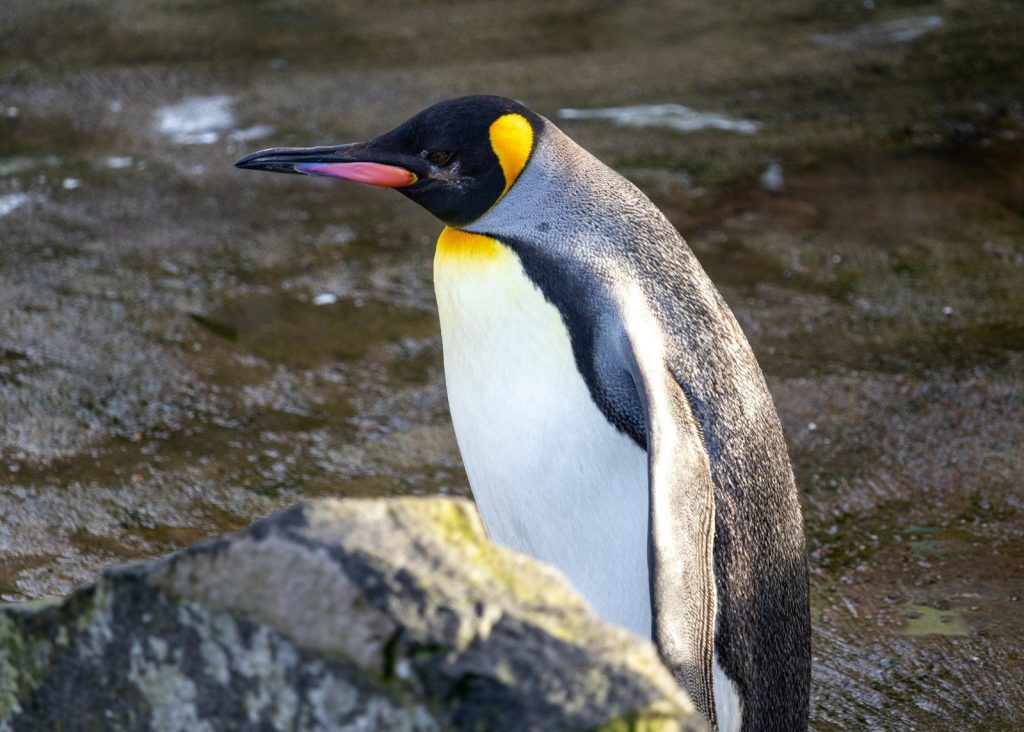
Emperor penguins are known for their remarkable parenting strategy in one of the harshest environments on Earth. After laying a single egg, the female transfers it to the male for incubation.
The males balance the egg on their feet and cover it with a brood pouch for warmth. During this time, they endure freezing Antarctic winds without eating for weeks.
Alligators Offer Surprising Protection
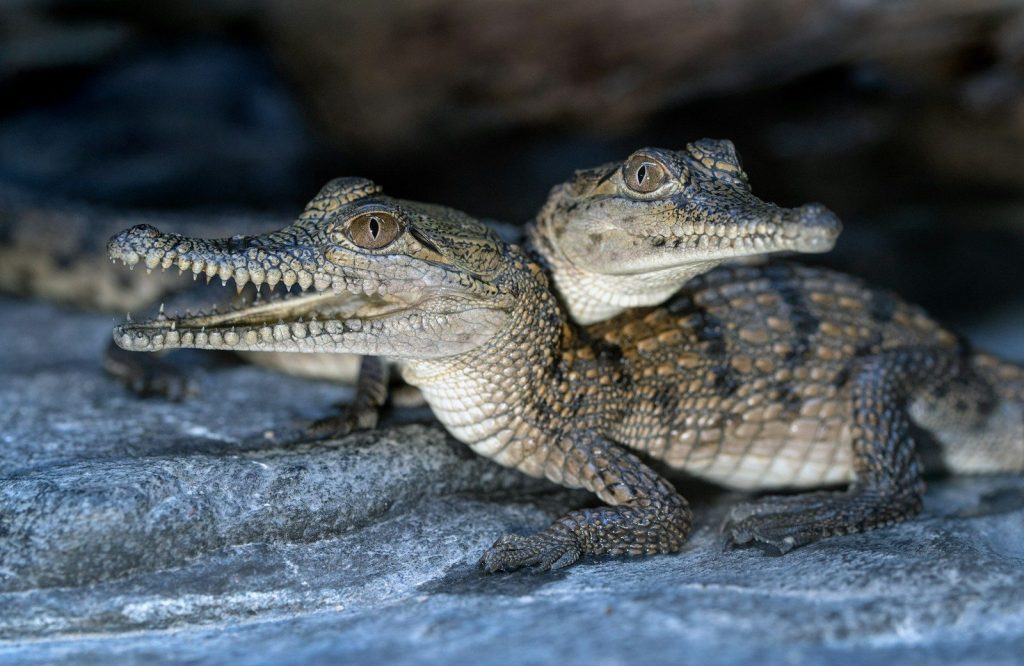
Although alligators are often seen as aggressive predators, they show strong parental instincts toward their young. Females build nests and guard them closely during incubation.
After hatching, mothers gently carry their babies in their mouths to protect them from danger. They continue to guard the young for several months, ensuring a safer start to life.
African Elephants Raise Calves as a Herd
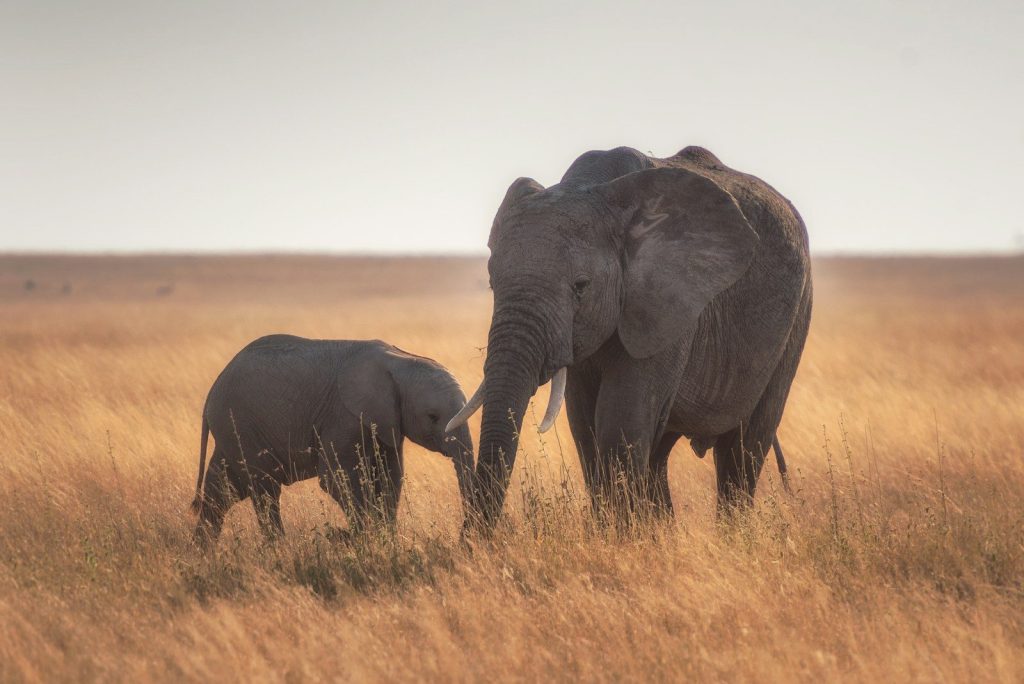
Elephants are highly social animals with strong family bonds that extend beyond individual mothers. Calves are raised within tightly knit herds where multiple females assist in caregiving.
Older elephants help guide and protect the young, teaching them survival skills. This collective parenting increases the calf’s chances of survival in the wild.
Wolves Rely on Pack Cooperation
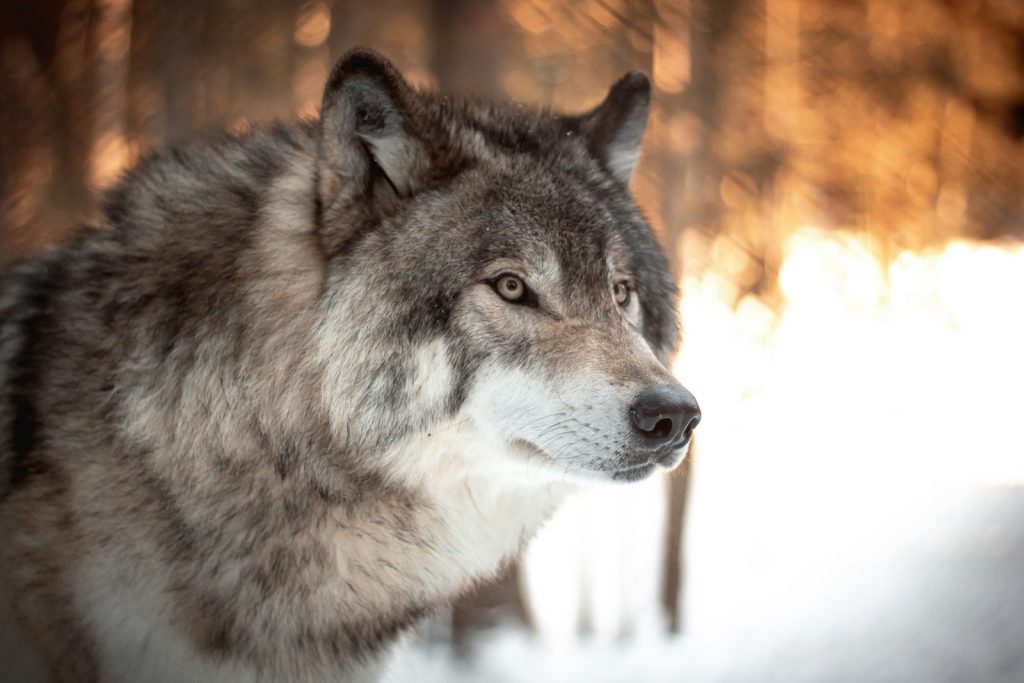
Wolf parents depend on the entire pack to help raise their pups. While the breeding pair cares for the newborns, other pack members bring food and help protect the den.
This cooperative system ensures that pups are well-fed and safe from predators. It also strengthens social bonds within the pack.
Why Parental Care Matters in Nature
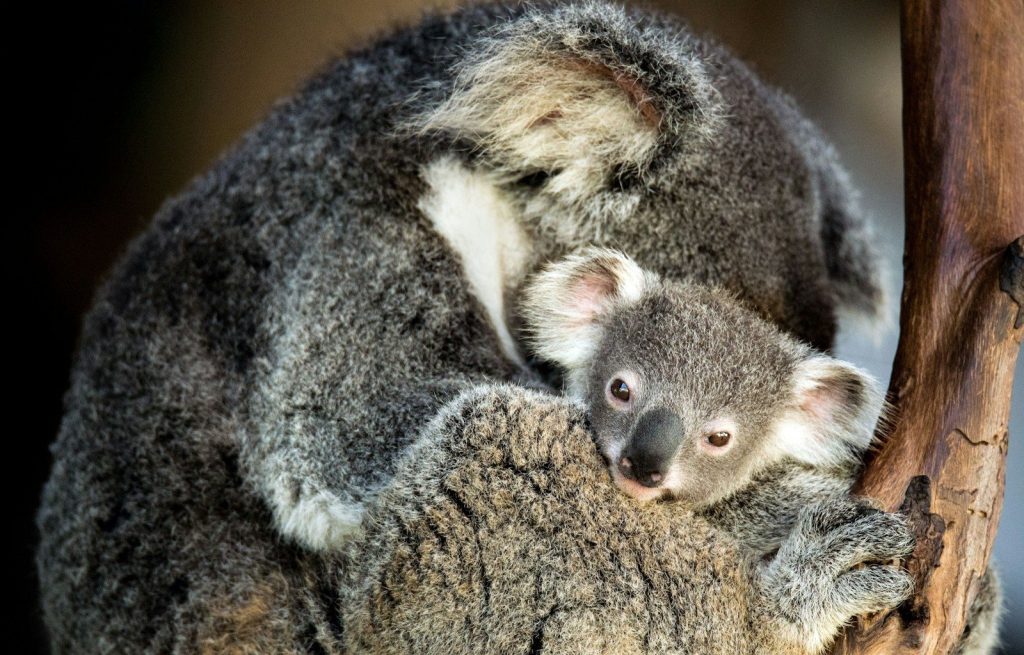
Parental care is a key survival strategy that shapes the success of many species. By investing time and energy into raising offspring, animals increase the likelihood of passing on their genes.
From frogs to mammals, parenting styles vary widely, but the goal remains the same: survival of the next generation. In the wild, the most protective parents often determine the future of their species.