
Wildlife populations are declining at an alarming rate across the globe, but some countries are experiencing especially rapid losses. In these regions, habitat destruction, poaching, and climate pressures are combining to push many species closer to extinction.
Brazil
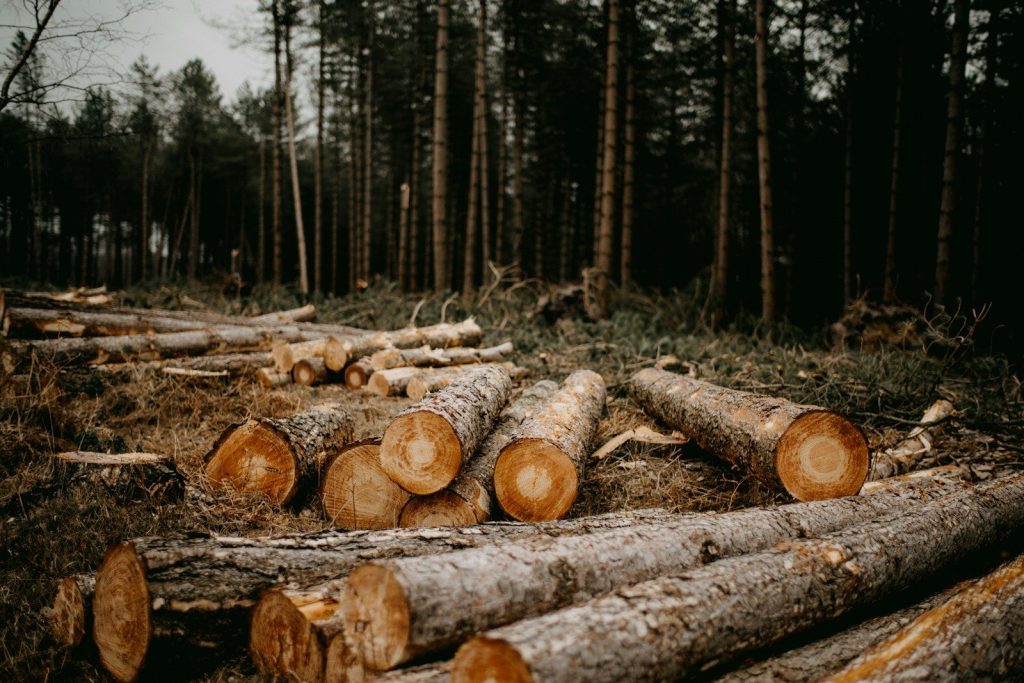
Brazil contains most of the Amazon rainforest, which is one of the most important ecosystems on Earth. This region supports thousands of animal species that depend on dense forest habitats to survive.
However, deforestation driven by agriculture, cattle ranching, and illegal logging is destroying large areas of the Amazon. As forests shrink, many endangered animals lose their shelter, food sources, and breeding grounds.
Indonesia
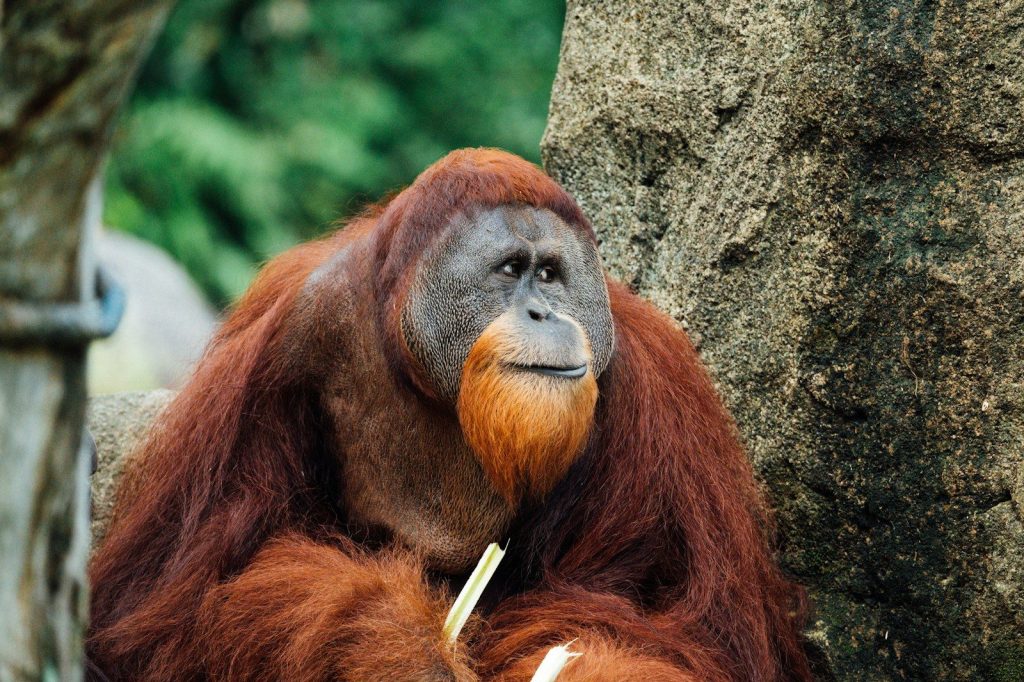
Indonesia is one of the world’s richest biodiversity hotspots, home to orangutans, tigers, rhinos, and countless other species. Many of these animals are found only on its islands and cannot survive anywhere else.
Unfortunately, large-scale palm oil plantations and illegal logging are rapidly reducing forest cover. Poaching also continues to threaten already fragile populations, especially for high-value wildlife species.
Democratic Republic of the Congo
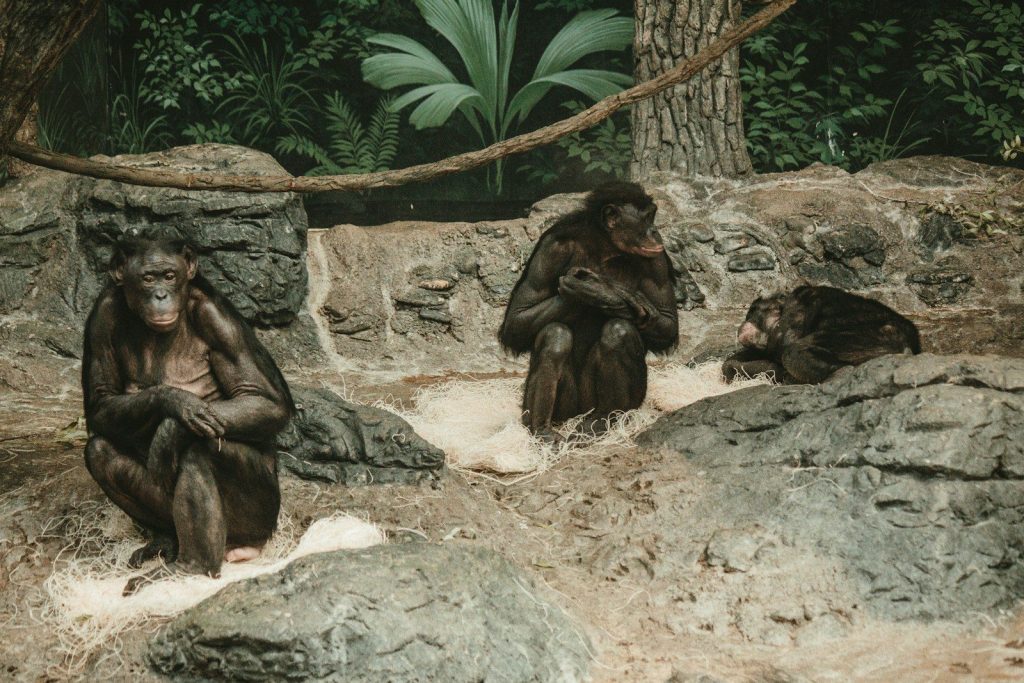
The Democratic Republic of the Congo contains the Congo Basin, the second-largest rainforest in the world. This region is critical for species like gorillas, bonobos, and forest elephants.
However, mining activities, deforestation, and armed conflict are placing severe pressure on wildlife habitats. Many protected areas are difficult to manage, making enforcement against poaching and illegal land use extremely challenging.
Madagascar
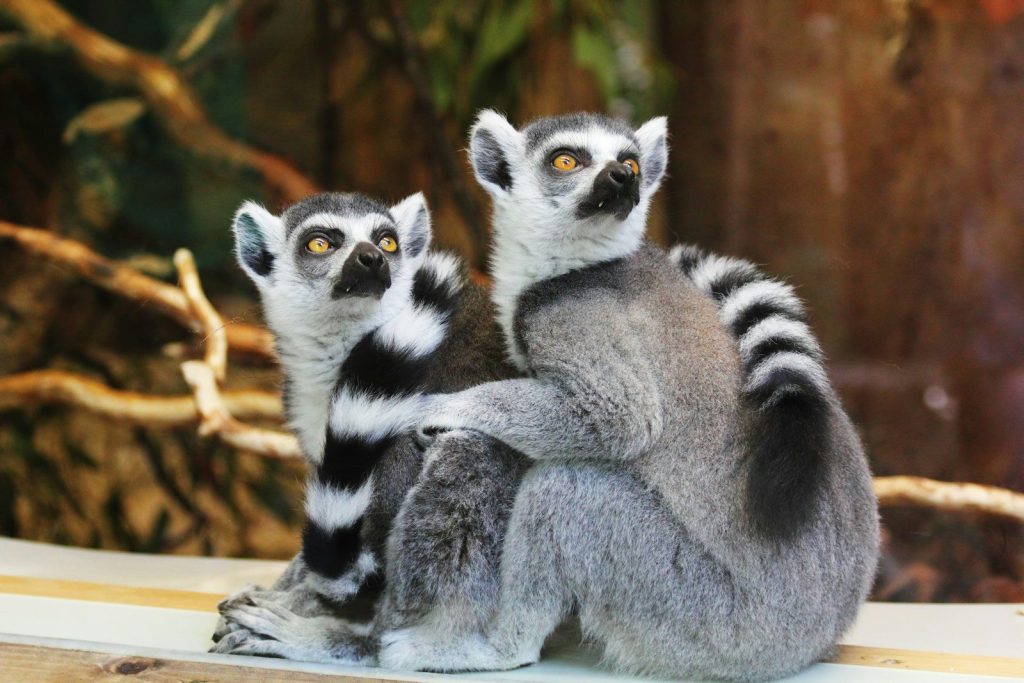
Madagascar is famous for its unique wildlife, with most species found nowhere else on Earth. Lemurs are among the most well-known animals native to the island.
But widespread habitat destruction is pushing many species toward extinction. Slash-and-burn agriculture, charcoal production, and deforestation are rapidly reducing the natural environments these animals depend on.
India

India has made significant progress in wildlife conservation efforts, especially with tiger recovery programs. National parks and protected reserves have helped stabilize some populations in recent decades.
Still, rapid urban expansion and agricultural growth continue to fragment natural habitats. Human-wildlife conflict is also increasing, particularly for elephants and other large mammals living near settlements.
Global Conservation Challenge
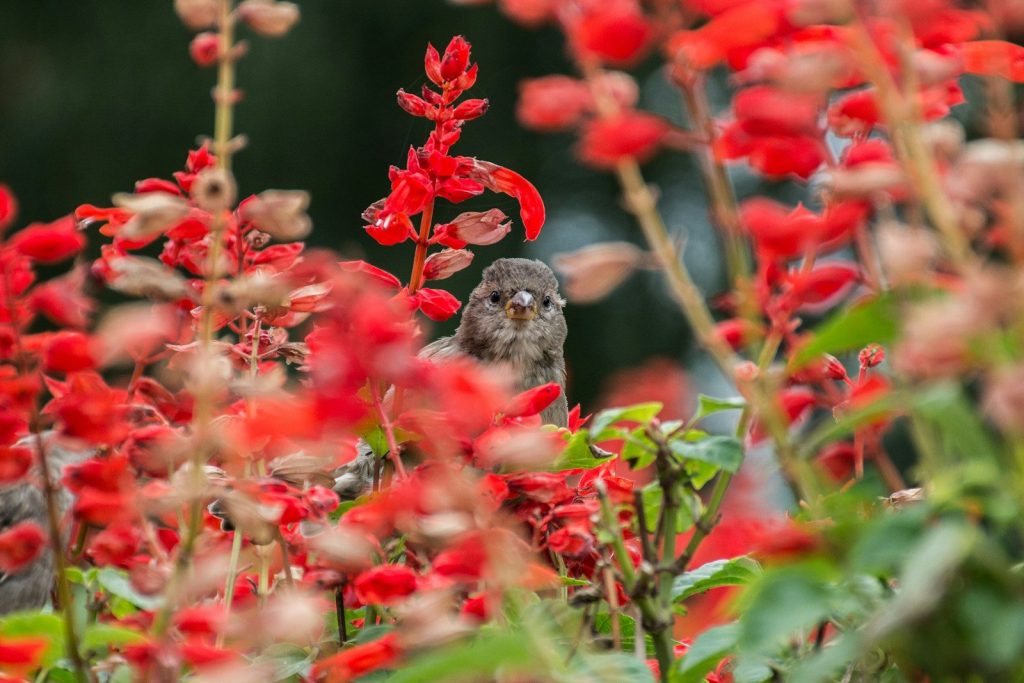
These countries represent some of the most urgent biodiversity hotspots in the world. The combination of human activity and environmental change is accelerating wildlife decline at an unprecedented scale.
Without stronger conservation policies and sustainable development practices, many endangered species may continue to disappear. Protecting these ecosystems is essential not only for wildlife but also for global ecological stability.