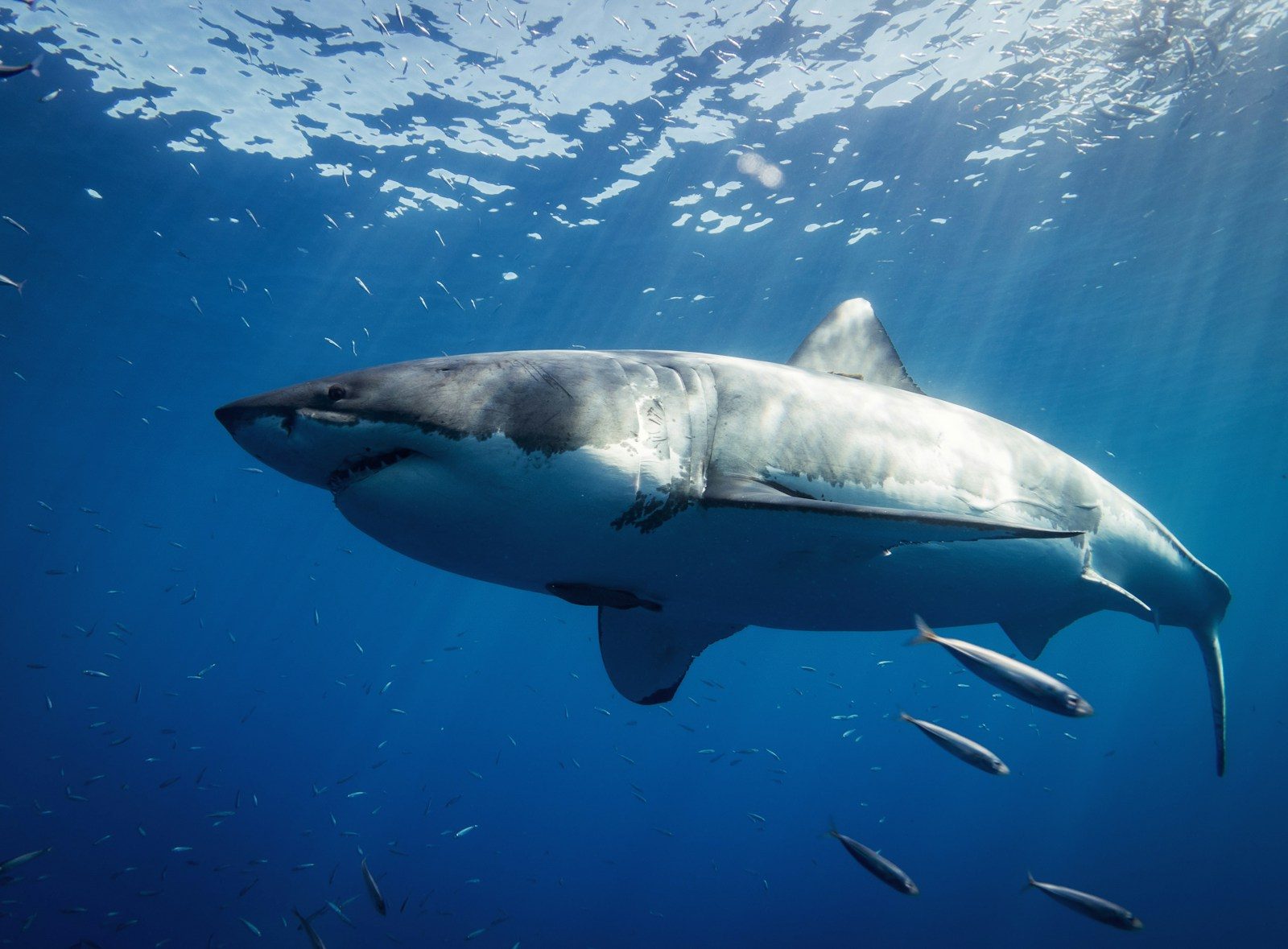
Great white sharks are often seen as the ultimate ocean predators. With their huge jaws, powerful bodies, and fearsome reputation, they dominate most people’s imagination when it comes to marine life. But the oceans — both past and present — contain creatures so enormous that they make great whites seem surprisingly small.
The Megalodon Was the Ultimate Ancient Shark
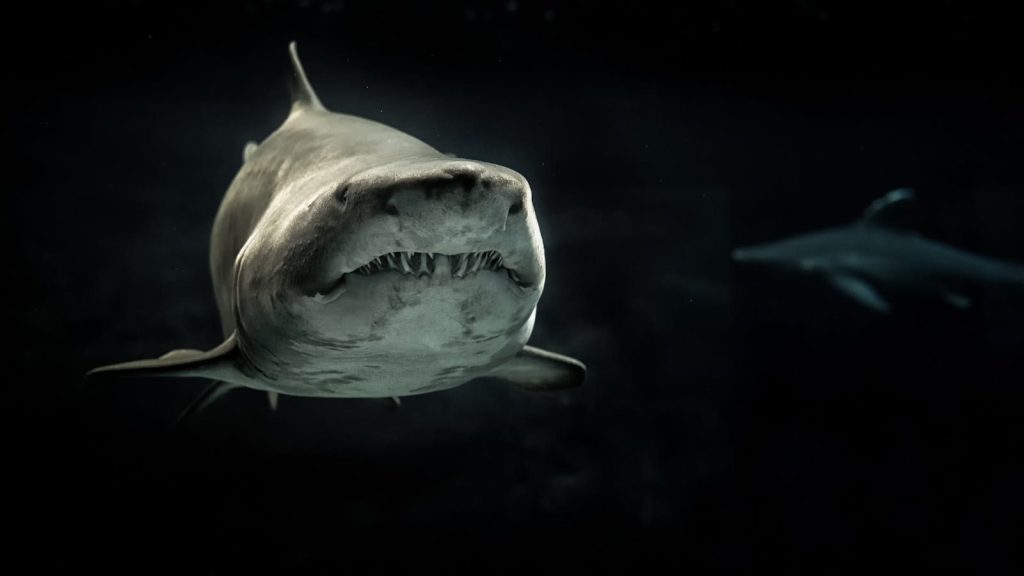
The megalodon remains one of the largest sharks ever discovered. Scientists estimate that this prehistoric predator may have reached lengths approaching 60 feet, making it several times larger than many modern great white sharks. Its enormous serrated teeth and crushing bite made it one of the most terrifying predators in Earth’s history.
Mosasaurs Ruled Ancient Seas
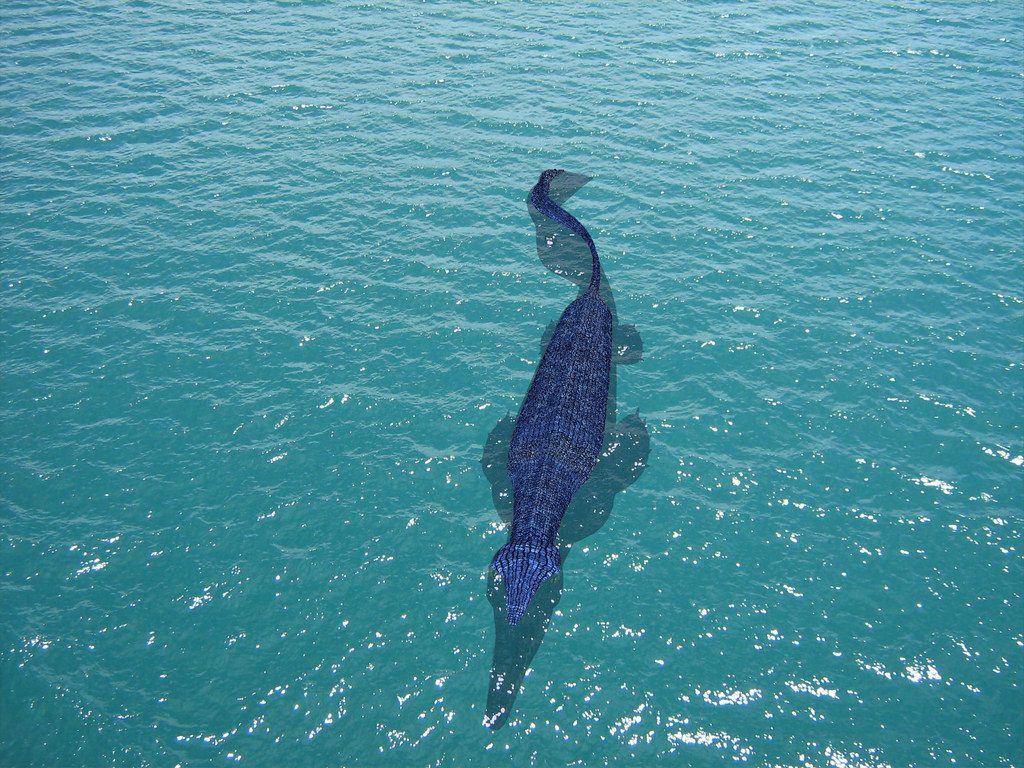
Long before modern sharks dominated the oceans, mosasaurs hunted through prehistoric seas. These giant marine reptiles could grow over 40 feet long and possessed powerful jaws filled with sharp teeth. Some species were so massive that researchers compared them to underwater versions of tyrannosaurs.
Whale Sharks Dwarf Great Whites
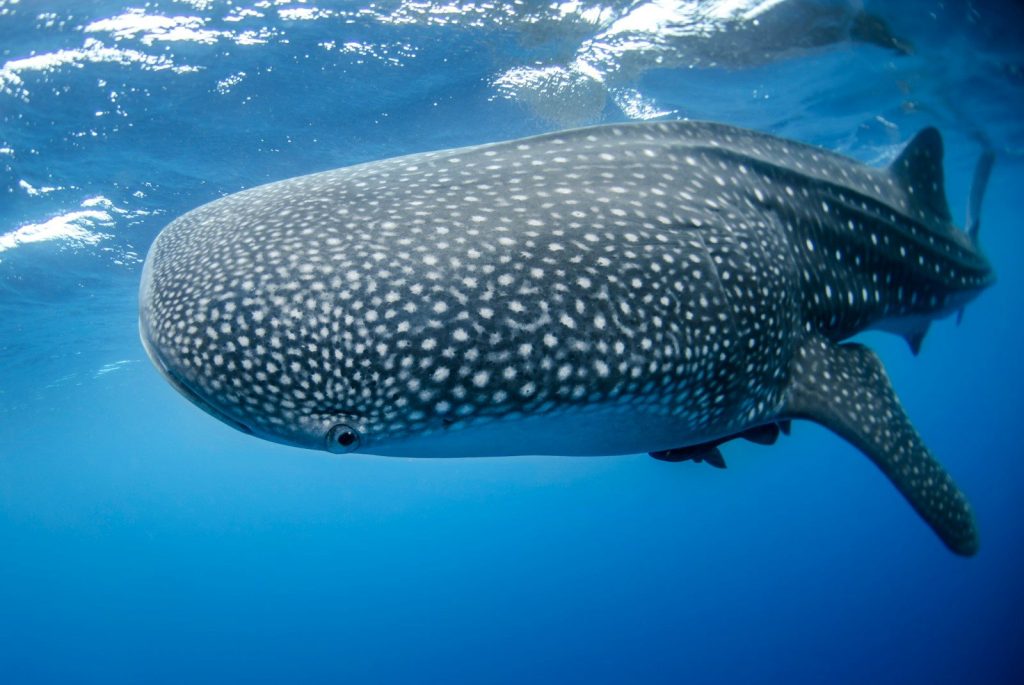
Despite being gentle filter feeders, whale sharks are far larger than great whites. These giants can exceed 40 feet in length and weigh many tons. Instead of hunting large prey, they slowly cruise through warm waters feeding on plankton and tiny marine organisms.
Basking Sharks Are Ocean Giants Too
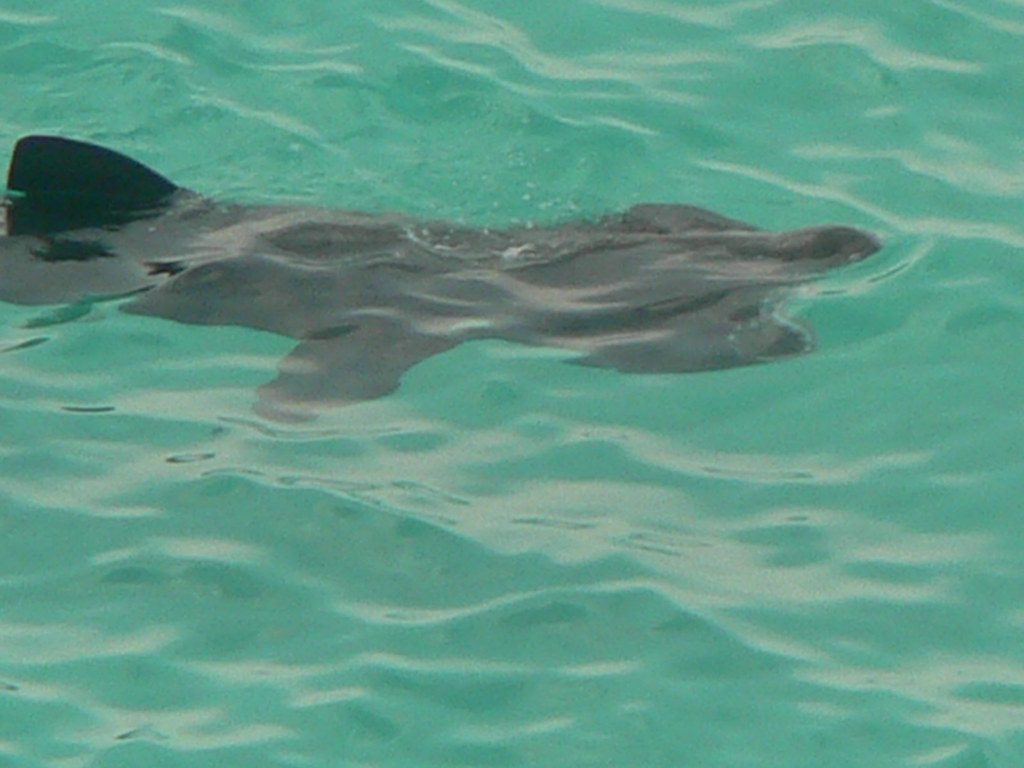
Basking sharks are another species that can outgrow great whites. Although they look intimidating because of their massive mouths, they are harmless filter feeders that spend much of their time near the ocean surface. Their enormous size often surprises divers who encounter them in the wild.
Livyatan Was a Giant Predator Whale
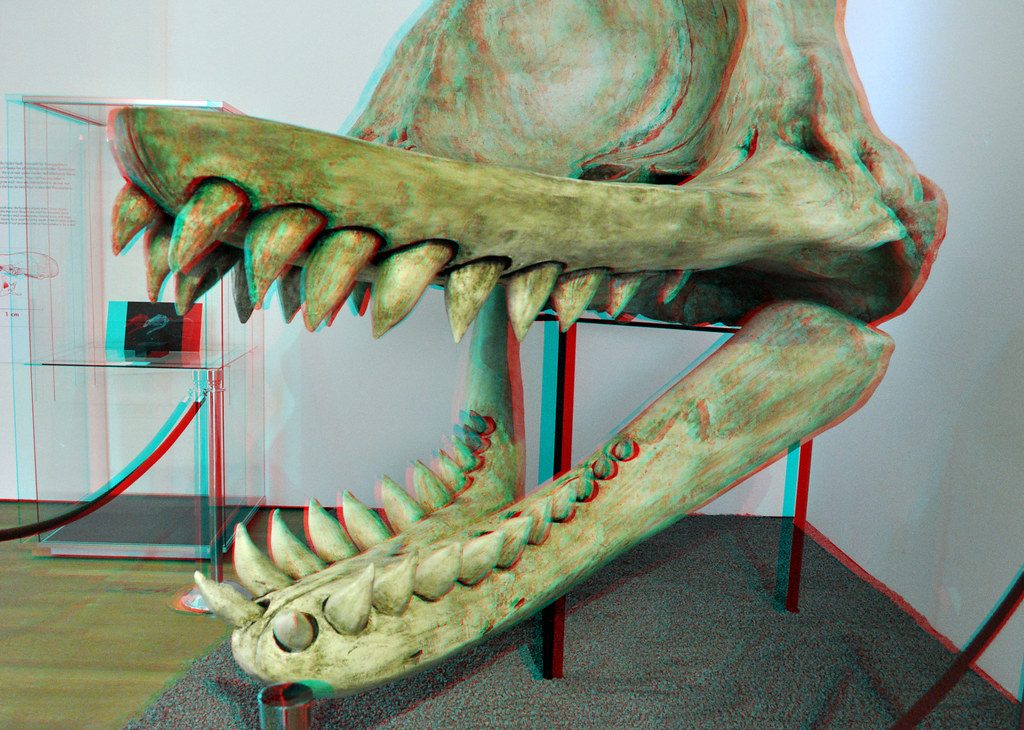
Livyatan was an ancient whale with enormous teeth capable of hunting large prey. Unlike modern sperm whales that mainly eat squid, this extinct predator likely targeted other marine mammals. Its giant skull and powerful bite made it one of the most formidable predators of prehistoric oceans.
Blue Whales Make Every Predator Look Small
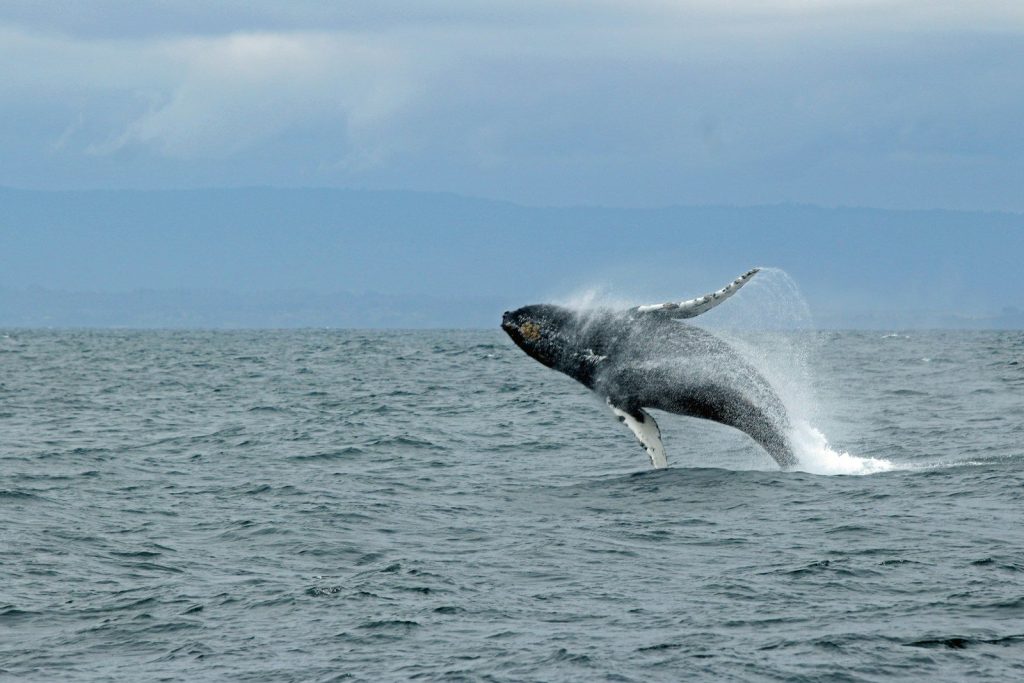
Even the biggest sharks cannot compete with the sheer size of blue whales. As the largest animals ever known to exist, blue whales can grow longer than a basketball court and weigh far more than any shark species alive today. Despite their massive size, they survive almost entirely on tiny krill.
Great Whites Are Still Incredible Predators
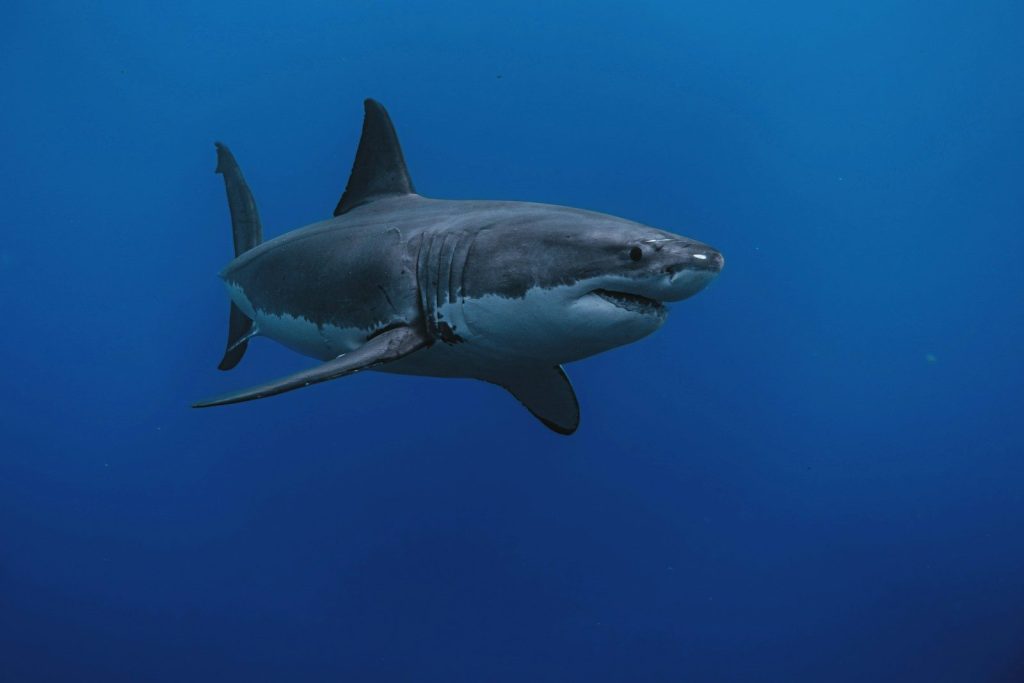
Although larger sea creatures exist, great white sharks remain among the ocean’s most impressive hunters. They are the largest predatory fish alive today and possess remarkable speed, intelligence, and hunting ability. Scientists continue studying them because much about their behavior and migration remains mysterious.