Great white sharks are among the ocean’s most powerful predators, but despite their fame, you’ll almost never find them in aquariums. Over the years, scientists and marine experts have tried to keep them in captivity, but the results have consistently failed. Here are the main reasons why.
They Need Huge Open Oceans to Survive
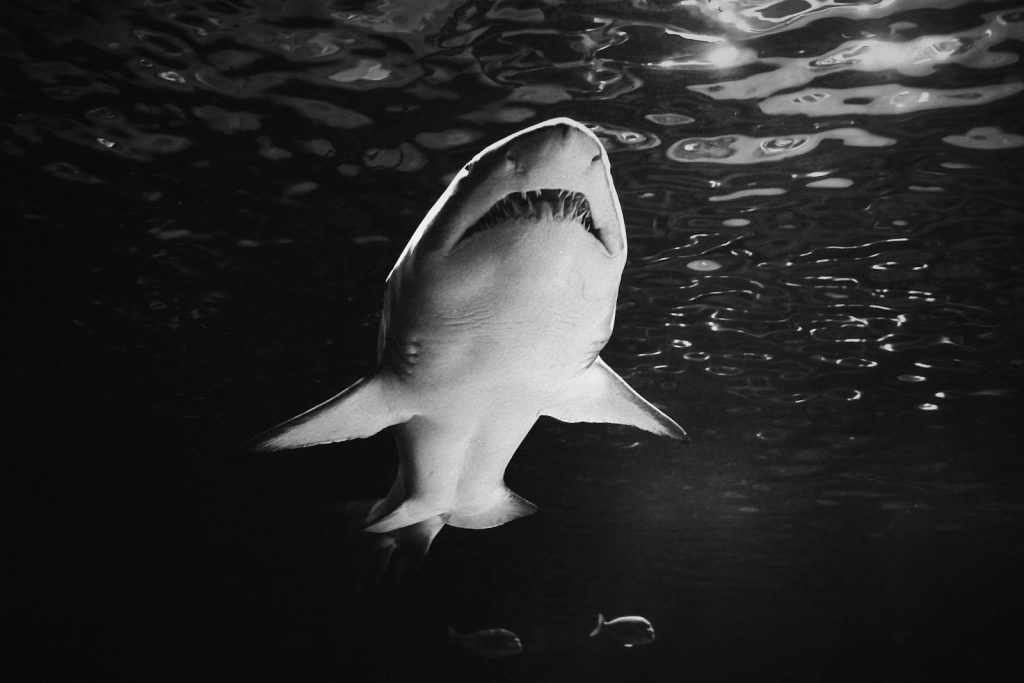
Great whites are built for long-distance travel across vast open waters. Even the largest tanks cannot replicate the endless space they naturally need, making captivity highly unsuitable.
They Stop Eating in Captivity
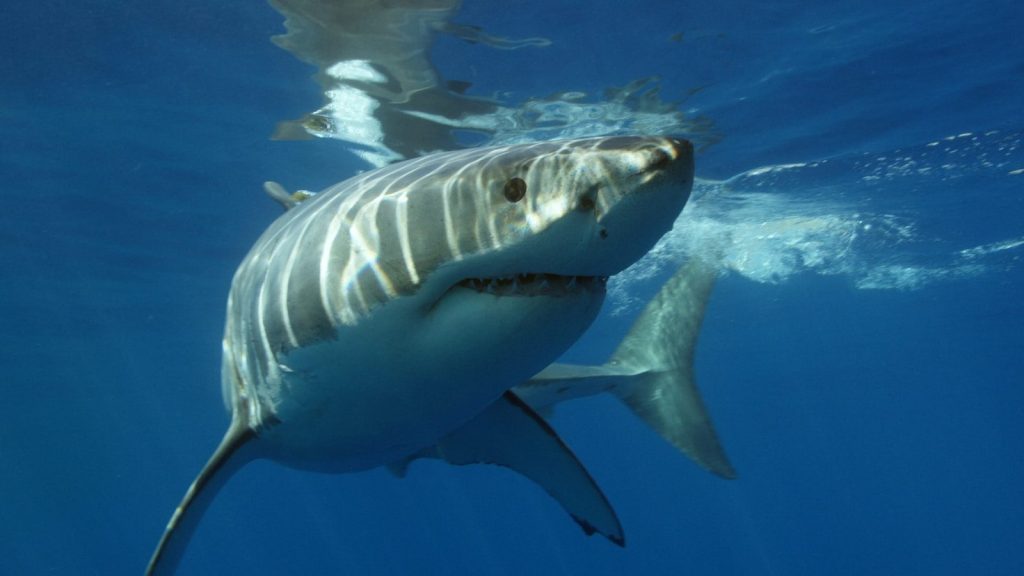
One of the biggest challenges is feeding. In aquariums, great whites often refuse to eat properly because they rely on live hunting instincts that are difficult to trigger in confined environments.
They Become Highly Stressed
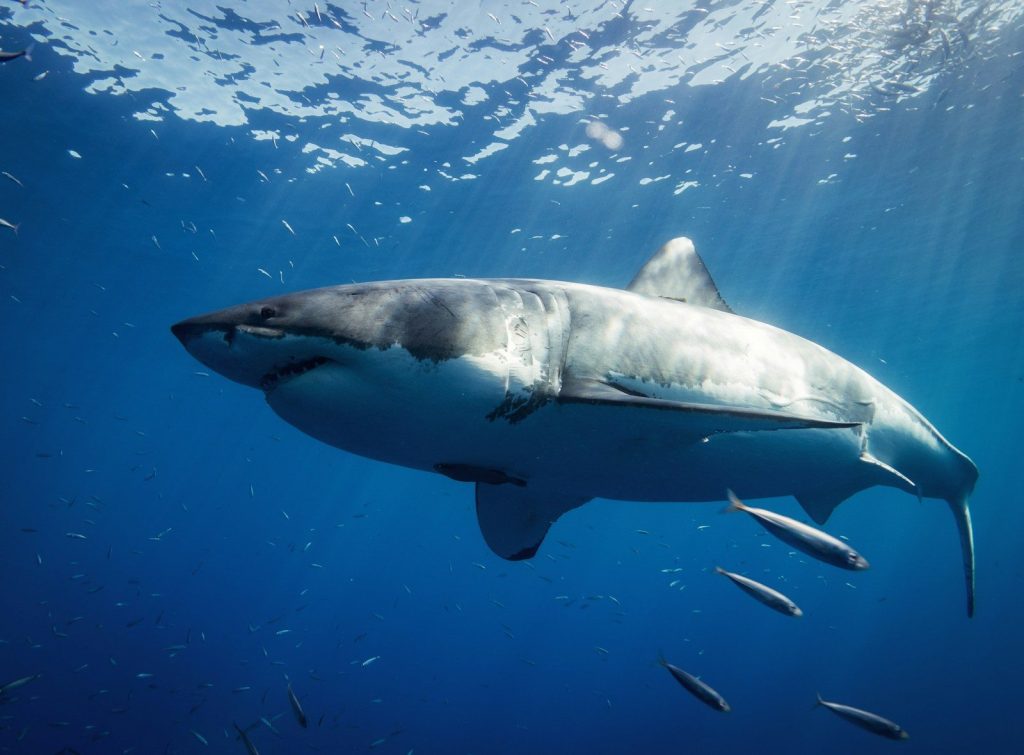
Being trapped in enclosed spaces causes extreme stress. This can lead to abnormal behavior, including repeated attempts to escape and injury from swimming into tank walls.
They Can Damage Themselves in Tanks
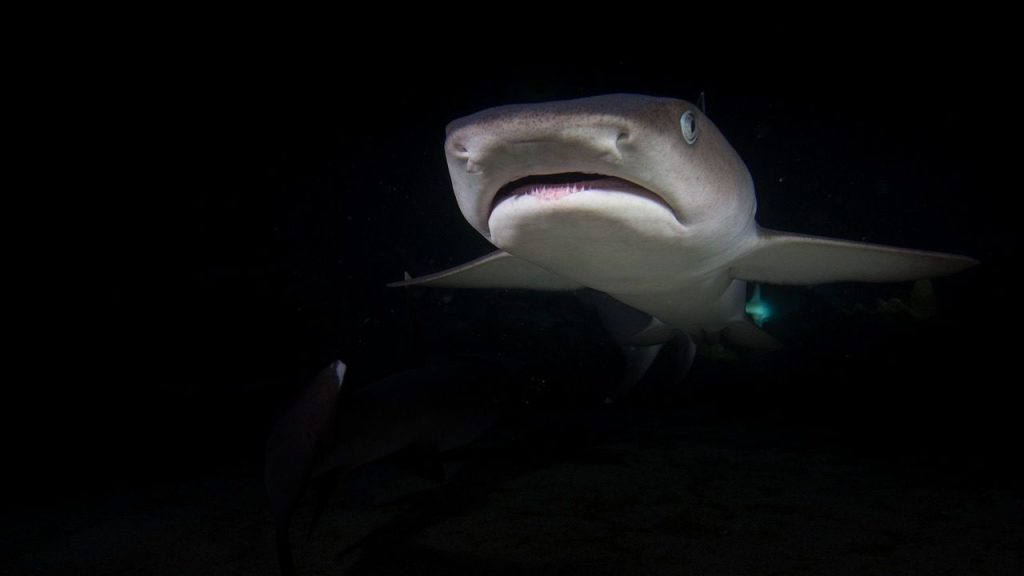
Great whites are fast, powerful swimmers. In captivity, they often crash into glass walls, injuring themselves due to lack of space and poor navigation in artificial environments.
Their Diet Is Extremely Difficult to Maintain
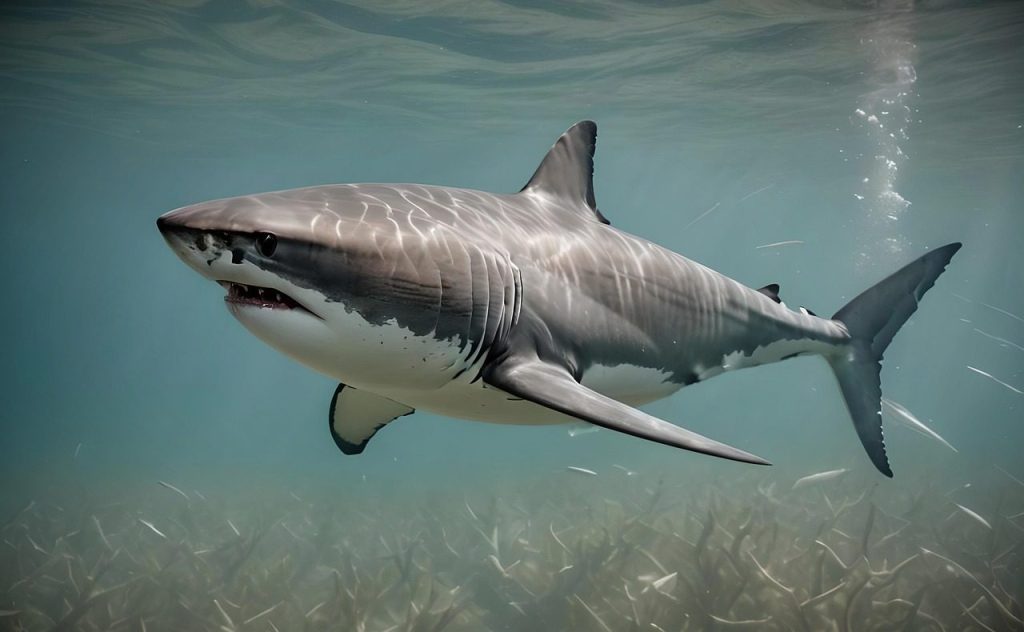
These sharks are apex predators that require fresh, live prey. Providing a consistent and ethical food supply in captivity is extremely difficult and impractical.
They Struggle With Artificial Environments
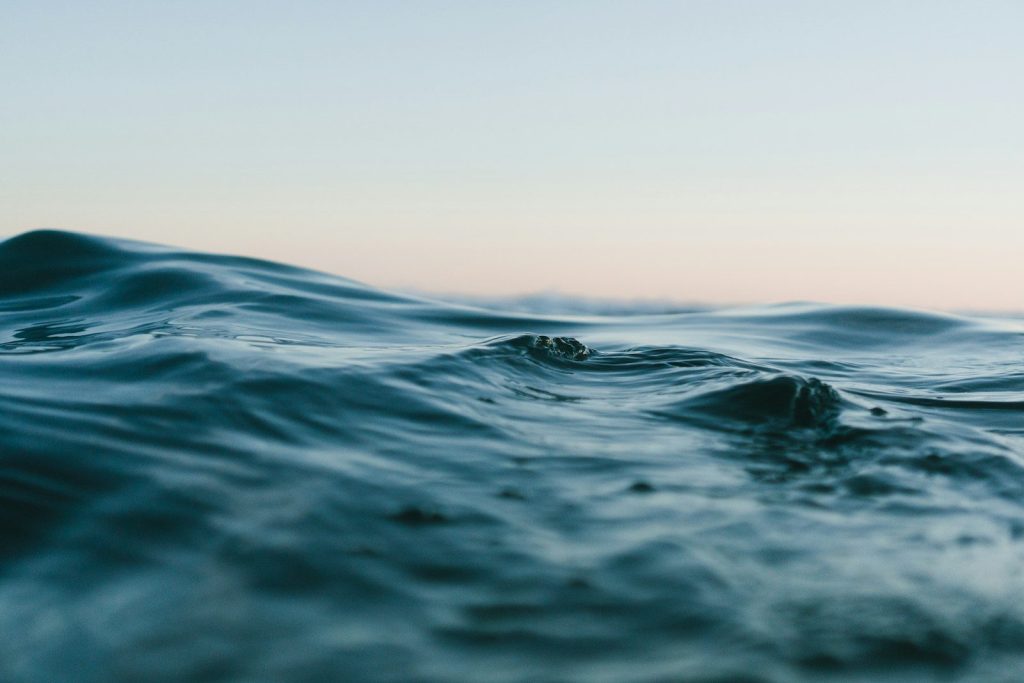
Aquariums cannot replicate natural ocean conditions such as depth, temperature shifts, and ocean currents, all of which are important for their survival and natural behavior.
They Don’t Survive Long in Captivity
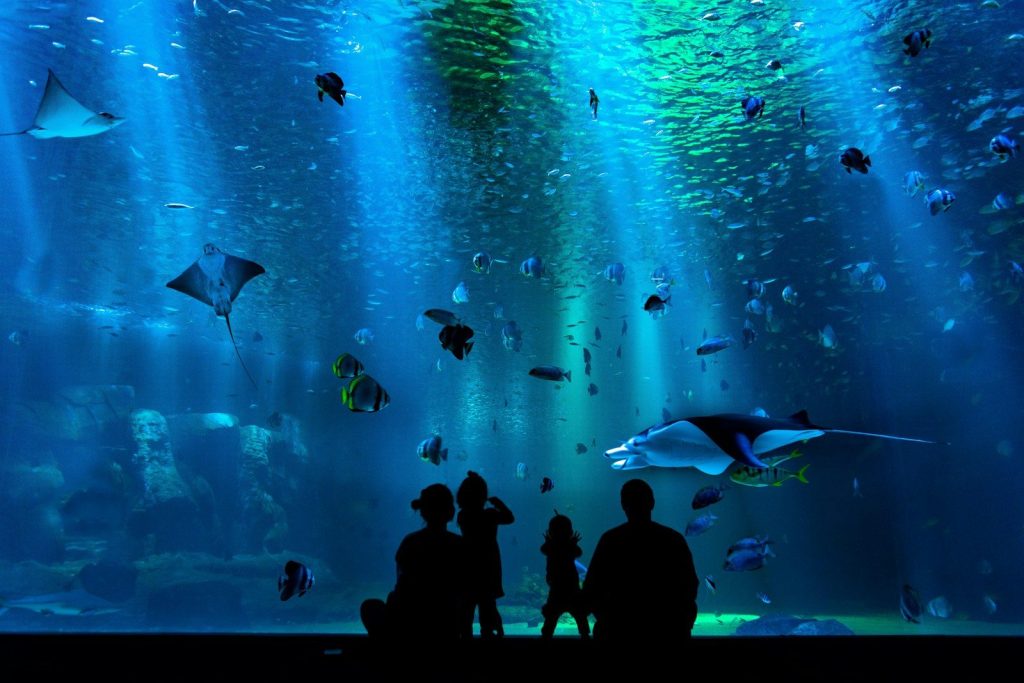
Even when captured, great white sharks rarely survive for long. Most documented cases show they die within days or weeks, making long-term captivity nearly impossible.
Great white sharks remain best suited to the wild, where they can hunt, migrate, and play their essential role in maintaining ocean ecosystems.