When California wildlife officials released beavers into a burned section of the Sierra Nevada, few expected the animals to become one of the state’s most effective natural restoration tools. The valley had been devastated by the massive Dixie Fire, leaving behind scorched land, damaged waterways, and dried soil.
But instead of relying only on expensive human-made infrastructure, scientists turned to one of nature’s oldest ecosystem engineers. What followed completely changed how many experts view wildfire recovery and climate resilience.
A Landscape Destroyed by Fire
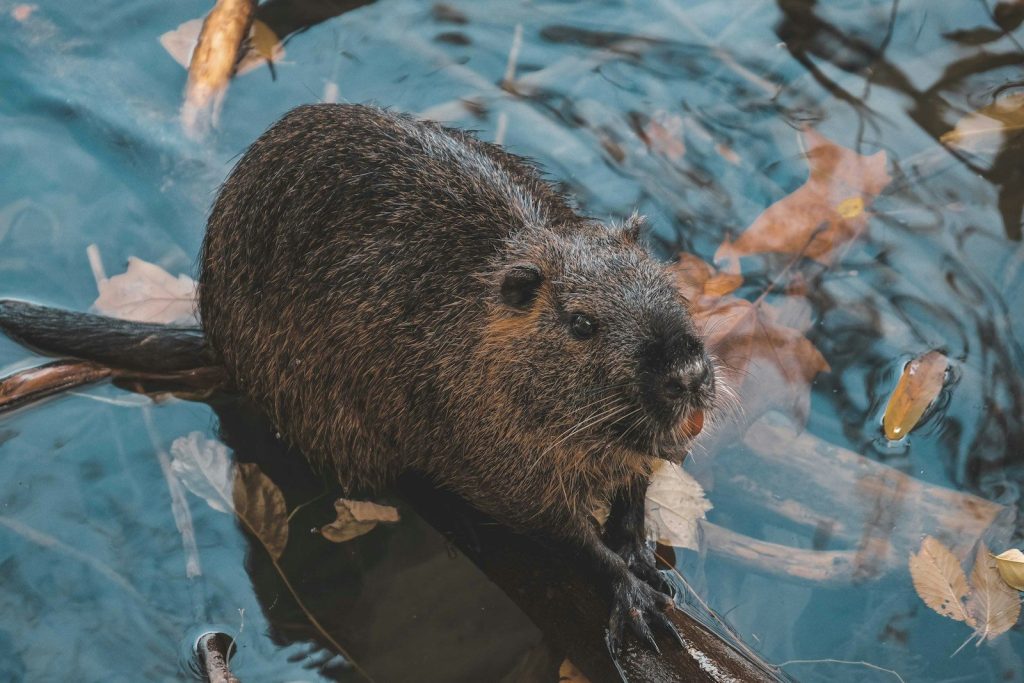
The Dixie Fire burned nearly one million acres and became one of the largest wildfires in California history. Entire valleys were left blackened, streams dried out, and habitats destroyed by the intense heat.
Two years later, the damaged region still struggled to recover naturally. Officials needed a solution that could restore water systems and improve fire resistance at the same time.
Why Scientists Chose Beavers
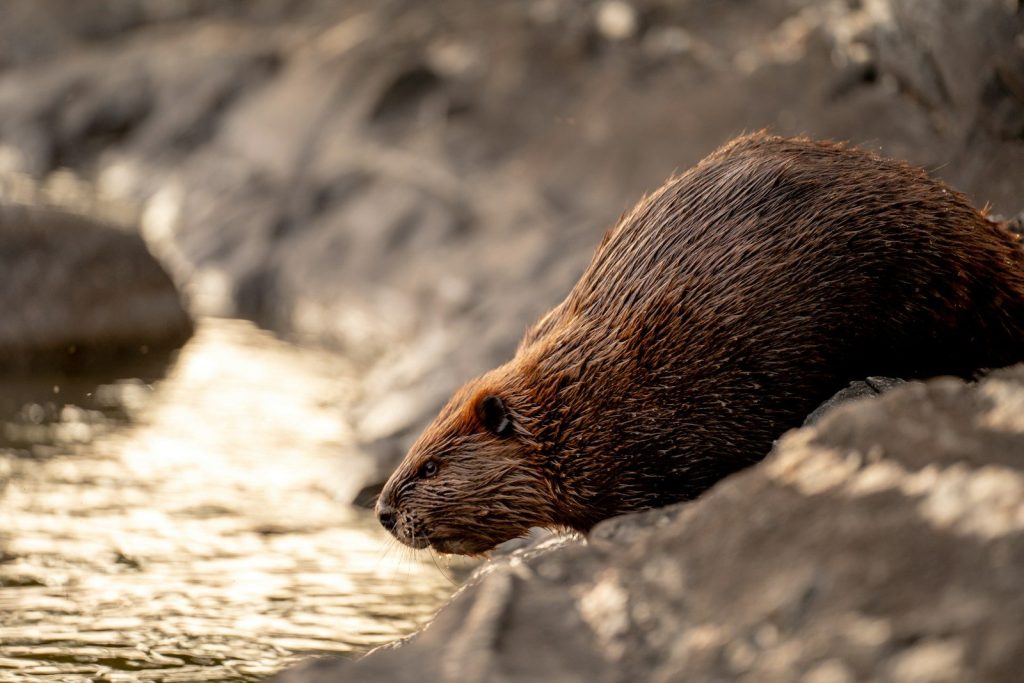
Beavers may seem like an unusual choice for wildfire recovery, but researchers have studied their environmental impact for years. Their dams naturally slow water movement and create wetlands that retain moisture in the landscape.
These wetlands can remain green even during severe droughts. Scientists realized that if beavers could rebuild damaged waterways, they might also help create natural fire-resistant zones.
The Beavers Went Straight to Work
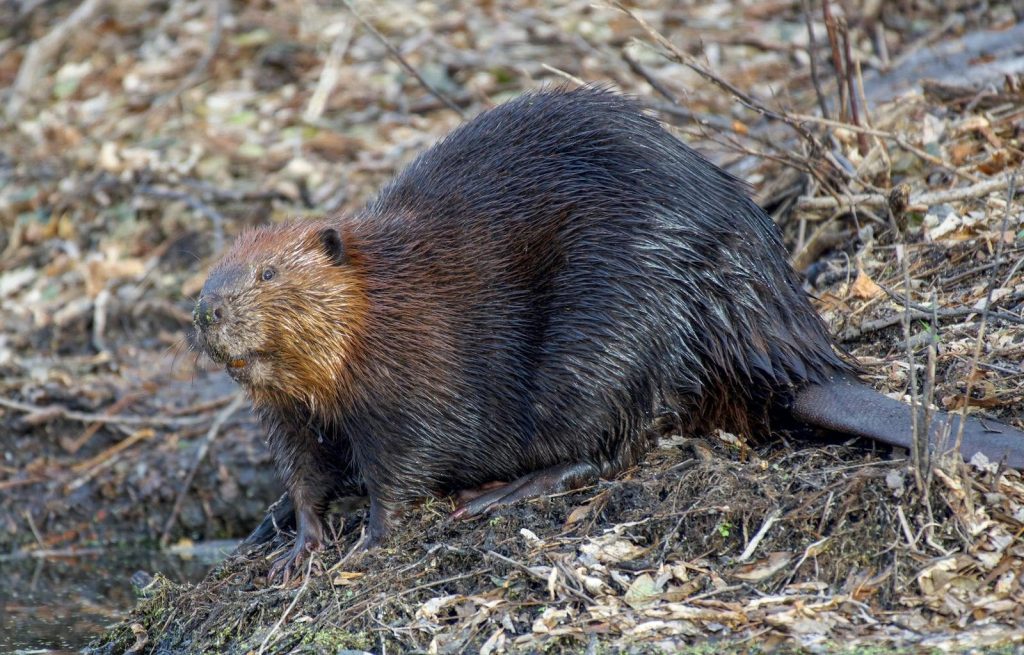
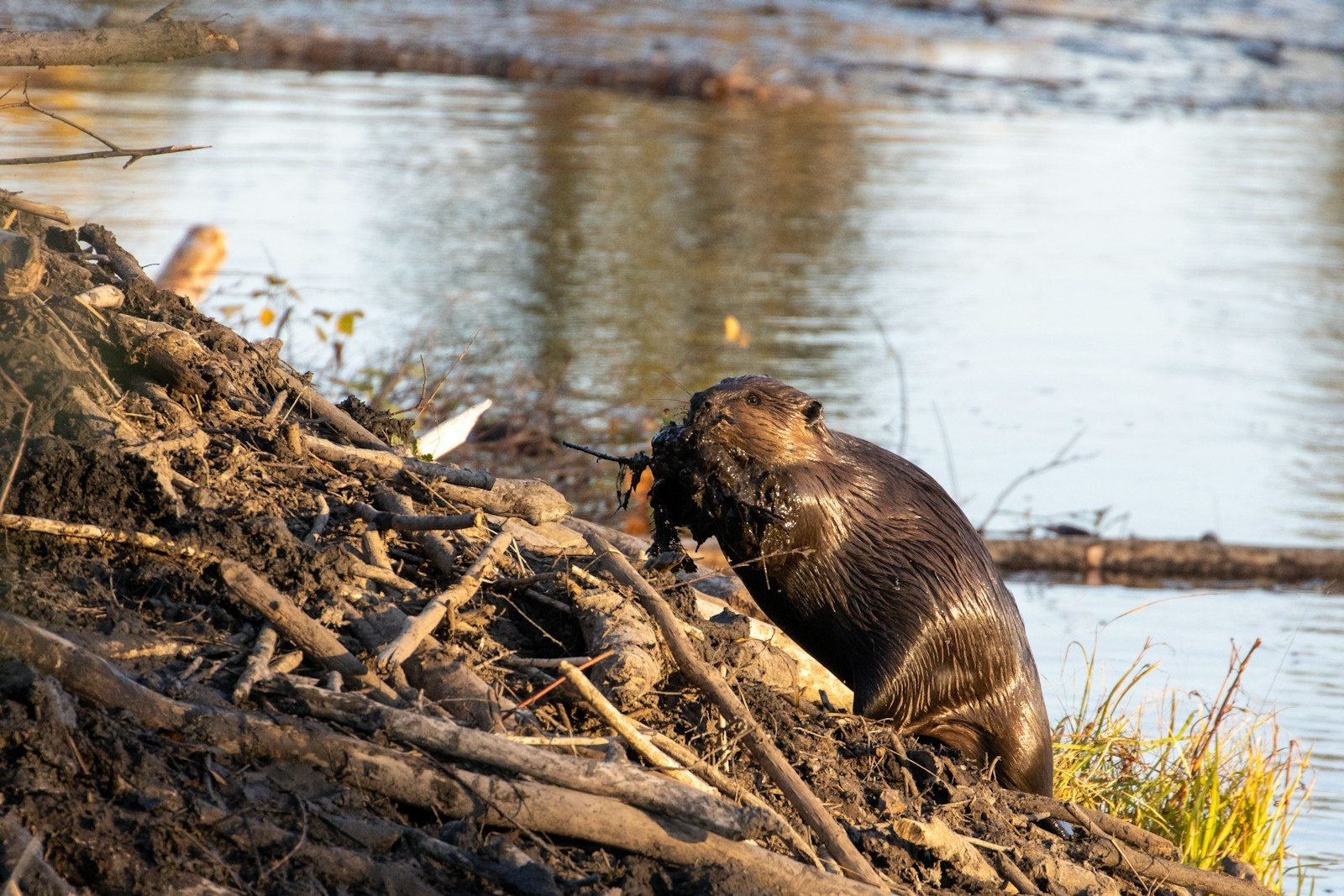
After being released into the Sierra Nevada restoration sites, the beavers immediately began reshaping the environment. They built a dam more than 300 feet long and dug canals that spread water across the floodplain.
Within months, water levels in the area increased significantly and vegetation began returning. The once burned landscape slowly transformed into a greener, healthier habitat.
How Beaver Wetlands Resist Wildfires
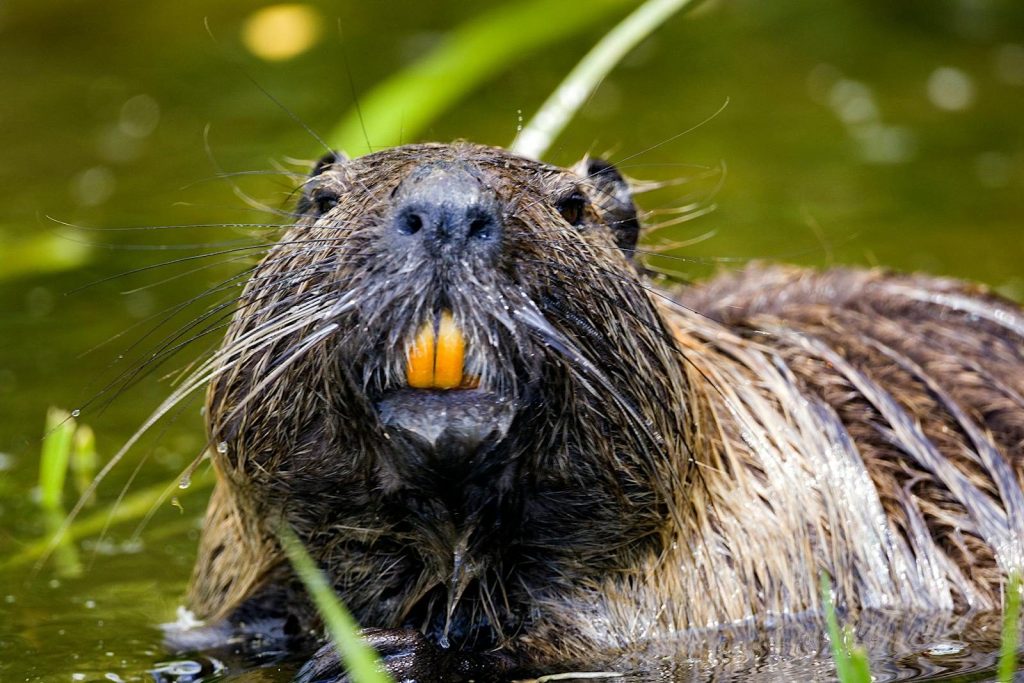
The secret to these fire resistant zones lies beneath the surface. Beaver dams raise the local water table, allowing moisture to spread deep into the soil rather than simply pooling on top.
This underground moisture keeps plants alive and difficult to ignite during wildfire season. Even when surrounding areas burn, beaver wetlands often remain green and act as safe refuges for wildlife.
California’s Changing View of Beavers
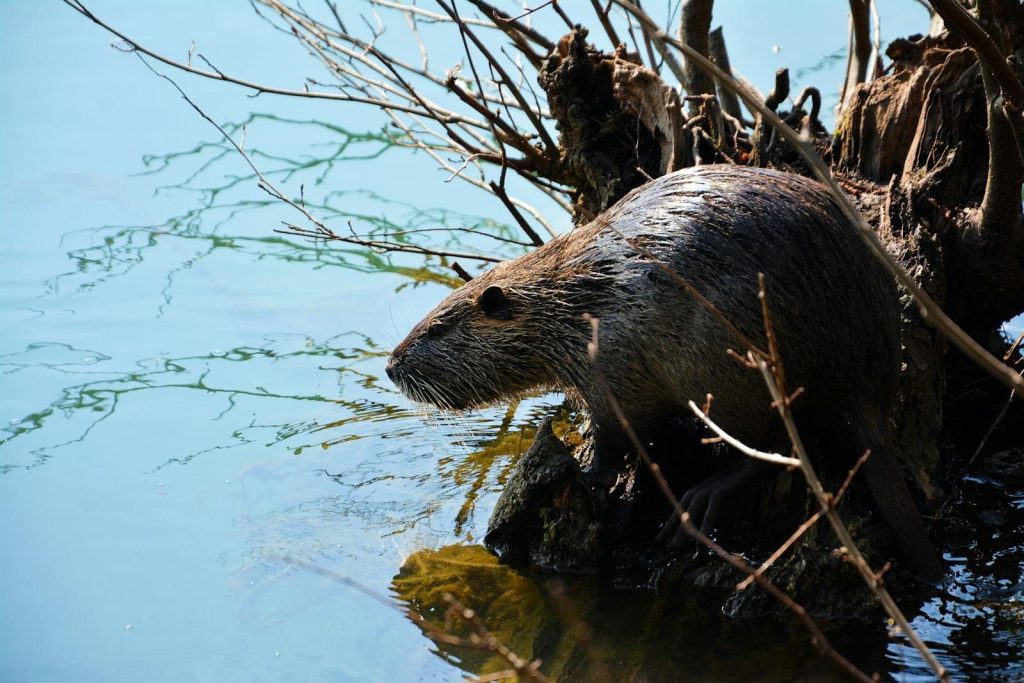
For decades, California treated beavers as pests because they damaged farmland and irrigation systems. Thousands of permits were issued each year allowing landowners to remove or kill them.
That attitude changed as climate change and extreme wildfires worsened across the state. Wildlife agencies began recognizing beavers as valuable partners in water storage, habitat restoration, and wildfire prevention.
A Low Cost Solution With Big Results
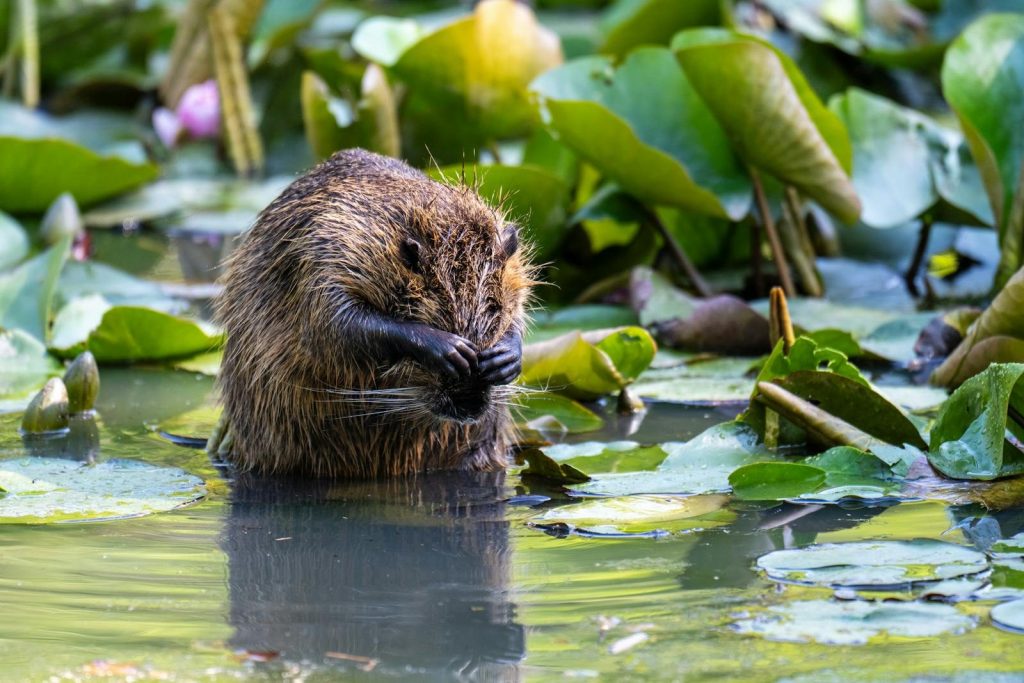
Traditional restoration projects often require heavy machinery, engineering teams, and constant maintenance. Beaver restoration is far cheaper because the animals maintain the wetlands themselves once established.
California’s pilot relocation programs showed promising results, with beavers successfully creating thriving wetlands and new habitats. Researchers now see them as one of the most effective natural tools for climate resilience.