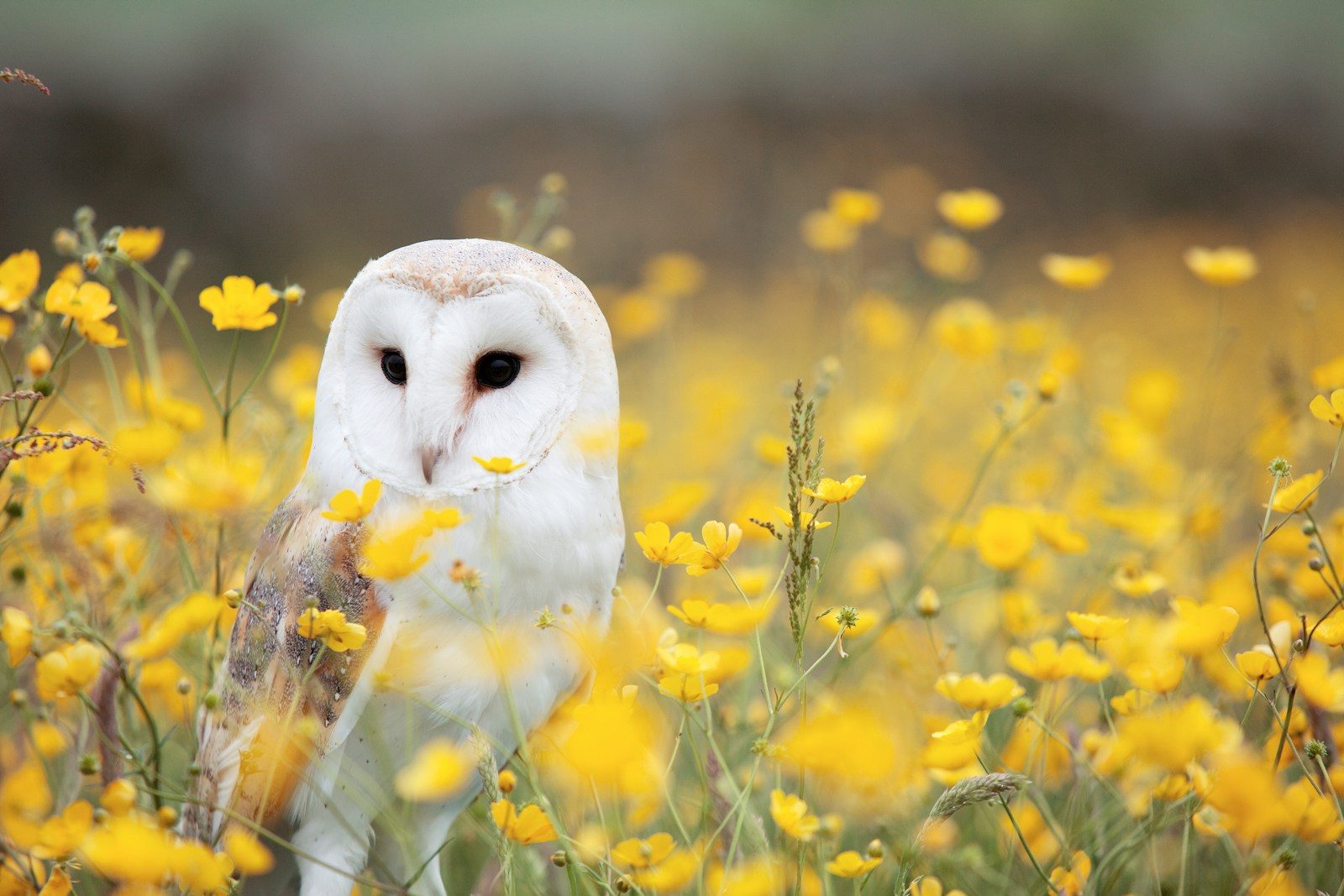
Owls are some of the most mysterious birds in the natural world, often heard but rarely seen. Their silent flight and nighttime hunting habits make them fascinating visitors for any backyard. Many homeowners are now learning how simple changes in their outdoor space can invite these nocturnal hunters closer.
Attracting owls is not just about enjoying wildlife sightings. It can also help control pests naturally, especially rodents like mice and rats. When the environment is suitable, owls may even settle nearby and become long term residents that benefit the entire local ecosystem.
Why Owls Are Valuable to Your Backyard Ecosystem
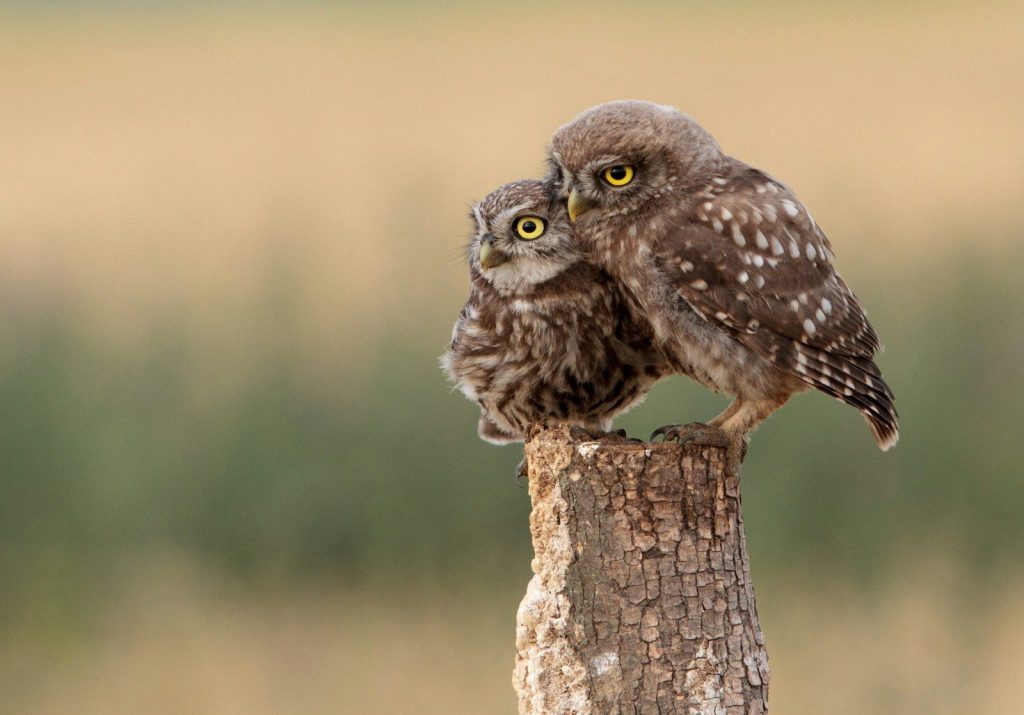
Owls play an important ecological role as natural predators. They help regulate populations of small mammals such as mice, voles, and rats, which can otherwise become garden pests.
By keeping these populations in balance, owls reduce the need for chemical pest control. This makes gardens healthier for plants, pets, and people. Experts often highlight owls as one of the most efficient forms of natural pest management.
Creating the Right Habitat for Owls
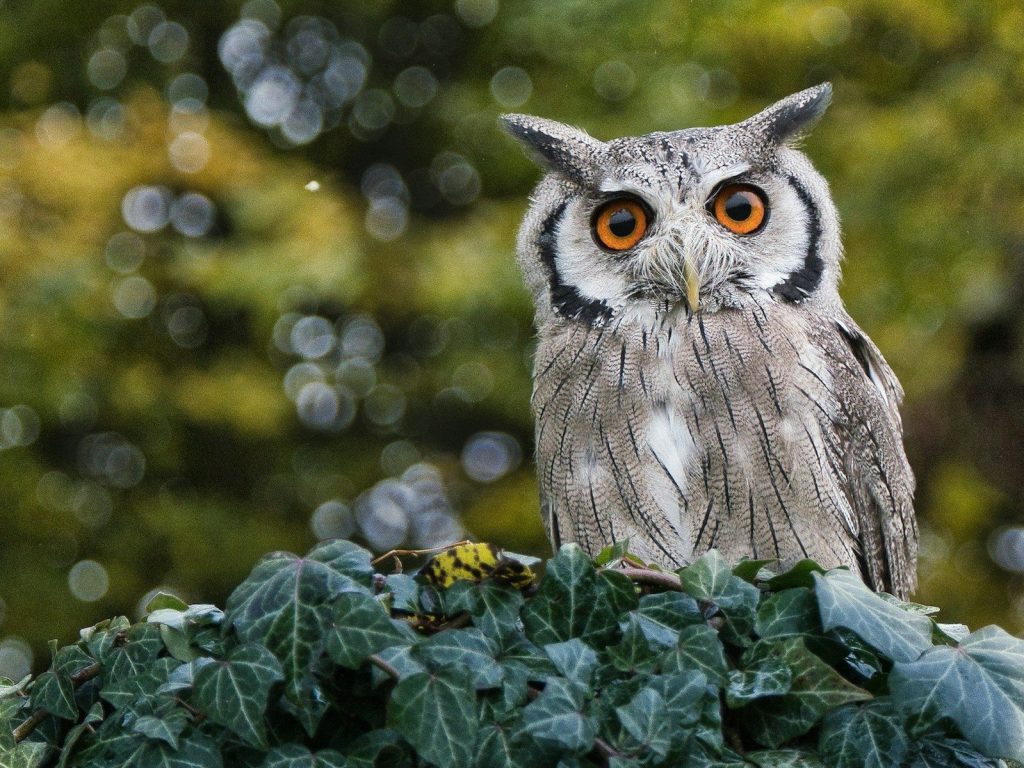
Owls are highly selective about where they live, preferring areas that offer both shelter and open hunting grounds. Trees, especially mature or dead ones, provide essential roosting and nesting spaces.
Open fields or grassy patches nearby are equally important because they support prey populations. A mix of wooded cover and open space gives owls the perfect balance for survival and hunting.
Installing Nest Boxes for Shelter
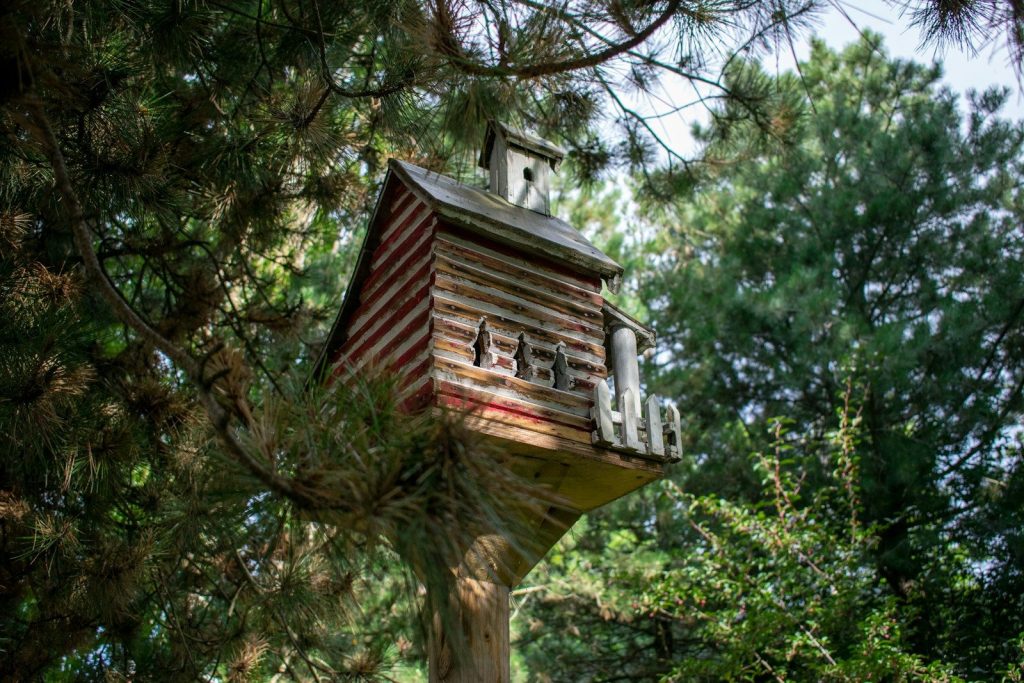
One of the most effective ways to attract owls is by installing a nest box designed for local species. These boxes act as substitutes for natural tree cavities that are becoming less common.
The box should be placed high above the ground in a quiet, undisturbed area. It must also be positioned away from direct sunlight and strong winds to create a safe resting and nesting environment.
Encouraging a Healthy Food Supply
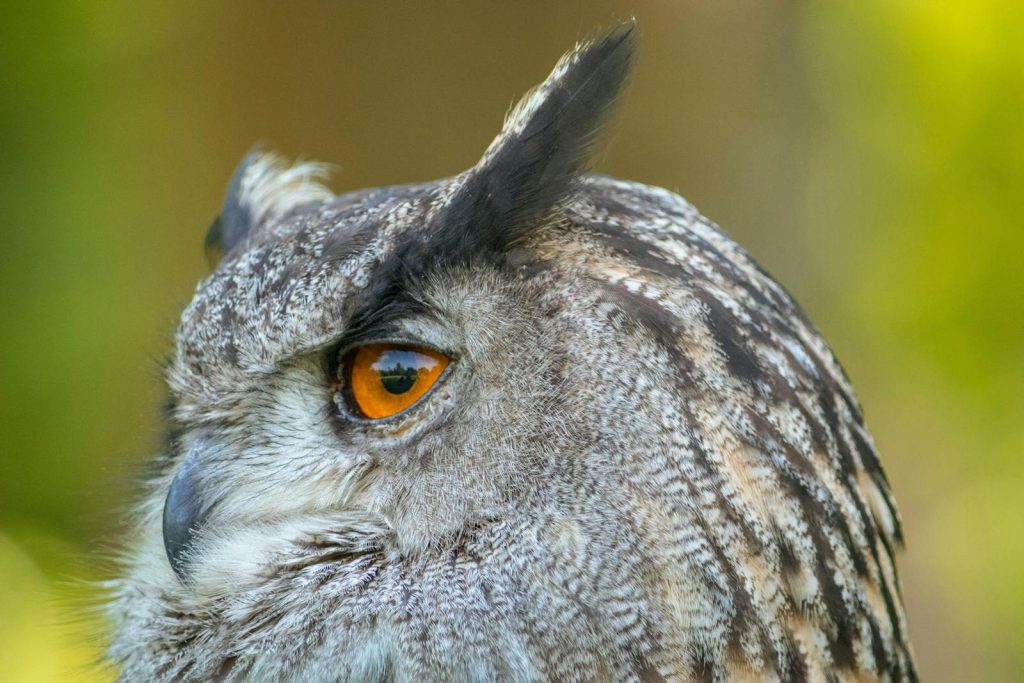
Owls will only stay in an area if food is readily available. Small mammals such as rodents form the main part of their diet, so environments that support these prey animals naturally attract owls.
Leaving parts of a yard a little wild can help encourage this balance. Brush piles, tall grass, and natural vegetation create shelter for prey species, which in turn supports owl populations.
Reducing Light and Human Disturbance
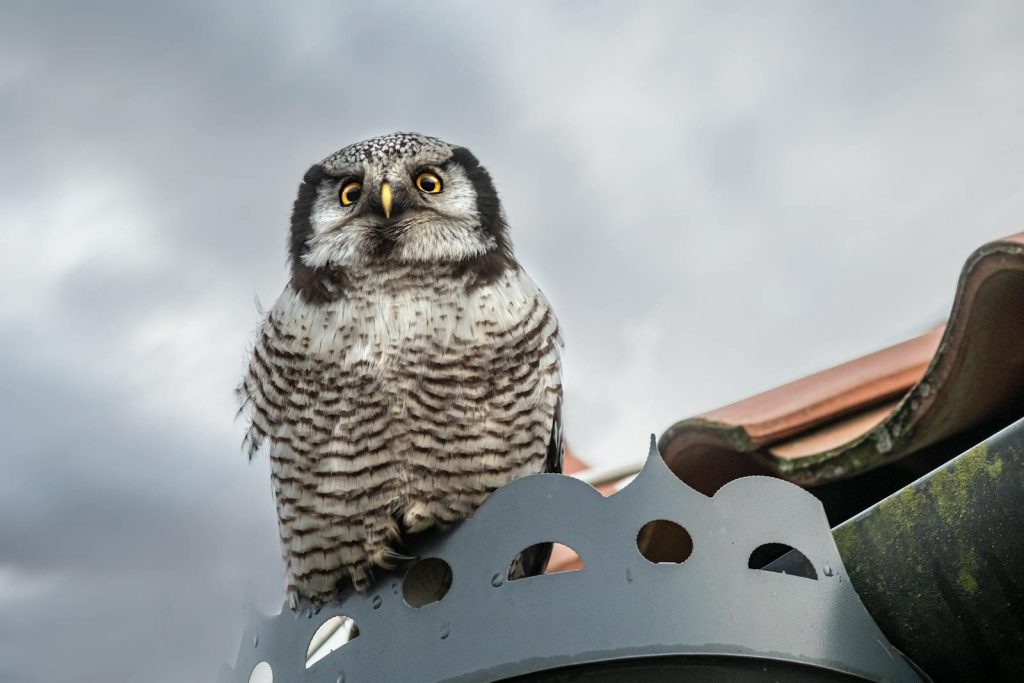
Owls are nocturnal and rely on darkness to hunt effectively. Bright outdoor lighting can disrupt their behavior and discourage them from visiting an area.
Minimizing artificial light makes a yard more attractive and natural for them. Quiet surroundings also help, as owls prefer spaces with little human activity during their hunting hours.
Safety and Responsible Owl Watching
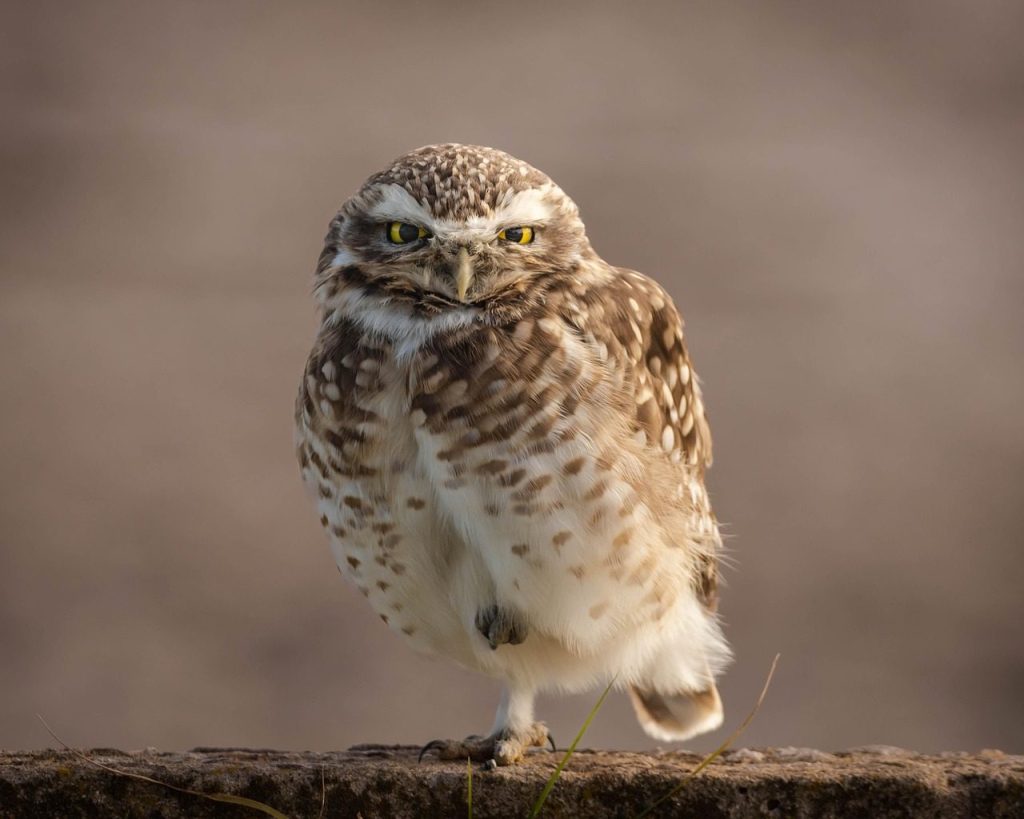
While attracting owls can be rewarding, it is important to respect their space. Owls are protective of their nests and may become defensive if they feel threatened.
Keeping a safe distance ensures both human and bird safety. Using binoculars or observing from afar allows you to enjoy their presence without disturbing their natural behavior.