Near Chiang Mai in northern Thailand, Elephant Nature Park cares for rescued Asian elephants with very different histories. Some have spent years in tourism, logging or other forms of captive work, and may arrive with old injuries or behaviors shaped by long periods of human control. The park now promotes observation focused experiences, including a hands off SkyWalk program where visitors watch elephants move, feed, socialize and rest without riding or bathing them.
The wider context matters because the word sanctuary does not automatically guarantee strong welfare. World Animal Protection’s 2026 assessment examined 2,849 elephants at 236 tourism venues in Thailand and found that roughly two thirds were living in poor conditions. Its latest guide places Elephant Nature Park among higher welfare venues, while also noting limited hand feeding and a temporary removal from its top elephant friendly list because of a legal investigation.
A Rescue Center Near Chiang Mai
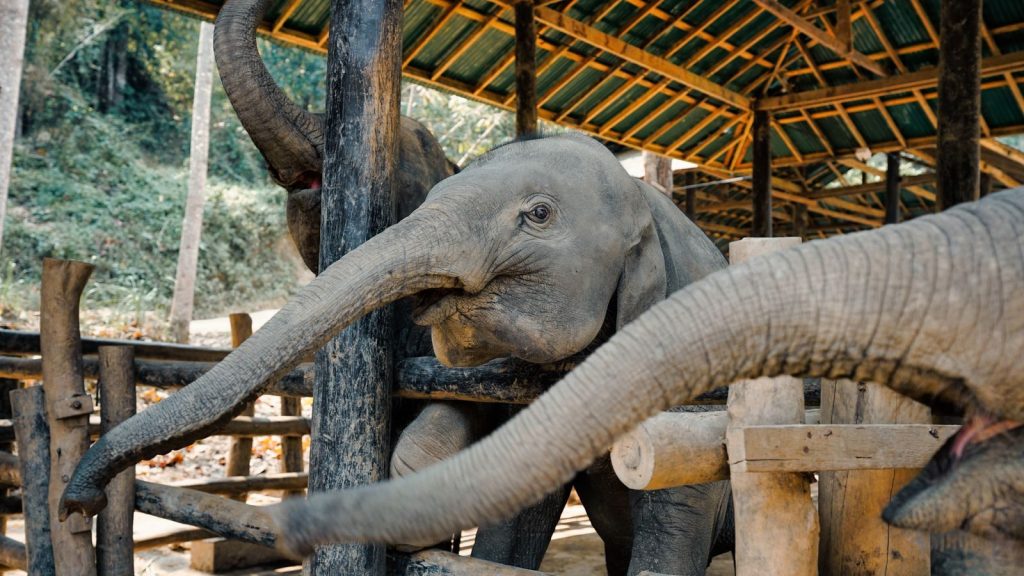
Elephant Nature Park operates near Chiang Mai and presents itself as a rescue and rehabilitation center for elephants and other animals. Its current visitor programs emphasize seeing elephants in a setting where they can spend time with chosen companions, eat, walk and use the landscape. That approach differs from traditional elephant attractions built around rides, tricks or repeated close contact with tourists. The welfare value comes not from the word sanctuary itself, but from how much choice, space and control the animals actually receive.
Rescued Elephants Have Different Needs
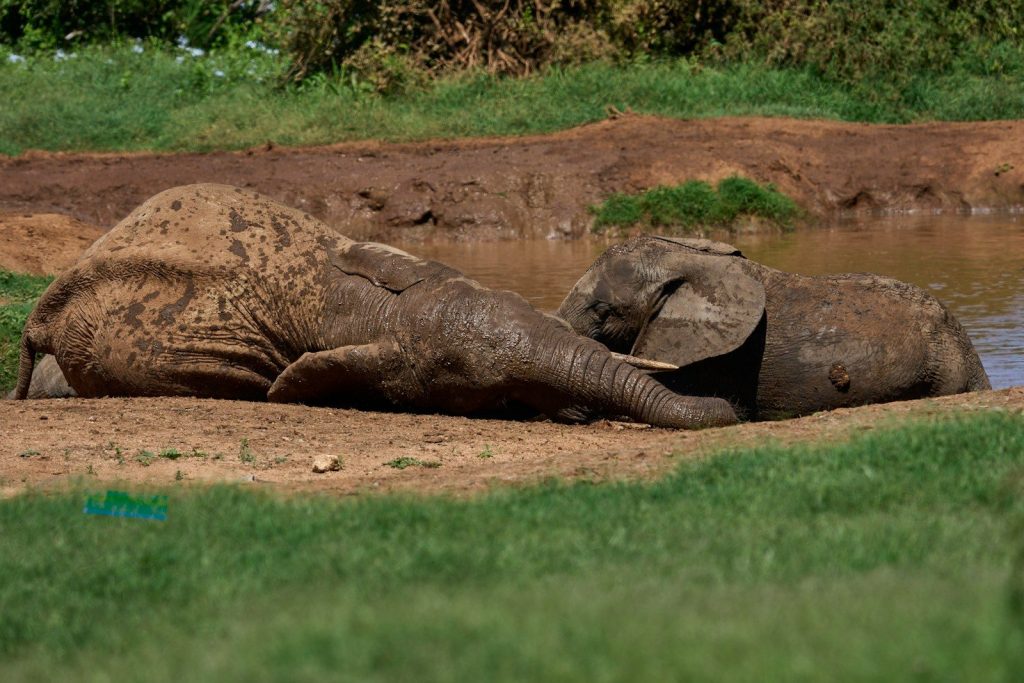
Rescued elephants can arrive with very different physical and behavioral needs. Long histories in logging, entertainment, riding or intensive tourist contact may leave some animals with chronic injuries or unusual responses to people and other elephants. It is more accurate to describe those documented histories than to diagnose every rescued elephant as traumatized. Good care can include veterinary treatment, suitable food, safe footing, opportunities to move and carefully managed social contact. Recovery is individual, and improvement may happen gradually rather than through one dramatic transformation.
Social Choice Matters

Elephants are highly social, so the ability to choose compatible companions can be important in managed care. Elephant Nature Park says animals in its SkyWalk area can live in chosen herds and spend time socializing, eating and playing. That does not mean every rescued elephant can immediately join any group. Age, health, temperament and past experience can influence relationships. Care teams still need to observe introductions closely. The goal is to provide social opportunities while allowing individuals to avoid interactions they do not want.
Hands Off Viewing Is Growing

The park’s SkyWalk program is explicitly described as hands off. Visitors observe elephants from an elevated walkway while the animals move as a herd below. This model reflects a broader shift in elephant tourism toward observation rather than riding, bathing or constant touching. World Animal Protection argues that lower contact gives elephants more autonomy and more opportunity to express natural behavior. Observation alone is not a complete welfare guarantee, but it removes much of the pressure created when animals must repeatedly interact with groups of tourists.
Thailand Still Has Welfare Problems
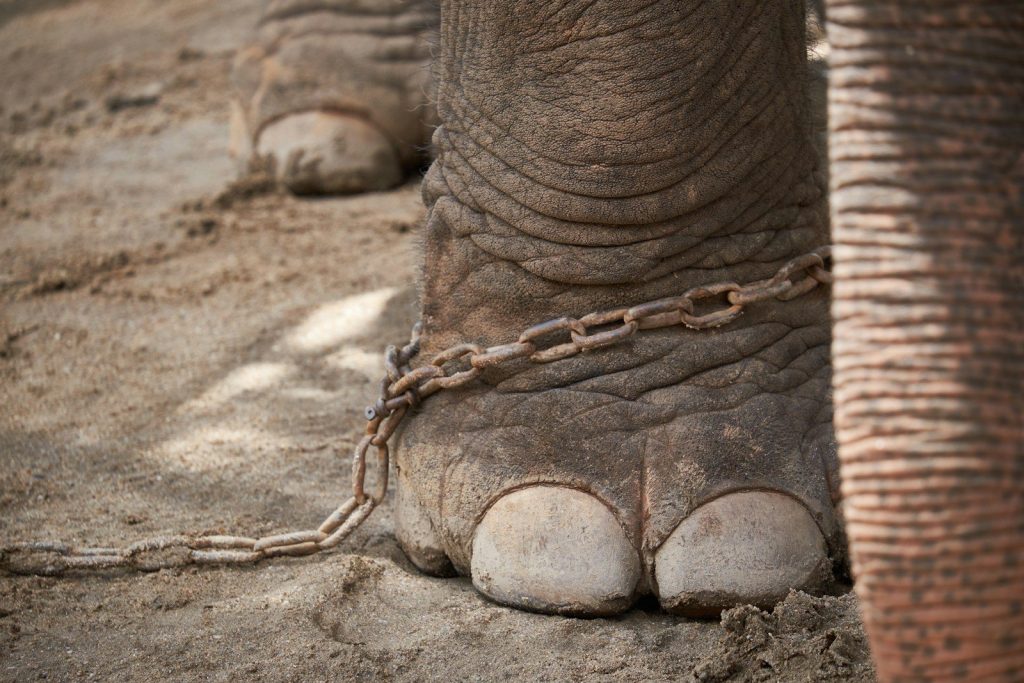
Thailand still has a major captive elephant welfare problem beyond any single venue. World Animal Protection’s 2026 report assessed 236 tourism facilities holding 2,849 elephants. It reported that 69 percent were in poor or unacceptable conditions, more than half were kept on short chains during the day, and 42 percent were still used for rides. Only a small share were involved in higher welfare observation only experiences. Those figures show why travelers need to examine specific practices instead of trusting marketing labels.
Sanctuary Labels Need Checking

A sanctuary label should be treated as a starting point for research, not proof of ethical care. World Animal Protection advises travelers to favor venues where elephants can move, forage and socialize without forced contact. Its 2026 guide lists Elephant Nature Park among other high welfare venues, but notes that it offers some hand feeding over a barrier and is temporarily removed from the elephant friendly list because of a legal investigation. That current qualification should be included when describing the venue accurately.
Flooding Created an Emergency

Extreme weather can create serious risks even at established rescue centers. In October 2024, severe flooding inundated Elephant Nature Park and forced staff to move elephants and other animals toward safer ground. Associated Press reported that the park was caring for about 125 elephants at the time, and later reporting confirmed that at least two elephants died. The disaster showed how quickly normal care can become an emergency. Safe evacuation routes, high ground, staff coordination and flood planning are all important parts of long term animal welfare.
What Responsible Tourism Looks Like
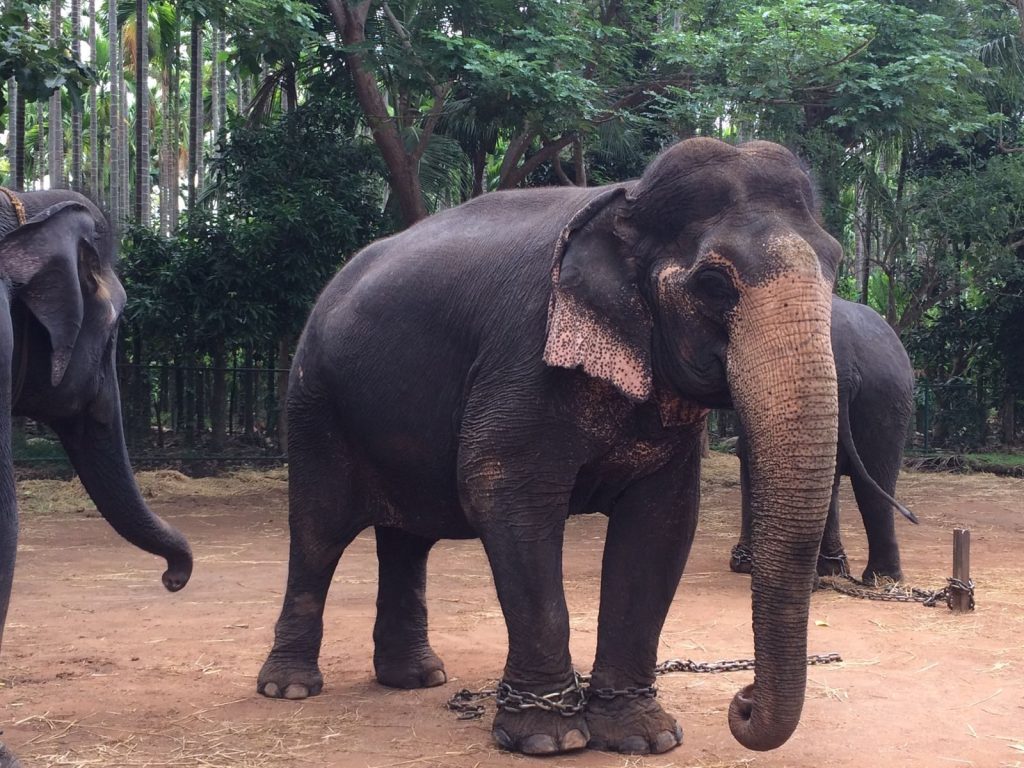
For travelers, the clearest question is whether an experience is designed around elephant choice or tourist access. Current welfare guidance favors watching rather than touching, with no riding, tricks or compulsory bathing. Visitors should also look for room to move, social opportunities, suitable food, veterinary care and transparent information about management practices. Elephant Nature Park offers several observation focused features, but its current status should still be checked before booking. Responsible wildlife tourism depends on practices that can be verified, not reassuring names alone.
Featured Image: Photo by Daniela Chintoiu on Unsplash