Juna and Lars arrived at Ecuador’s Merazonia Wildlife Refuge after being rescued from the pet trade. The two young coatis had spent enough time around people that returning them to the rainforest required more than simply opening a cage. Their rehabilitation team had to encourage the behaviors a wild coati needs, including independent exploration, natural foraging, and confident movement through trees, while reducing unnecessary dependence on human attention.
Merazonia, a wildlife rescue and rehabilitation center set within about 250 acres of rainforest, focuses on returning suitable animals to the wild. For Juna and Lars, that process took months of carefully managed exposure to the forest. The goal was not to tame them further, but to reverse some effects of captivity by creating opportunities for them to find food, climb, explore, and eventually function without their caregivers beside them.
Juna and Lars
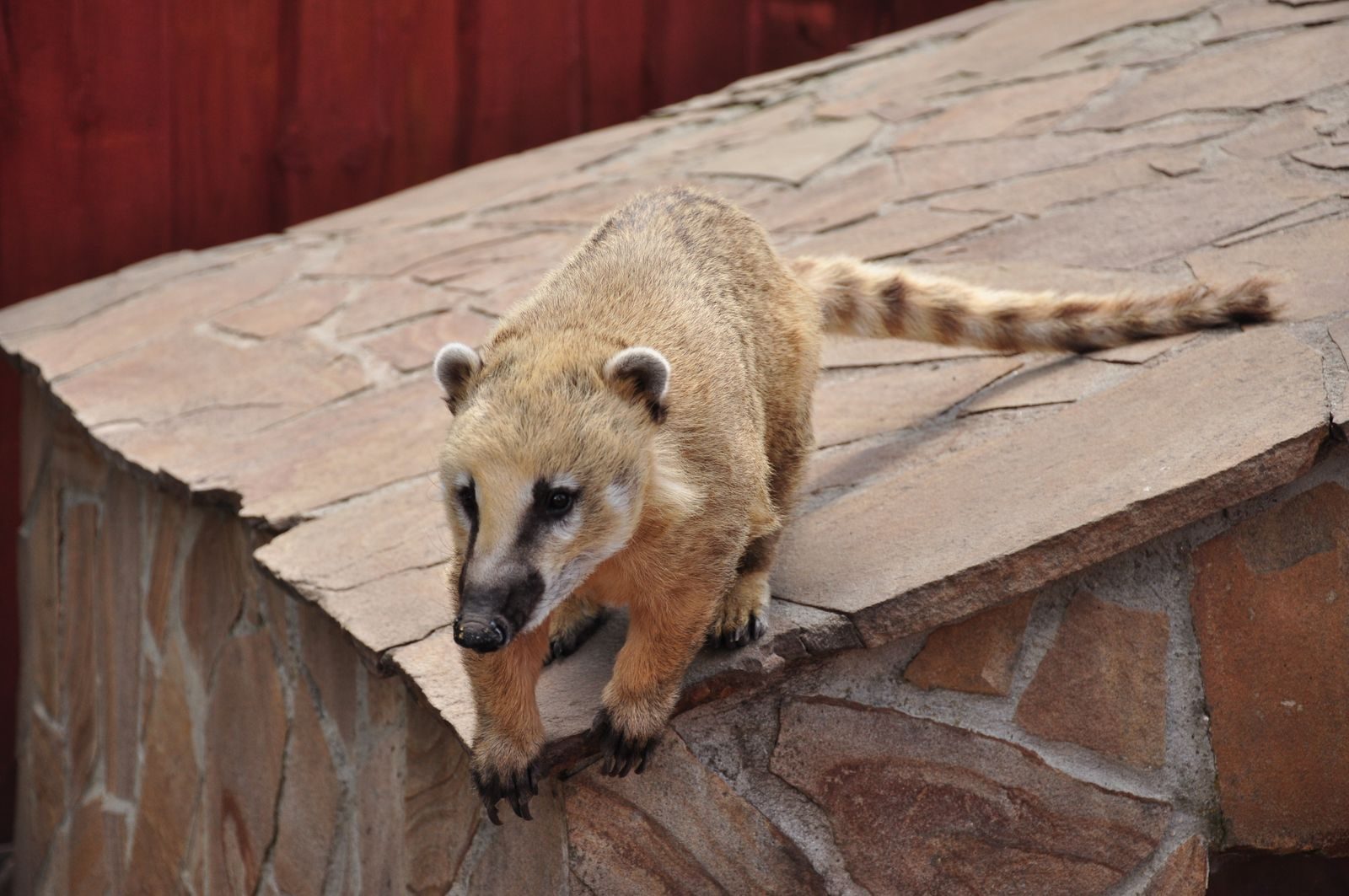
Juna and Lars were young coatis rescued from the pet trade and brought into rehabilitation at Merazonia. Coatis are members of the raccoon family, and wild individuals spend substantial time investigating their surroundings and searching for food. The pair’s history around people meant staff could not assume that ordinary species behavior would immediately appear in the right context. Rehabilitation therefore centered on giving them repeated chances to behave independently. Their progress was judged through practical milestones rather than affection toward caregivers, because release required them to function as wild animals rather than pets.
Rainforest Rehabilitation

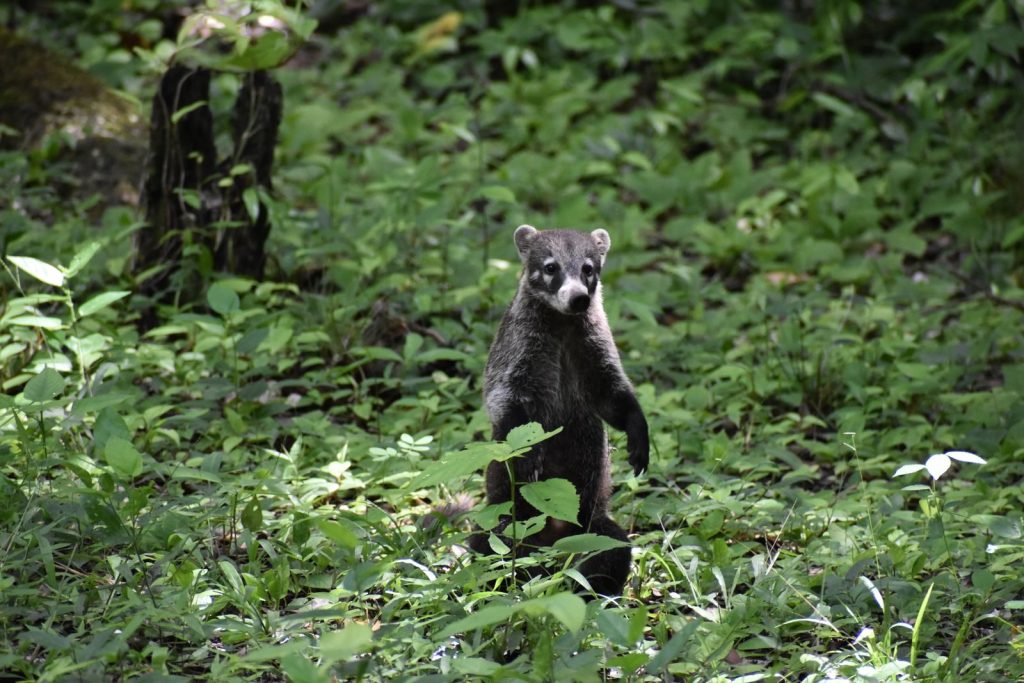
Merazonia operates in rainforest near Mera, Ecuador, and describes its work as a hands-off professional approach to wildlife rescue, rehabilitation, release, and monitoring. That setting gave Juna and Lars access to the kind of complex environment they would need to navigate after release. Rehabilitation in natural surroundings can expose animals to uneven ground, vegetation, scents, food-searching opportunities, and vertical space that a domestic setting cannot provide. The important point is not simply giving rescued wildlife more room, but using that environment to rebuild behaviors linked to independent survival.
Daily Forest Walks

During the first days of forest outings, staff focused on getting Juna and Lars accustomed to going outside and exploring. The Dodo’s video transcript describes a progression from active guidance toward deliberate withdrawal. Early on, caregivers showed the coatis places and objects where food might be found. Later, staff tried to become as uninteresting as possible so the animals would stop looking to people for stimulation and begin investigating the forest themselves. In total, the rehabilitation team reported about six months of these daily walks before release preparations were completed.
Learning to Forage

Finding food without human help was one of the major milestones. Wild coatis are active foragers, often searching with their noses close to the ground as they investigate leaf litter and other potential food sources. At first, staff guided Juna and Lars toward things worth exploring. Over time, they reduced that assistance and waited for the coatis to search independently. The change mattered because an animal that expects food to be presented by people may struggle after release. Successful foraging showed that the pair were becoming less dependent on their caregivers.
Learning to Climb

Tree climbing was another visible measure of progress. According to the rehabilitation account, Juna and Lars were initially hesitant about going high into trees. With repeated forest exposure, that changed dramatically. The pair eventually climbed into the highest branches and moved from branch to branch, behavior much more suited to life in a rainforest canopy than staying close to people on the ground. Climbing ability is not merely impressive to watch. It expands where an animal can travel, forage, avoid threats, rest, and use the three-dimensional habitat available to a wild coati.
Release Enclosure

The final month of the process centered on a release cage, according to the team’s account. Such an enclosure provides an intermediate stage between intensive rehabilitation and complete freedom. Staff can observe whether animals remain healthy and continue showing appropriate behaviors while human involvement is reduced further. For Juna and Lars, this period followed months of daily forest work rather than replacing it. By the time the pair reached this stage, the team had already seen them forage independently and move confidently through trees, giving staff several behavioral signs to consider before release.
Return to Wild

After about six months of rehabilitation, Merazonia released Juna and Lars. The team reported observing wild behavior after the pair moved out on their own. That outcome was the purpose of the entire process: not simply to place rescued animals outdoors, but to prepare them to make independent choices in the habitat without regular human direction. Release is never just a dramatic final moment. It depends on everything that happens beforehand, including health care, behavioral assessment, reduced human dependence, species-appropriate activity, and a suitable environment in which the animals can continue living.
Wildlife Not Pets

The story also highlights why keeping wild animals as pets can create problems that continue long after confiscation or rescue. Animals accustomed to people may lack opportunities to practice normal foraging, movement, avoidance, and social behaviors at the right developmental stages. Rehabilitation can sometimes rebuild those skills, but success is not guaranteed for every individual or species. Merazonia’s work is specifically aimed at wildlife affected by the illegal pet trade and other human pressures. Juna and Lars were releasable only after months of work designed to make human company less central to their lives.
Featured Image: Photo by Оля Дмитрів on Pexels