When wildfire swept through areas west of Athens in early August 2026, animal rescuers faced the same fast-moving danger as residents. The Municipality of Megara later reported that 282 animals had been brought to safety during the destructive fire affecting Porto Germeno and the Attica-Viotia area. The total included household pets, farm animals, and wildlife, turning a local emergency response into a large animal-care operation.
The rescue did not end when animals were removed from the fire zone. Volunteers, veterinarians, welfare groups, residents, and municipal staff then had to identify owners, arrange foster care, treat injuries, and manage animals with very different needs. Officials reported that many had already returned home, while others remained in temporary care. The figures offer a rare detailed picture of what animal rescue looks like after a major wildfire.
Attica Wildfire
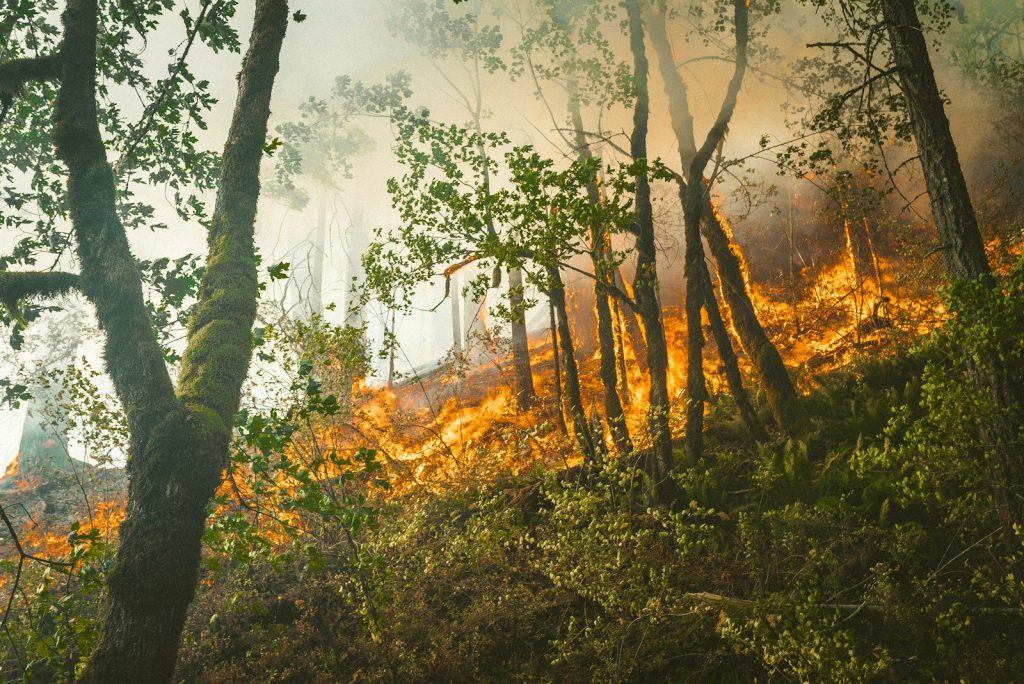
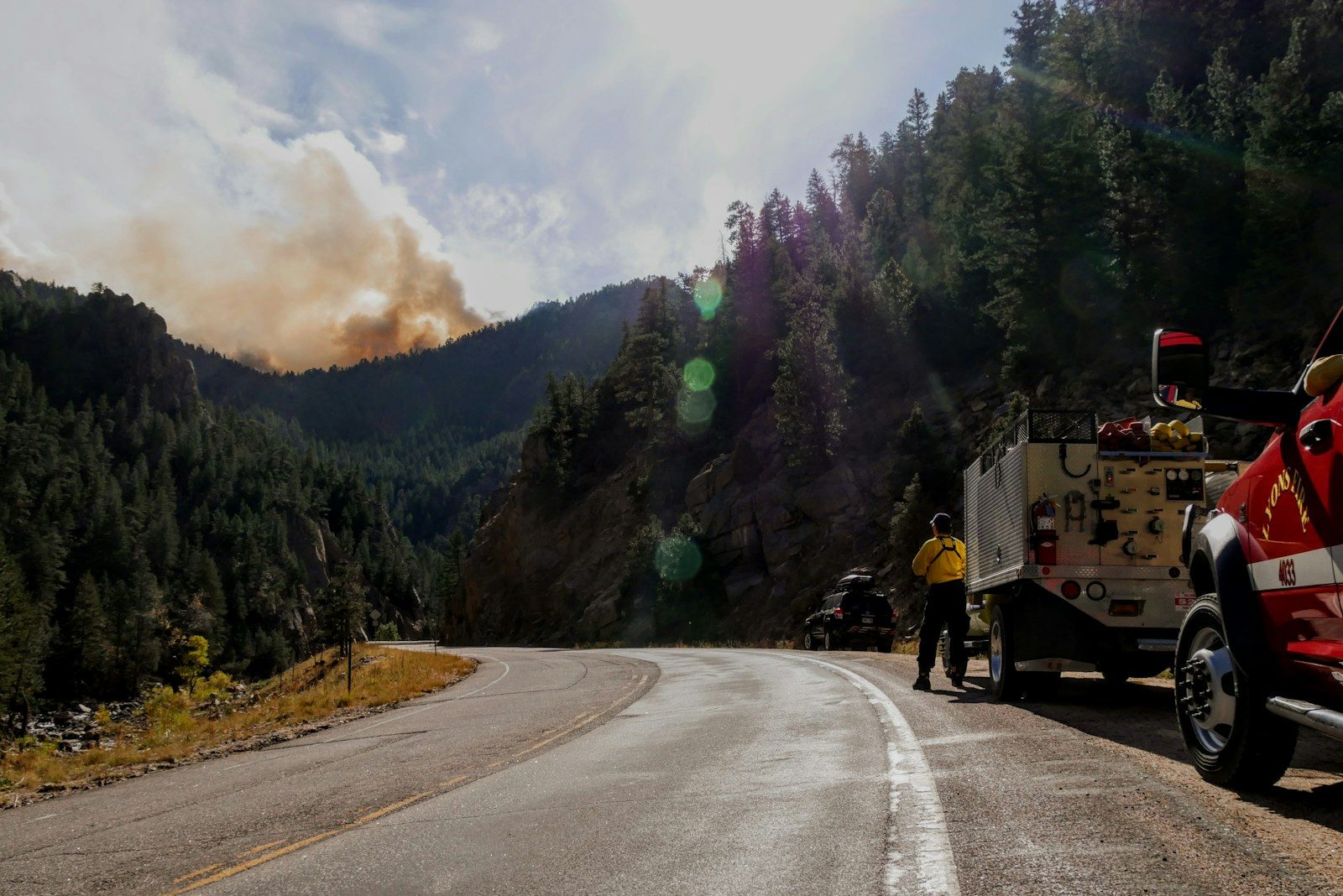
The wildfire near Athens burned through mountain and coastal areas while extreme heat, high winds, and changing fire directions complicated evacuation and rescue work. The Associated Press reported that the blaze burned on several fronts, destroyed dozens of homes, and affected more than 100 square kilometers. In Megara, about 40 kilometers west of Athens, volunteers were simultaneously searching for animals that could not leave on their own. The scale of the fire meant rescuers were working in an environment where routes and safe areas could change very quickly.
Megara Rescue Hub
Megara’s municipal stadium became the main collection and care point for animals rescued from the fire zone. That kind of central hub matters during a disaster because animals arriving from different locations need water, shade, identification, temporary housing, veterinary triage, and records linking them with possible owners. Associated Press reporting also described animals being housed on an indoor sports court. By concentrating care in one known location, rescuers could move from the urgent task of extraction toward the equally difficult work of recovery, reunification, and fostering.
Companion Animal Rescue

Municipal officials said 222 of the 282 rescued animals were companion animals. Dogs made up a large part of the volunteer effort described by the Associated Press, although the official total covered companion animals more broadly. Pets can be especially vulnerable during sudden evacuations when families are separated, gates or fences fail, or people have only minutes to leave. Bringing them to a managed collection point gave rescuers a better chance to check their condition and later match animals with families rather than leaving frightened pets scattered across a burned landscape.
Farm Animal Rescue

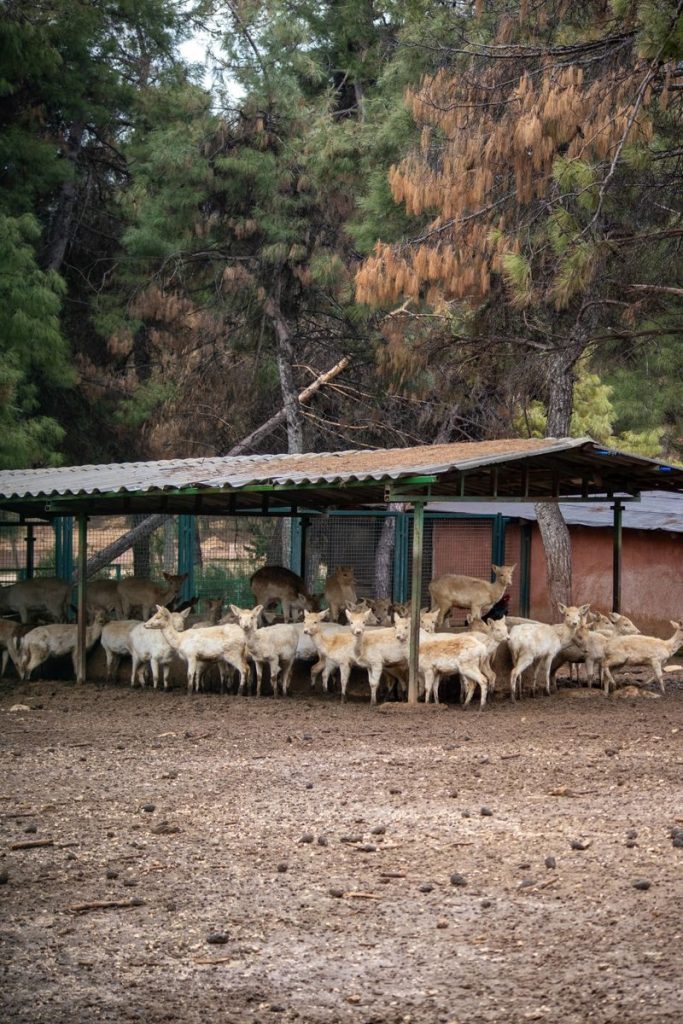
The official breakdown included 46 farm animals. Livestock rescue creates different problems from moving household pets because animals may be larger, harder to transport, kept in groups, or located in pens and fields close to a fire front. Trailers, experienced handlers, secure holding areas, and rapid decisions can all become important. The Megara figures show why wildfire planning has to include more than cats and dogs. Farms and smallholdings can contain animals that depend entirely on people to open enclosures or arrange transport when smoke and flames approach.
Wild Animal Rescue

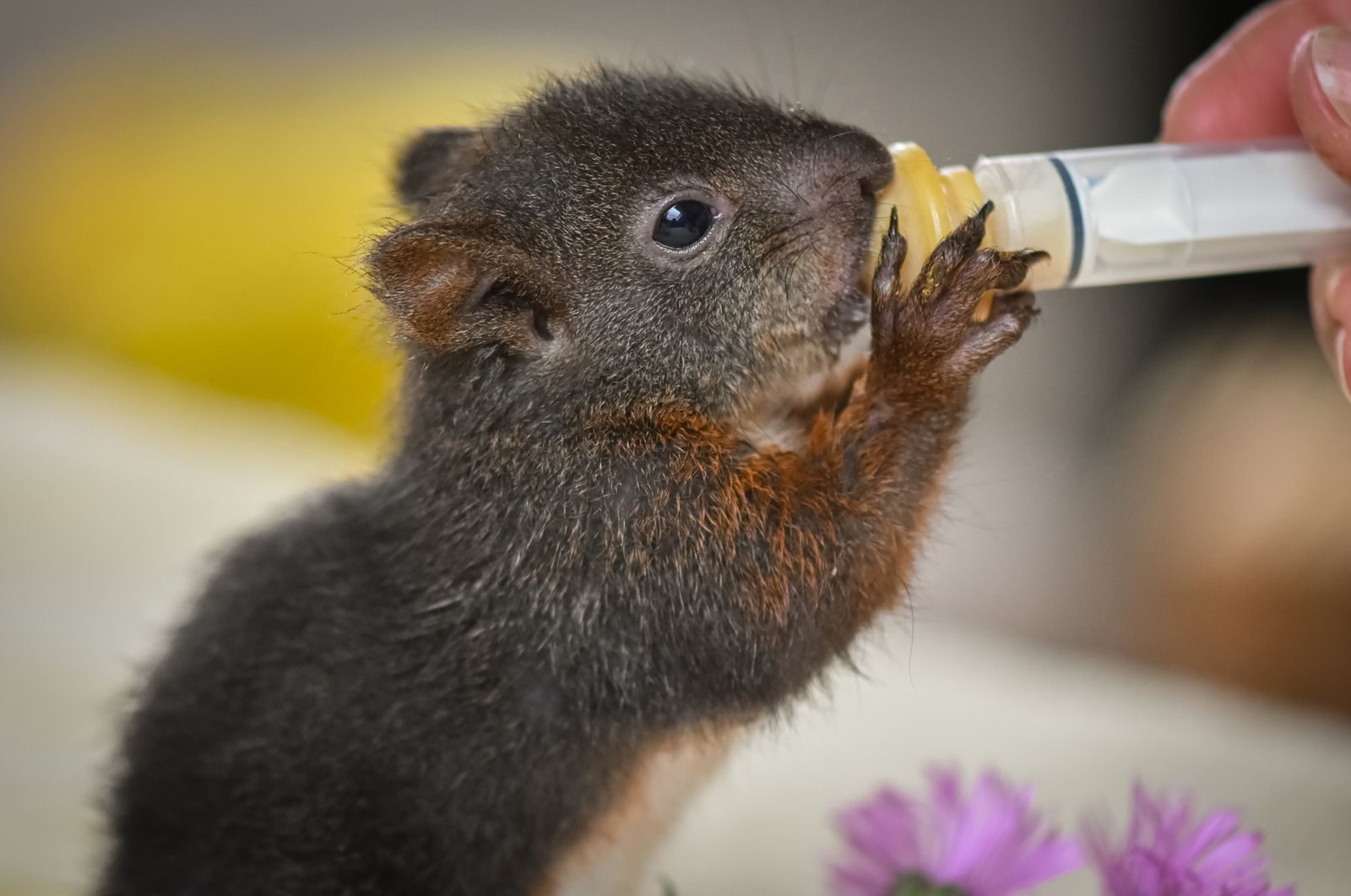
Fourteen wild animals were included in the municipality’s reported rescue total. Wildlife emergencies during fires are complicated because healthy wild animals should normally be allowed to escape on their own, while injured, trapped, or displaced animals may need specialist help. Handling can create additional stress and may require species-specific knowledge. The comparatively small number in the official total does not measure how many wild animals were affected across the burned area. It records the animals that entered this particular rescue operation, not the full ecological impact of the wildfire.
Veterinary Care
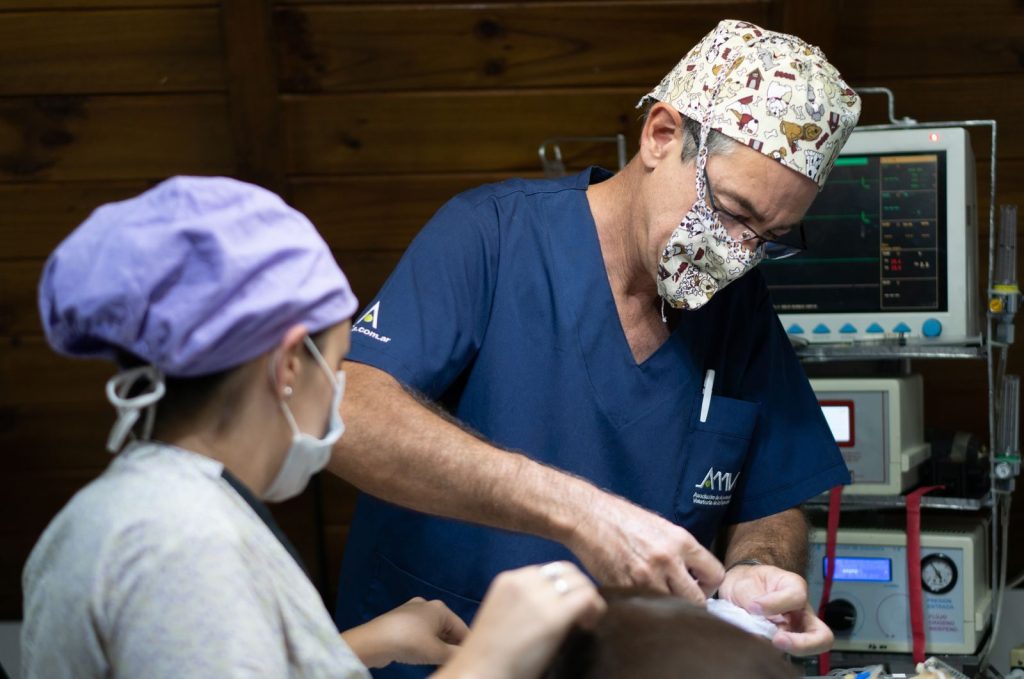
Officials reported that 11 rescued animals were taken to veterinary clinics and that four animals died. Those figures underline a difficult reality of disaster rescue: reaching an animal alive does not guarantee recovery. Smoke exposure, burns, dehydration, trauma, and underlying health problems can require professional treatment, while some injuries may be too severe. A rescue center therefore needs veterinary triage as well as cages and food. The Megara response brought veterinarians into the wider network of volunteers and welfare groups supporting animals after they were removed from immediate danger.
Family Reunions

By August 11, Megara officials said 131 rescued animals had been returned to their families. Another 91 were being fostered while awaiting adoption, according to the municipality’s update. These numbers were a snapshot at that date, not necessarily the final outcome for every animal. Reuniting pets after a disaster can take time because owners may themselves be displaced, communications may be disrupted, and identification can be difficult. Temporary fostering helps keep rescue hubs from becoming long-term shelters while giving animals somewhere safer to stay during that process.
Rescue Hotline

The municipality said an animal-rescue hotline handled 86 calls in a single 24-hour period. A dedicated contact point can help turn scattered reports into actionable information by recording where animals were last seen, whether they were confined, and what type of transport or handling might be needed. During a rapidly changing wildfire, however, rescuers still have to balance those reports against human safety and fire conditions. The call volume illustrates how quickly animal emergencies multiply when neighborhoods, farms, and surrounding countryside are all affected at the same time.
Volunteer Rescue Teams
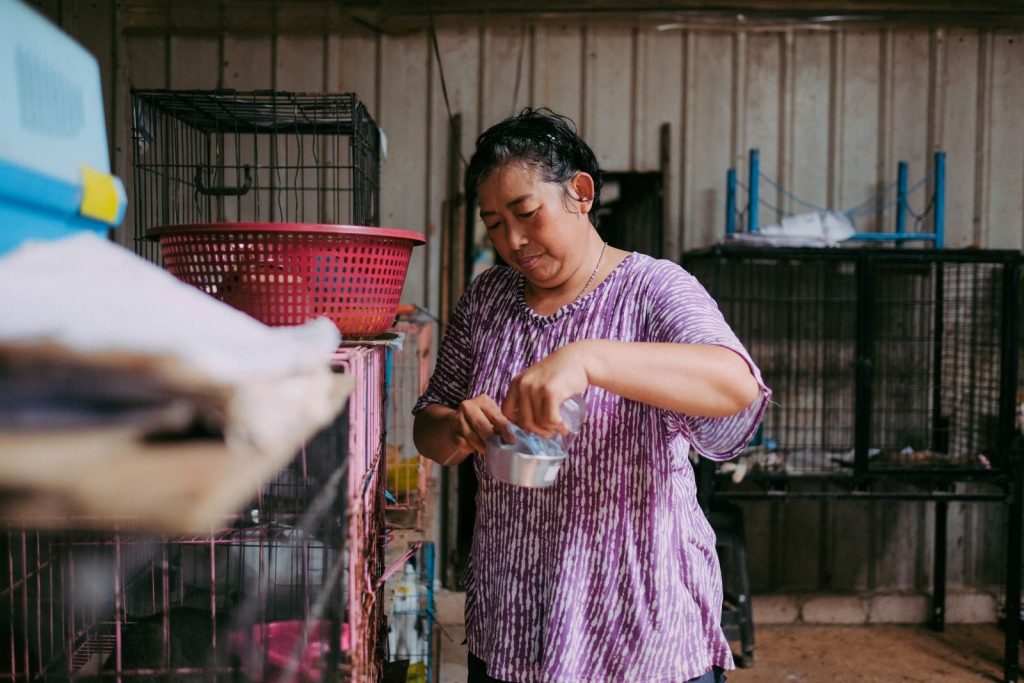
Local volunteers formed a major part of the Megara response, working alongside veterinarians, animal welfare groups, residents, and municipal services. Rescue organizer Elena Dede told the Associated Press that the heat was intense and the fire repeatedly changed direction. That unpredictability is one reason animal rescue during an active wildfire can be extremely dangerous. The effort saved hundreds of animals, but it also exposed a larger challenge: small charities and volunteers can suddenly face disaster-scale demand, creating calls for stronger organized animal-rescue planning before the next emergency begins.
Featured Image: Photo by Malachi Brooks on Unsplash