Appearance is a poor guide to how safely humans can interact with wildlife. Large eyes, soft fur, bright colors, or an almost toy-like body can make an animal seem harmless, yet defensive weapons and powerful toxins evolve for survival rather than to match human ideas of cuteness. Even normally peaceful animals can injure people when approached too closely.
That does not make these animals villains or mean attacks are inevitable. In most cases, giving wildlife adequate space dramatically reduces risk. The real danger often begins when people touch, corner, feed, handle, or attempt photographs at unsafe distances. These eight animals are reminders that appreciating wildlife and treating it like a pet are two very different things.
Slow Loris

With huge forward-facing eyes, small ears, and gentle-looking movements, slow lorises have become symbols of “cute” exotic wildlife online. They are also the world’s only known venomous primates. A loris combines secretions from a gland on its arm with saliva, producing a bite capable of causing severe reactions. Smithsonian researchers note that bites can trigger dangerous anaphylactic shock, and at least one human death has been reported. Their unusual defense makes handling a slow loris risky for both the person and the stressed animal.
Blue-Ringed Octopus

A blue-ringed octopus can fit easily into a person’s hand, making its danger surprisingly easy to underestimate. When threatened, brilliant blue rings become conspicuous across its body. Australian Museum information warns that these octopuses possess tetrodotoxin, a powerful neurotoxin capable of causing paralysis. The animals generally avoid conflict, but picking one up can create exactly the defensive situation that should be avoided. Their tiny size is therefore no indication of safety. Tide-pool wildlife should be observed where it is rather than handled for photographs.
Golden Poison Frog

The golden poison frog is small, vivid, and visually striking, but its skin can carry extraordinarily potent toxins in the wild. The Natural History Museum describes it as one of the most poisonous animals known, with wild individuals carrying enough toxin to pose a potentially lethal threat. Interestingly, captive frogs raised on controlled diets generally lose much of this toxicity, supporting the idea that compounds obtained through natural prey contribute to their chemical defenses. Their brilliant yellow coloration works as a warning rather than an invitation to touch.
Cassowary
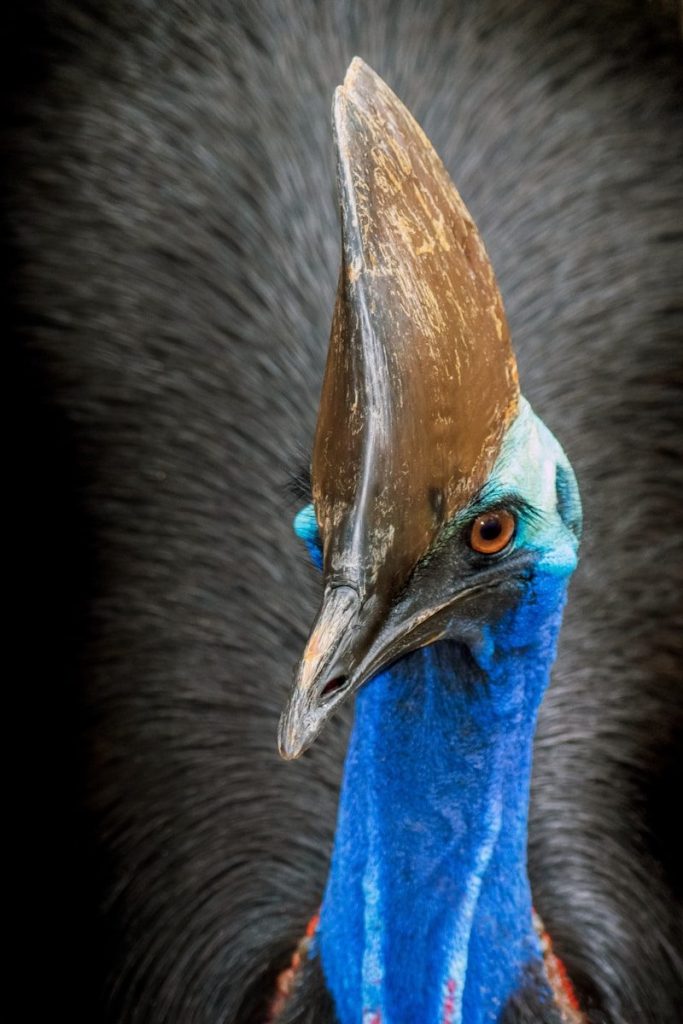
A cassowary may have a colorful neck and an almost prehistoric charm, but it is a powerful flightless bird equipped with strong legs and large claws. Smithsonian information notes that cassowaries usually avoid people, yet they can defend themselves with force when threatened, cornered, or habituated to humans. A famous fatal incident occurred in Australia in 1926, while other encounters have caused injuries. The safest response to a cassowary is not panic or confrontation, but respecting its space and never encouraging it to approach for food.
American Bison
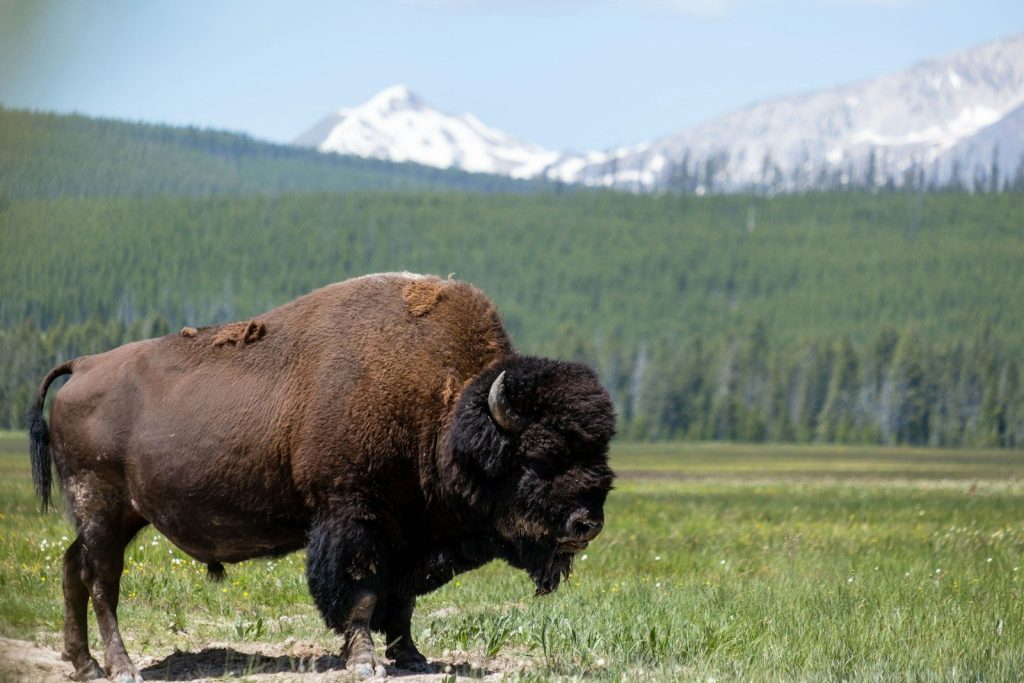
Bison calves and shaggy adults often look calm enough to approach, especially when animals are standing quietly beside roads. Yellowstone National Park repeatedly warns against that assumption. Bison have injured more visitors there than any other animal and can run several times faster than a person. The park requires people to remain at least 25 yards away. In June 2026, another Yellowstone visitor was injured during a bison encounter, reinforcing that a grazing herbivore can become dangerous extremely quickly when people enter its personal space.
Moose
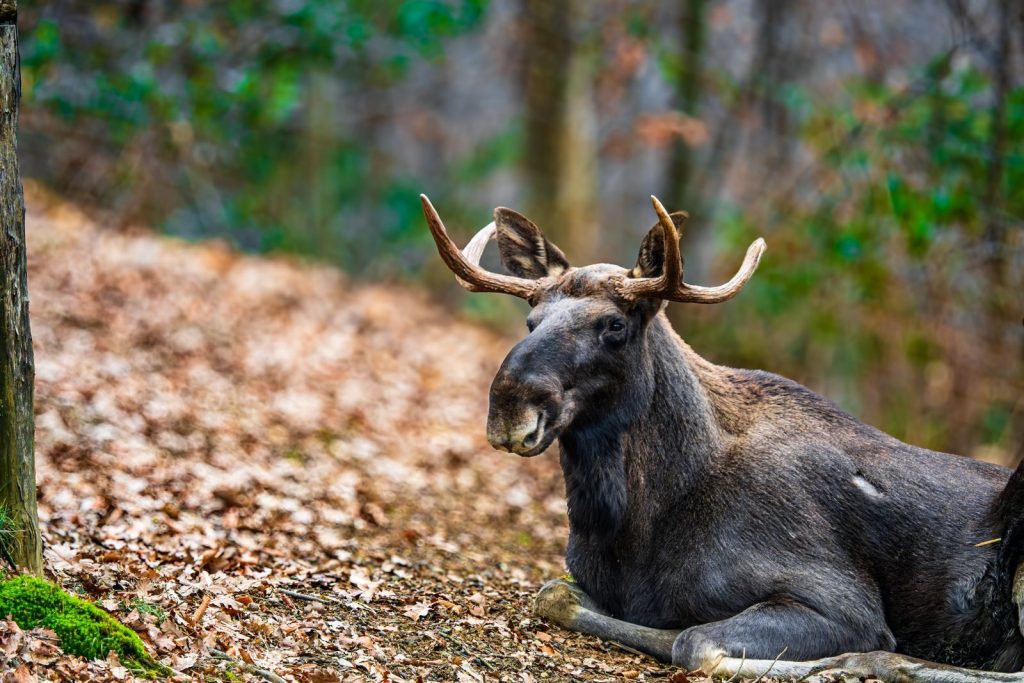
A moose’s long face, oversized ears, and awkward-looking legs can make it seem almost comical, but adults are enormous animals capable of charging, kicking, and trampling. The National Park Service warns visitors to remain at least 25 yards away, especially from cows with calves. Moose usually prefer avoiding conflict, yet they can respond forcefully when they perceive a person or dog as a threat. Their size gives even a defensive strike tremendous power. Seeing one beside a trail is therefore a reason to create distance, not move closer.
Sea Lion
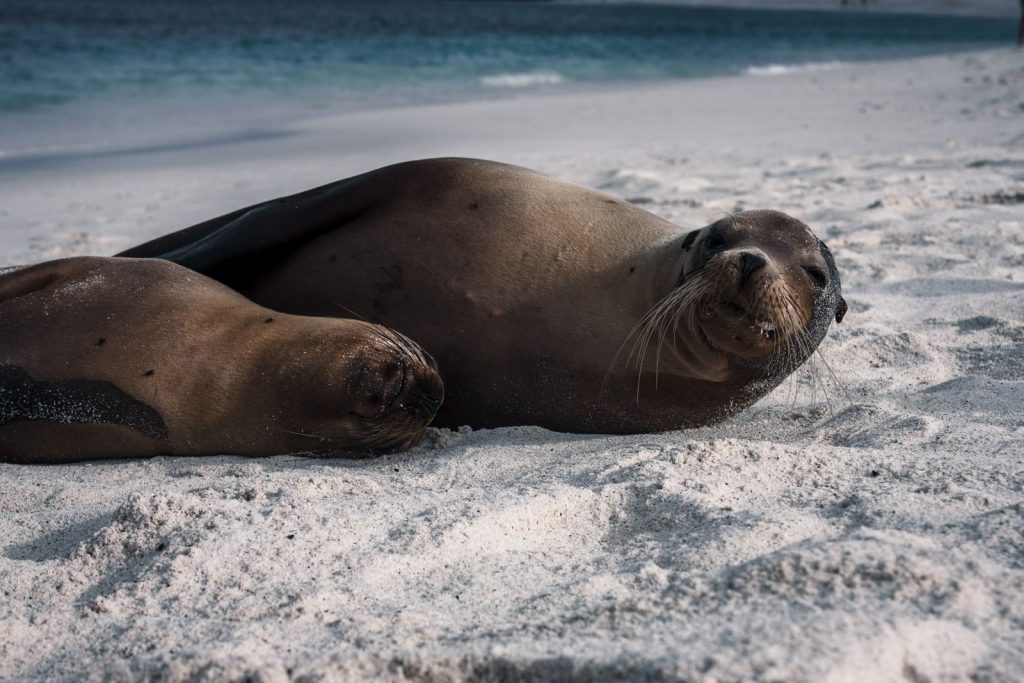
Sea lions are playful-looking, expressive, and often comfortable resting near beaches, docks, and other places people use. That familiarity does not make them domesticated. NOAA advises keeping substantial distance from seals and sea lions, and documented incidents show that sea lions can bite people who come too close. Large males are particularly powerful animals. People should also watch for behavioral signs of disturbance and give an animal an escape route. Observing from a distance protects humans while preventing resting, feeding, nursing, or recovering animals from being repeatedly stressed.
Hippopotamus
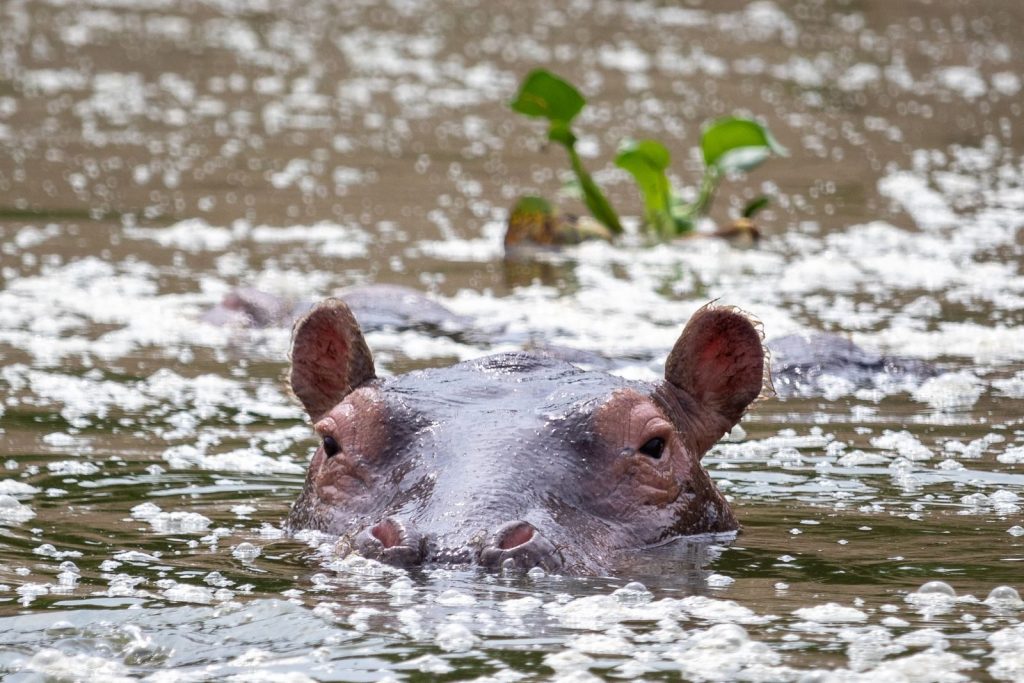
Rounded ears, small calves, and a barrel-shaped body have given hippos an oddly lovable image, but wild hippos demand serious respect. Males defend stretches of water, while mothers can be highly protective of calves. San Diego Zoo warns that boaters entering hippo territory can provoke aggressive responses. Their enormous jaws, size, and speed make close encounters exceptionally dangerous. Hippos are not malicious animals searching for humans to attack. Problems occur when people enter the space of a powerful territorial animal that has very effective ways of defending itself.
Featured Image: Photo by Kathrin Fischer on Pexels