The original title does not identify an insect, so assigning one exact viral subject would be guesswork. The harlequin ladybird is a well-documented example that closely fits the premise.
Originally native to Asia, this colorful beetle has spread across much of the world after deliberate biological-control introductions and subsequent natural expansion. Its success has affected native ladybirds in several invaded regions.
Harlequin Ladybird
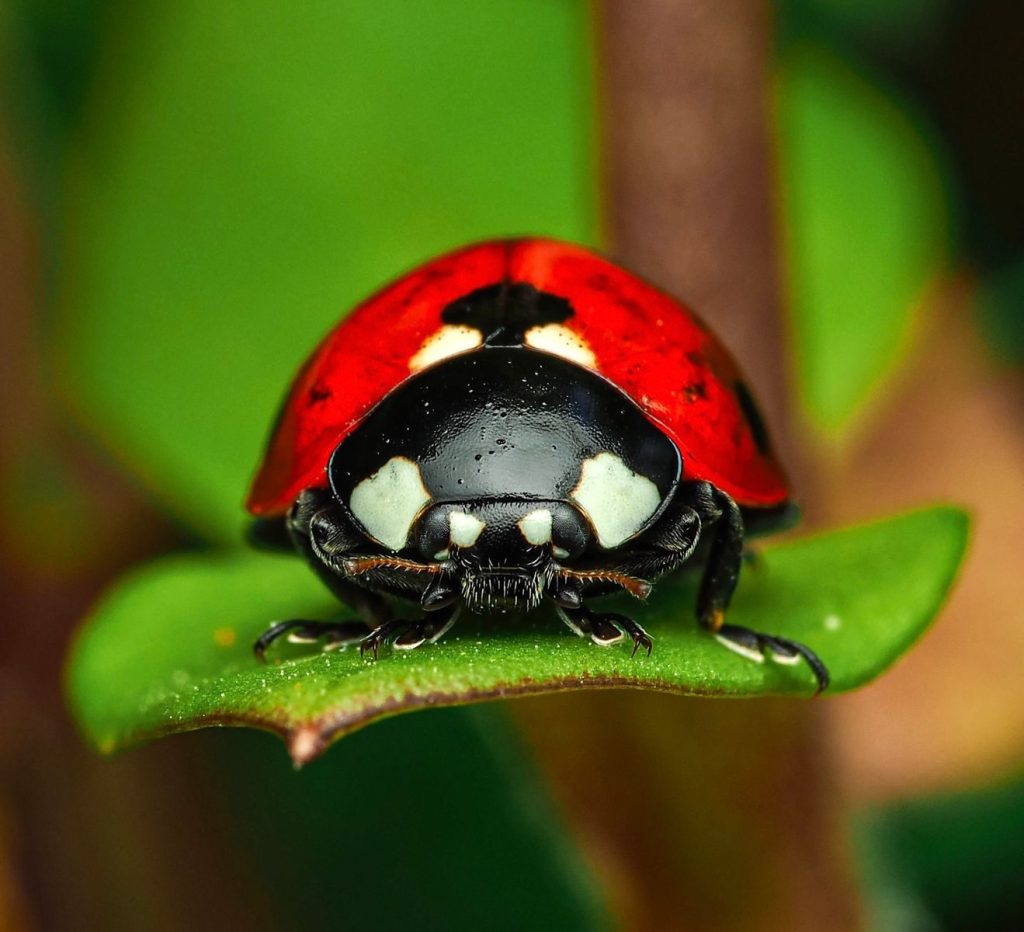
The harlequin ladybird, Harmonia axyridis, is naturally found across parts of eastern Asia. It is slightly larger than many familiar ladybirds and is one of the most variable species in the group.
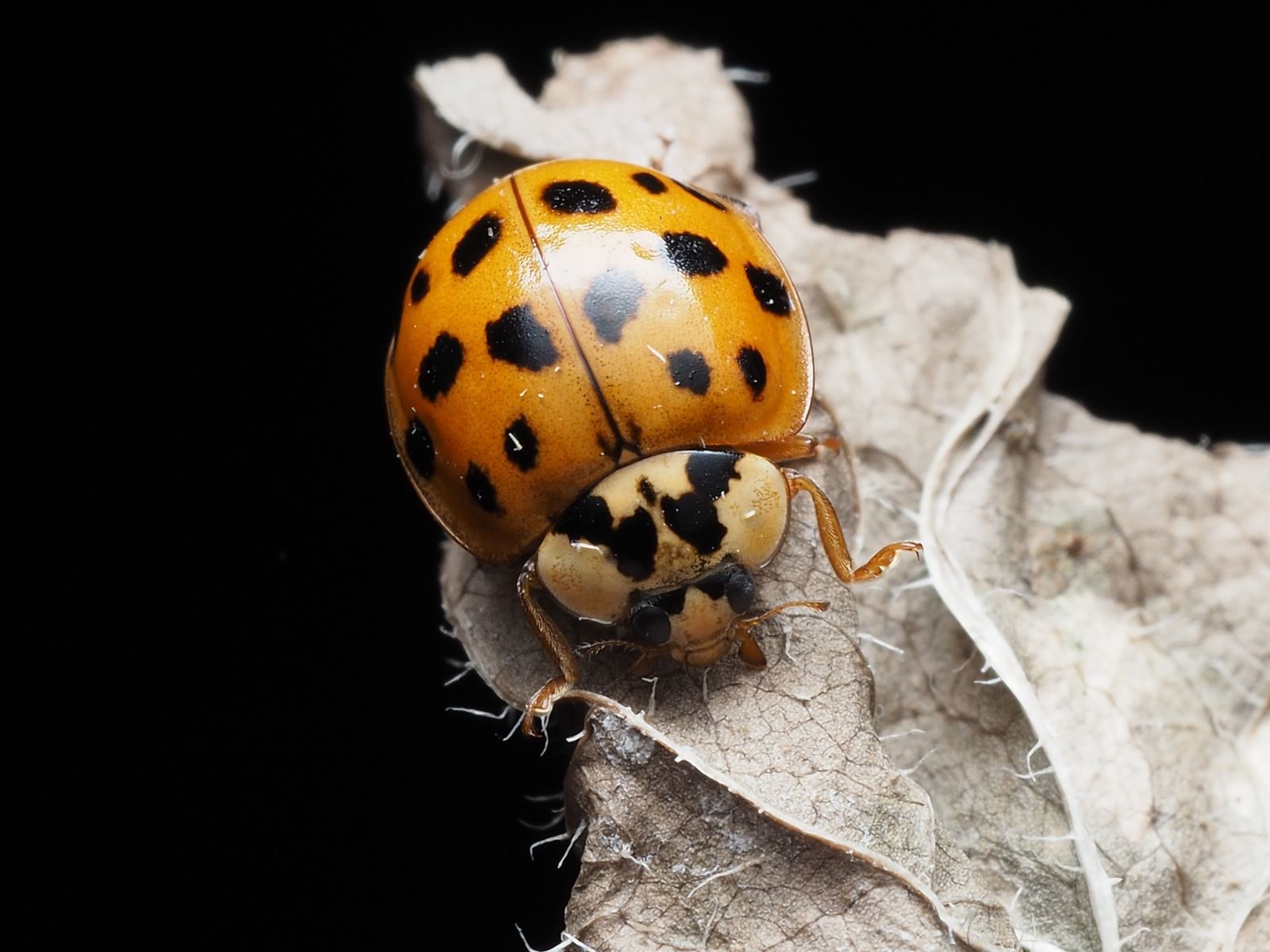
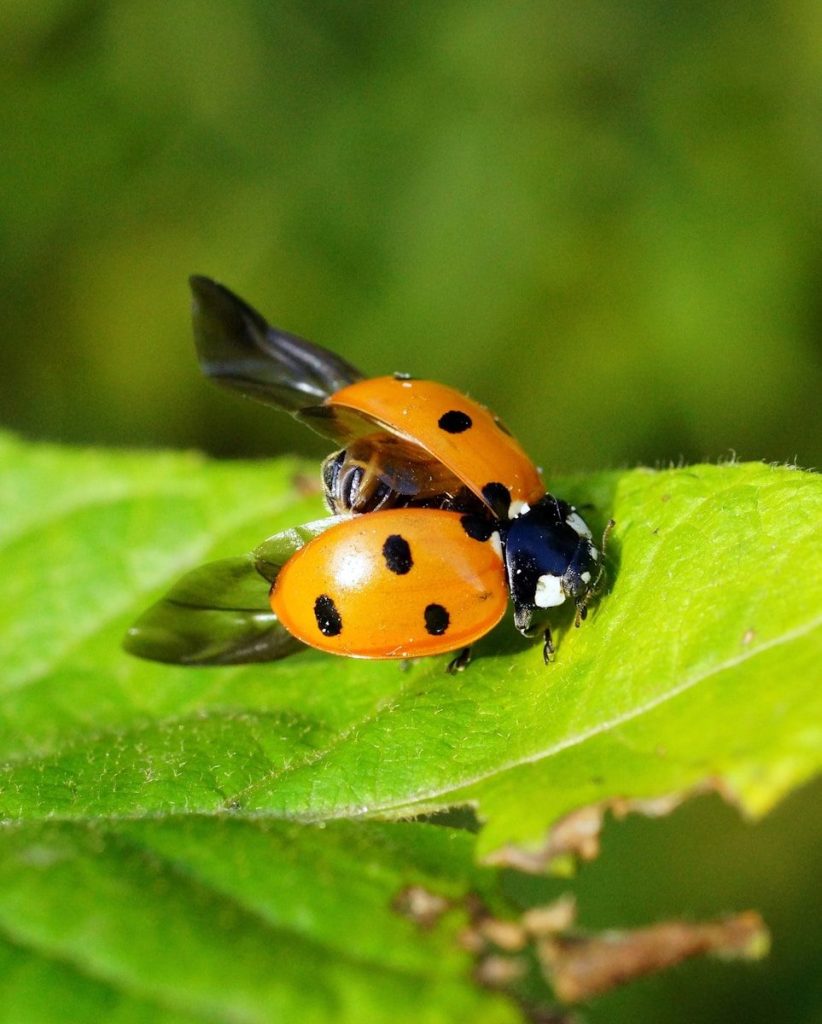
An individual may be red with black spots, orange, or almost black with red markings, making identification confusing. Natural History Museum specialists note that orange legs and an orange underside are useful clues in Britain. Its cheerful appearance hides nothing sinister—it is simply a highly adaptable predatory beetle whose introduced populations have expanded extraordinarily quickly.
Many Color Forms
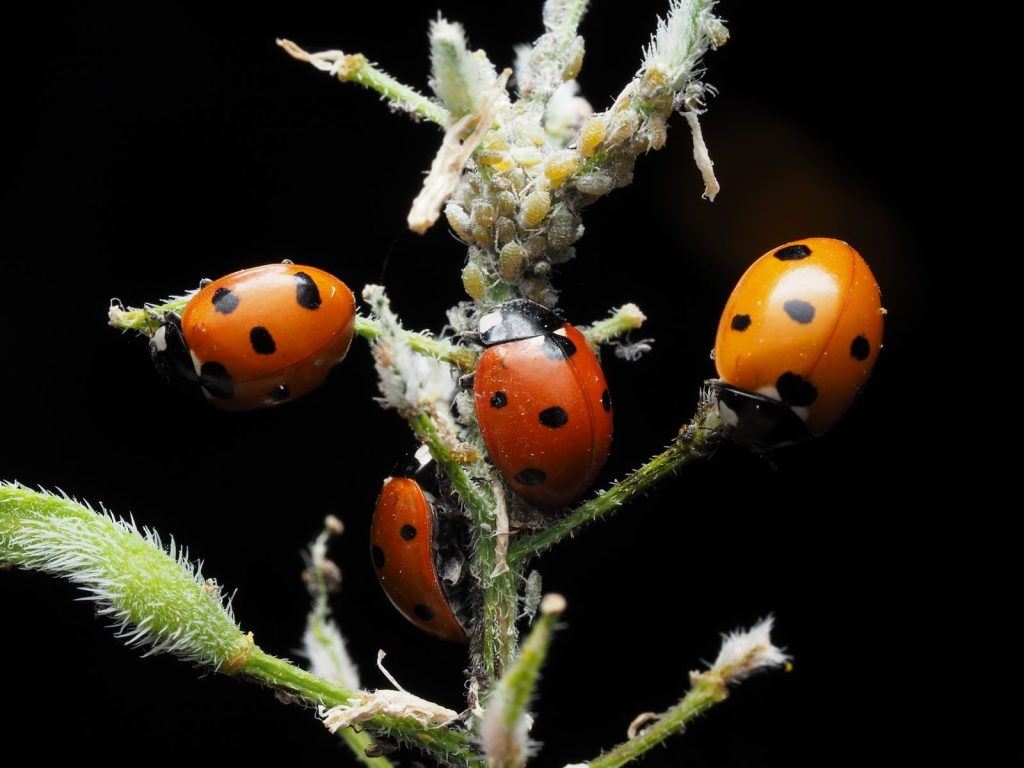
The word “harlequin” suits a beetle whose appearance can change dramatically between individuals. Some carry many black spots, others very few, while darker forms can reverse the familiar ladybird pattern almost completely.
That variation helped create the “funny-looking insect” reputation but can also make citizen identification difficult. Photographs have nevertheless become valuable tools for tracking its spread. Researchers studying Britain and Ireland assembled tens of thousands of verified records submitted over many years, producing an unusually detailed picture of how rapidly one invasive insect colonized a new landscape.
Introduced for Pest Control
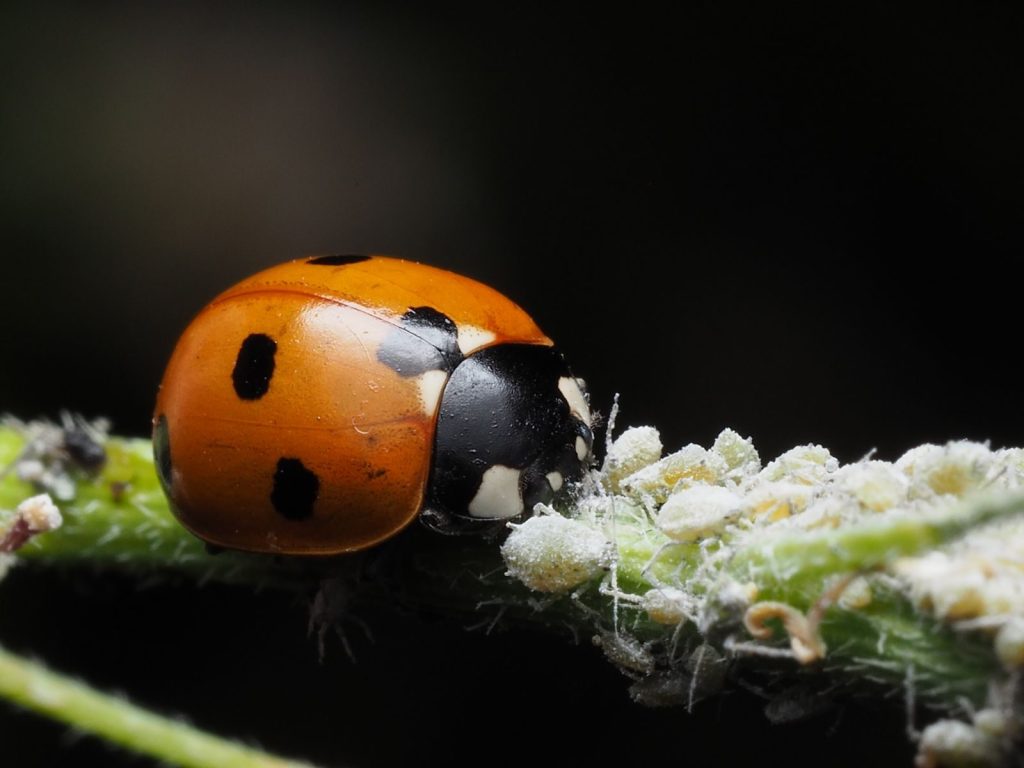
Harlequin ladybirds became international travelers partly because people deliberately moved them. Their appetite for aphids and scale insects made them attractive biological-control agents for farms, gardens, and glasshouses outside their native Asian range.
Nature research records introductions to numerous European countries, while populations also became established elsewhere. The original goal was beneficial: use a natural predator to suppress crop pests. The problem appeared after released or escaped beetles established self-sustaining populations, spread far beyond intended sites, and began interacting with native species that had not evolved alongside such a prolific competitor.
Rapid Global Spread

The harlequin now occurs across Asia, Europe, North America, South America, southern Africa, and New Zealand. That extraordinary distribution justifies calling it a global invader more than saying it has literally “taken over the world.”
Its British expansion shows the speed involved. A Scientific Data study compiled 48,510 verified records from Britain and Ireland between its first arrival and 2016, documenting particularly rapid spread during the early invasion. International transport moved some beetles between regions, while normal flight allowed established populations to expand naturally across neighboring landscapes.
An Effective Aphid Hunter
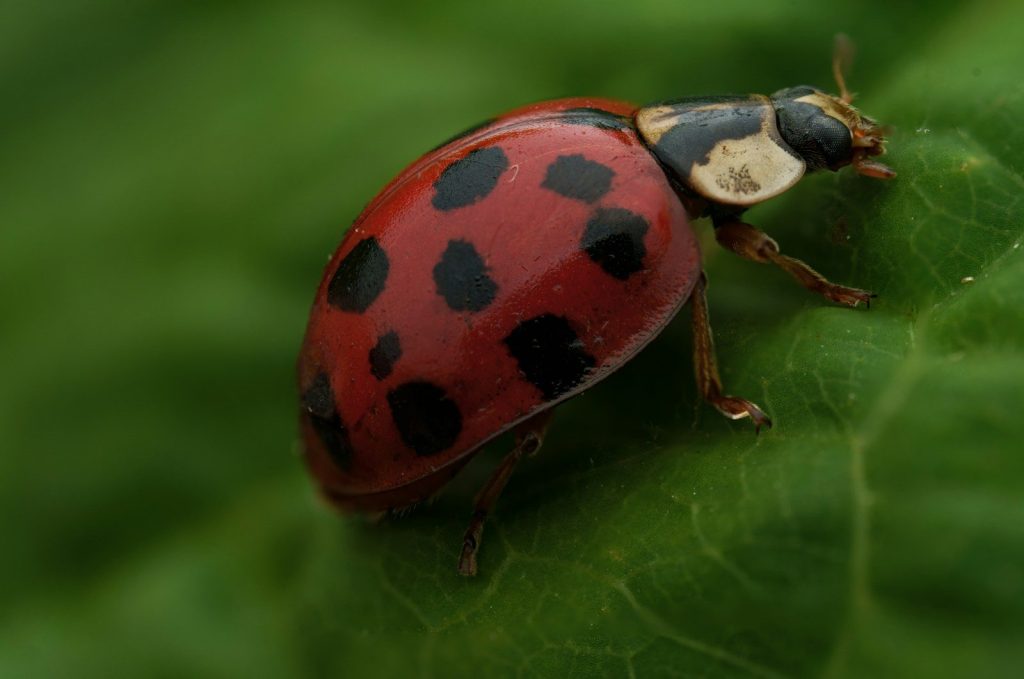
Harlequin ladybirds remain efficient predators of aphids, which is exactly why people introduced them in the first place. Adults and larvae consume large numbers of soft-bodied insects that can damage garden and agricultural plants.
That creates an important ecological complication: an invasive species can perform a genuinely useful function while still causing unwanted effects. Harlequins do not become “bad insects” because they crossed borders. The conservation concern comes from their abundance, competition with native predators, and ability to eat species beyond the pests they were originally intended to control.
Native Ladybird Competition
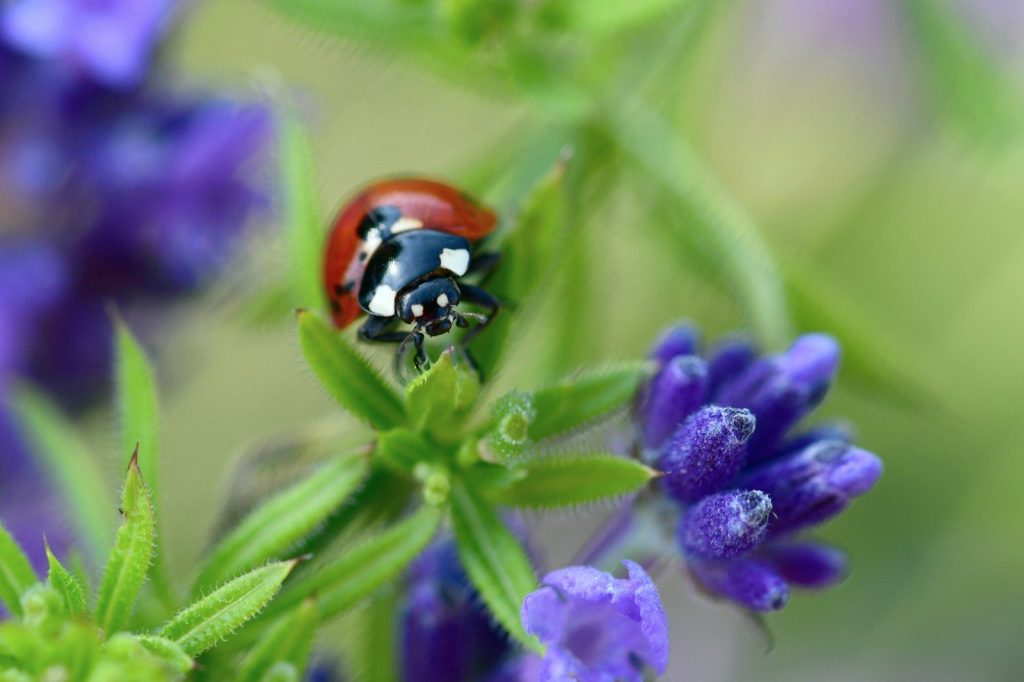
Harlequins compete with native ladybirds for aphids and can also consume the eggs and larvae of other ladybird species. Long-term research has connected their arrival with serious declines in some native ladybirds in invaded European habitats.
Their success comes partly from broad habitat use, rapid reproduction, and flexible feeding. Yet the outcome is not total extermination of native beetles. Natural History Museum specialists note that diseases and predators increasingly use harlequins as prey or hosts too, suggesting ecological relationships continue changing after the first dramatic phase of invasion.
Ladybirds Inside Houses
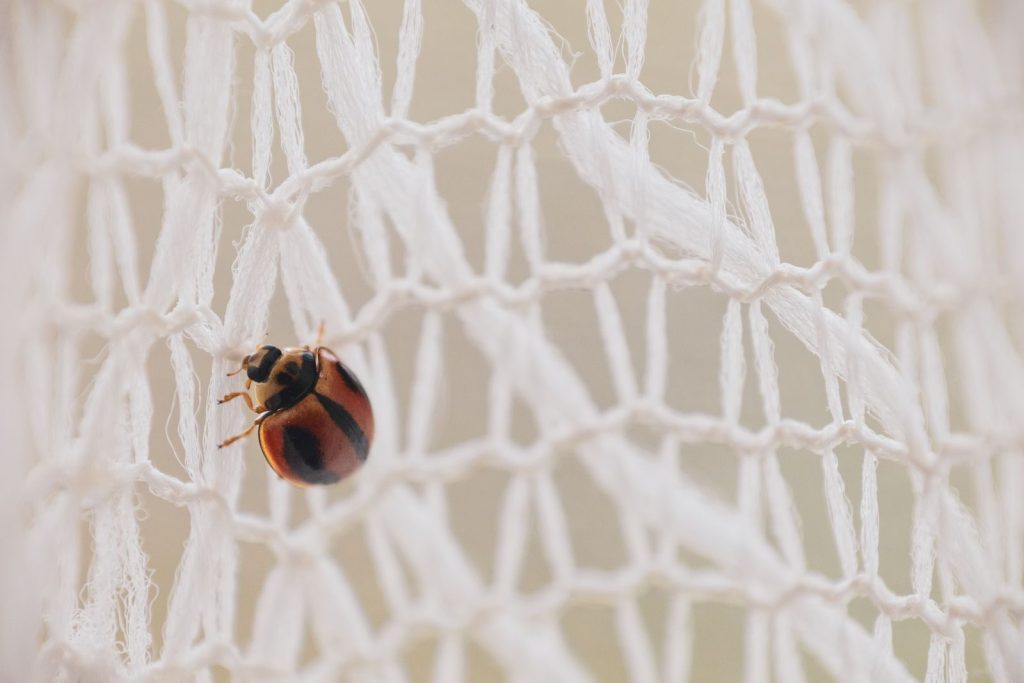
Harlequins often become most noticeable when large numbers gather around buildings during cooler weather. Instead of overwintering only in natural shelters such as hollow trees, clusters may enter gaps around windows and spend the cold season inside houses.
For people this can be annoying, but the insects are not a major physical danger. Natural History Museum guidance says there is generally no need to kill them. Crushing the beetles can release yellow defensive secretions that smell unpleasant and stain surfaces, making simply excluding or moving them a cleaner response.
An Invader Here to Stay
Once an invasive species becomes widespread across several continents, complete eradication becomes unrealistic. Natural History Museum specialists describe Britain’s harlequin population as effectively established for the long term, although native predators and diseases may eventually help create a new balance.
That is why preventing invasions early is so important. A few transported insects can be managed far more easily than millions spread across countries. The harlequin’s story began with good intentions—controlling crop pests—but became a classic demonstration of how introducing a useful predator can produce ecological consequences far beyond the original plan.