The title does not identify the animal or an authenticated rescue, so its species, location, injuries, and behavior cannot responsibly be invented.
What wildlife authorities repeatedly warn is that an injured animal may become more defensive when people approach. The animal does not know that an unfamiliar human intends to help; close contact may simply appear to be another threat.
Injured Wild Animal

Pain, weakness, entanglement, or illness can change how a wild animal responds to people. U.S. Fish and Wildlife Service guidance specifically warns that an injured animal may be more likely to behave aggressively.
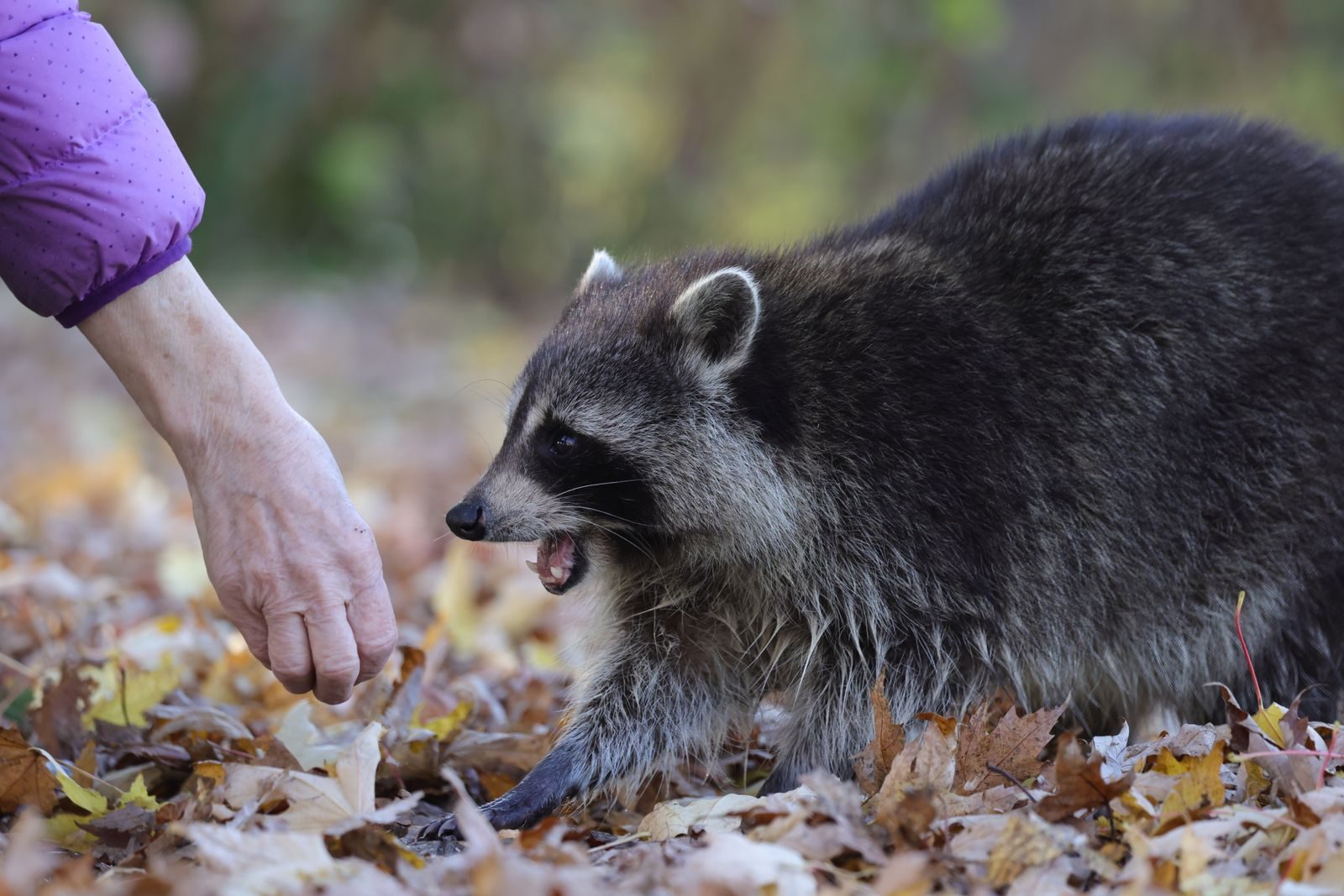
That response should not be interpreted as ingratitude. Wildlife cannot be expected to understand a human rescue plan. A hand reaching toward an injured bird, mammal, or reptile may resemble capture by a predator, giving the animal a strong biological reason to struggle, bite, scratch, kick, or flee if it still can.
Human Approach
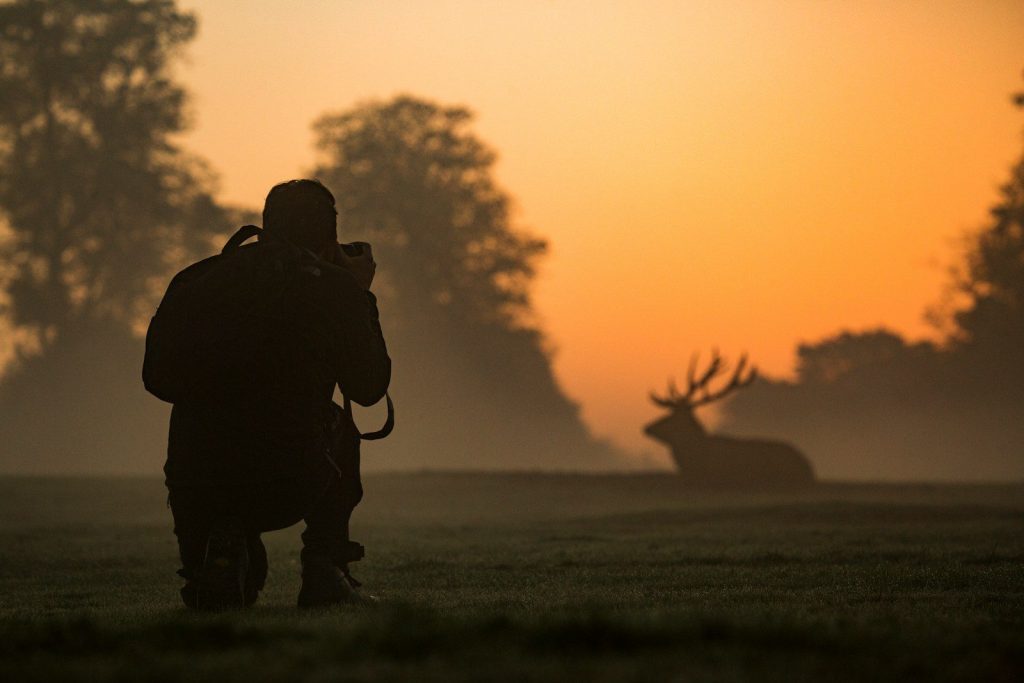
Most wild animals naturally try to maintain distance from people. Closing that distance removes one of their easiest defensive options and can turn an otherwise stationary encounter into frantic escape behavior.
The Fish and Wildlife Service notes that disturbing sick or injured wildlife can increase stress and even push vulnerable animals into shock. A person therefore should not assume that getting physically closer automatically provides better care. Observing from a safe distance often gives professionals more useful information without adding another source of disturbance.
Blocked Escape Route

Wildlife frequently relies on escape rather than confrontation. When people surround an animal, block an exit, or repeatedly move toward it, that safer option can disappear.
An animal that suddenly lunges or snaps during an attempted rescue may therefore be creating space rather than launching an unprovoked attack. The practical lesson is not to test how much pressure an injured animal will tolerate. Wildlife professionals assess the environment before capture because reducing unnecessary pursuit can protect both the animal and the humans trying to assist it.
Bites and Scratches
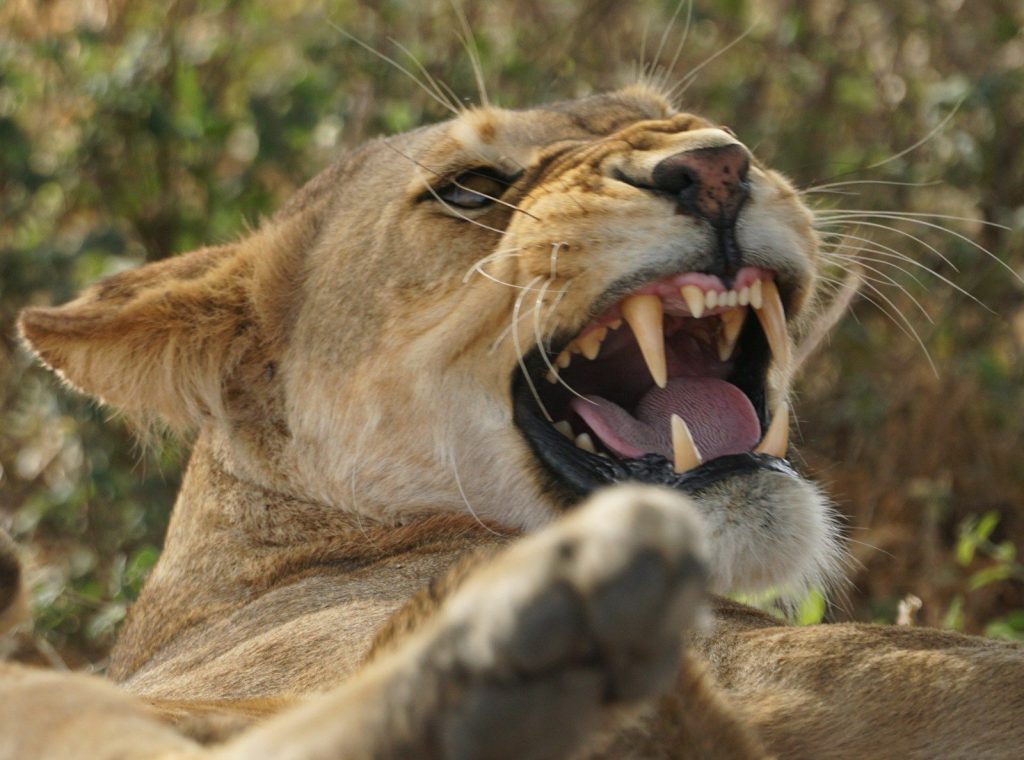
Even relatively small wildlife can cause meaningful injuries with teeth, claws, beaks, or feet. Larger mammals and raptors create still greater handling risks, especially when pain or restraint triggers defensive movements.
This is one reason official guidance recommends contacting a rehabilitator before attempting capture. A person who is bitten during an improvised rescue creates a second emergency while the original animal may still escape untreated. Specialized handling methods exist because successful rehabilitation begins with getting both patient and responder through the initial encounter safely.
Wildlife Disease Risk

Physical injury is not the only concern. Sick wildlife can carry pathogens transmissible to humans or pets, and visible abnormal behavior may sometimes reflect disease rather than trauma.
U.S. Fish and Wildlife Service guidance specifically calls for extra caution around animals such as bats, raccoons, and skunks because of rabies concerns. Other species present different disease risks. This makes species identification and professional advice important before contact; good intentions do not provide protection against infections carried by an unfamiliar wild animal.
Unnecessary Rescue
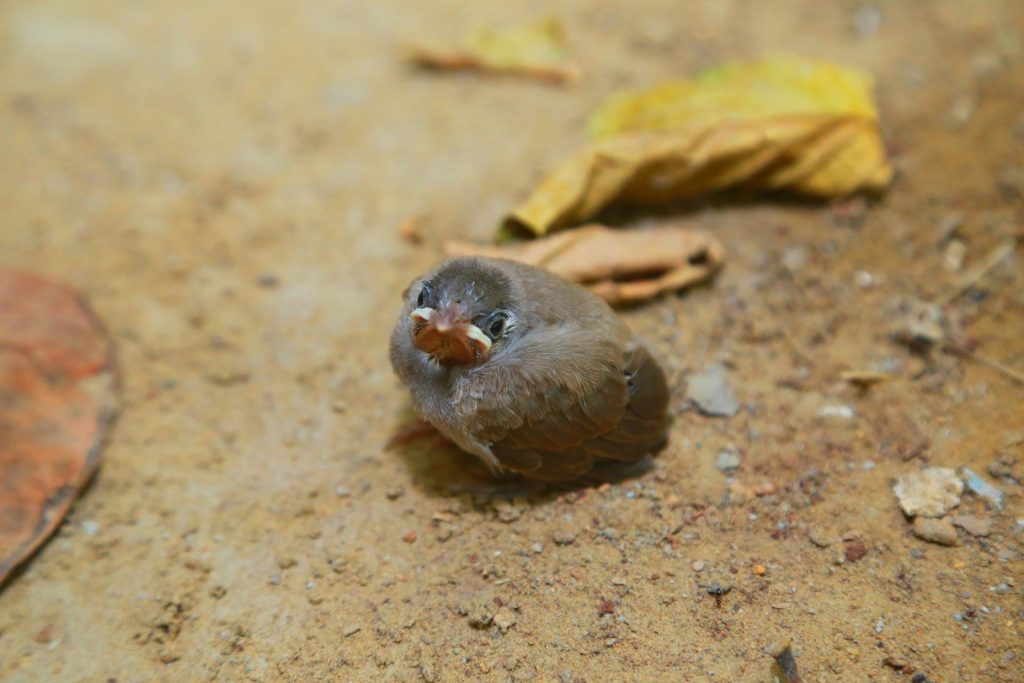
One of the most common wildlife mistakes is rescuing an animal that never needed help. Young birds on the ground may be normal fledglings, and young mammals that appear alone can have parents nearby.
Removing healthy youngsters exposes them to stress and can reduce their chances of normal development. Fish and Wildlife Service guidance recommends intervention when there are clearer signs such as serious wounds, confirmed parental death, or hopeless entanglement. Watching first and seeking expert advice can prevent a well-intentioned rescue from becoming the problem.
Licensed Wildlife Rehabilitator

Wildlife rehabilitators receive training and, for many protected species, must hold specific permits. Their work includes safe capture decisions, medical assessment, appropriate diets, housing, minimizing human habituation, and determining whether an animal can eventually be released.
That expertise cannot be replaced by affection for animals or experience with pets. U.S. regulations even require substantial hands-on experience before someone can obtain certain migratory-bird rehabilitation permits. Rescue is therefore a specialist form of wildlife care rather than ordinary animal handling performed outdoors.
Safe Bystander Response

When genuinely injured wildlife is found, the safest first actions are usually to keep people and pets away, observe without crowding, and contact the appropriate wildlife authority or licensed rehabilitator.
Provide useful information such as the animal’s location, visible injuries, and what happened if known. Do not feed, chase, or repeatedly handle it unless a professional gives specific instructions. A rescue succeeds when unnecessary stress and injury are minimized—not when a dramatic video shows someone physically battling an animal that is trying to defend itself.