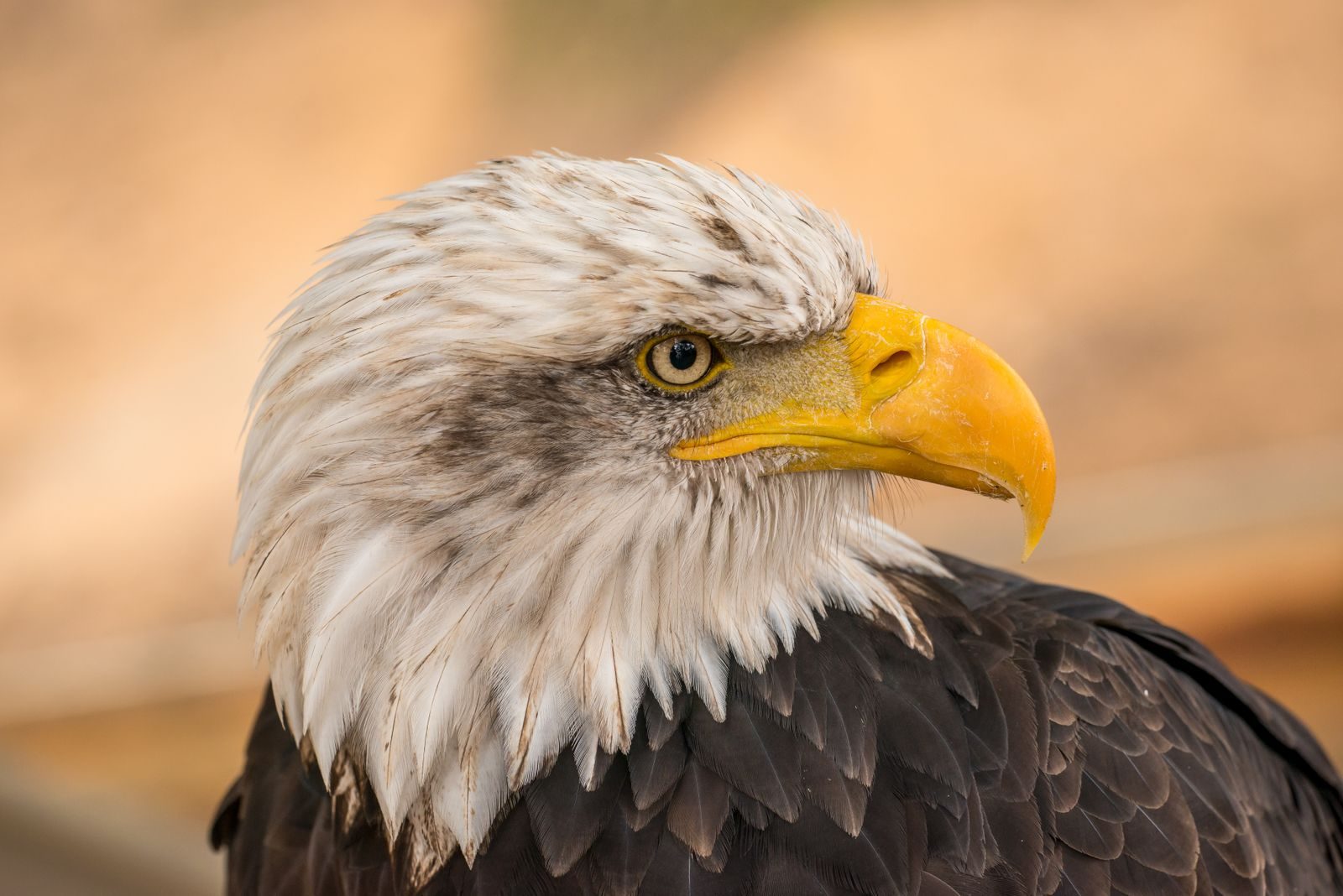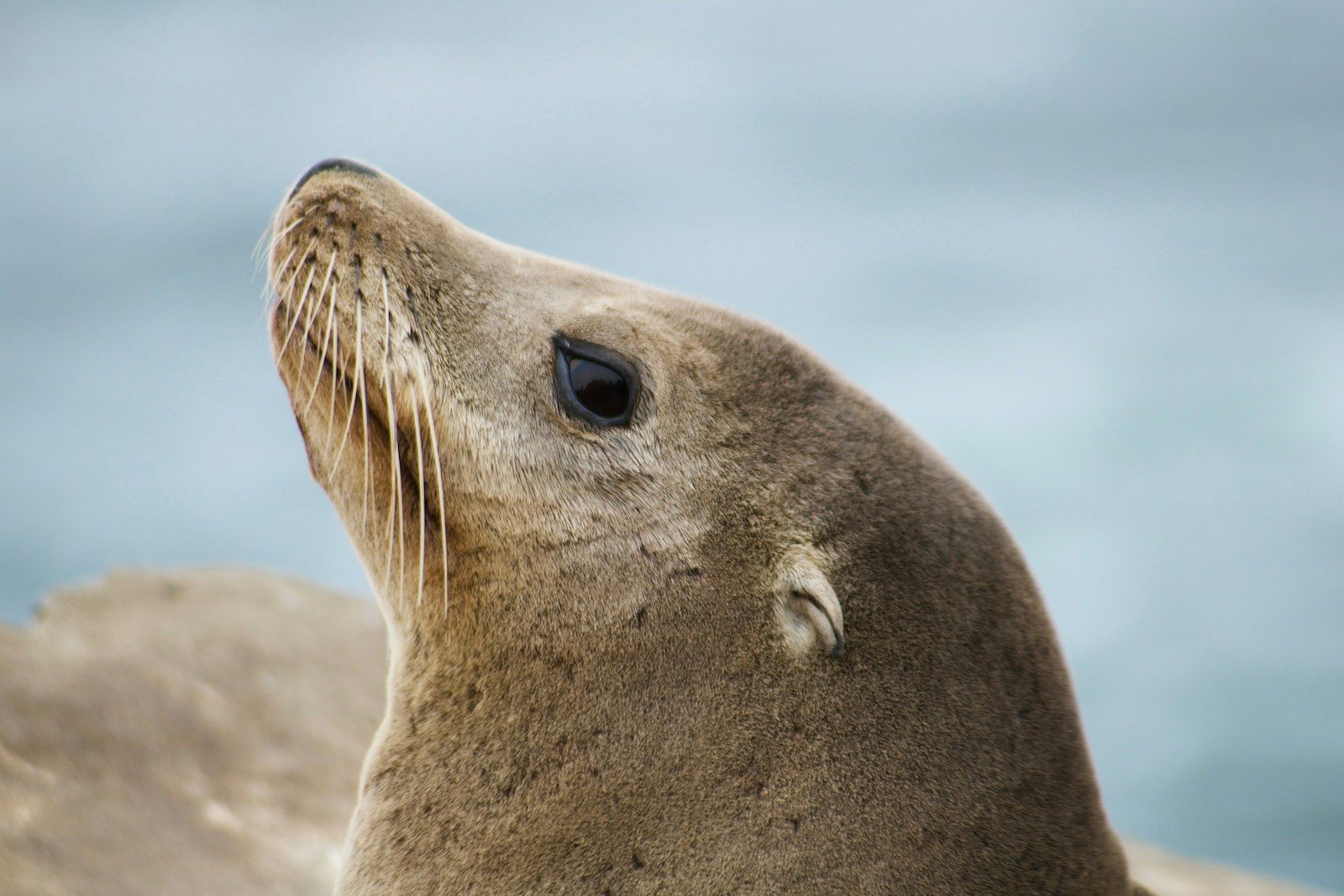
A video with this title exists online, but the title alone does not provide enough independently verified information to establish the sea lion, location, rescuer, or outcome. Those details should not be invented.
Professional marine-mammal organizations document many comparable rescues. Their experience shows why removing fishing line from a sea lion is far more complicated than simply walking up and cutting it away.
Fishing-Line Entanglement
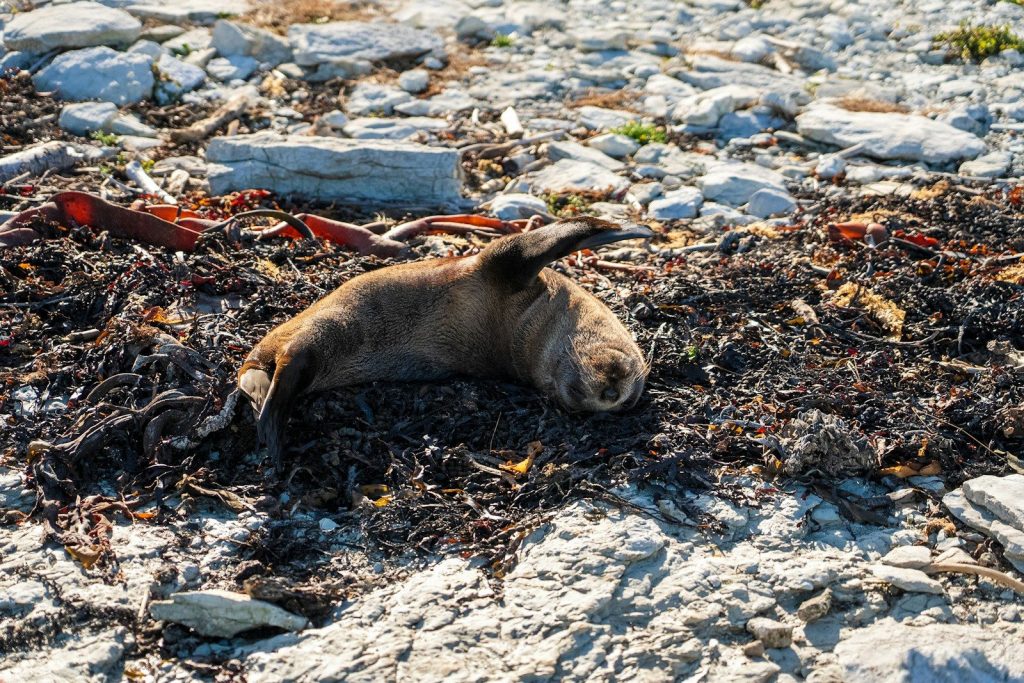
California sea lions and other pinnipeds can become caught in monofilament line, net fragments, rope, packing straps, and other marine debris. Entanglement frequently occurs around the neck or body, where the material may remain attached as the animal moves.
The Marine Mammal Center warns that these injuries can become fatal. Fishing line looks harmless when loose, but a loop around a swimming animal can tighten, cut through tissue, interfere with feeding, or create wounds that become progressively more serious.
Growing Sea Lion
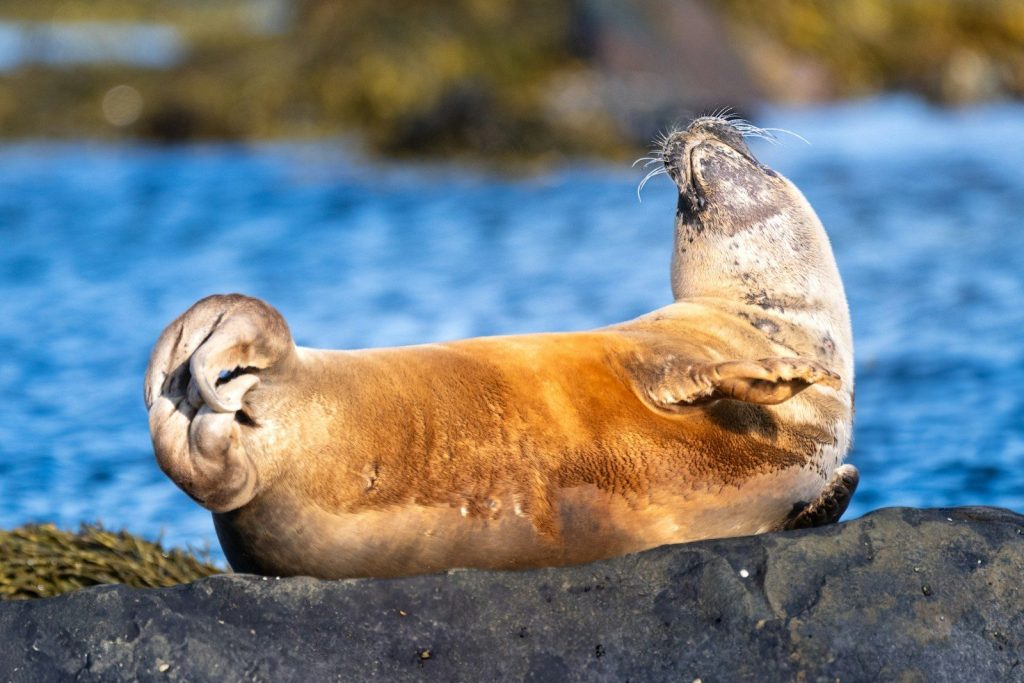
A loop caught around a young sea lion may become increasingly dangerous as the animal grows. Material that once sat loosely around the neck can eventually cut deeply into skin and underlying tissue.
The Marine Mammal Center has documented extreme cases. A California sea lion named Thin Mint developed a fishing-line wound so deep that it eventually created an opening into his trachea. His case required major veterinary intervention, showing why an apparently thin piece of line should never be dismissed as a minor inconvenience.
Difficult Rescue Target
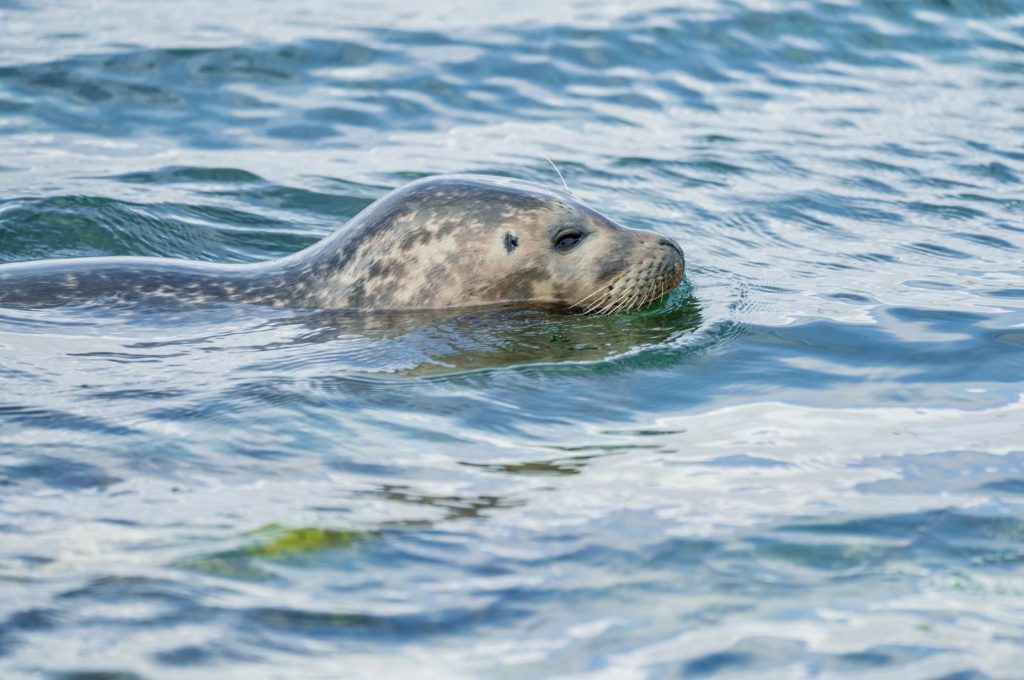
An entangled sea lion may still swim, dive, climb onto docks, and move over large stretches of coastline. That mobility makes rescue very different from helping a domestic animal confined to one backyard.
The Center has documented animals that required repeated observations and carefully coordinated attempts before responders could safely intervene. O’Neill, for example, was tracked during a specialized operation using acoustic equipment after becoming entangled in fishing nets. Finding the animal is often only the first challenge.
Rescue Team Planning
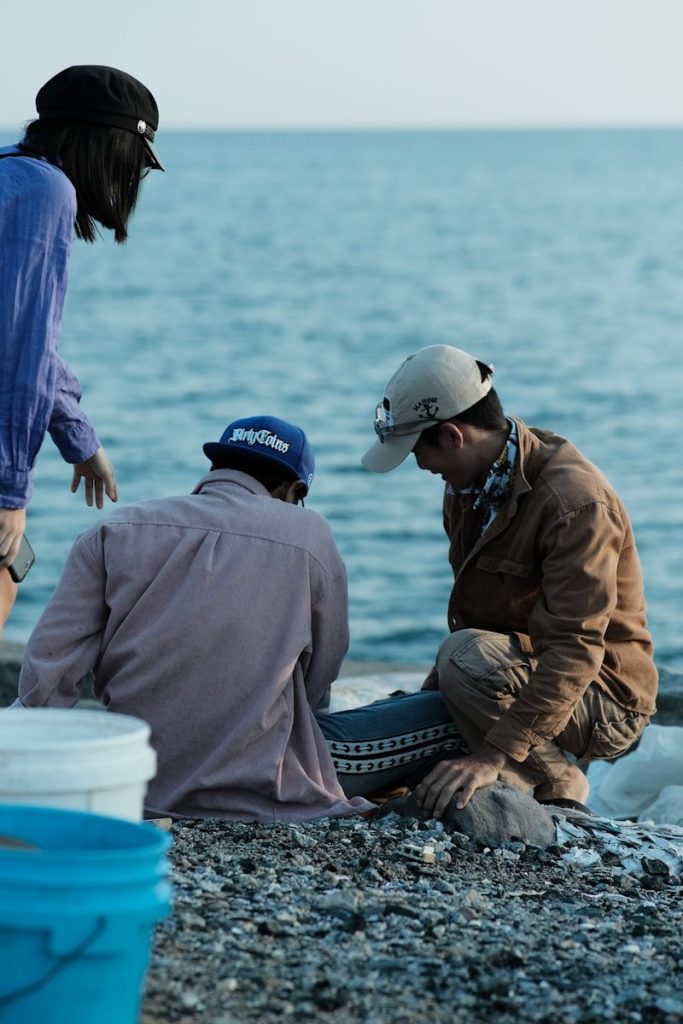
Marine-mammal disentanglement requires specialists who understand the animal’s behavior, anatomy, medical condition, and surroundings. Teams must decide whether intervention is possible without creating an even more dangerous situation.
The Marine Mammal Center describes these operations as high-risk rescues that can require substantial coordination. A large sea lion has powerful jaws and may react defensively when approached. Professional planning therefore protects rescuers while reducing the chance that a frightened animal escapes with the line still attached or worsens its injuries.
Safe Capture
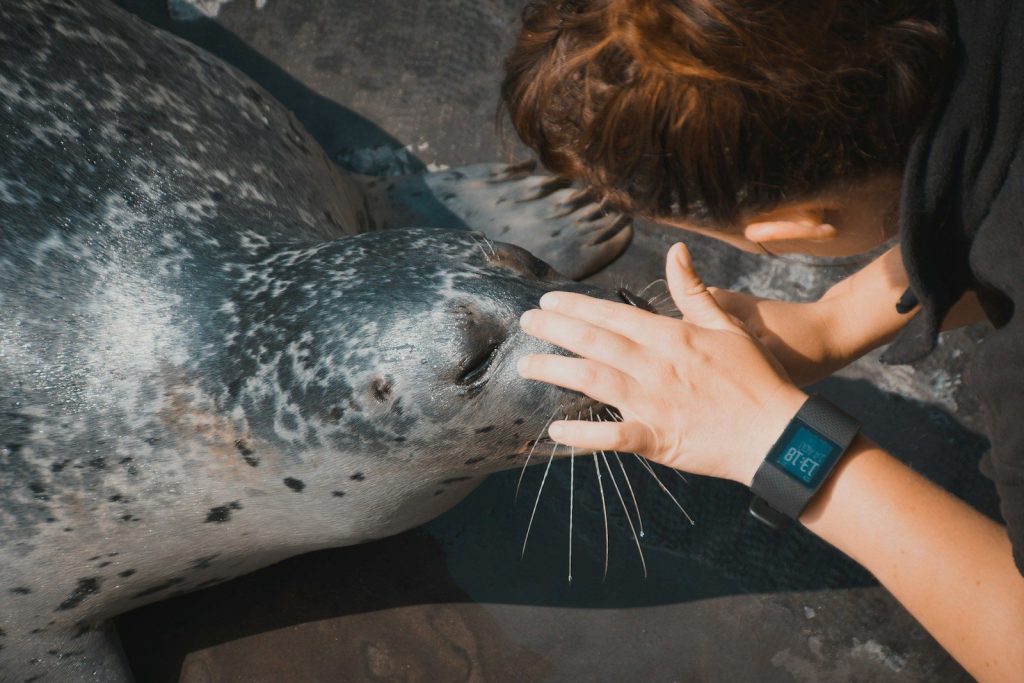
Depending on the animal and location, trained teams may need specialized capture techniques rather than trying to restrain a fully alert sea lion by force. Marine mammal veterinarians can determine whether sedation or another controlled method is appropriate.
These decisions require professional judgment because an animal may enter the water, experience medical complications, or react unpredictably. The success of documented disentanglements comes from combining veterinary expertise with species-specific rescue techniques, not from proving that one fearless person can overpower a wild marine mammal.
Removing the Line
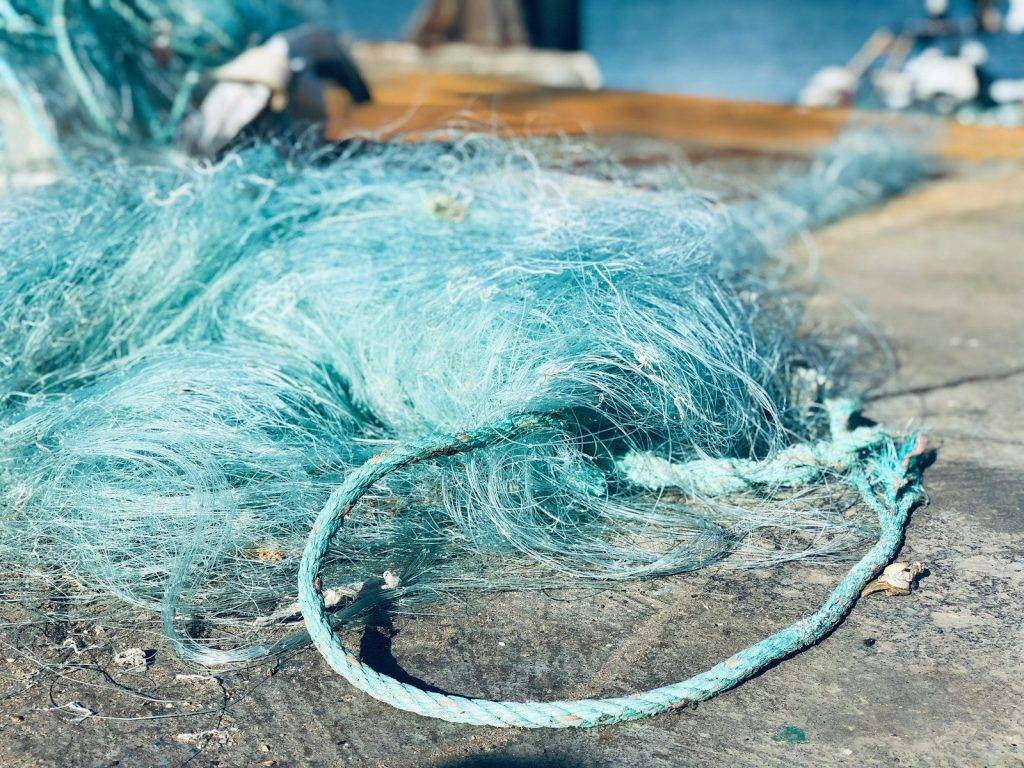
Once responders control the animal safely, the obvious-looking step—cutting away the line—may reveal a much bigger injury underneath. Deep entanglements can damage skin, muscle, airways, and other tissues after remaining in place for weeks or months.
Thin Mint required surgery after his line had penetrated deeply into his neck. Other animals may need wound cleaning, antibiotics, pain management, fluids, nutrition, or additional treatment before release becomes possible. Removing debris solves the source of injury, not necessarily the medical consequences it has already caused.
Sea Lion Recovery
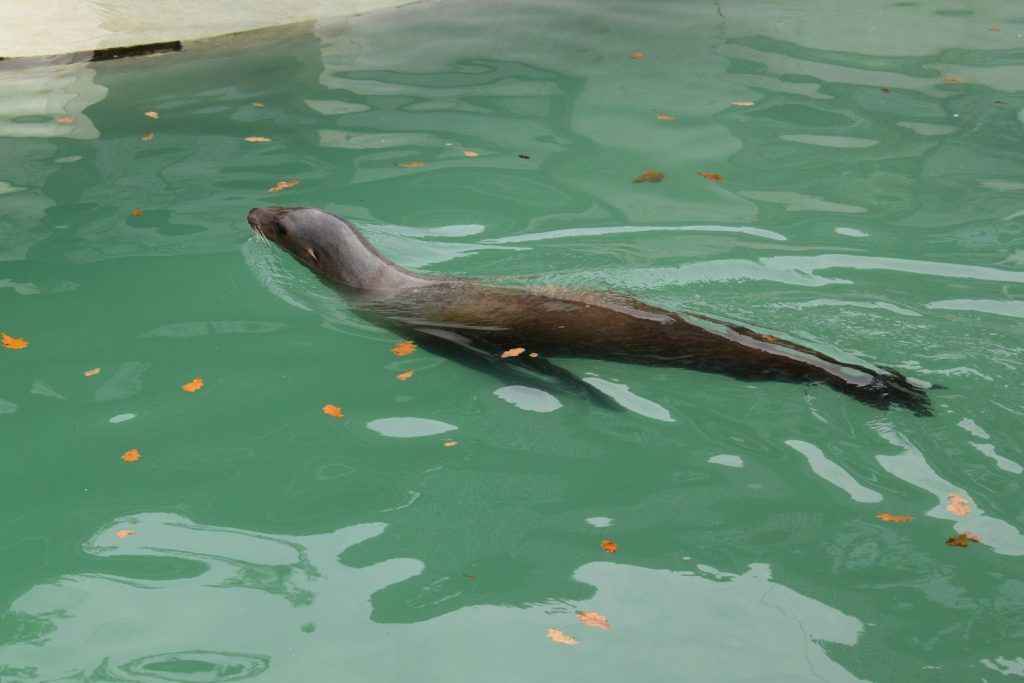
Some rescued sea lions recover quickly enough for release, while badly injured animals may require prolonged rehabilitation. Veterinarians monitor wounds, appetite, movement, body condition, and other health indicators before deciding an animal is ready to return.
The Marine Mammal Center responds to large numbers of sick, injured, stranded, and entangled marine mammals each year. That infrastructure matters because a successful rescue is not measured by the moment fishing line is cut. The animal must also recover sufficiently to function independently after human care ends.
Report, Don’t Approach
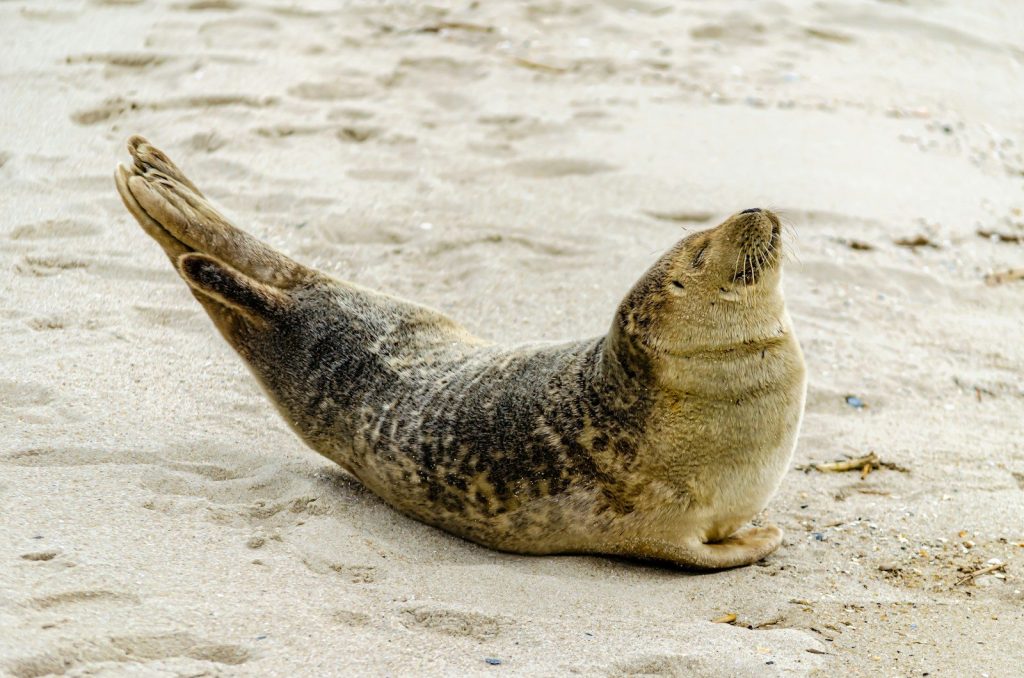
People who notice an entangled seal or sea lion can help most by reporting the animal to the appropriate local marine-mammal response organization and keeping others at a safe distance.
Attempting a personal rescue may cause the animal to flee, enter the water, or bite. It can also make professional responders lose track of an individual they were already monitoring. The documented rescue stories are impressive precisely because specialists use training, planning, veterinary care, and patience instead of treating disentanglement as a spontaneous wildlife stunt.