Skip to content

Recent Posts

  • Rangers Pull a Giraffe From Deadly Tanzanian Mud
  • How Orcas Surround Prey and Hunt Together
  • How an Octopus Hunts With Three Hearts
  • What Elephants Do When Others Get Too Close
  • Baby White Rhino Mick Takes His First Outdoor Steps

Most Used Categories

  • Nature & Wildlife (716)
  • Risk (66)
  • Human Interest (48)
  • Exotic Animals (24)
  • Survival (22)
  • Hunting (22)
  • Bees/Swarms fear (20)
  • Suspense (16)
  • Adventure (3)
  • Gears (2)
Skip to content
  • About Us
  • Contact Us
  • Disclaimer
  • Privacy Policy
  • Terms & Conditions

Hive Hunters Tales

  • Suspense
  • Nature & Wildlife
  • Human Interest
  • Hunting
  • Bees/Swarms fear
  • Exotic Animals
  • Risk
  • Survival
  • Adventure
  • Gears
  • Home
  • Human Interest
  • Beachgoers Spend Two Hours Freeing a Stranded Shark
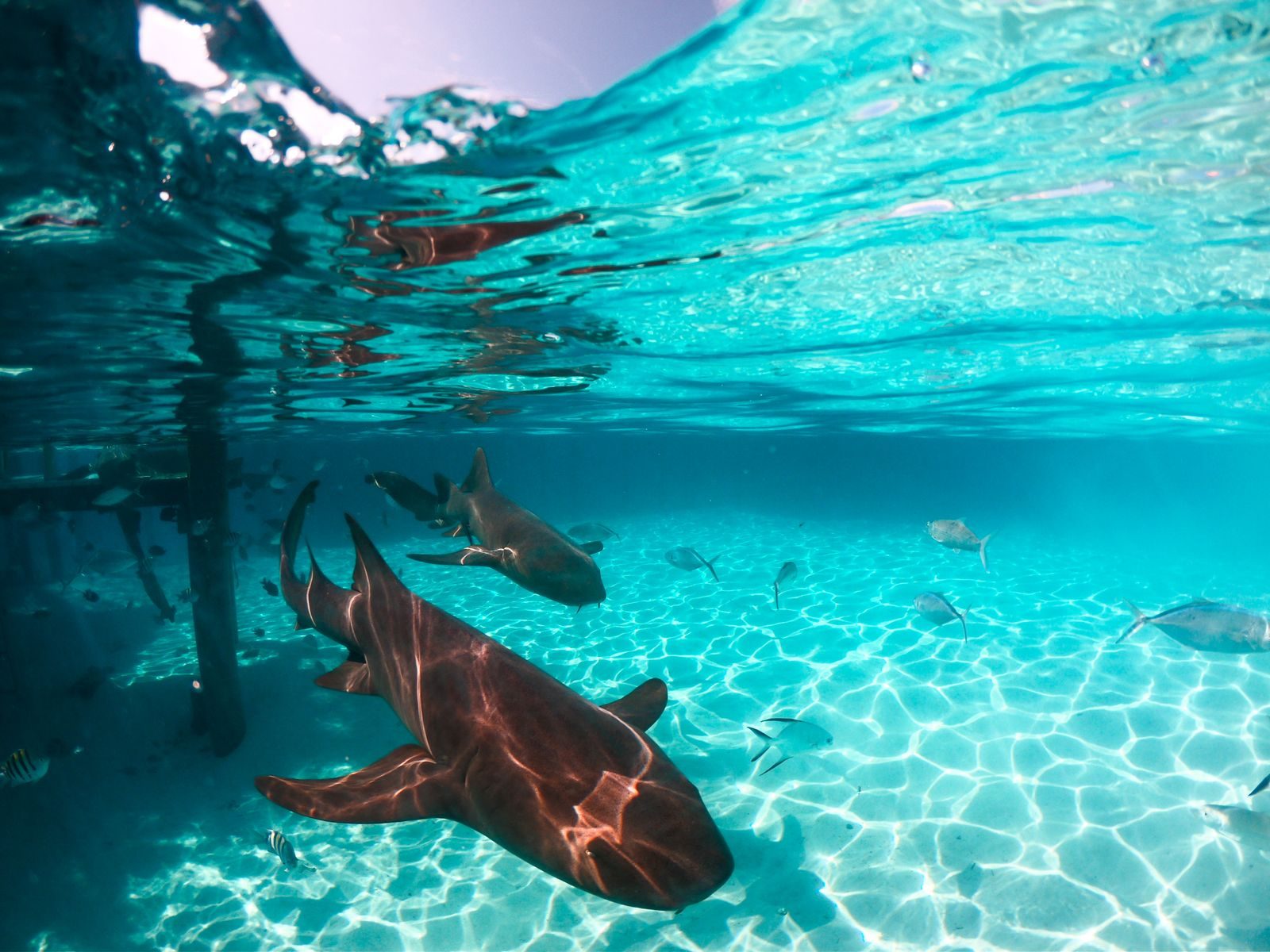
Nurse sharks swimming gracefully in the crystal clear waters of the Bahamas.

Beachgoers Spend Two Hours Freeing a Stranded Shark

JakeAugust 8, 2026August 8, 2026

In a video published in June 2026, a woman named Rebecca discovered a shark stranded in shallow water during an early-morning beach visit. She contacted a wildlife organisation and refused to leave while the animal struggled.

Four people reportedly spent almost two hours using incoming waves to guide the shark into deeper water. The species was not clearly identified in the available report, so it should not be guessed.

A Shark Lies in Shallow Water
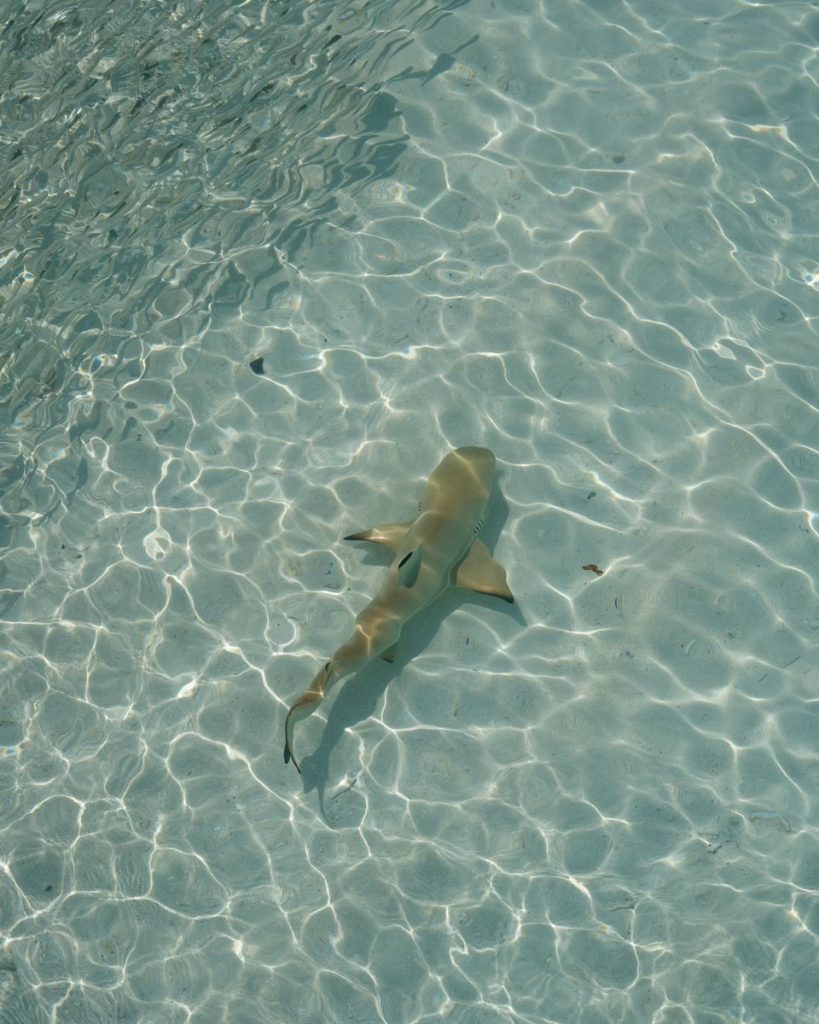
A serene aerial shot of a shark swimming in crystal clear ocean waters, showcasing nature's beauty.
Photo by Viktoriia Harber on Pexels

Rebecca noticed the shark around sunrise and realised that it could not return to deeper water by itself. A stranded shark may suffer from overheating, exhaustion, poor oxygen flow across the gills, injury, or repeated contact with sand as waves recede.

She Calls for Advice
Person with gloves holding smartphone displaying emergency call option outdoors
Photo by Tima Miroshnichenko on Pexels

Rather than attempting the rescue entirely alone, Rebecca contacted the Florida Wildlife Center. Seeking professional guidance was important because sharks vary greatly in size, strength, anatomy, and danger. Moving one incorrectly can harm both the animal and the rescuer.

More People Join

Men carry large fish on a beach
Photo by MOHAMED ABUKAR on Unsplash

A small group formed as other people arrived. Four rescuers eventually worked together, allowing them to control the animal’s direction while watching the waves. Teamwork reduced the chance that one exhausted person would lose balance or become struck by the shark’s tail.

Waves Kept Pushing Back

Dramatic ocean waves crashing against a rocky shoreline, capturing nature's power.
Photo by Hanif Ali Baluch on Pexels

The rescue did not succeed immediately. Incoming water helped lift the shark, but retreating waves repeatedly pulled it toward the shallows. The group had to coordinate each attempt with the surf while avoiding unnecessary pressure on the animal’s body.

The Rescue Took Two Hours

a person holding a fish
Photo by Tien Vu Ngoc on Unsplash

The effort reportedly continued for nearly two hours. Rebecca became emotional as the group struggled to move the shark far enough from shore. Her reaction reflected the uncertainty of the situation because even sustained effort could not guarantee the animal would survive.

The Shark Finally Swims

a great white shark swimming in the ocean
Photo by Oleksandr Sushko on Unsplash

Once the group reached deeper water, the shark began moving under its own power and disappeared into the sea. Independent swimming was the most important sign that the animal had regained enough strength and depth to leave without being physically pushed farther.

Sharks Still Require Caution
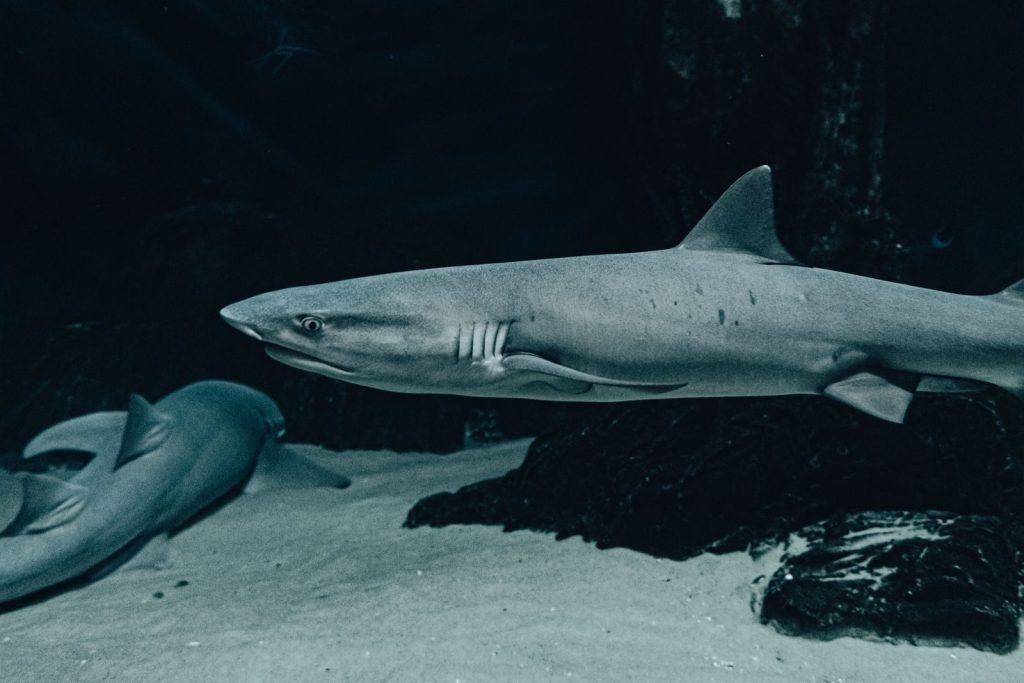
Dramatic close-up of sharks swimming in an underwater aquarium, showcasing marine life.
Photo by GURYAN on Pexels

Shark bites are rare, but any large distressed shark can injure a person through biting, thrashing, or tail movement. People should avoid placing themselves near the mouth or wrapping ropes around an animal unless qualified professionals provide specific instructions.

Call Before Intervening

Red warning sign for rescue craft launch area on beach.
Photo by Michal Kučera on Unsplash

Anyone finding a stranded shark should contact local wildlife, fisheries, coastguard, or marine-rescue authorities. Species identification, tides, animal size, local law, and physical condition all affect the correct response. A rescue that worked once should not be treated as a universal method.

Featured Image: Photo by Cam Green on Pexels

Post navigation

Previous: Orphaned Baby Skunk Receives Care Before Release
Next: How a Hyena Mother Protects Her Cubs

Related Posts

Close-up of a young Indian rhinoceros grazing in its natural habitat during the day.

Baby White Rhino Mick Takes His First Outdoor Steps

August 10, 2026August 9, 2026 Jake
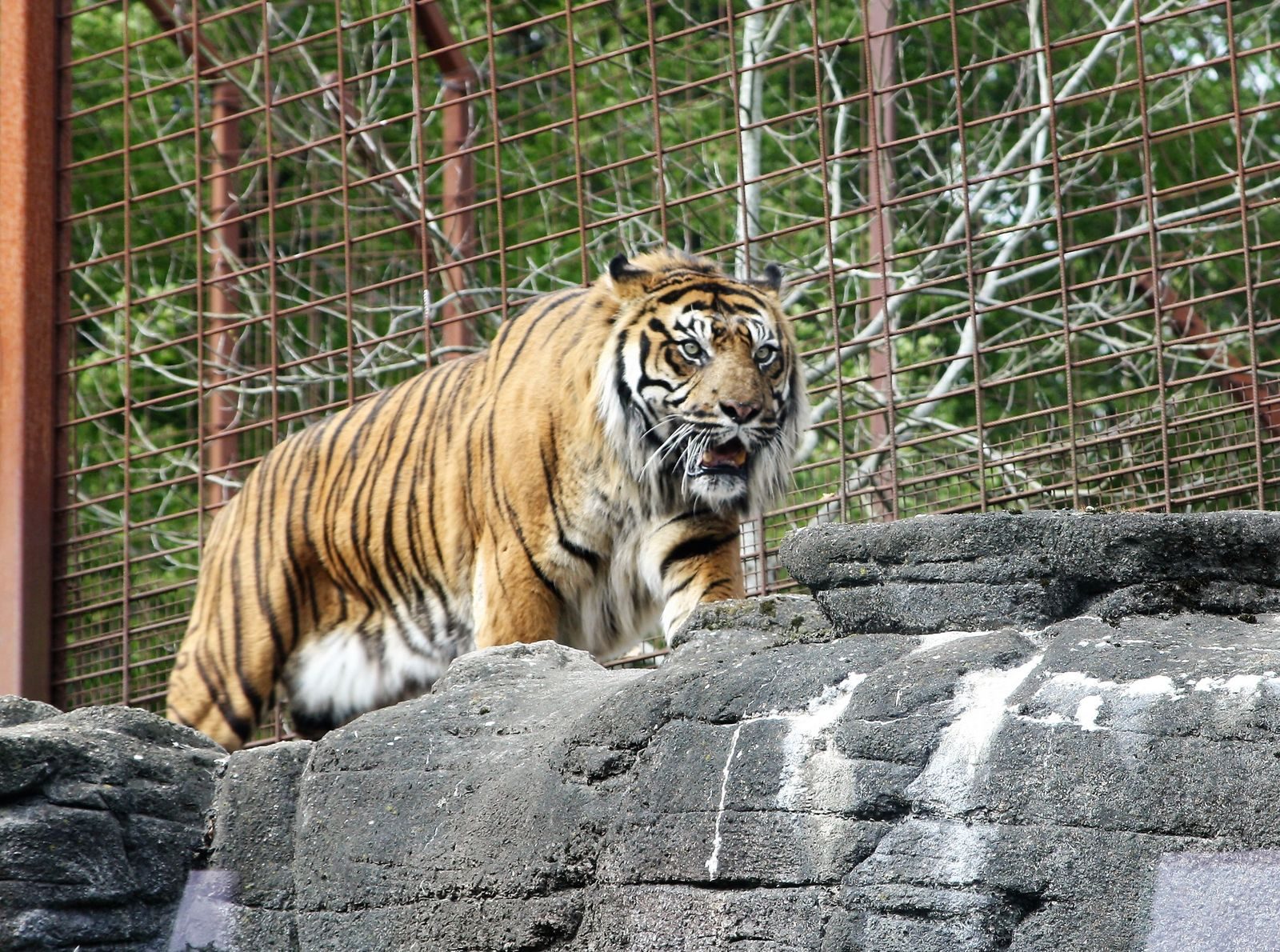
Sumatran tiger prowling inside its enclosure at Aalborg Zoo, Denmark.

Why a Tiger May Focus on One Zoo Visitor

August 9, 2026August 9, 2026 Jake
Wild red fox with piercing gaze stands alert in its natural habitat, showcasing vibrant fur and a curious demeanor.

Rescuers Free a Fox Cub From Garden Netting

August 9, 2026August 8, 2026 Jake

Leave a Reply Cancel reply

Your email address will not be published. Required fields are marked *

Recent Posts

  • Rangers Pull a Giraffe From Deadly Tanzanian Mud
  • How Orcas Surround Prey and Hunt Together
  • How an Octopus Hunts With Three Hearts
  • What Elephants Do When Others Get Too Close
  • Baby White Rhino Mick Takes His First Outdoor Steps
Copyright All Rights Reserved | Theme: BlockWP by Candid Themes.