honey bee colony behaves like a highly organised society. Thousands of individuals divide the work of reproduction, nursing, construction, defence, food collection, temperature control, and communication.
Honey bees also reveal how much can be achieved by small animals working together. Their dances, genetics, wax structures, and seasonal survival strategies remain major subjects of scientific research.
Colonies Have Three Castes
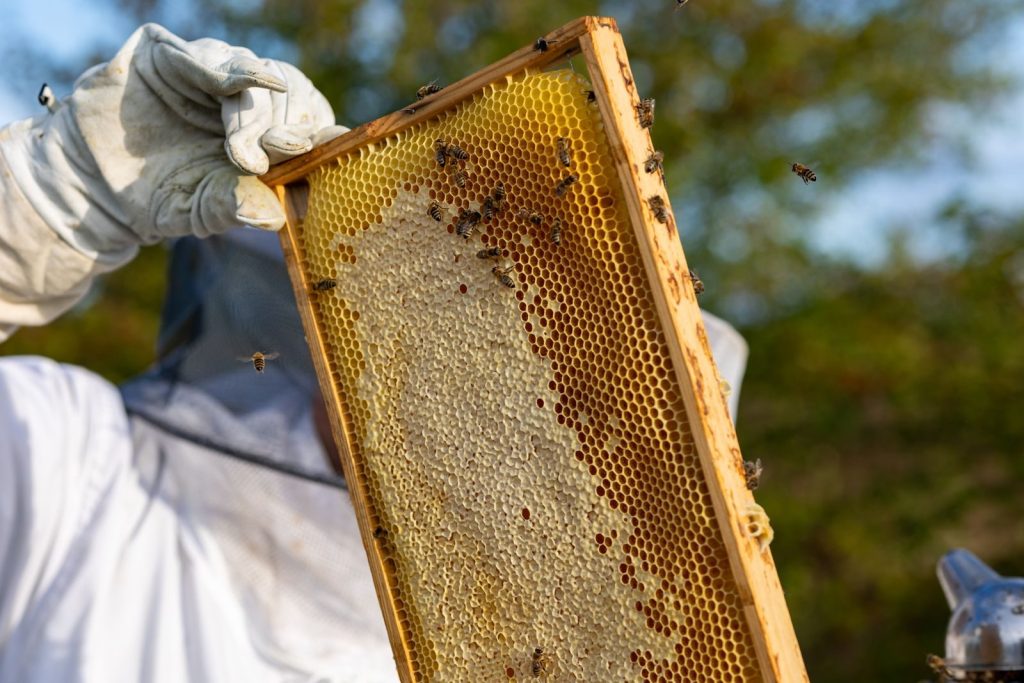
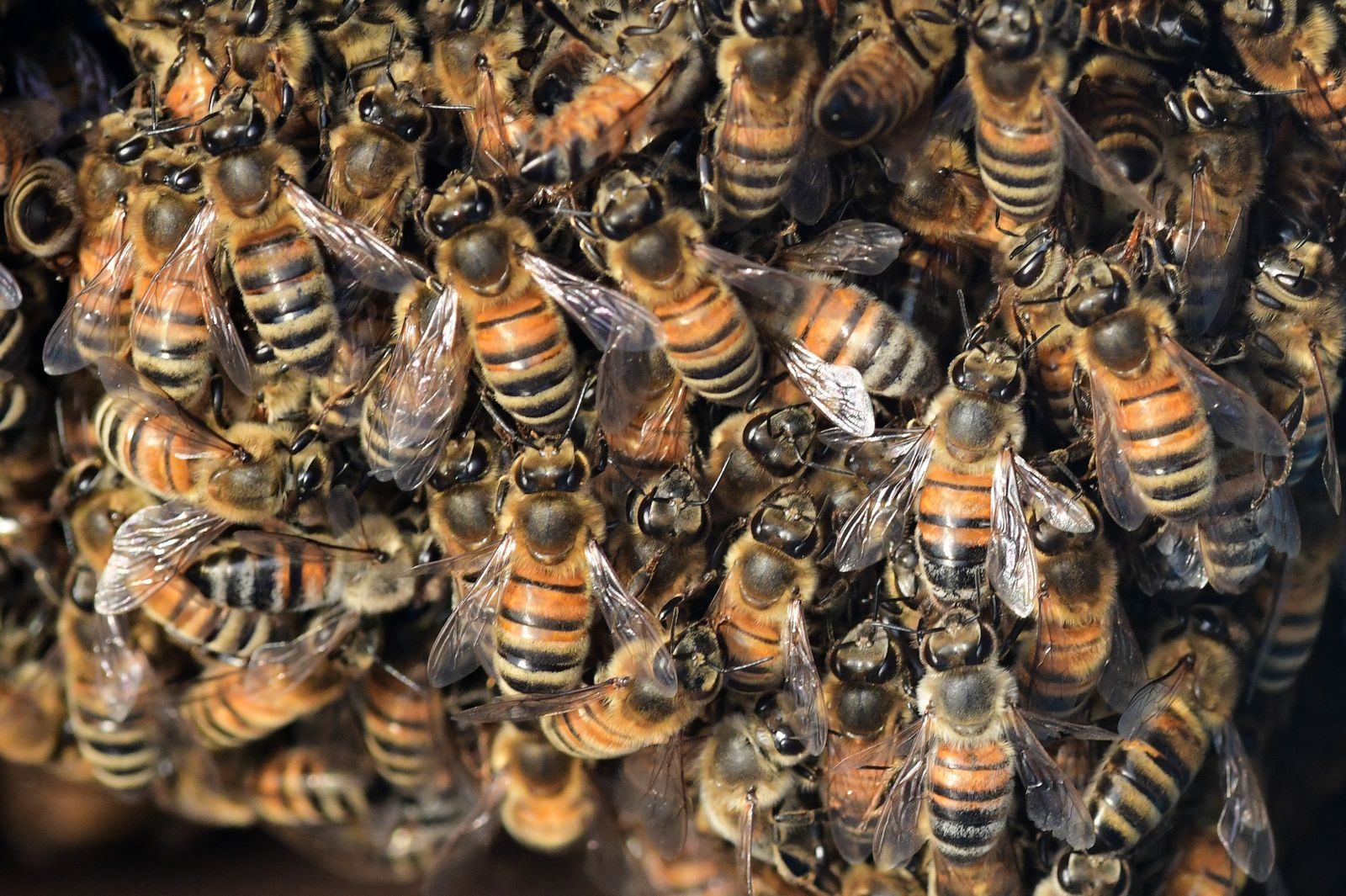
A healthy colony contains one reproductive queen, thousands of female workers, and seasonal male drones. The queen produces most of the eggs. Workers collect food, feed larvae, construct comb, defend the entrance, and regulate conditions inside the nest. Drones primarily exist to mate with virgin queens.
Queens Develop in 16 Days
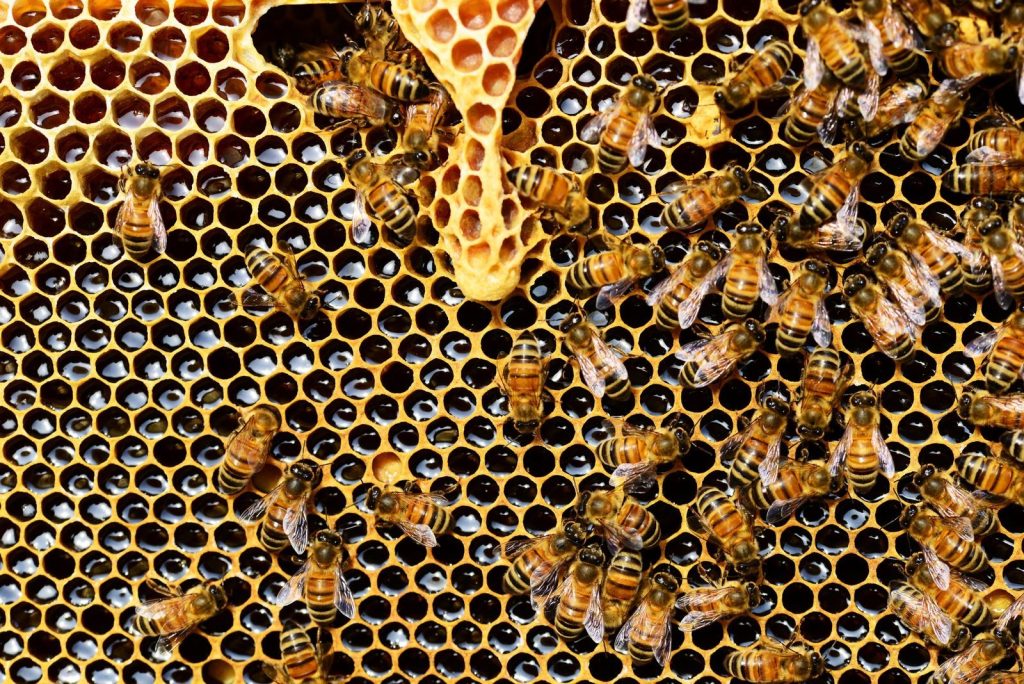
Queens develop from fertilised eggs, just as female workers do, but receive specialised feeding and grow inside larger queen cells. Development from egg to emerging adult takes approximately 16 days. During peak season, a healthy queen may lay more than 2,000 eggs in one day.
Drones Have No Fathers
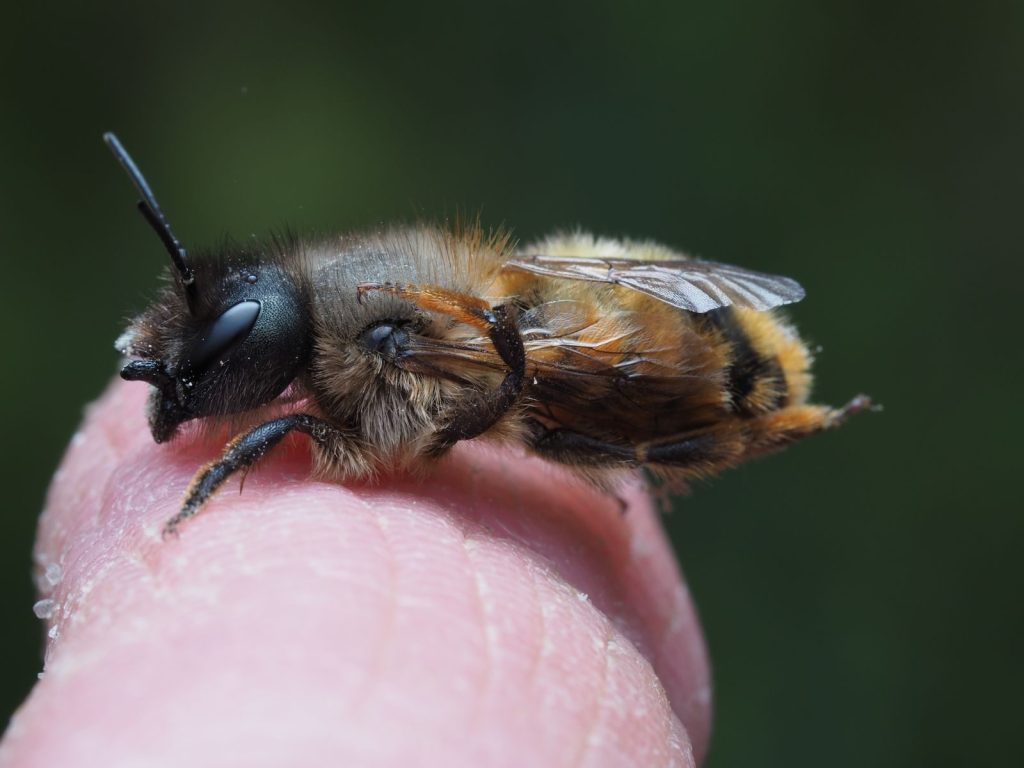
A male honey bee develops from an unfertilised egg and receives only one set of chromosomes from his mother. This means a drone has a mother and grandfathers but no biological father. Female workers and queens develop from fertilised eggs and receive genetic material from both parents.
Workers Change Jobs
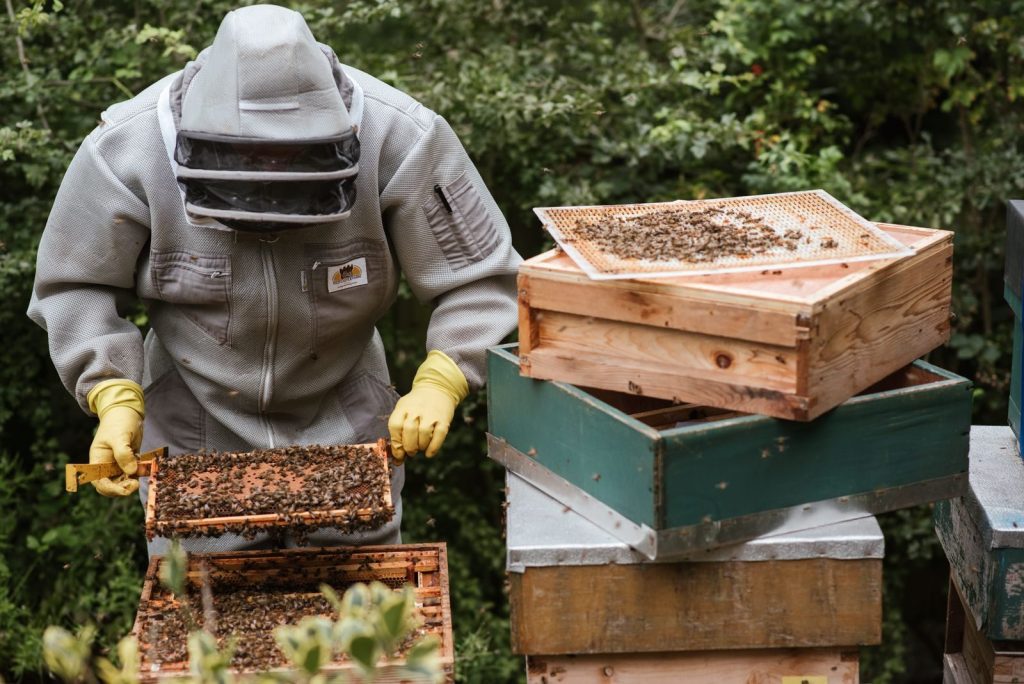
Workers perform different duties as they age. Younger bees usually clean cells, feed larvae, attend the queen, and produce wax. Older workers guard the entrance and eventually become foragers. The schedule is flexible, allowing bees to change tasks when the colony faces unusual shortages or demands.
Bees Dance Directions
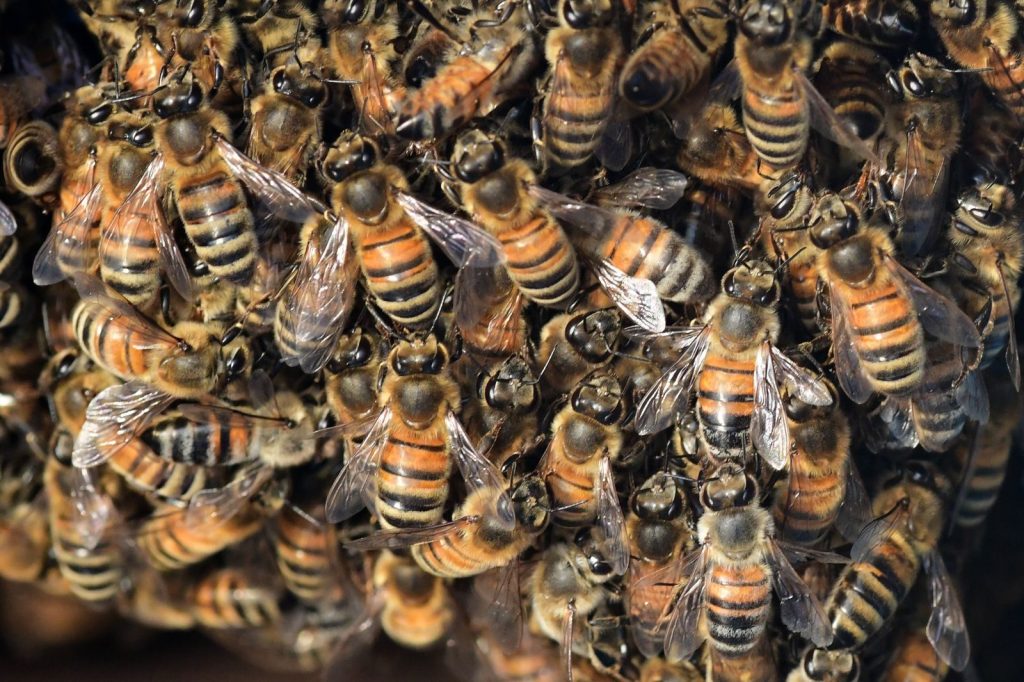
A successful forager can perform a waggle dance after returning to the hive. The angle of the dance communicates direction in relation to the sun, while the duration of the waggle section helps indicate distance. Other workers use the information to locate valuable flowers or water.
Honey Is Winter Food
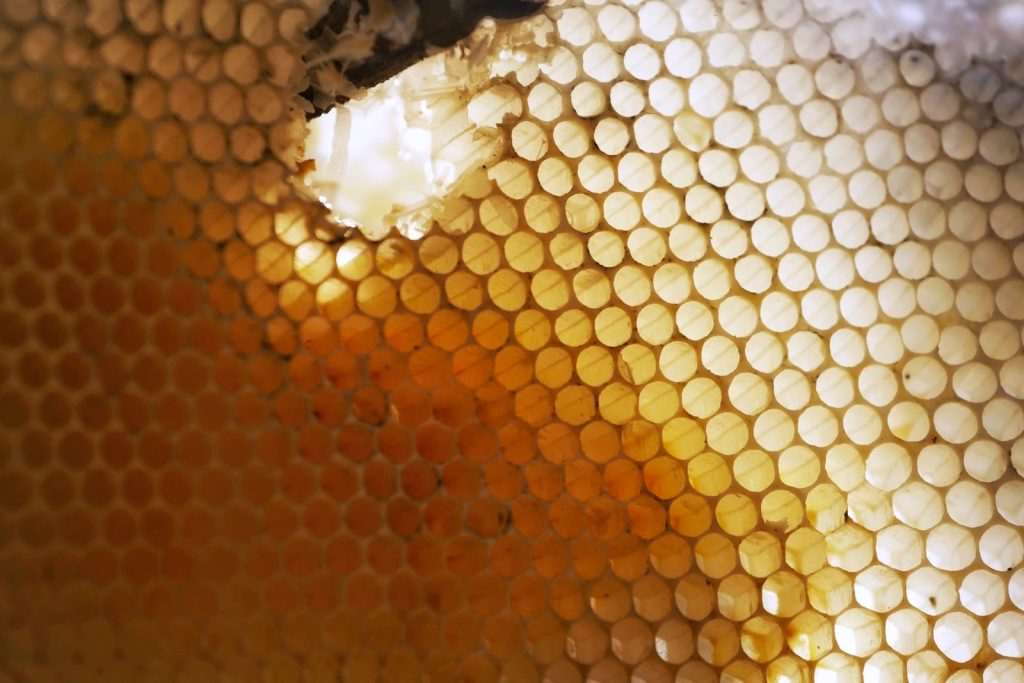
Bees collect nectar, pass it between workers, add enzymes, and reduce its water content before sealing mature honey inside wax cells. Honey is not produced for humans; it is an energy-rich food reserve that allows the colony to survive periods when cold weather or drought removes flowering plants.
Colonies Heat Themselves
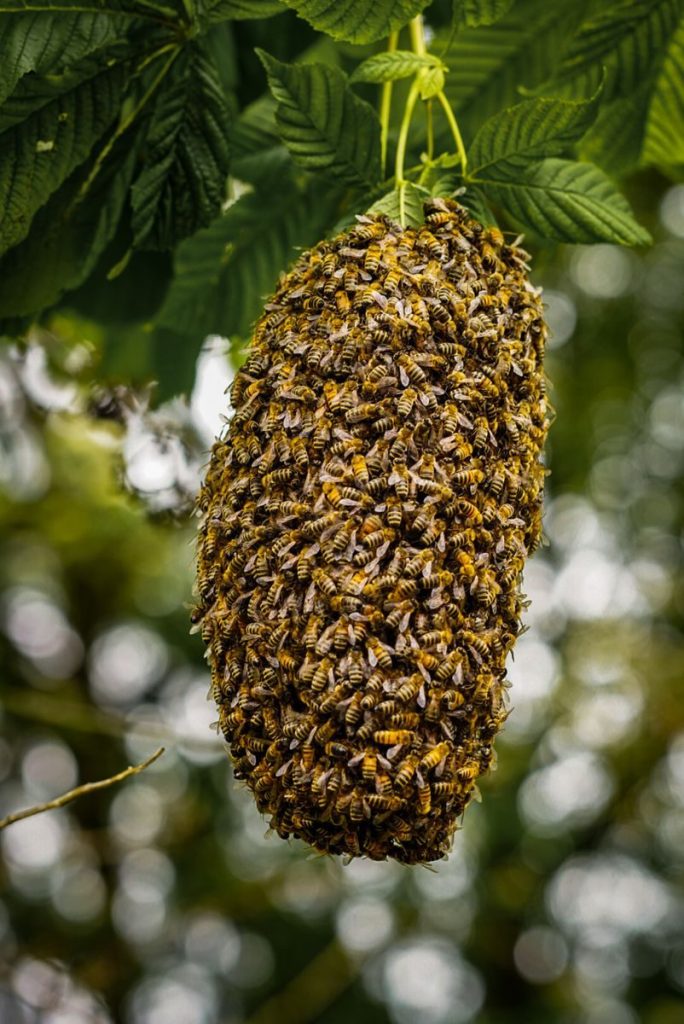
Honey bees survive winter as a colony rather than leaving only a dormant queen. Workers gather around the queen in a cluster, consume stored honey, and generate heat through muscular activity. Bees move between the cooler outside and warmer centre so individuals are not permanently exposed to the cold.
A Sting Is Costly
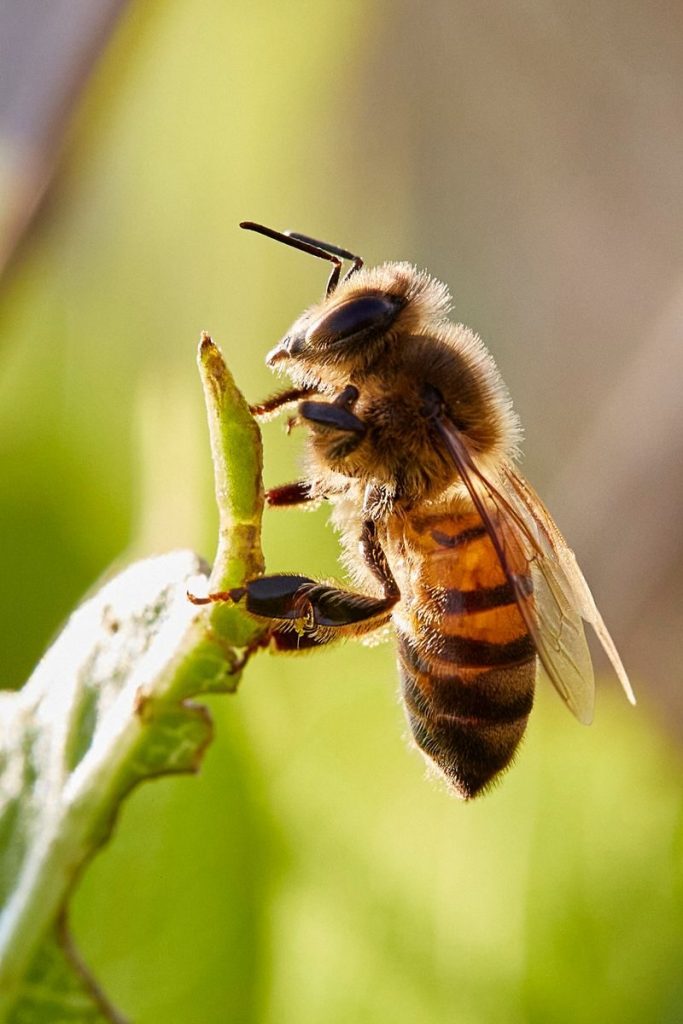
Female workers have barbed stingers that often become lodged in mammalian skin. When the bee pulls away, the stinger and associated tissues are torn from its abdomen, and the worker dies later. This makes stinging a costly defence generally used when a bee or colony feels threatened.
Featured Image: Photo by Aurelijus U. on Pexels