Skip to content

Recent Posts

  • The Strange Reason Garden Spiders Have Spiky Bodies
  • Birds With The Most Bizarre Courtship Displays That Look Straight Out Of Nature’s Own Performance Stage
  • Animals That Can Defeat A Mountain Lion And Those That Avoid The Fight Entirely
  • The Japanese River Otter That Vanished From Reality But Lives On in Myth
  • Rare Blue Coral Snake Stuns Experts With Electric Colors And Powerful Venom

Most Used Categories

  • Nature & Wildlife (173)
  • Risk (36)
  • Human Interest (17)
  • Hunting (17)
  • Survival (14)
  • Bees/Swarms fear (13)
  • Exotic Animals (7)
  • Suspense (6)
  • Adventure (3)
  • Gears (2)
Skip to content
  • About Us
  • Contact Us
  • Disclaimer
  • Privacy Policy
  • Terms & Conditions

Hive Hunters Tales

  • Suspense
  • Nature & Wildlife
  • Human Interest
  • Hunting
  • Bees/Swarms fear
  • Exotic Animals
  • Risk
  • Survival
  • Adventure
  • Gears
  • Home
  • Nature & Wildlife
  • The Strange Reason Garden Spiders Have Spiky Bodies
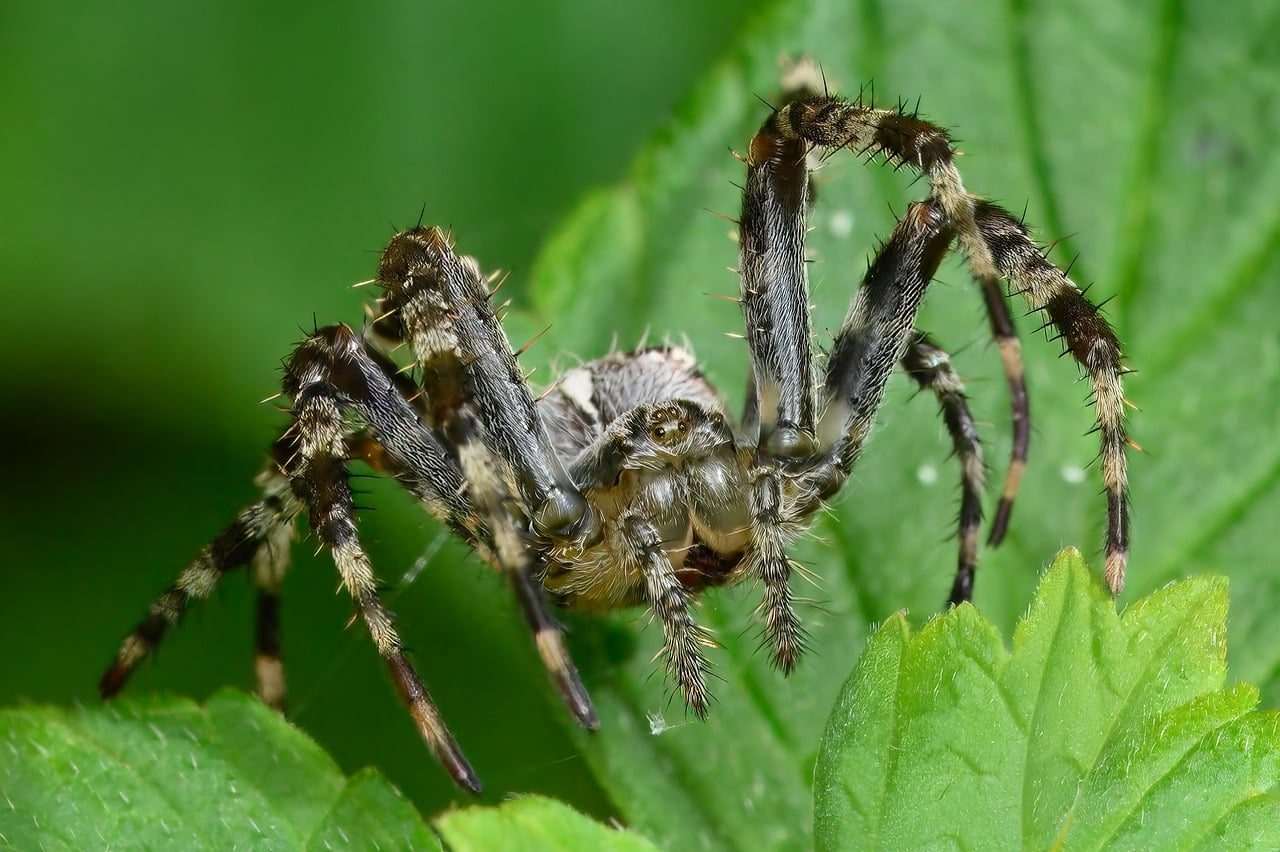
spider, arachnid, spider eyes, insect, nature, macro, arthropod, wild animals, entomology, leaves, spider's perspective, predator

The Strange Reason Garden Spiders Have Spiky Bodies

JakeJune 10, 2026June 10, 2026

At first glance, garden spiders look like ordinary backyard residents quietly building webs between plants and fences. But a closer look reveals something unusual about some of these spiders: spiky, armored bodies that make them look almost prehistoric.

While they may appear intimidating, these spikes are not random. They are the result of millions of years of evolution shaped by survival, defense, and environmental adaptation.

Not Armor, But Survival Strategy
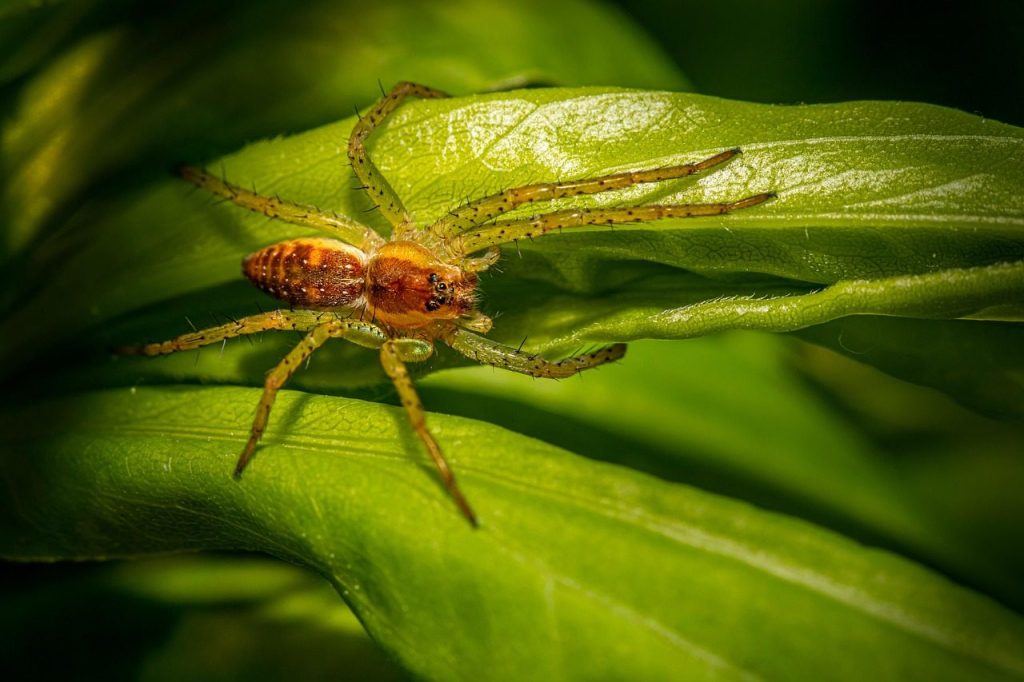
spider, animal, tiny, pest, nature, bug, wildlife, outdoor
Photo by Erik_Karits on Pixabay

The spiky appearance of certain garden spiders is not designed for offense. Instead, it is a defensive adaptation that helps them survive in a world full of predators.

Birds, wasps, and larger insects often hunt spiders. In this constant threat, anything that makes a spider harder to eat can increase its chances of survival. The spikes break up the spider’s outline, making it less recognizable as prey.

In simple terms, the unusual body shape helps the spider blend into its surroundings and avoid being easily targeted.

A Form of Natural Camouflage
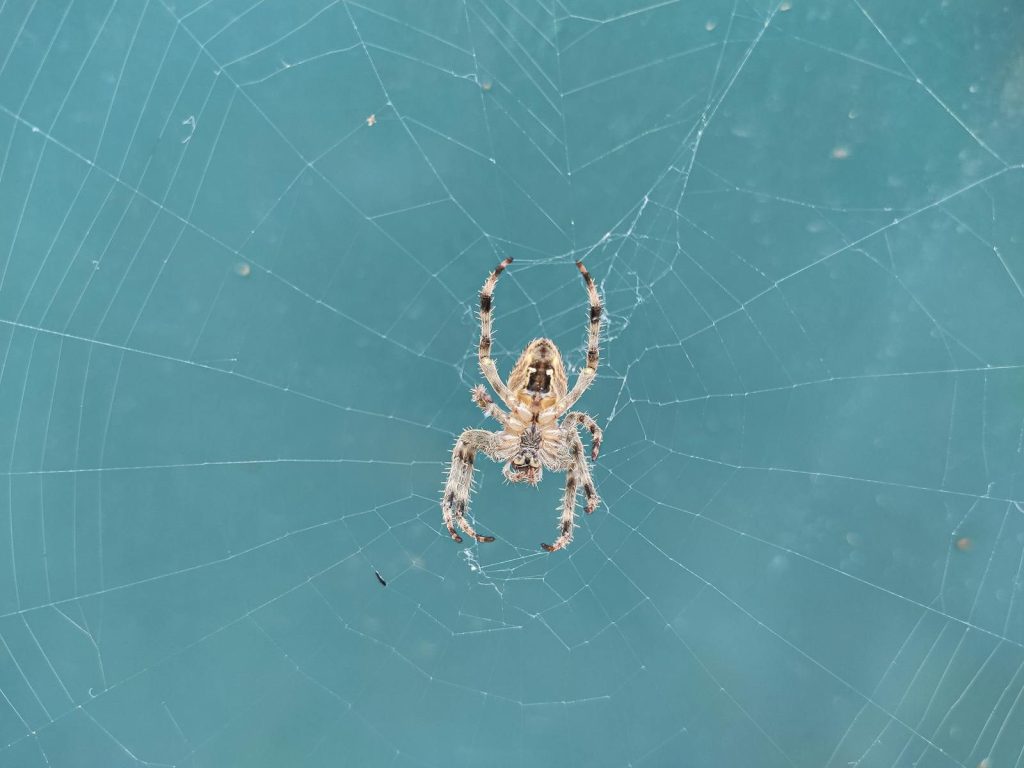
Detailed close-up image of a spider sitting on its web against a blue background.
Photo by 𝙼𝚄𝚉𝙰𝙵𝙵𝙴𝚁 on Pexels

Beyond defense, the spiky texture also plays a role in camouflage. Many garden spiders rest in exposed areas such as webs between branches, leaves, and tall grass. In these environments, sharp body structures help them resemble thorns, seed pods, or plant debris.

This visual disguise makes it harder for predators to detect them, especially when they remain completely still in their webs.

In nature, looking like part of the environment can be just as important as speed or strength.

Evolution Shapes Strange Designs
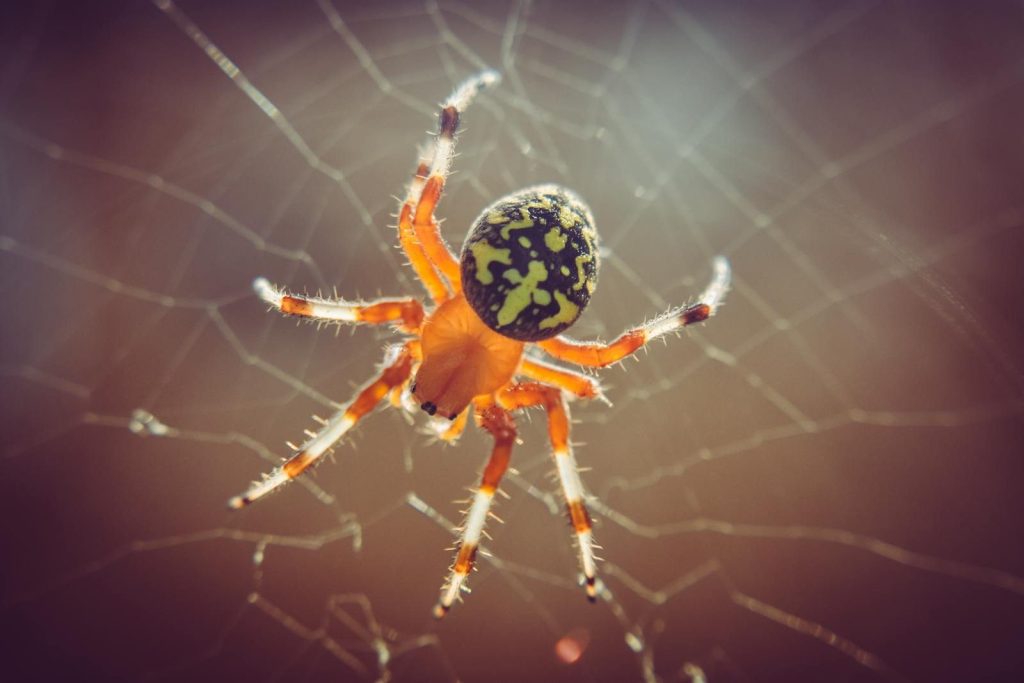
Close-up of a colorful orb weaver spider perched on its web, illuminated by sunlight.
Photo by Chris F on Pexels

Spider bodies come in an incredible variety of shapes, and the spiky appearance is just one example of how evolution can produce unexpected designs.

Over time, spiders that were slightly better at avoiding predators were more likely to survive and reproduce. Even small advantages, such as a body shape that made them harder to spot or harder to swallow, were passed down through generations.

Eventually, these traits became more pronounced, leading to the distinctive spiky forms seen in some species today.

Not Dangerous to Humans
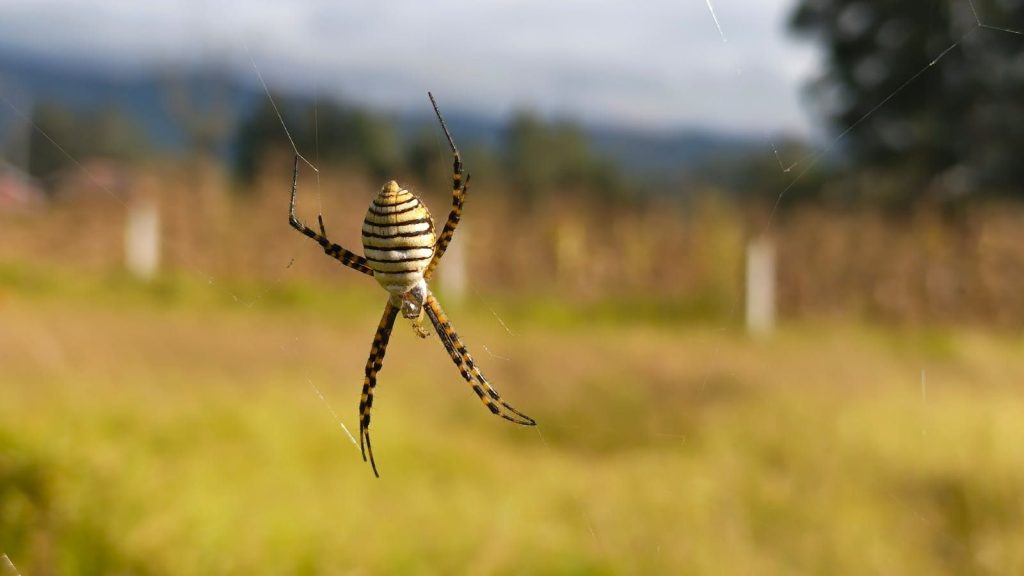
Detailed image of a wasp spider on its web against a blurred natural backdrop.
Photo by adephoenix _ on Pexels

Despite their unusual appearance, garden spiders with spiky bodies are not a threat to people. They are generally shy, non-aggressive, and focused entirely on catching small insects in their webs.

Their venom is designed for tiny prey like flies and moths, not humans, and bites are extremely rare.

In most cases, these spiders actually benefit gardens by helping control pest populations naturally.

A Reminder of Nature’s Creativity
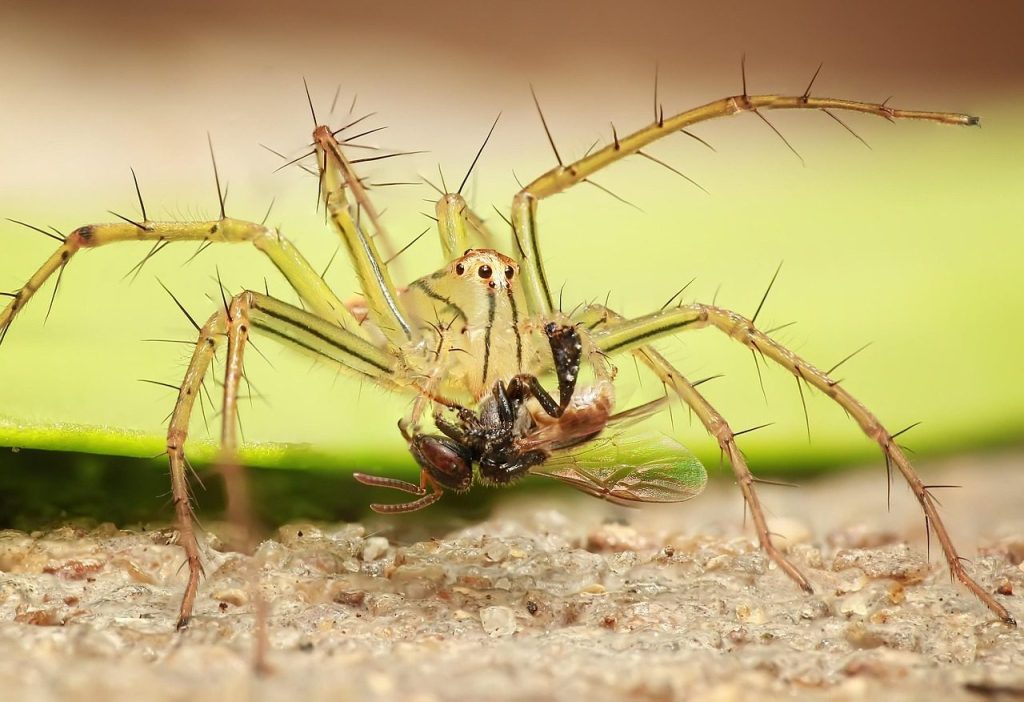
spider, insect, macro, nature, arachnid, spider, spider, nature, nature, nature, nature, nature
Photo by ROverhate on Pixabay

The spiky garden spider is a reminder that evolution does not always produce smooth or simple designs. Instead, it creates solutions shaped by survival pressure, often resulting in strange and unexpected forms.

What looks like armor or decoration is actually a finely tuned adaptation shaped by predators, environment, and time.

So the next time you see a spiky spider in your garden, it is not a monster or mystery, but a small example of how nature constantly experiments with survival.
Post navigation

Previous: Birds With The Most Bizarre Courtship Displays That Look Straight Out Of Nature’s Own Performance Stage

Related Posts

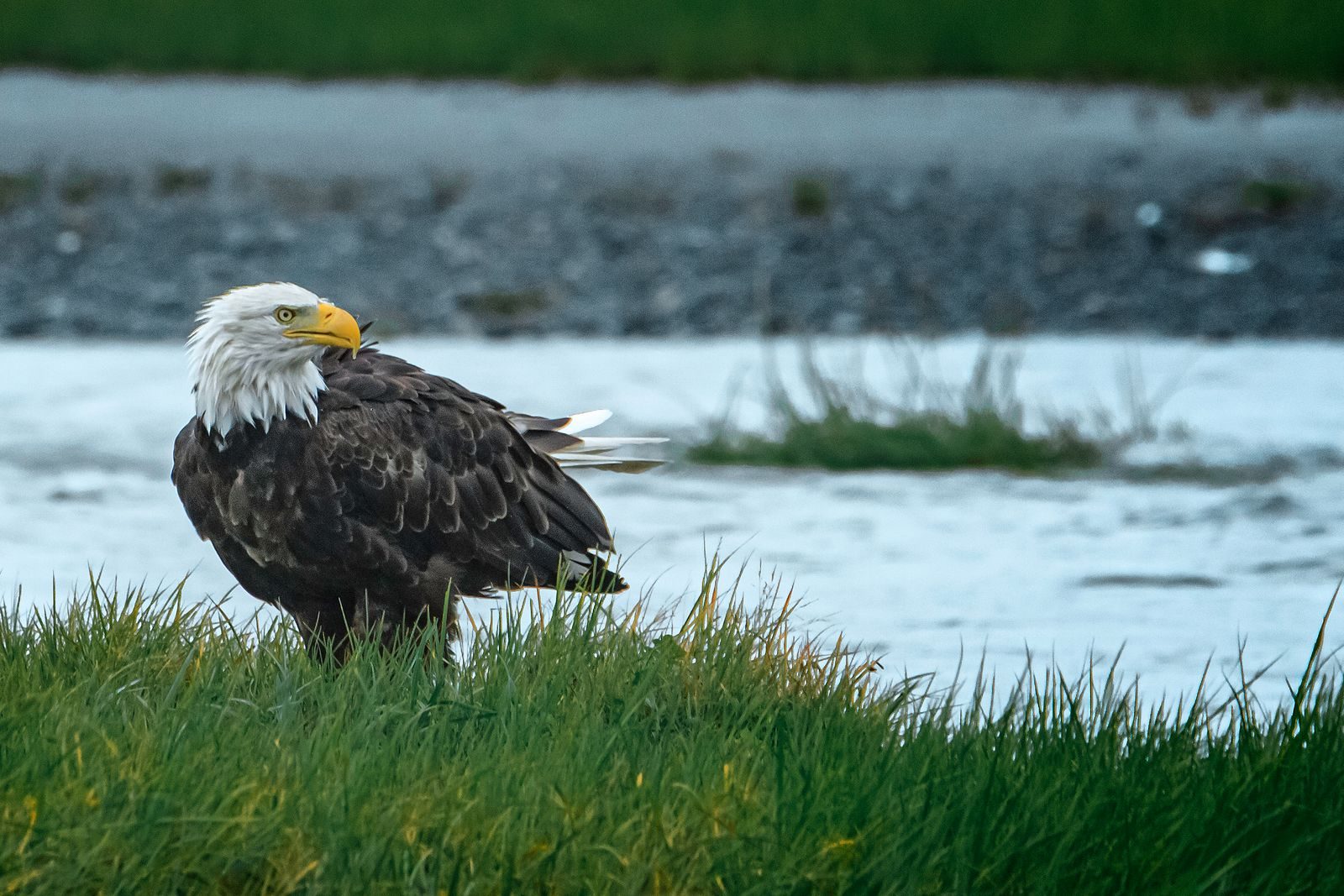
Close-up of a bald eagle perched by a river, showcasing its majestic presence and natural habitat.

Birds With The Most Bizarre Courtship Displays That Look Straight Out Of Nature’s Own Performance Stage

June 10, 2026June 10, 2026 Jake
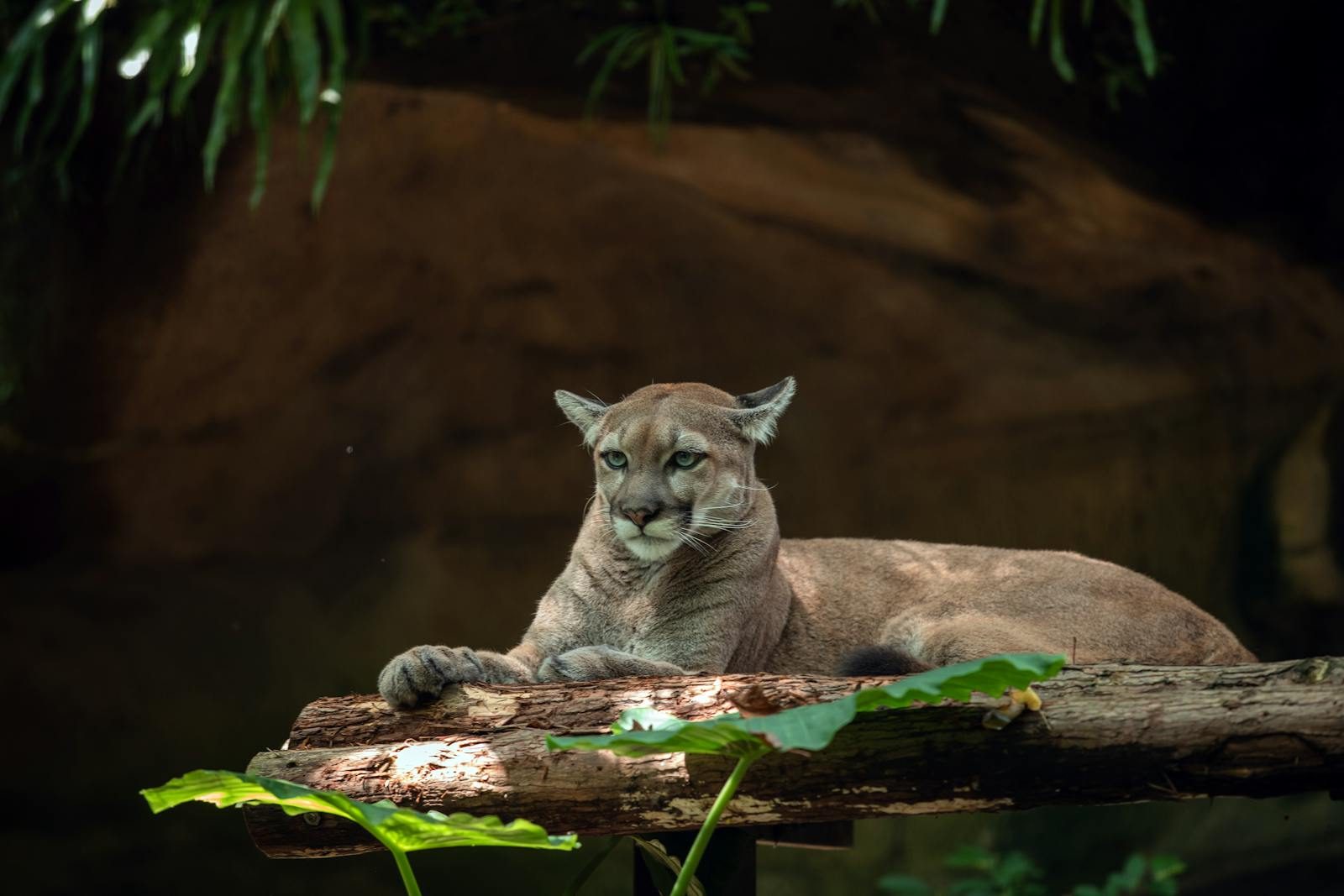
A majestic mountain lion (Puma concolor) resting on a log surrounded by greenery.

Animals That Can Defeat A Mountain Lion And Those That Avoid The Fight Entirely

June 10, 2026June 10, 2026 Jake
otter, eat, nature, black and white, animal

The Japanese River Otter That Vanished From Reality But Lives On in Myth

June 10, 2026June 10, 2026 Jake

Leave a Reply Cancel reply

Your email address will not be published. Required fields are marked *

Recent Posts

  • The Strange Reason Garden Spiders Have Spiky Bodies
  • Birds With The Most Bizarre Courtship Displays That Look Straight Out Of Nature’s Own Performance Stage
  • Animals That Can Defeat A Mountain Lion And Those That Avoid The Fight Entirely
  • The Japanese River Otter That Vanished From Reality But Lives On in Myth
  • Rare Blue Coral Snake Stuns Experts With Electric Colors And Powerful Venom
Copyright All Rights Reserved | Theme: BlockWP by Candid Themes.