In the winter of 1924 to 1925, the remote Alaskan town of Nome was cut off from the rest of the world. Sitting just two degrees north of the Arctic Circle, it was isolated by frozen seas and brutal weather, with no ships able to reach it until spring. For most of the year, dog sled teams were the only reliable connection to the outside world.
At the time, Nome had just one doctor and a handful of nurses caring for fewer than 2,000 residents. When a deadly shortage of diphtheria antitoxin was discovered, the situation quickly became critical. Children began falling ill with sore throats, and several deaths followed within weeks. What initially seemed like routine illness soon turned into a confirmed diphtheria outbreak.
With no usable medicine on hand, the town faced the terrifying possibility of a full epidemic. The only available supply of antitoxin was hundreds of miles away, and the harsh winter made rapid travel extremely difficult.
A Town on the Edge of Disaster

Dr. Curtis Welch, Nome’s only physician, was among the first to realize the severity of the situation. After several children died, he confirmed diphtheria and urgently requested help from outside medical authorities. A quarantine was imposed, but it did little to stop the spread.
As cases increased, officials knew time was running out. Air travel was still unreliable in Arctic conditions, so attention turned to an older but proven method of transportation: dog sled teams.
The Decision to Use a Dog Sled Relay
The nearest supply of diphtheria antitoxin was found in Anchorage. From there, it had to be transported by train to Nenana before being handed off to a relay of mushers and sled dogs.
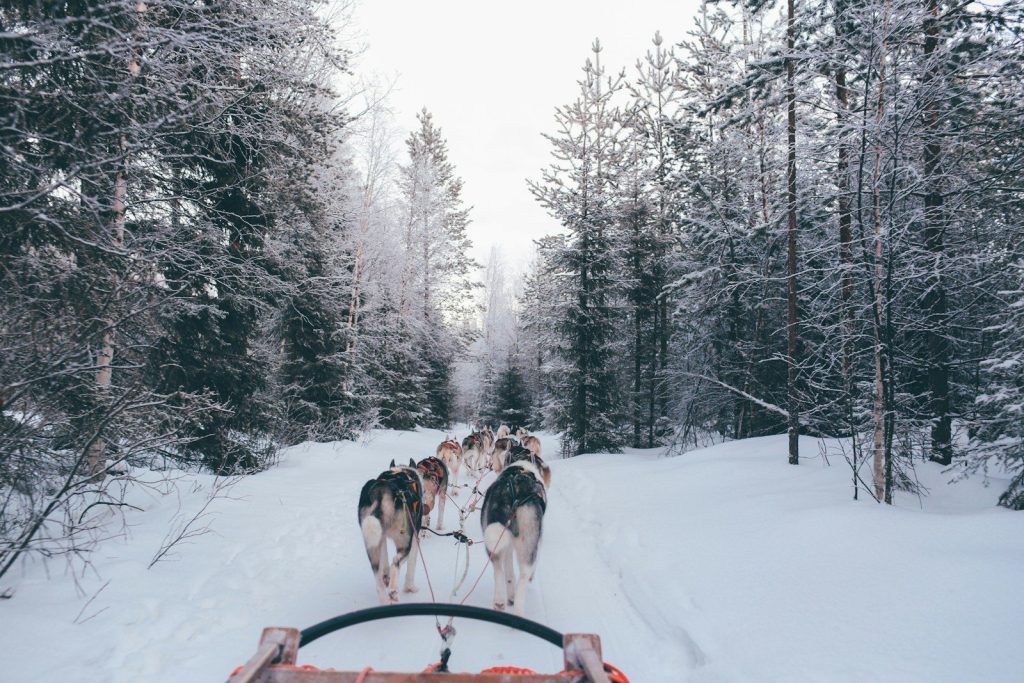
Because no single team could complete the journey in time, officials organized a relay system. Multiple dog sled teams would pass the medicine across hundreds of miles of frozen wilderness, working together like a chain to deliver the life-saving serum to Nome as quickly as possible.
The Longest and Most Dangerous Leg
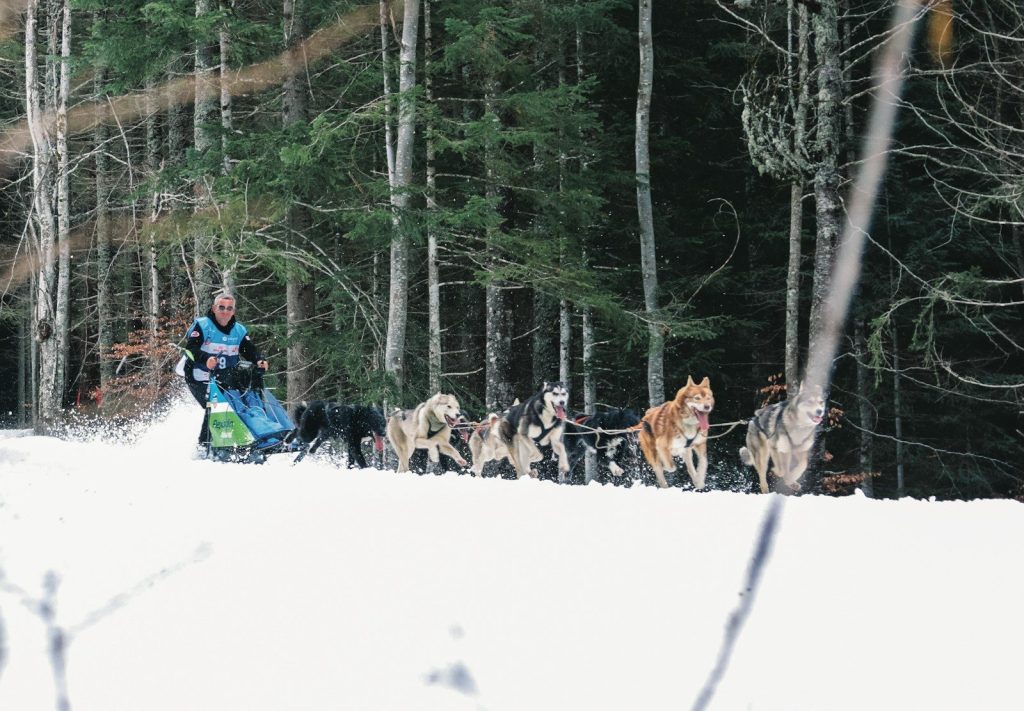
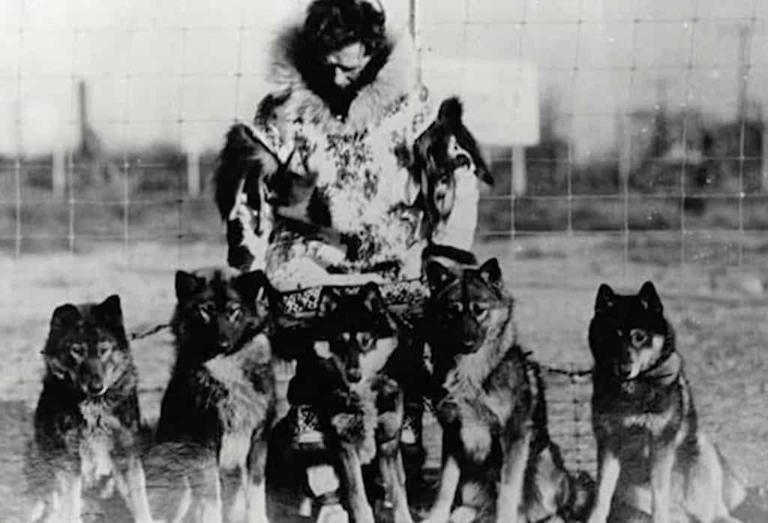
One of the most important parts of the journey was led by musher Leonhard Seppala and his lead dog Togo. Their team covered the longest and most dangerous segment, traveling through blizzards, freezing temperatures, and unstable sea ice.
Seppala and his dogs traveled roughly 260 miles in total during their part of the mission. Togo, already 12 years old, guided the team through conditions that would have been impossible without his experience and instincts. They crossed frozen terrain where visibility was almost zero and temperatures dropped far below freezing.
At one point, the serum was handed off mid-route to another team before continuing its final journey toward Nome. The relay system meant that dozens of mushers and roughly 150 sled dogs participated in the effort overall, each playing a crucial role in keeping the medicine moving without delay.
The Final Push Into Nome
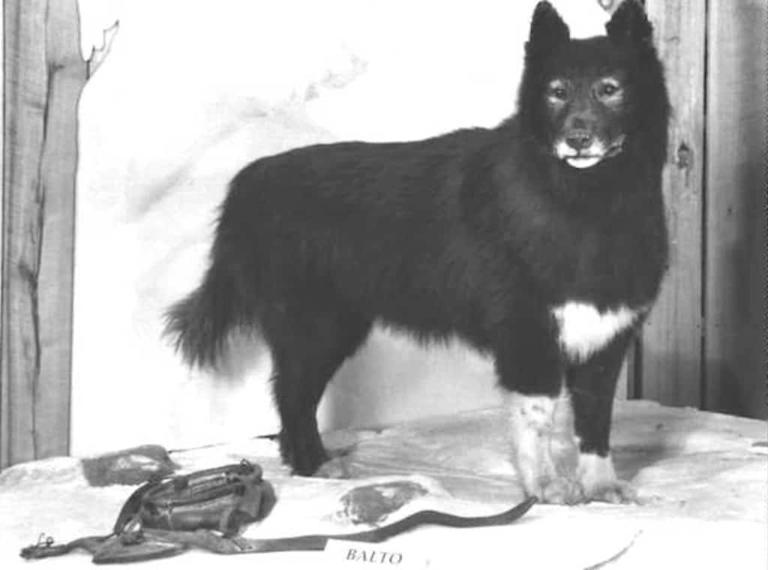
After passing through several relay teams, the serum eventually reached Gunnar Kaasen, whose lead dog Balto guided the final stretch into Nome. A powerful blizzard made navigation extremely difficult, but the team pushed through the last miles to deliver the medicine.
When the serum finally arrived, it was rushed to patients immediately. The timely delivery helped prevent the outbreak from becoming a full-scale epidemic that could have devastated the town.
Aftermath and Lasting Legacy
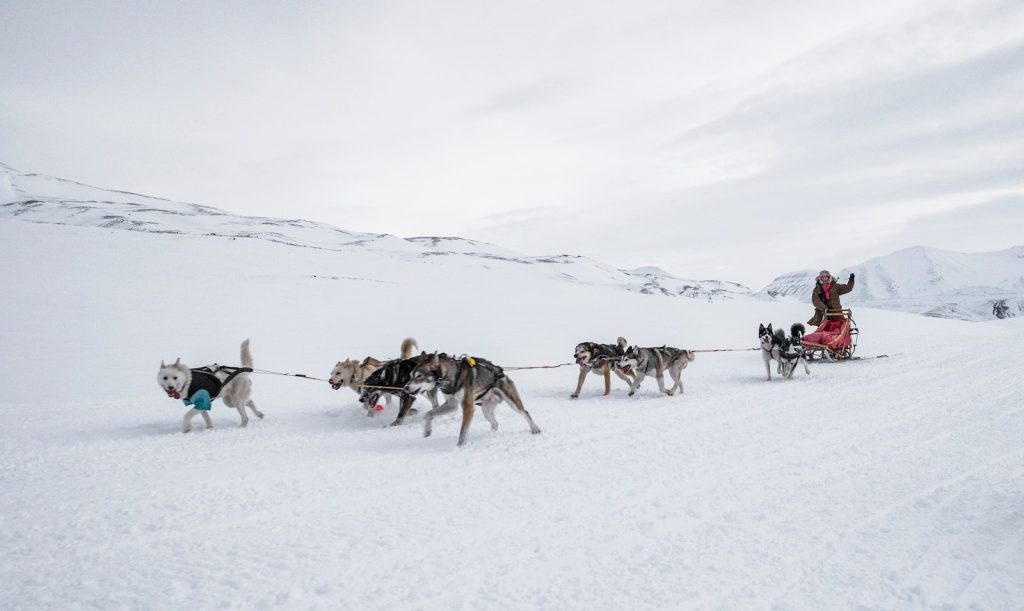
The successful relay saved countless lives and became one of the most famous emergency medical deliveries in history. Participants received national recognition, and the story quickly spread across the United States.
Balto became widely known as the symbol of the run, but many historians emphasize that the mission was a team effort. Dogs like Togo and numerous other mushers contributed far more distance and effort than is often remembered.
The event also influenced future transportation policy and helped highlight the importance of rapid emergency delivery systems in remote regions.
Today, the 1925 serum run remains a powerful example of teamwork between humans and animals under extreme conditions, showing how coordination and endurance can overcome even the harshest environments.