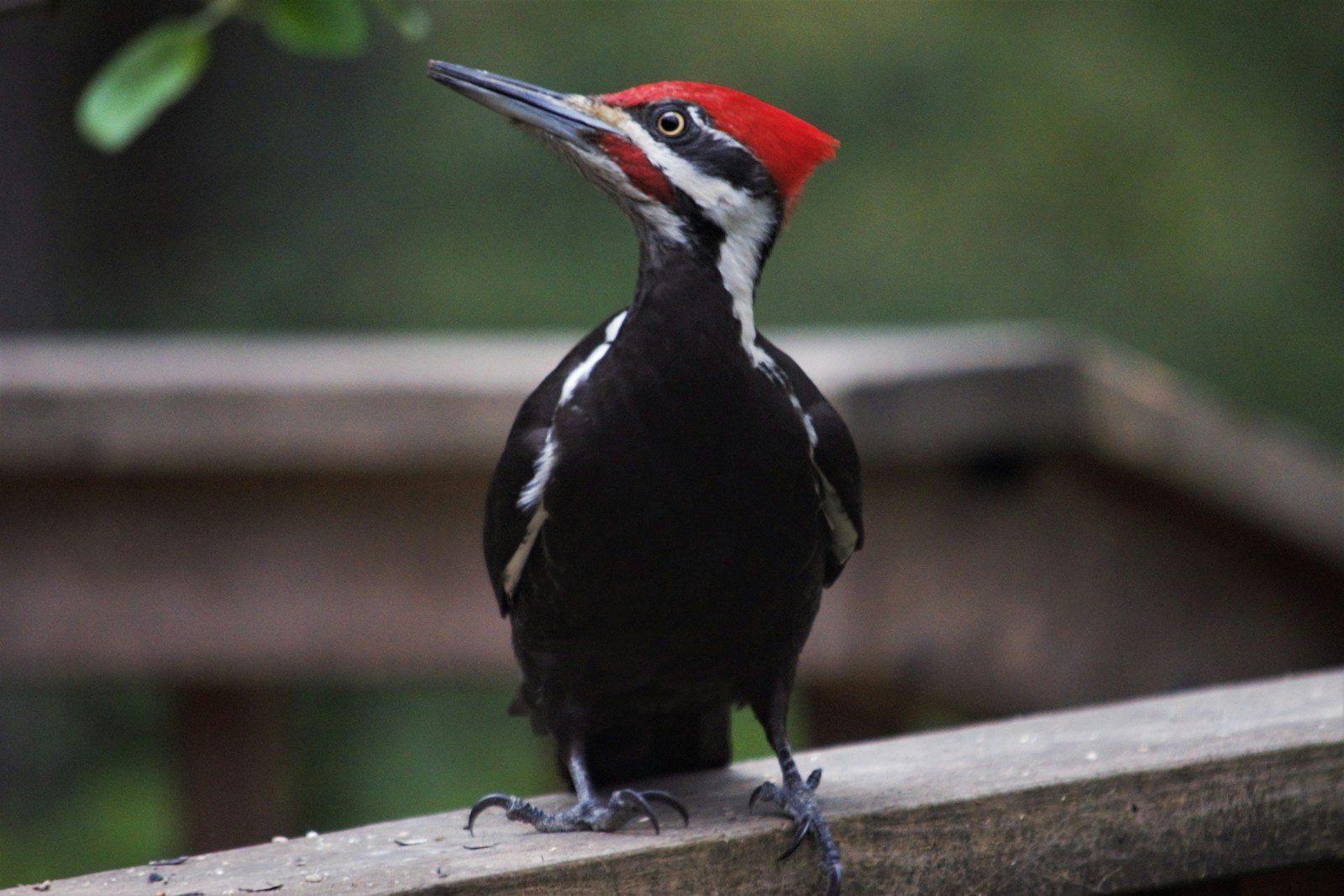
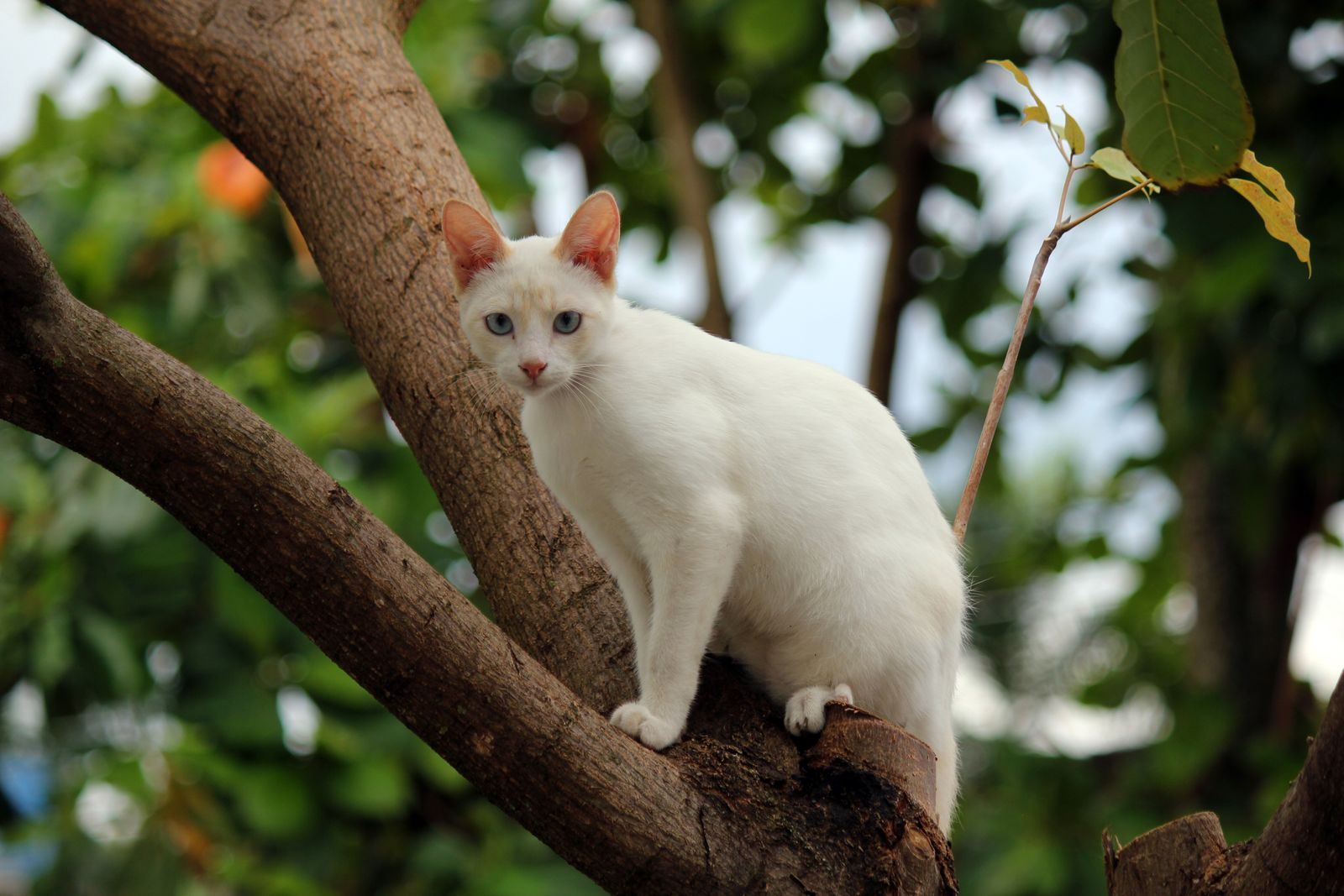
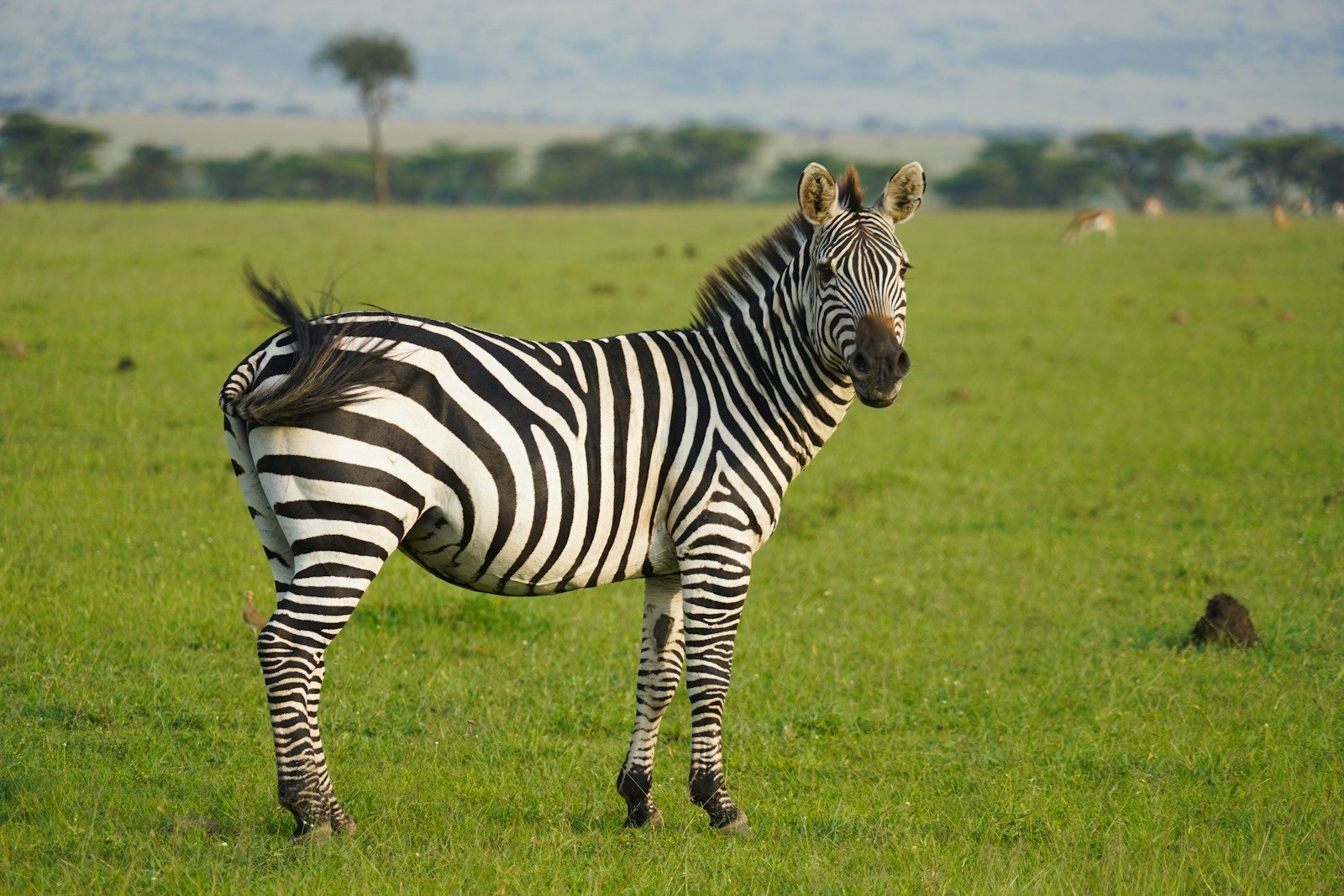
Nature has produced an incredible variety of colors, patterns, and textures across the animal kingdom. While some coats help animals camouflage into their surroundings, others serve as warning signals, attract mates, or regulate body temperature. From bold stripes to shimmering fur, these remarkable coats are both beautiful and highly functional, showcasing the amazing diversity of wildlife.
Snow Leopard
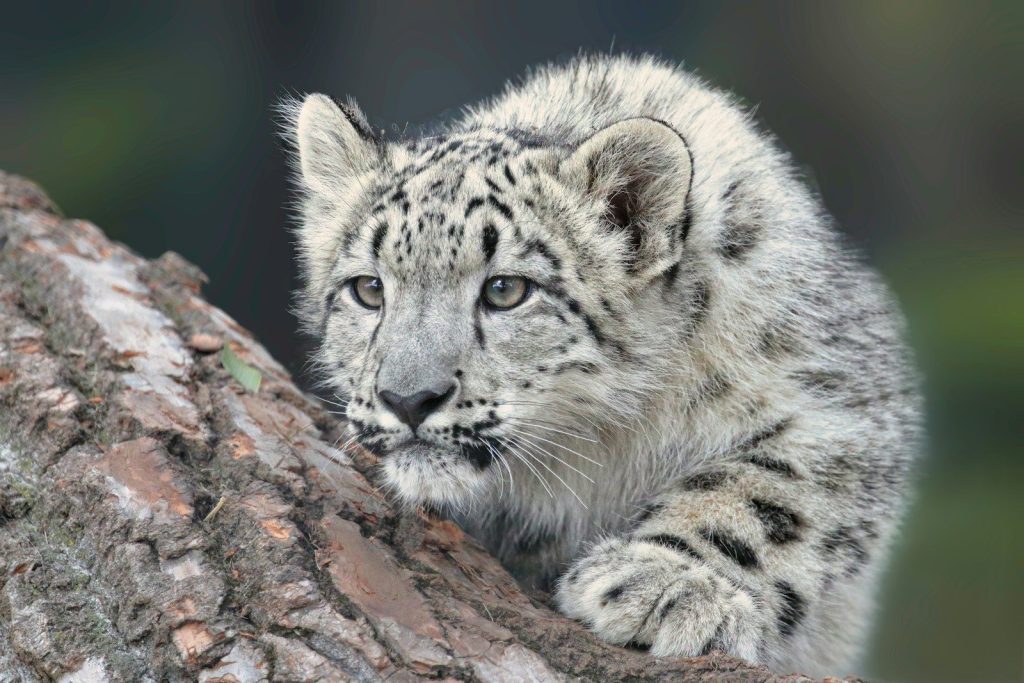
The snow leopard’s thick, smoky-gray coat is perfectly adapted for life in the rugged mountains of Central Asia. Covered with dark rosettes and spots, its fur provides excellent camouflage against rocky cliffs and snowy landscapes.
Beyond its beauty, the dense coat keeps the snow leopard warm in freezing temperatures. Its long, fluffy tail also serves as a blanket, wrapping around its face and body for extra insulation during harsh winters.
Mandrill
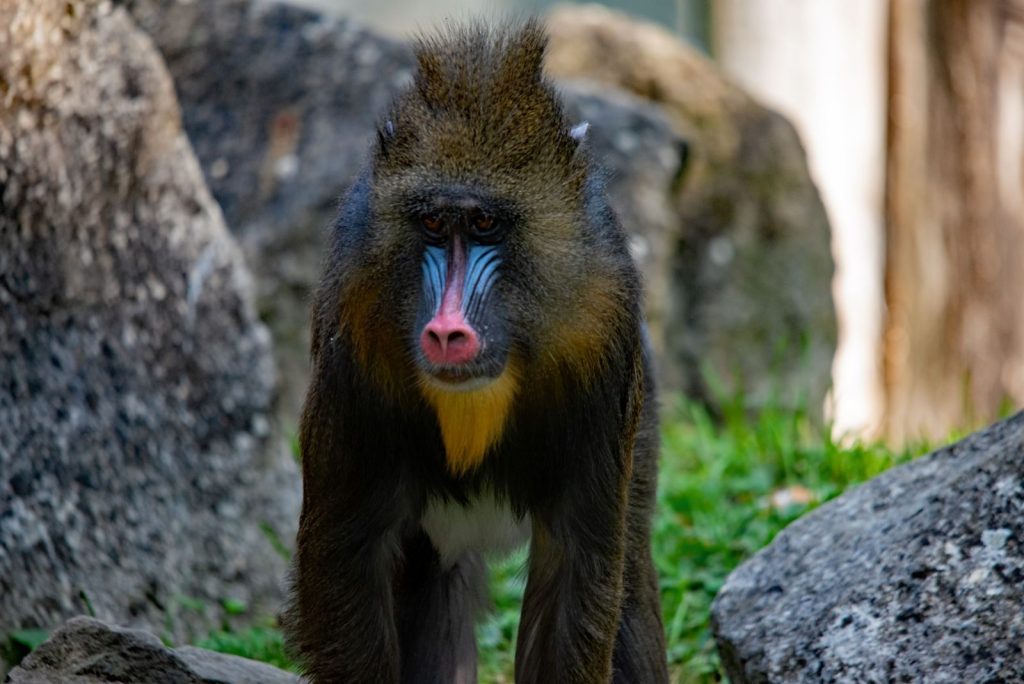
The mandrill is one of the world’s most colorful mammals, combining an olive-green coat with a brilliantly colored face and rump. Adult males display the brightest colors, particularly during the breeding season, making them stand out among primates.
Their short, dense fur protects them in the forests of Central Africa, while their vivid facial markings help communicate social status and attract potential mates.
Okapi
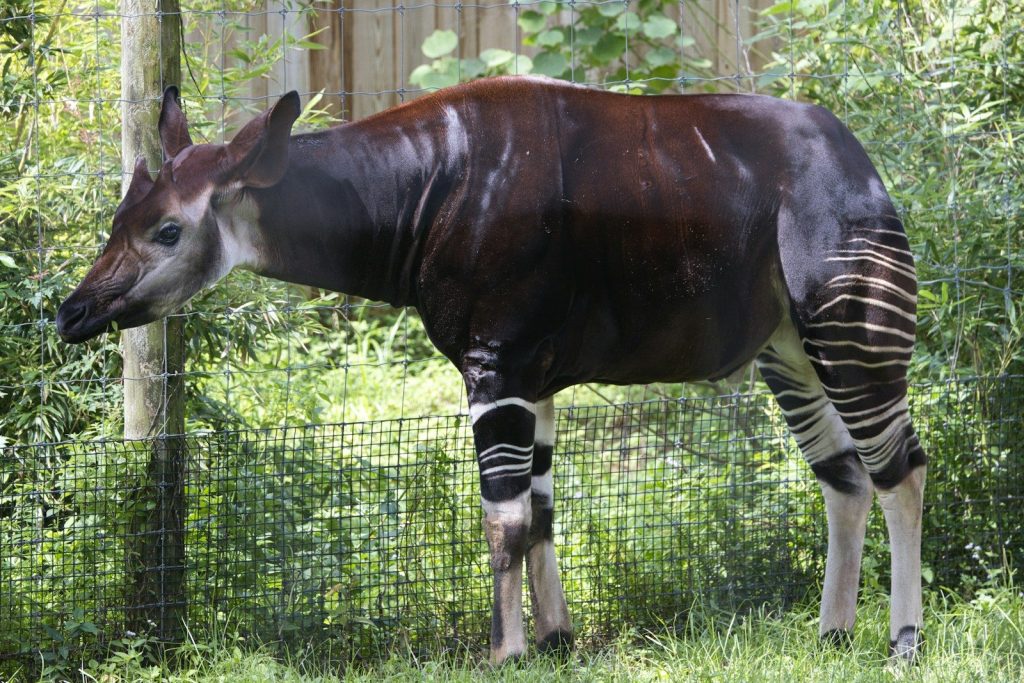
Often called the “forest giraffe,” the okapi has a rich chocolate-brown coat contrasted by striking black-and-white stripes on its legs. These zebra-like markings help break up its outline in the dense forests of the Democratic Republic of the Congo.
The okapi’s velvety coat also repels water, helping it stay dry as it moves through thick vegetation in its rainforest habitat.
Golden Pheasant
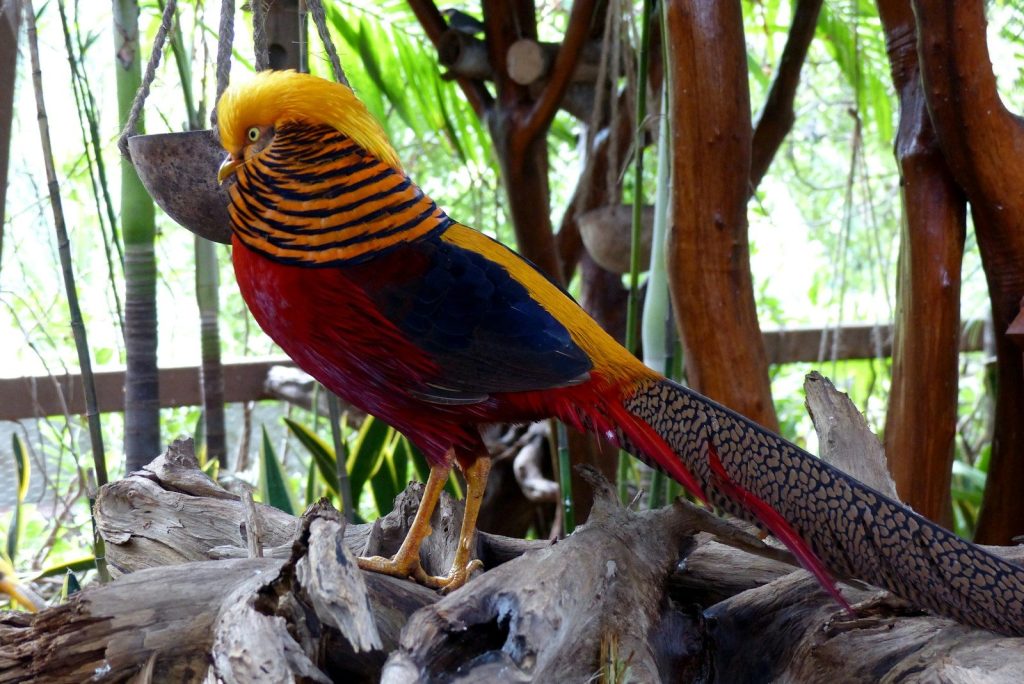
The golden pheasant is famous for its spectacular plumage, featuring brilliant shades of gold, crimson, orange, blue, and green. Males display these vibrant feathers during courtship, creating one of the most eye-catching appearances in the bird world.
While females have more muted coloring for camouflage, the males rely on their dazzling feathers to attract mates during the breeding season.
Red Panda
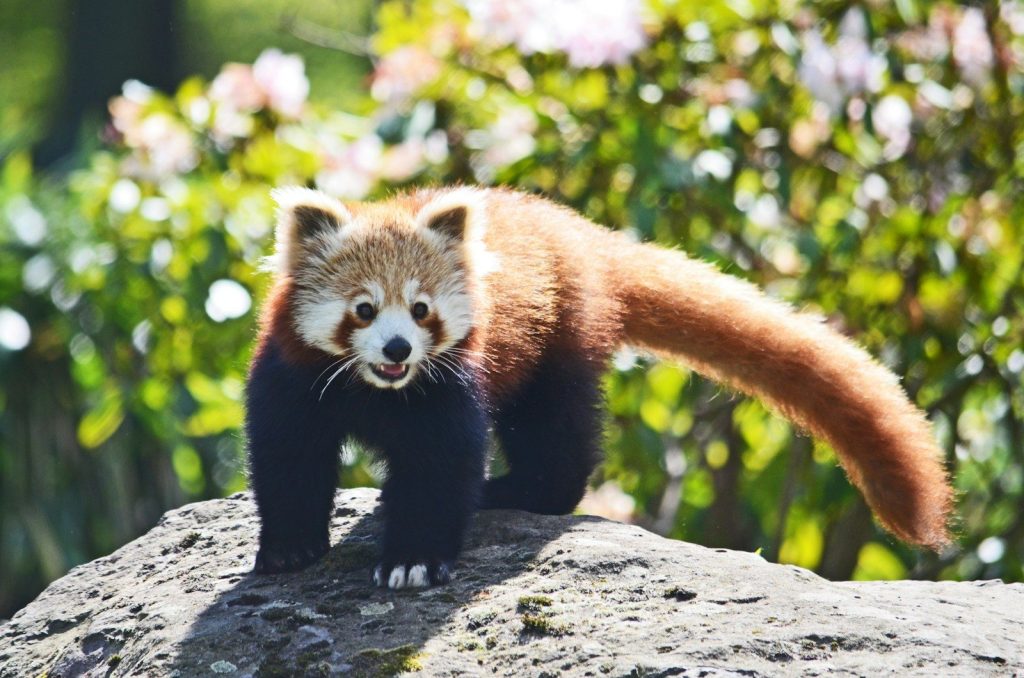
The red panda’s thick reddish-brown coat makes it one of the most recognizable mammals in the Himalayas. Its white facial markings and ringed tail add to its distinctive appearance while helping it blend into moss-covered trees and forests.
The dense fur provides insulation against cold mountain climates, and even the bottoms of its feet are covered with fur to improve grip and reduce heat loss.
Plains Zebra
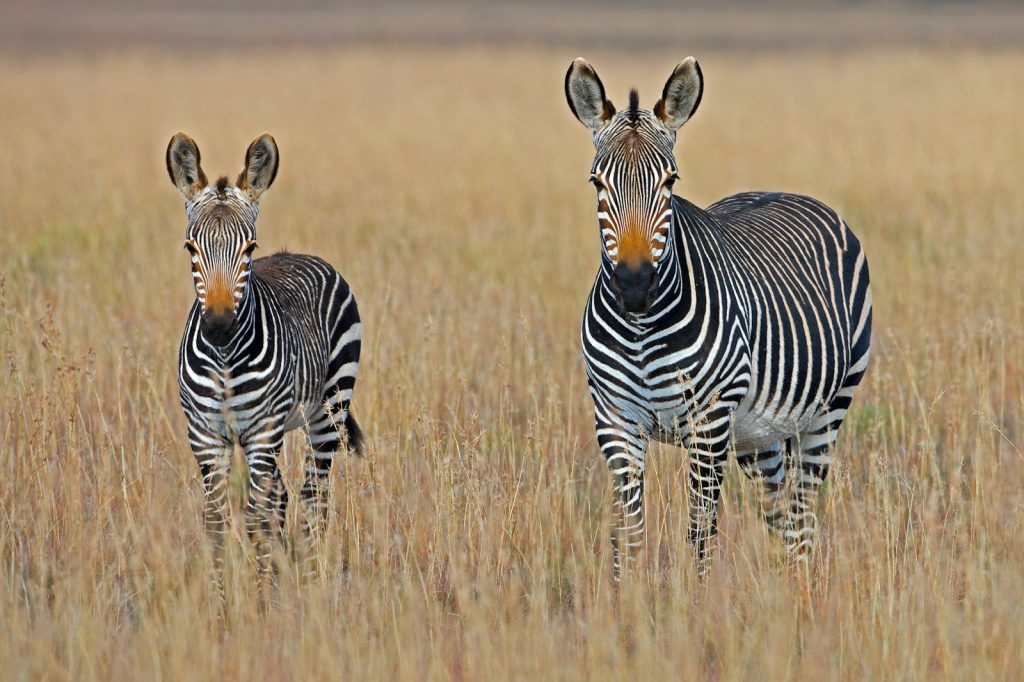
The plains zebra’s black-and-white striped coat is one of nature’s most iconic patterns. Every zebra has a unique stripe arrangement, much like a human fingerprint, allowing individuals to be identified.
Scientists believe the stripes may help confuse predators, deter biting insects, and even assist with body temperature regulation. Whatever their exact purpose, they make zebras among the most visually striking animals on Earth.