Extinction is a natural part of evolution, but human activities have accelerated the loss of wildlife at an unprecedented rate. Habitat destruction, invasive species, climate change, pollution, and overexploitation have pushed many animals to the brink. In recent years, scientists and conservation organizations have officially declared several species extinct after decades of unsuccessful searches. These losses serve as a reminder of the importance of protecting the biodiversity that remains.
Smooth Handfish
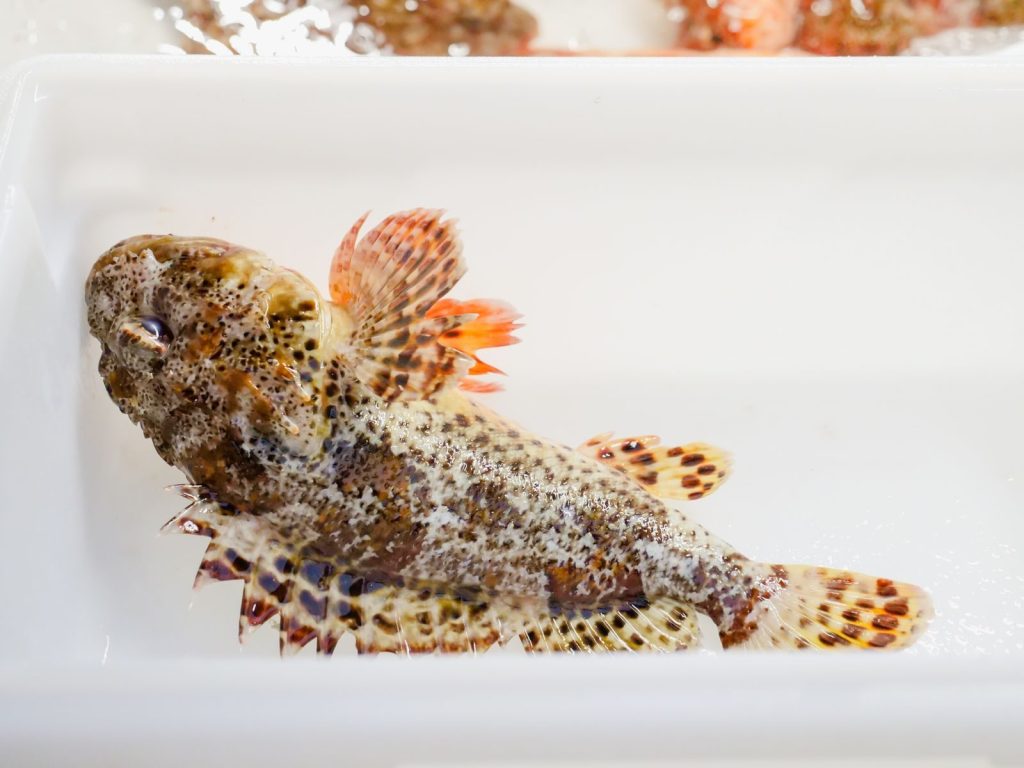
The Smooth Handfish was officially declared extinct after extensive surveys failed to locate any surviving individuals. Native to the coastal waters of Tasmania, this unusual fish used its hand-like fins to “walk” across the seafloor instead of swimming like most fish.
Scientists believe habitat degradation, pollution, and changes to its marine environment contributed to its disappearance. It is considered the first modern marine fish officially declared extinct.
Bramble Cay Melomys
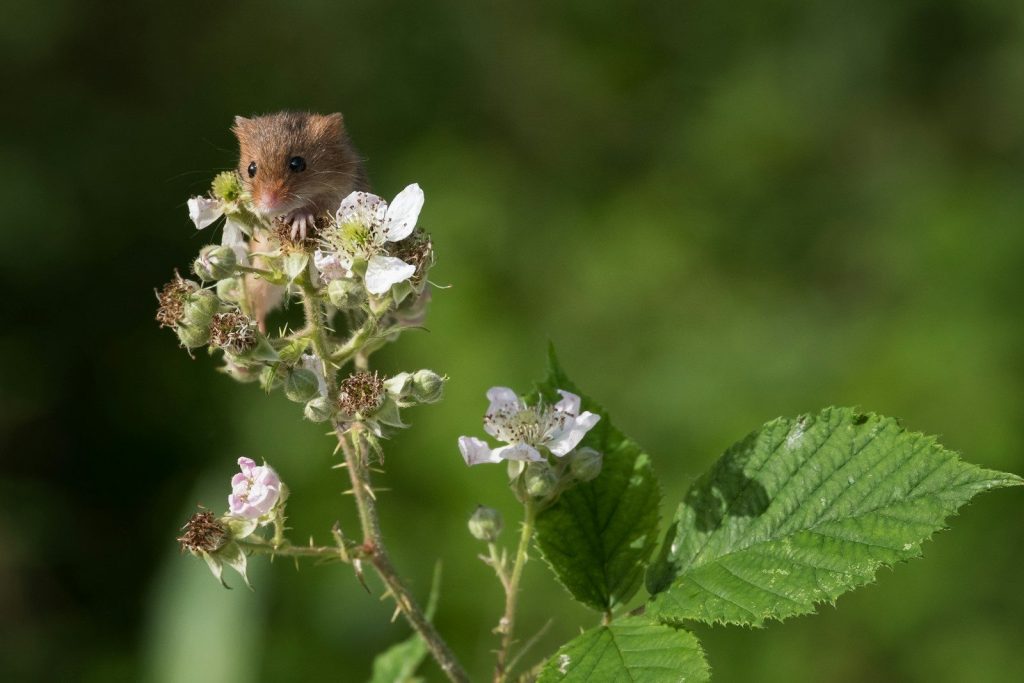
The Bramble Cay Melomys was a small rodent found only on a tiny coral island in the Torres Strait between Australia and Papua New Guinea. Rising sea levels and repeated storm surges destroyed much of its habitat, leaving the species with nowhere to survive.
After years of unsuccessful searches, it became the first mammal officially declared extinct primarily because of human-driven climate change.
Chinese Paddlefish
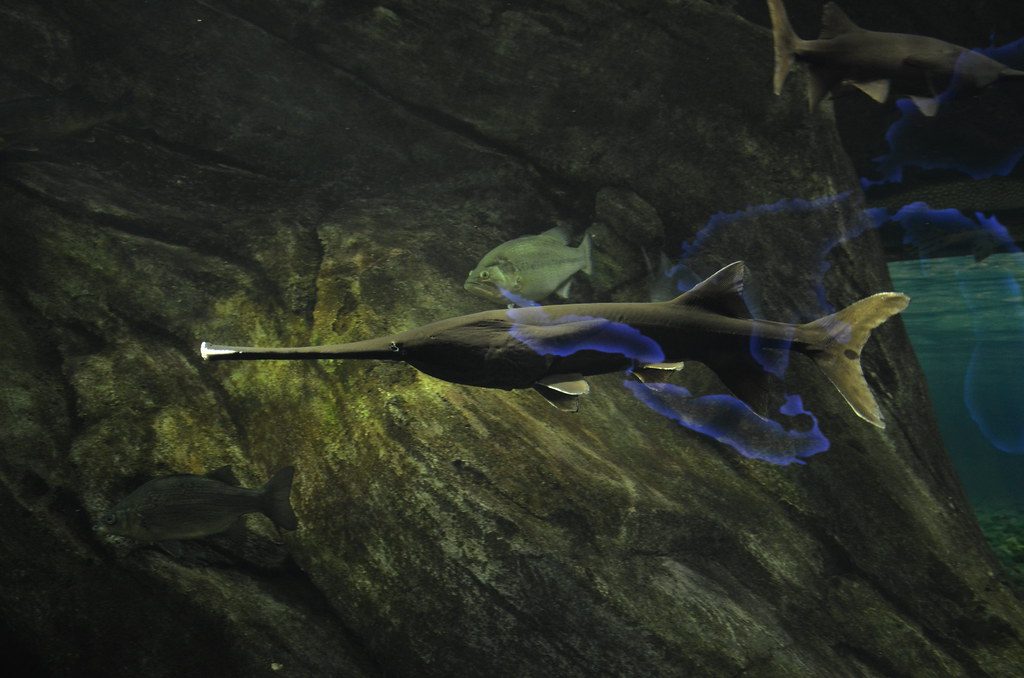
Once one of the world’s largest freshwater fish, the Chinese Paddlefish inhabited the Yangtze River for millions of years. It could grow over 20 feet (6 meters) long and was an important apex predator in its ecosystem.
Overfishing, river pollution, and the construction of large dams disrupted its migration routes and breeding grounds. Scientists eventually concluded that the species had become extinct after decades without a confirmed sighting.
Spix’s Macaw in the Wild
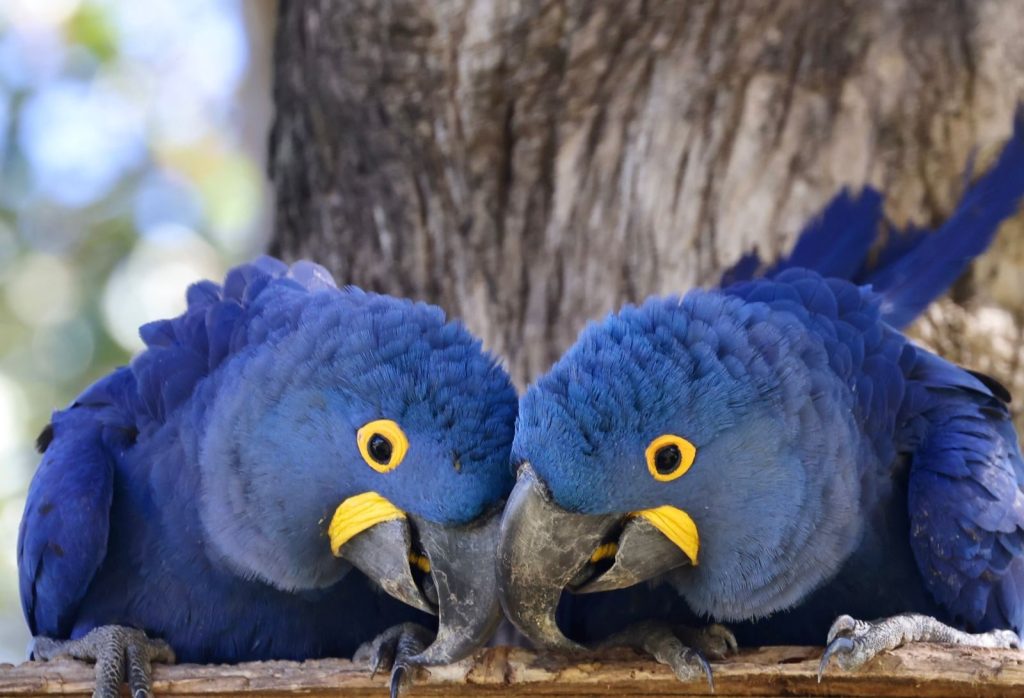
Known for its brilliant blue feathers, Spix’s Macaw became extinct in the wild after years of habitat loss and illegal trapping for the pet trade. Native to northeastern Brazil, the species experienced a dramatic population decline throughout the 20th century.
Although captive breeding programs have prevented total extinction and reintroduction efforts are now underway, the bird was officially declared extinct in the wild before those conservation initiatives began.
Jalpa False Brook Salamander
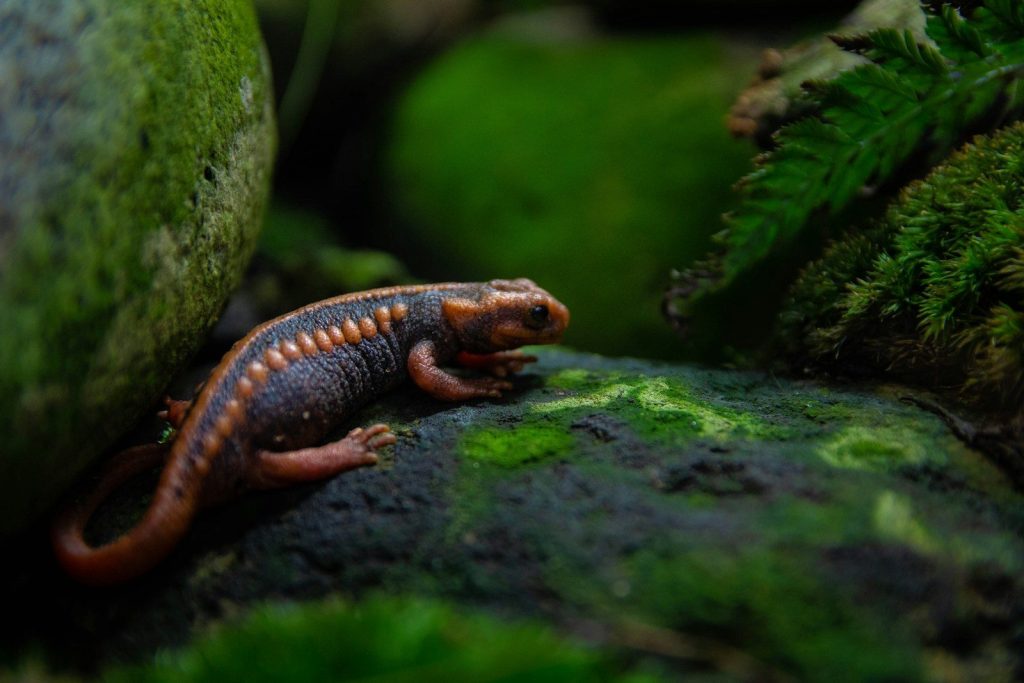
The Jalpa False Brook Salamander was native to the cloud forests of Guatemala and depended on cool, moist habitats to survive. Deforestation and habitat degradation greatly reduced the suitable environment available to the species.
Despite repeated surveys by researchers, no surviving populations have been found, leading scientists to conclude that the salamander is extinct.
Ivory-Billed Woodpecker
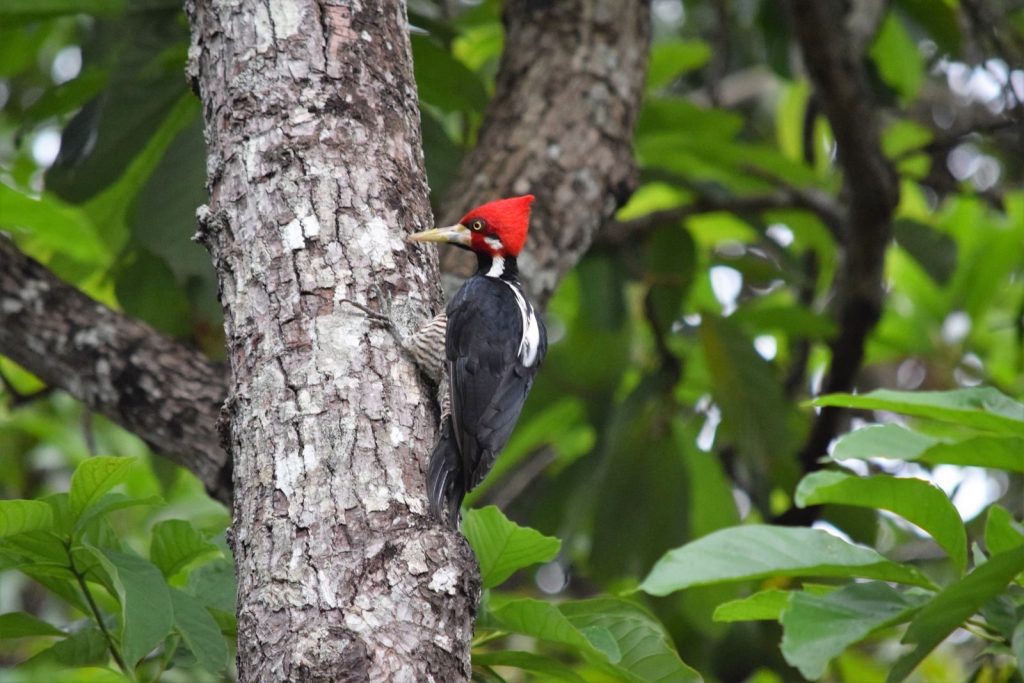
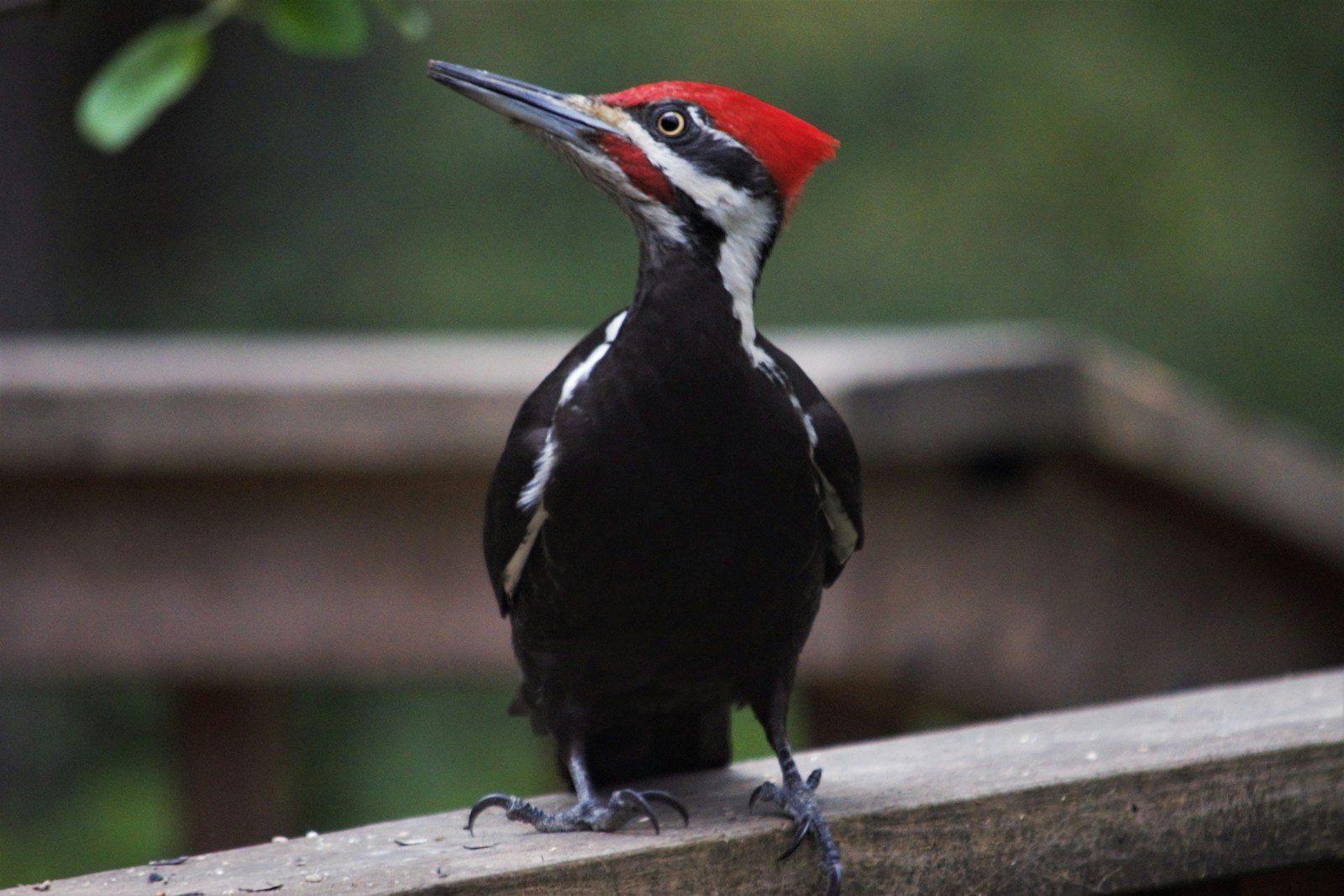
The Ivory-Billed Woodpecker has long been considered one of North America’s most mysterious birds. Once found throughout the southeastern United States, it suffered dramatic declines because of widespread logging that destroyed its old-growth forest habitat.
Although occasional unconfirmed sightings continue to spark debate, wildlife authorities have proposed declaring the species extinct due to the lack of verified evidence that any individuals still survive in the wild.