Dogs depend on their owners to provide a safe environment, but some common household items and daily habits can pose hidden dangers. Many accidents involving pets happen inside the home or during routine activities, often because owners don’t realize the risks. By identifying these everyday hazards and making a few simple adjustments, you can help keep your dog healthy, comfortable, and out of harm’s way.
Human Foods Can Be Toxic
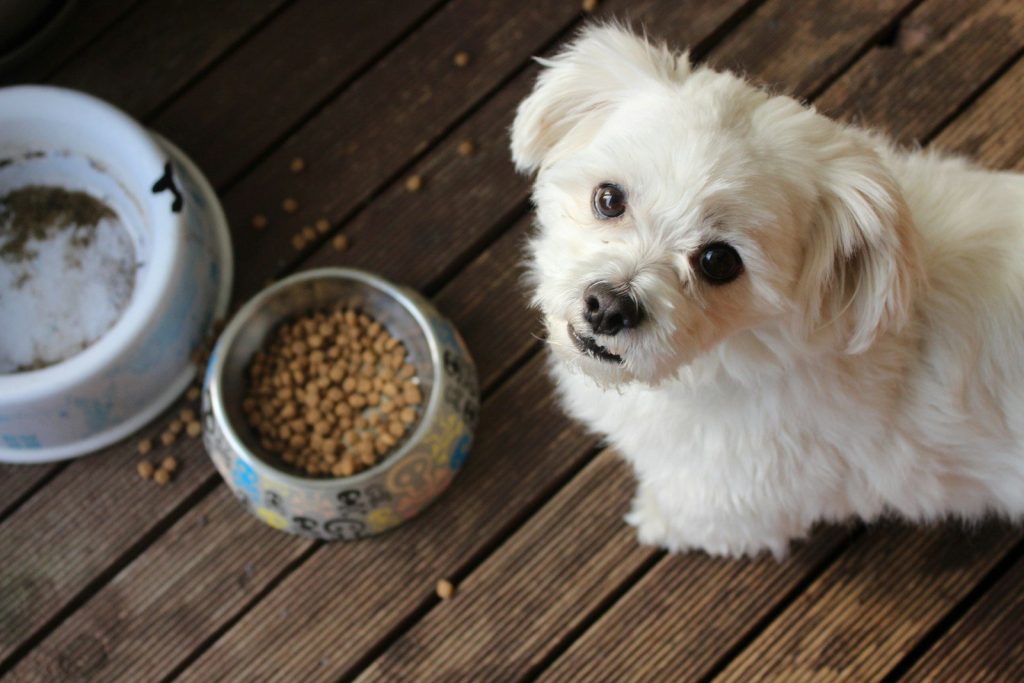
Many foods that are perfectly safe for people can be dangerous for dogs. Chocolate, grapes, raisins, onions, garlic, xylitol-sweetened products, and alcohol are just a few examples that can cause serious health problems.
Always store these foods securely and avoid sharing table scraps unless you’re certain they’re safe for your pet. If you suspect your dog has eaten something toxic, contact your veterinarian immediately.
Household Cleaning Products
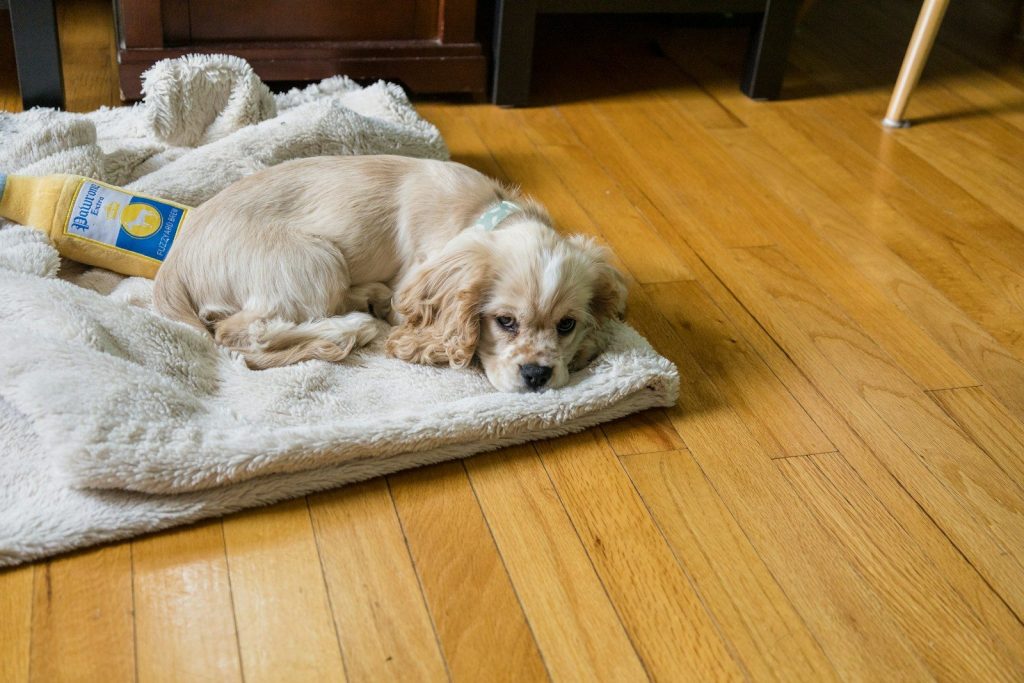
Cleaning supplies help keep homes sanitary, but many contain chemicals that can irritate or poison pets if swallowed or absorbed through their paws. Bleach, disinfectants, and concentrated detergents should always be stored out of reach.
After cleaning floors or surfaces, allow them to dry completely before letting your dog walk or lie on them, especially if you’re using products that aren’t specifically labeled as pet-safe.
Hot Pavement
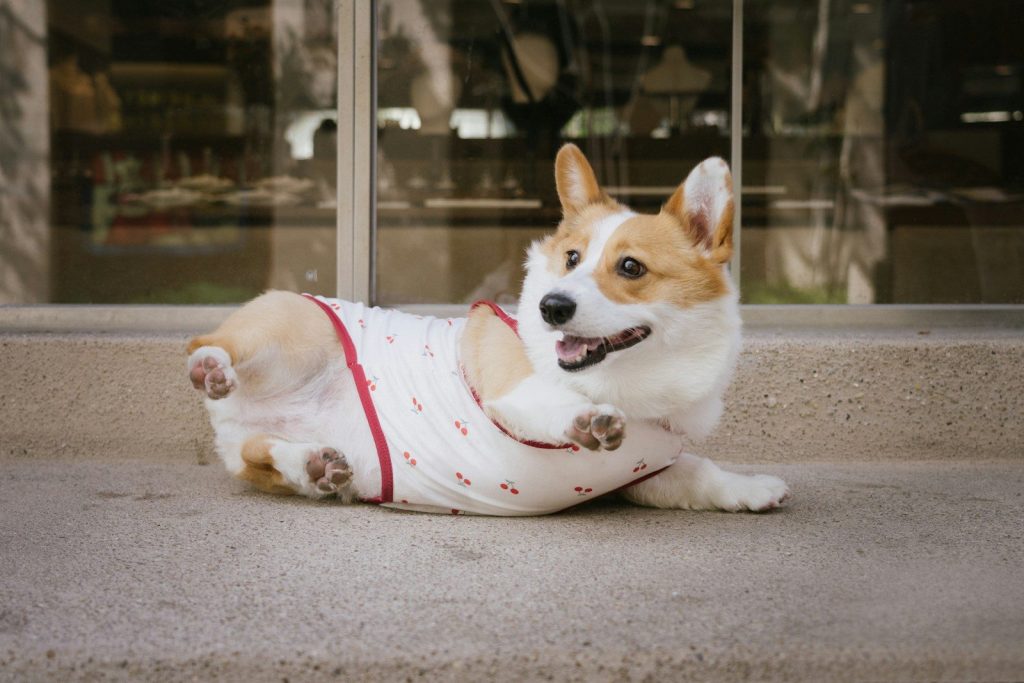
During warm weather, sidewalks, roads, and driveways can become much hotter than the surrounding air. These surfaces may burn a dog’s paw pads within minutes, even when temperatures feel comfortable to people.
Before taking your dog for a walk, touch the pavement with the back of your hand. If it’s too hot for you to keep your hand there for several seconds, it’s too hot for your dog’s paws.
Unsecured Medications
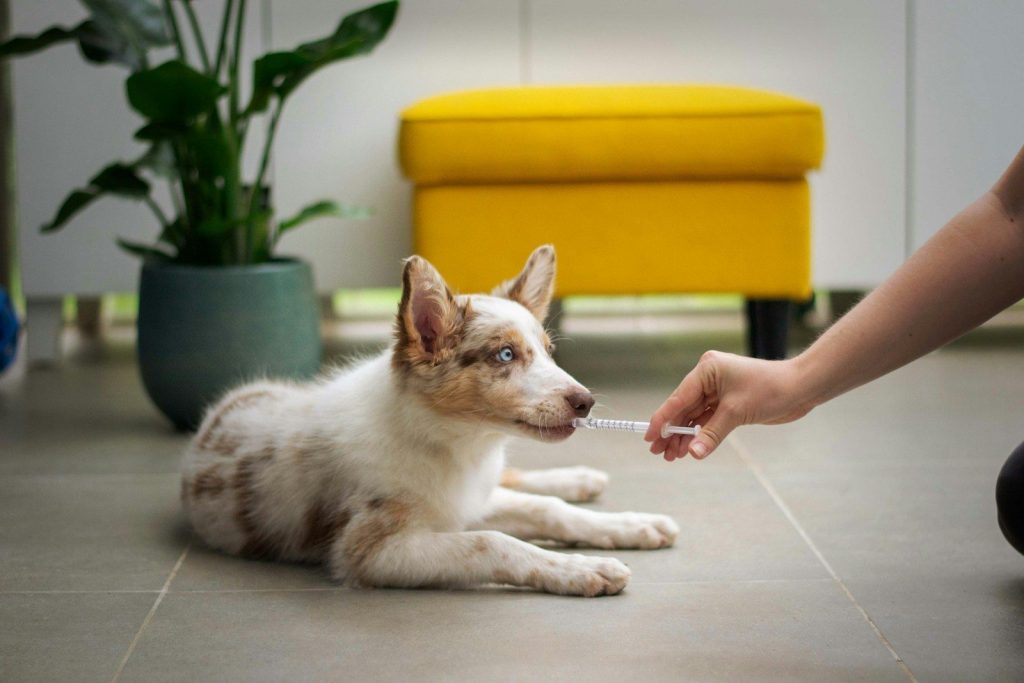
Prescription and over-the-counter medications are a frequent cause of accidental pet poisonings. Dogs may chew through bottles or eat pills dropped on the floor out of curiosity.
Never leave medication within your dog’s reach, and avoid giving human medicines unless specifically instructed by a veterinarian, as many are toxic even in small amounts.
Small Household Objects
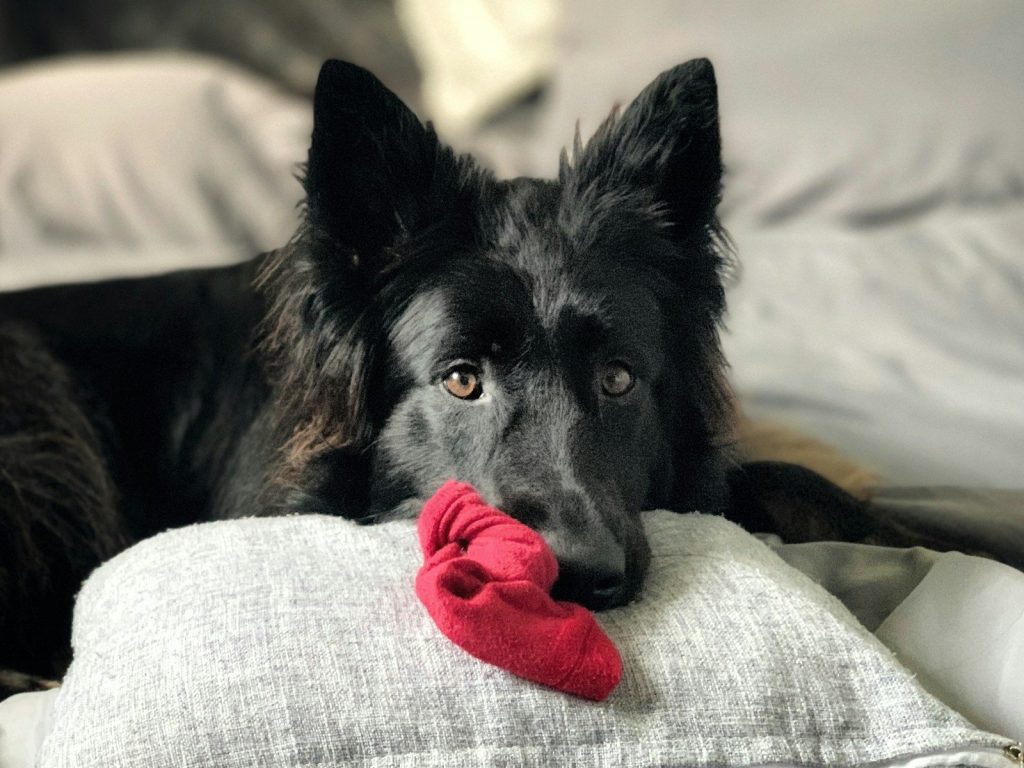
Dogs, particularly puppies, often explore the world by chewing. Items such as batteries, coins, socks, children’s toys, string, and small plastic objects can become choking hazards or cause dangerous intestinal blockages if swallowed.
Keeping floors tidy and storing small items securely can greatly reduce the risk of emergency veterinary visits.
Lack of Mental and Physical Exercise
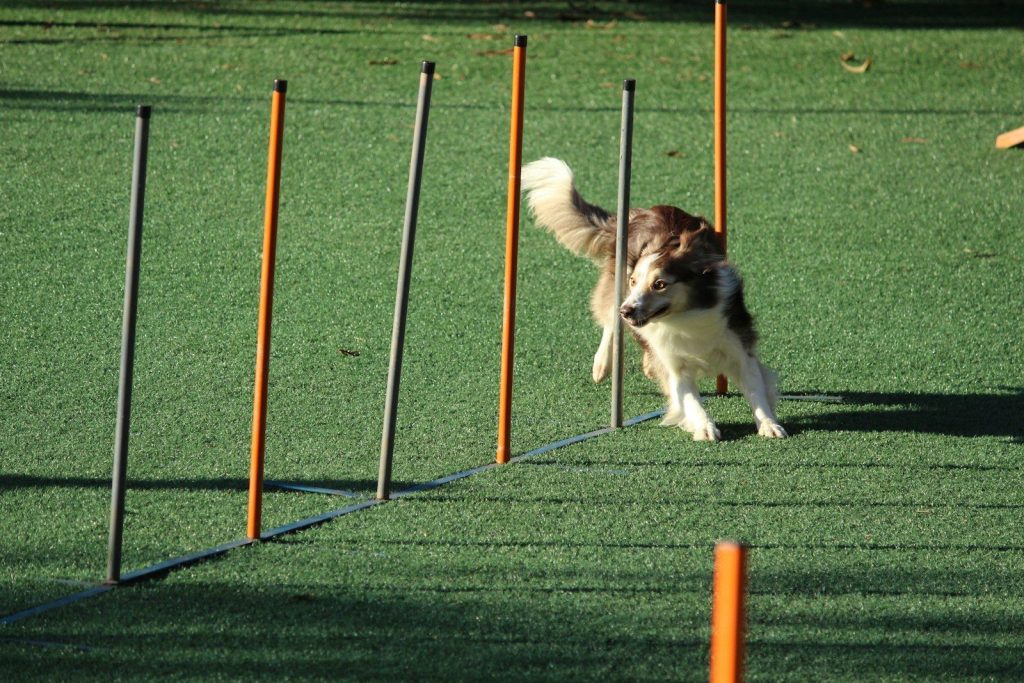
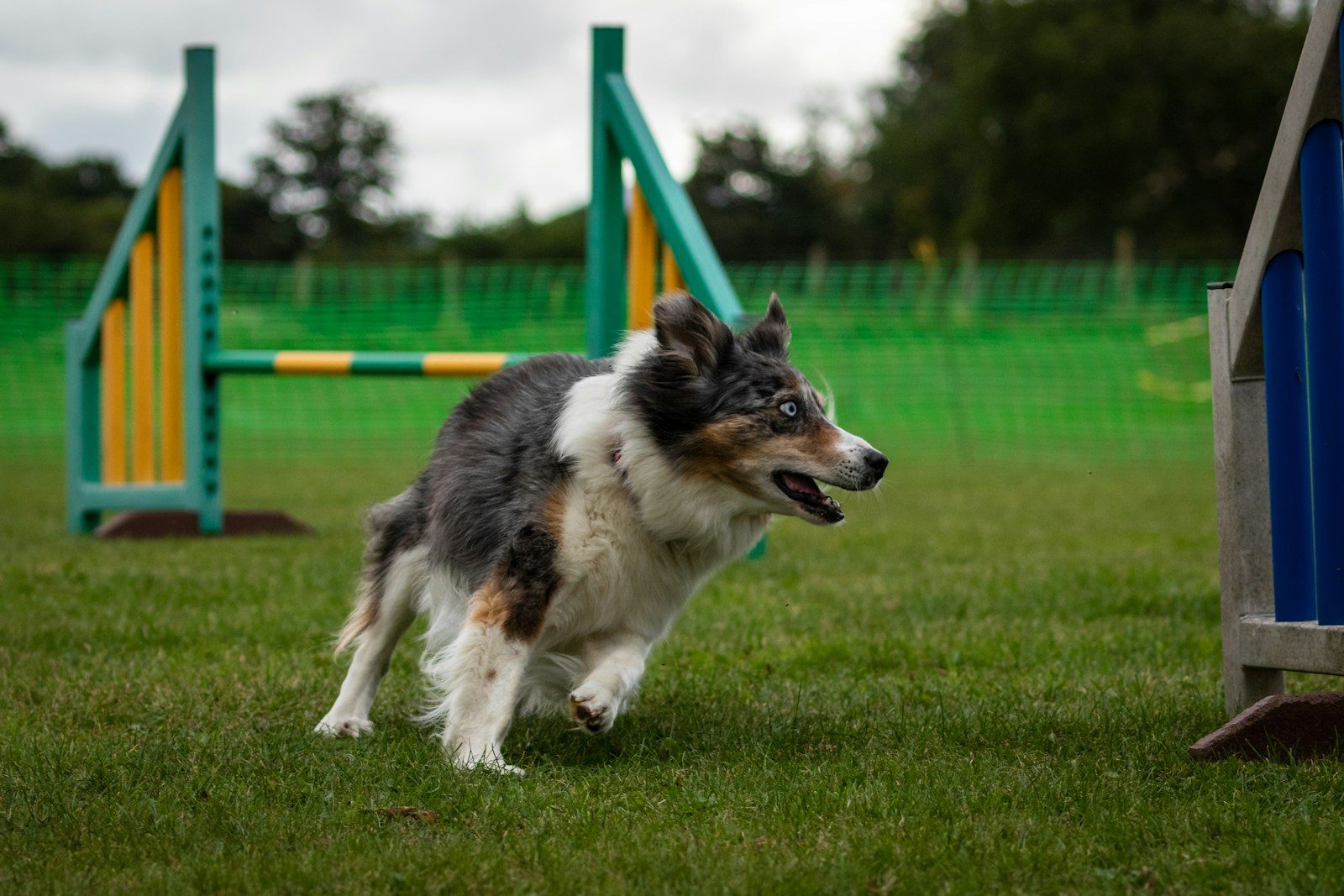
A dog’s health depends on more than proper nutrition. Insufficient exercise and mental stimulation can contribute to obesity, anxiety, destructive behavior, and other long-term health concerns.
Daily walks, interactive toys, training sessions, and opportunities to explore new environments help keep dogs physically fit while supporting their emotional well-being. A mentally engaged dog is often a healthier and happier companion.