Some of the world’s most fascinating animals exist in just one region, having evolved over thousands or even millions of years in unique environments. Geographic isolation, climate, and habitat have shaped these species into remarkable creatures found nowhere else in the wild. Protecting these endemic animals is especially important because losing their native habitats could mean losing the species forever.
Kiwi – New Zealand
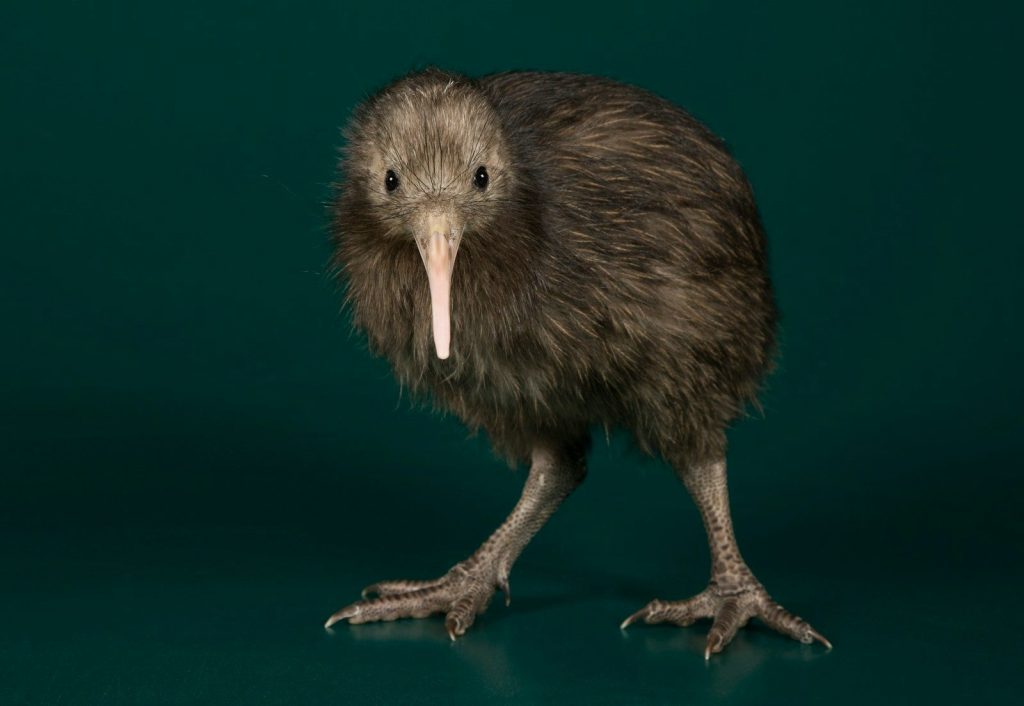
The kiwi is one of New Zealand’s most recognizable animals and is found naturally only on its islands. This flightless bird has tiny, hidden wings, powerful legs, and an unusually long beak with nostrils at the tip, helping it locate insects and worms underground.
Kiwis are mostly nocturnal and rely on their excellent sense of smell rather than eyesight. Conservation programs have helped boost some populations, although habitat loss and introduced predators remain significant challenges.
Komodo Dragon – Indonesia
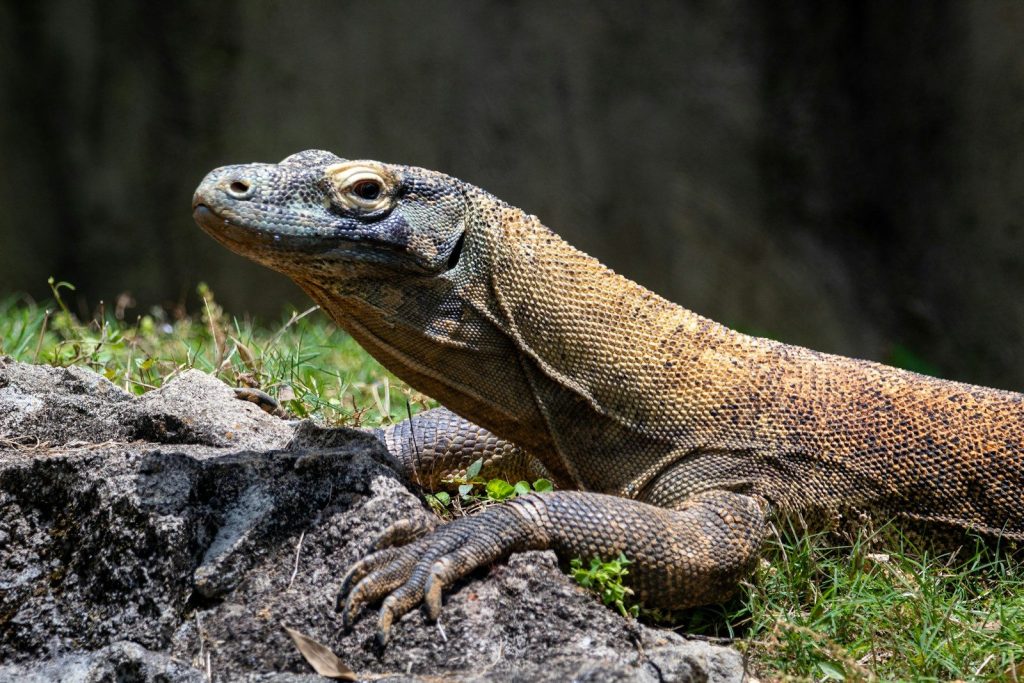
The Komodo dragon is the world’s largest living lizard and is native to a handful of Indonesian islands, including Komodo, Rinca, Flores, and Gili Motang. Adults can grow over 10 feet long and are powerful predators capable of hunting deer, wild pigs, and other prey.
These reptiles possess sharp teeth, muscular tails, and venom that helps subdue their prey. Because their natural range is so limited, they are closely monitored through conservation efforts.
Lemur – Madagascar
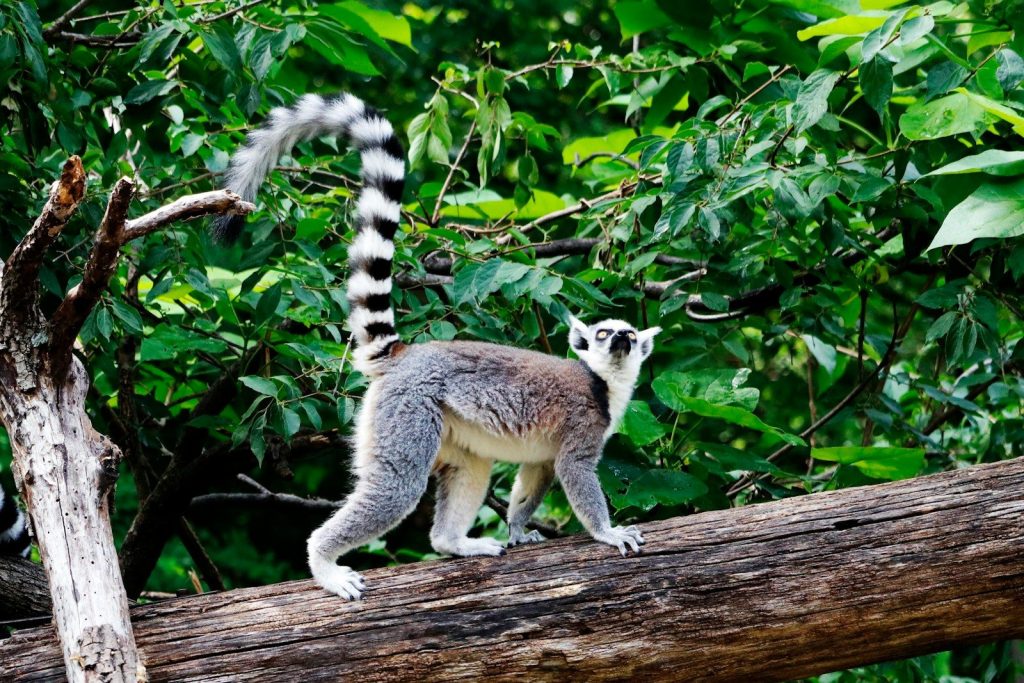
Lemurs are found naturally only on the island of Madagascar, where they have evolved into more than 100 different species. Their incredible diversity ranges from tiny mouse lemurs to the larger ring-tailed lemur, each adapted to different habitats across the island.
Unfortunately, deforestation and habitat fragmentation have placed many lemur species at risk, making Madagascar one of the world’s highest conservation priorities.
Quokka – Australia
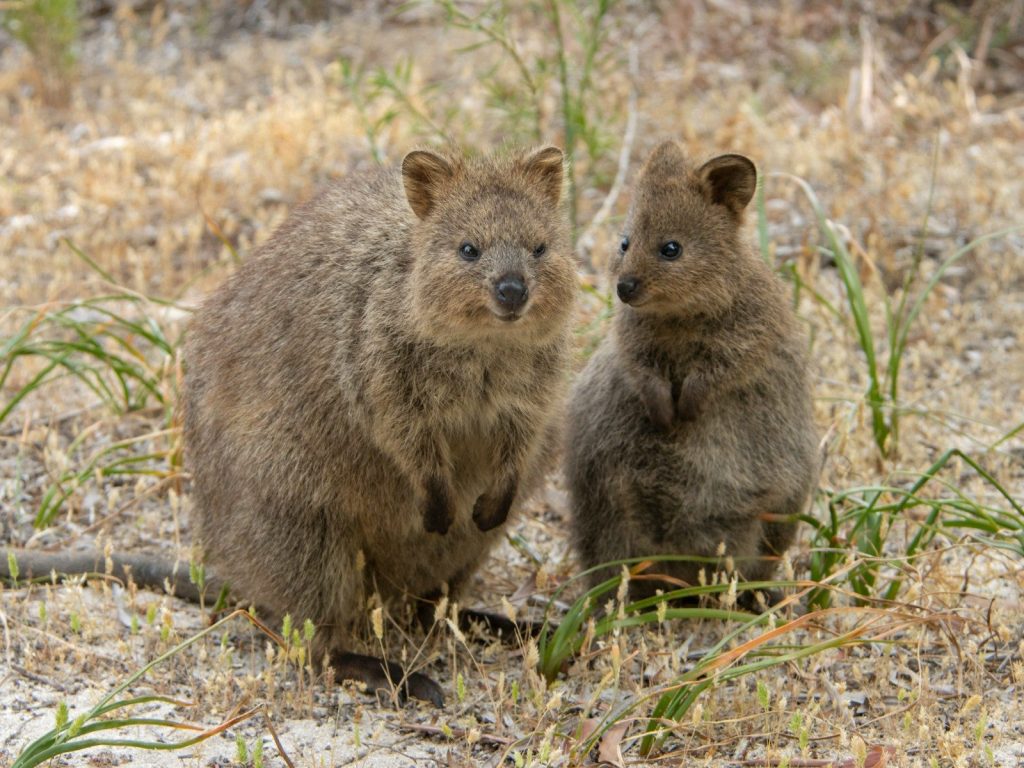
Native to a few islands and coastal regions of Western Australia, the quokka has gained worldwide fame for its cheerful appearance and seemingly permanent smile. These small marsupials are curious by nature and often show little fear of people.
Despite their friendly reputation, quokkas are protected wild animals and should never be fed or handled. Preserving their limited habitat is essential for their continued survival.
Saiga Antelope – Central Asia
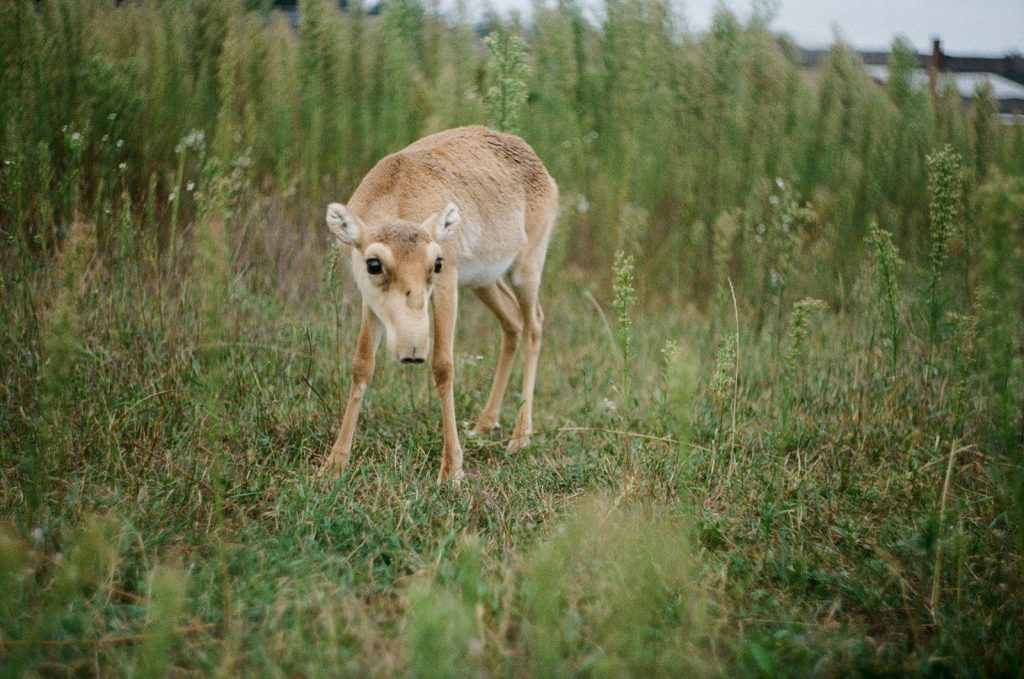
The saiga antelope is instantly recognizable thanks to its large, flexible nose, which helps filter dust during dry seasons and warm cold air during harsh winters. It is native to the grasslands and steppes of Central Asia.
Once abundant, saiga populations declined dramatically because of disease outbreaks and illegal hunting. Conservation initiatives have helped some herds recover, but the species remains vulnerable.
Galápagos Marine Iguana – Ecuador
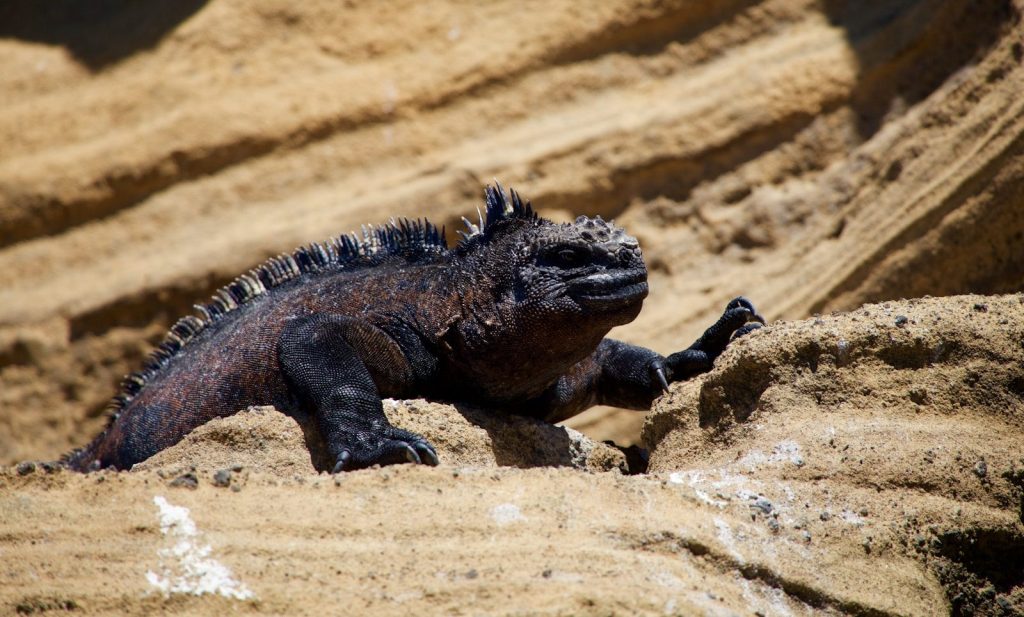
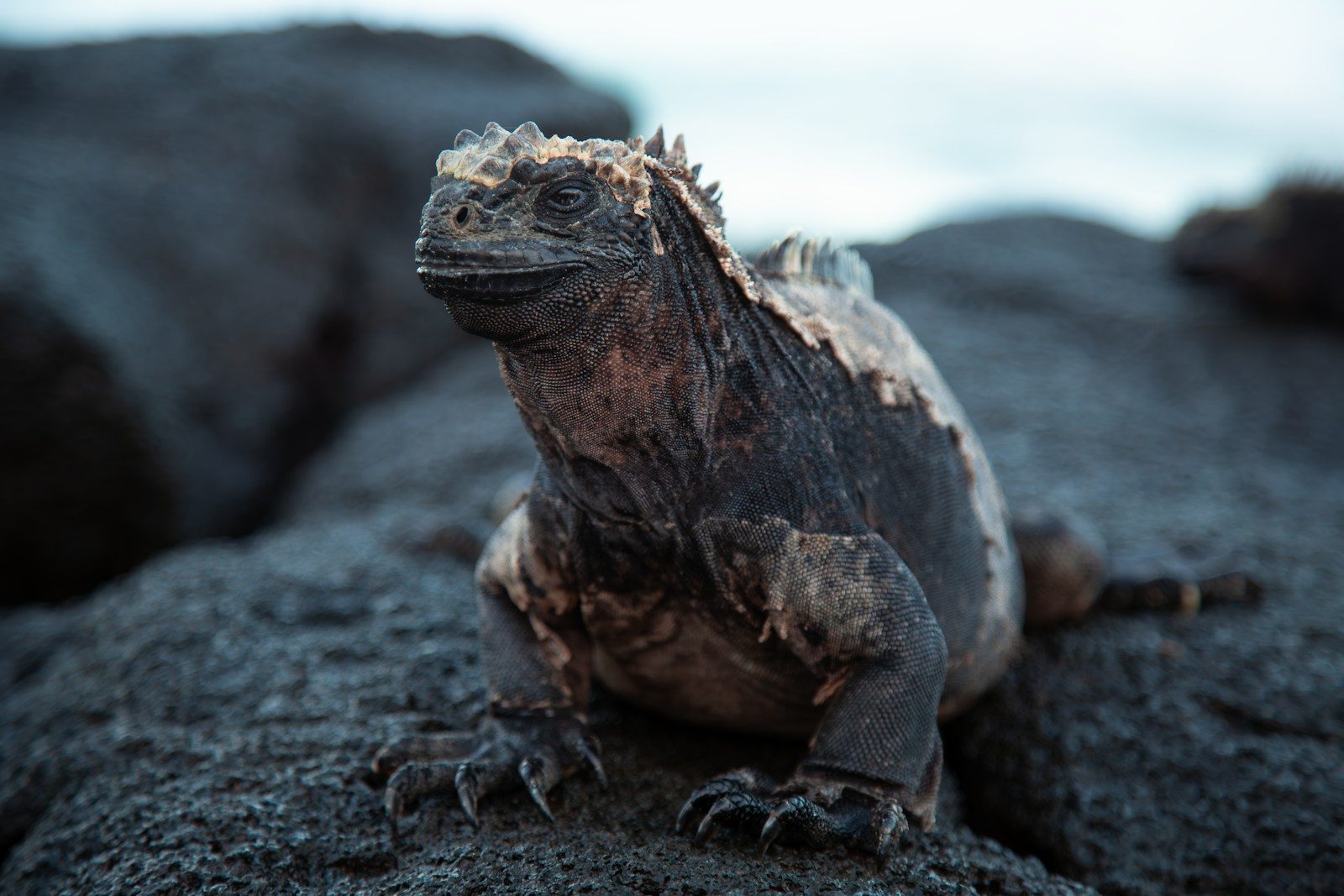
The marine iguana is the world’s only lizard that regularly forages in the ocean. Found exclusively on Ecuador’s Galápagos Islands, it feeds primarily on algae growing on underwater rocks.
These remarkable reptiles have adapted to life along the coastline by developing strong claws for gripping slippery surfaces and the ability to expel excess salt through specialized glands. Their unique evolutionary history makes them one of the islands’ most iconic species.