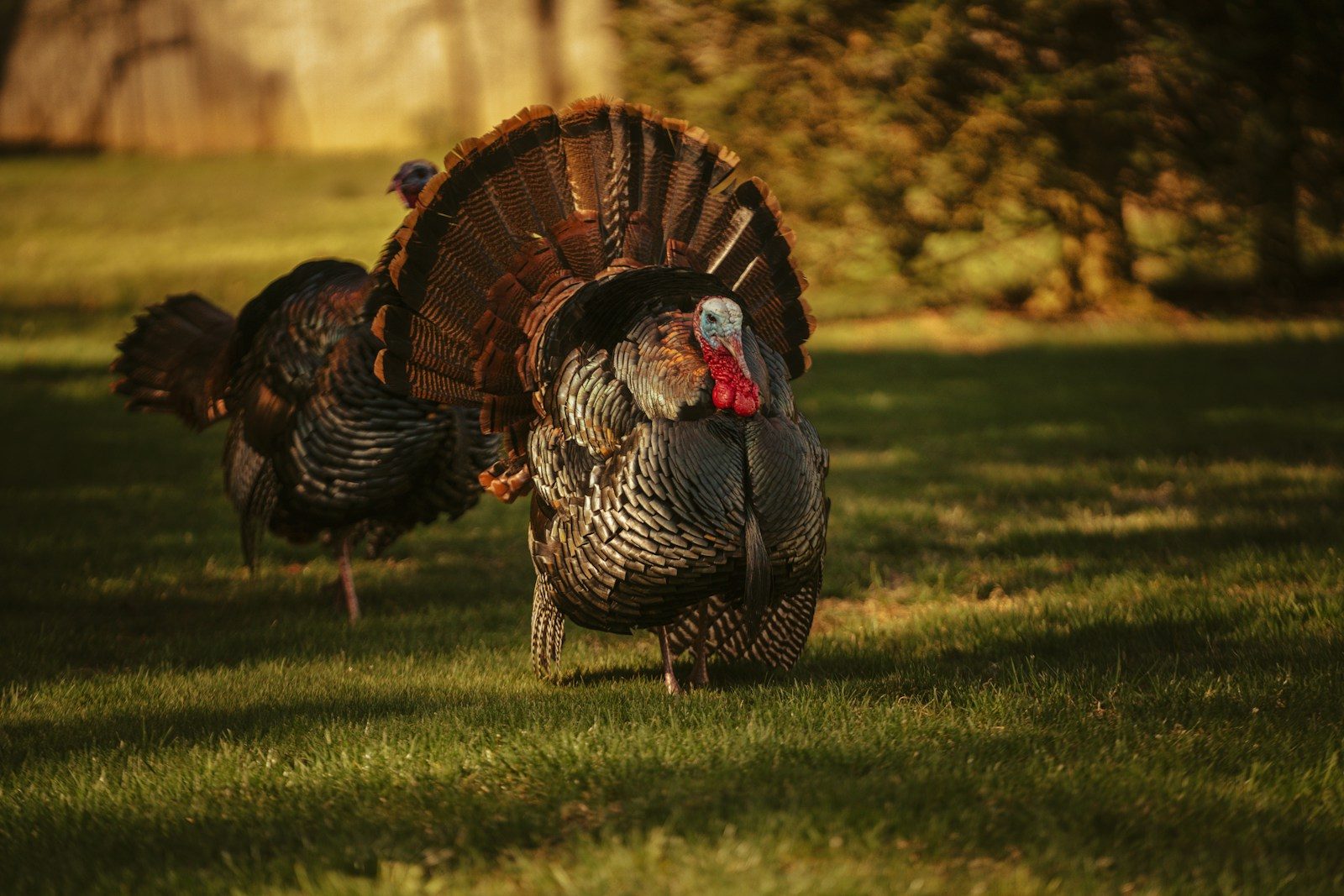
For many California residents, spotting a flock of wild turkeys wandering through suburban streets has become strangely normal.
From front lawns and sidewalks to parks and schoolyards, these large birds are appearing in neighborhoods across the Bay Area, especially in the East Bay, leaving many people wondering the same thing:
Where did all these turkeys come from?
The surprising answer is that they were never supposed to be there in the first place.
Wild Turkeys Are Not Native to California
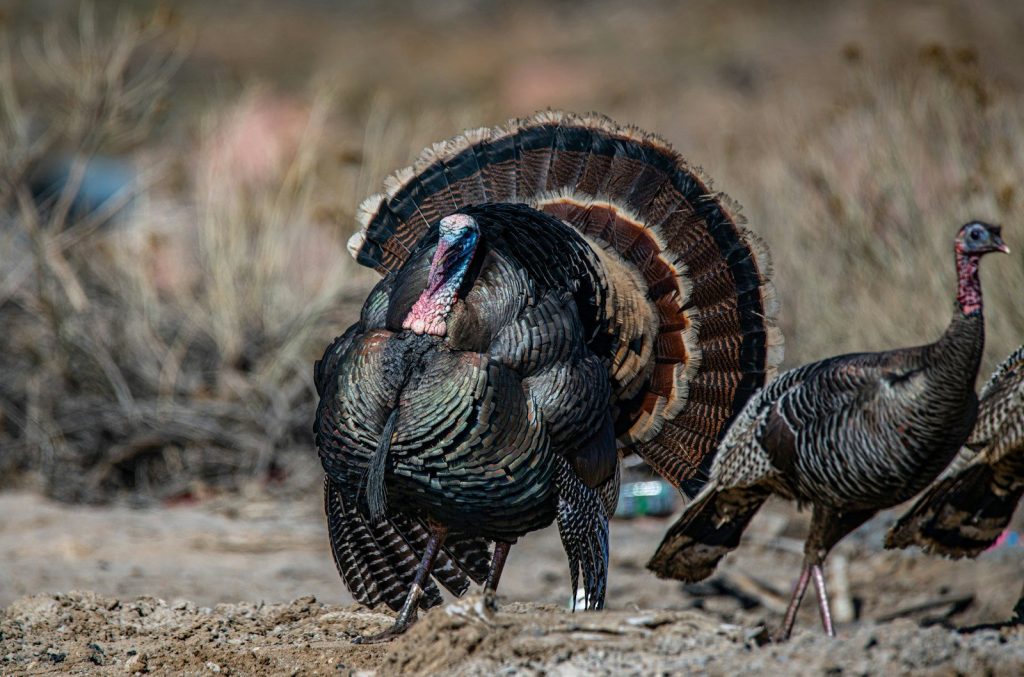
Although wild turkeys now seem deeply connected to California’s suburban landscape, experts say the birds are actually nonnative to the state.
The only ancient relative believed to have once lived in California disappeared thousands of years ago, long before modern cities existed.
The turkeys roaming neighborhoods today were introduced during the 1900s by wildlife officials hoping to expand recreational hunting opportunities across the state.
Turkeys from the southwestern United States were released into different regions of California, where they adapted surprisingly well to local environments.
Over time, their population exploded.
Today, experts estimate there are roughly 250,000 wild turkeys living throughout California.
Why Turkeys Love the Suburbs
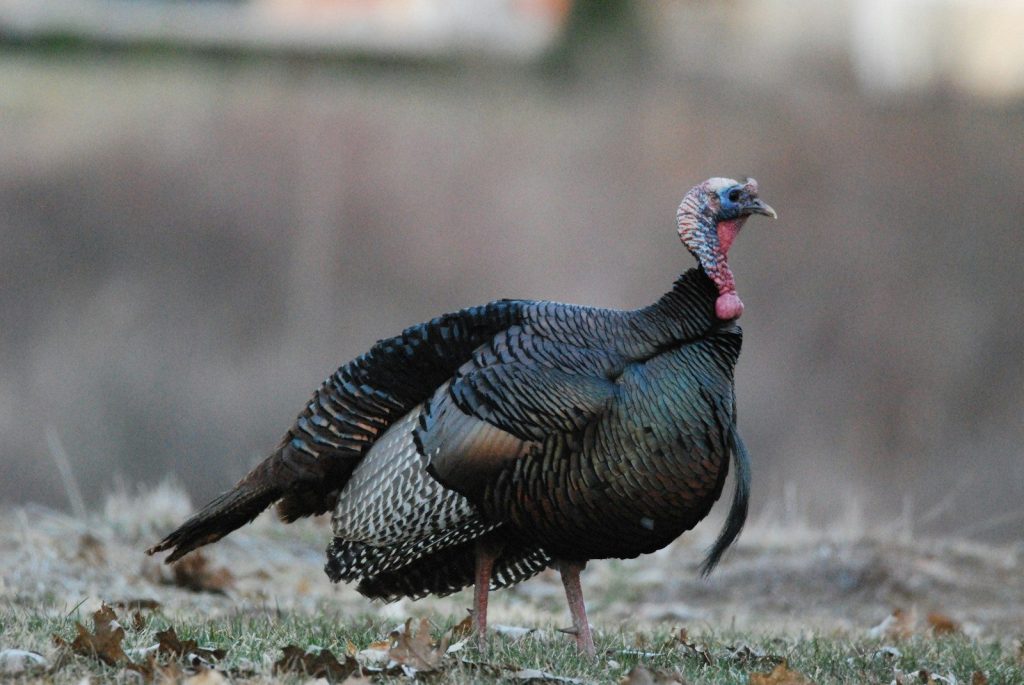
Wild turkeys have proven to be extremely adaptable animals.
Unlike species that struggle near humans, turkeys often thrive in suburban areas where food, shelter, and safety are easier to find than in the wild.
Neighborhoods provide plenty of things turkeys need:
- fruit trees,
- bird feeders,
- insects,
- acorns,
- shrubs,
- and grassy open spaces.
Parks, golf courses, and leafy residential areas also offer excellent hiding spots for nesting females during breeding season.
For turkeys, suburban neighborhoods can function almost like giant protected habitats.
Fewer Predators Means More Turkeys
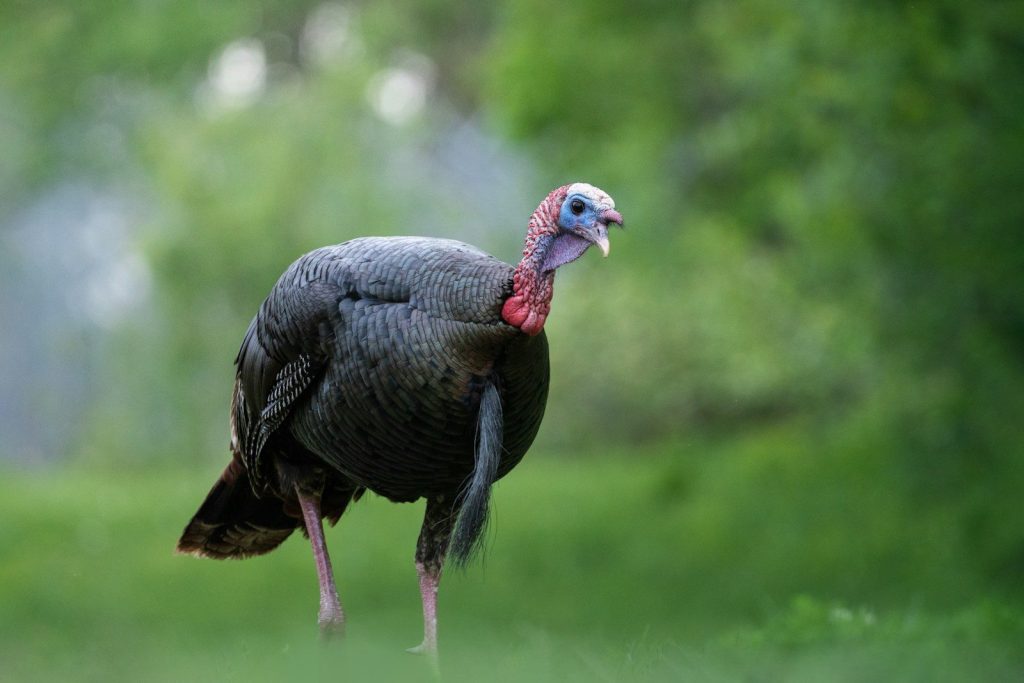
Another major reason turkeys are moving closer to people is safety.
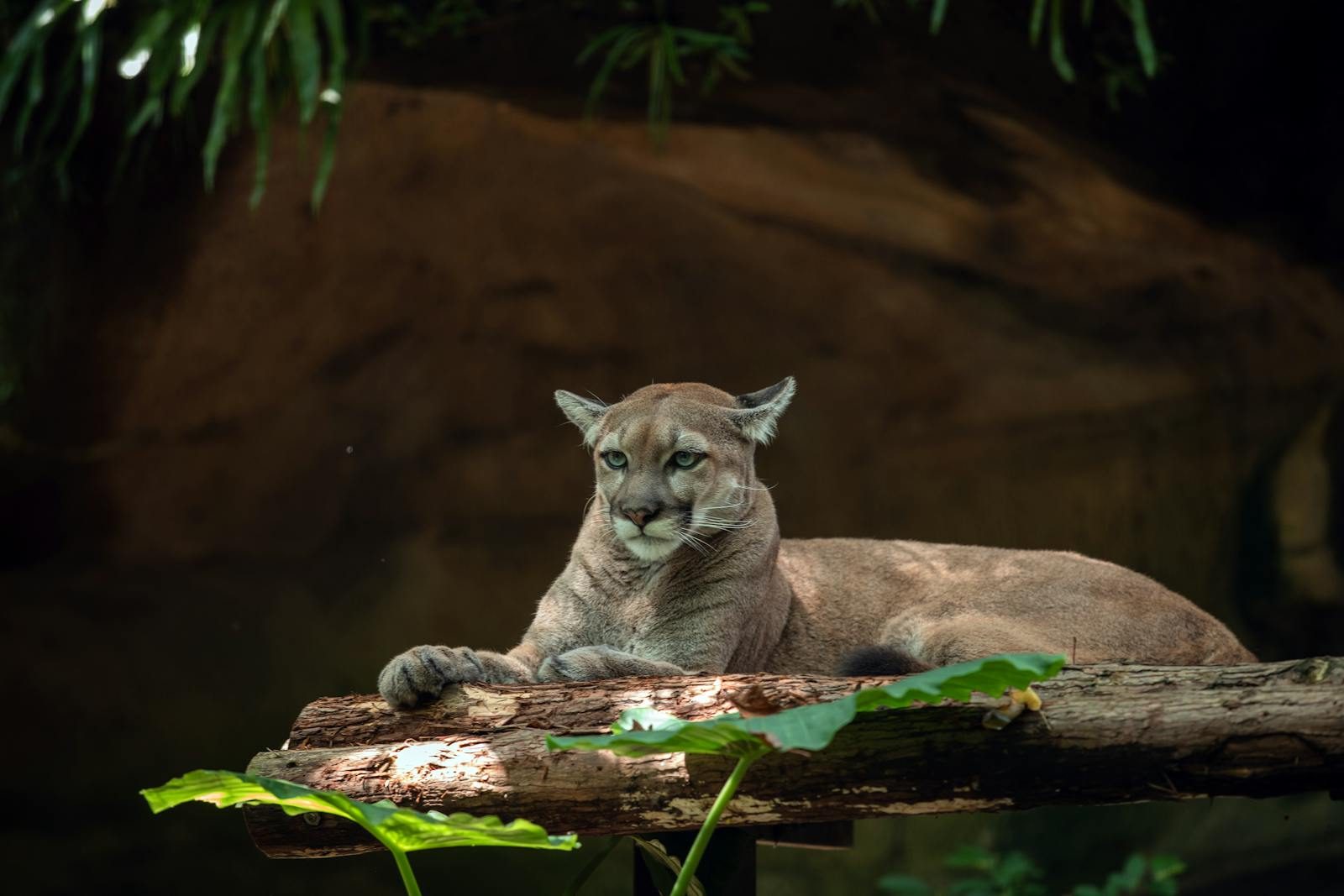
In wild areas, predators like bobcats, coyotes, and mountain lions pose constant threats. But suburban neighborhoods often have fewer natural predators, making them attractive places for turkeys to settle.
Wildlife experts say turkeys quickly learn where they are less likely to be hunted or chased.
As a result, many birds now spend large portions of the year living surprisingly close to humans.
Why People Notice Them More in Spring
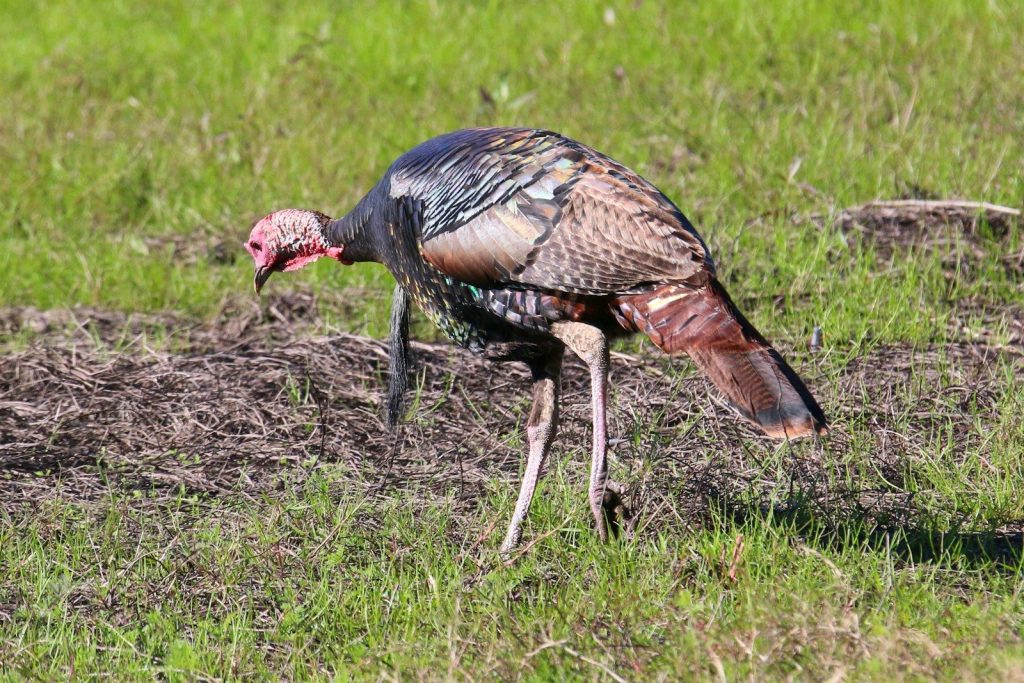
Turkey activity becomes especially noticeable during spring breeding season.
From late March through May, male turkeys actively search for mates while females begin scouting safe nesting locations.
This often brings larger groups into neighborhoods, parks, and roadside areas where residents suddenly encounter them more frequently.
During this time, male turkeys can sometimes behave aggressively toward reflections, parked cars, pets, or even people if they feel challenged.
Still, experts say most wild turkeys prefer avoiding confrontation whenever possible.
Yes, Wild Turkeys Can Fly
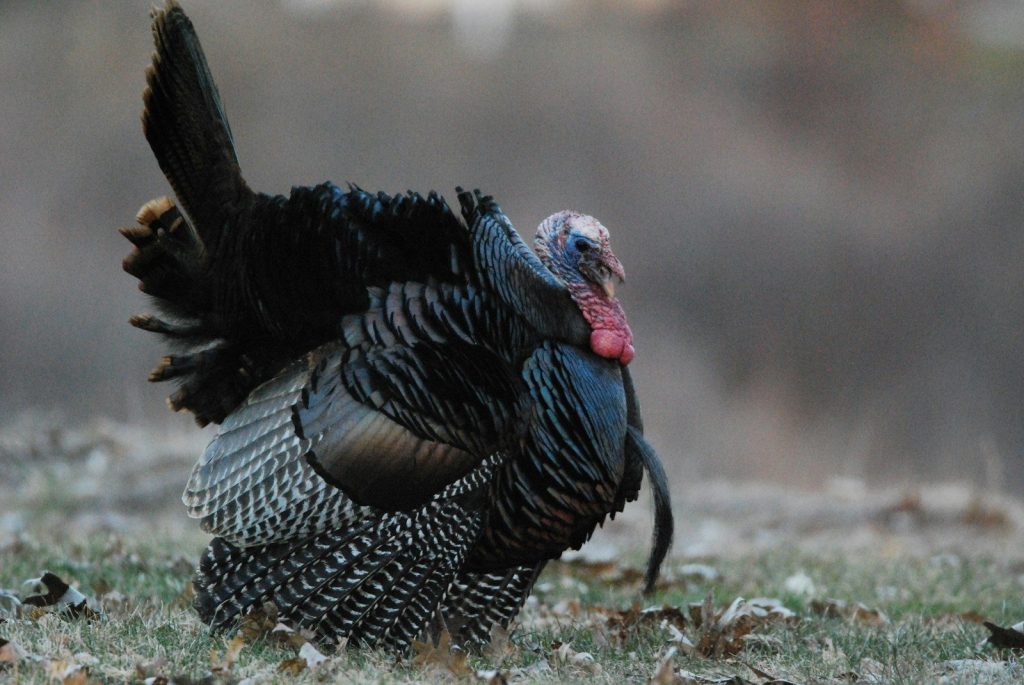
Many people are surprised to learn that wild turkeys are capable of flight.
Although they spend most of their time walking on the ground, they can fly short distances and often roost high in trees overnight to avoid predators.
Residents occasionally spot large turkeys perched in trees above roads or homes, creating an unusual sight that feels almost unreal in urban neighborhoods.
When Turkeys Become a Problem
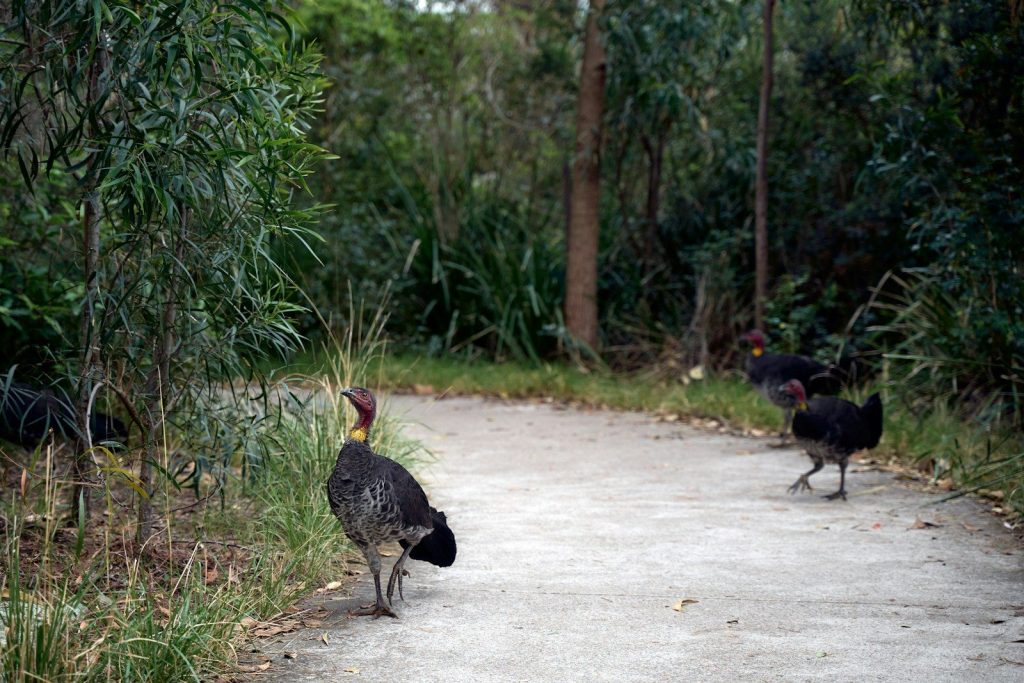
While many people enjoy seeing wildlife nearby, wild turkeys can sometimes become a nuisance.
They may damage gardens, scatter bird feeders, block traffic, or chase pets and children if startled.
Experts recommend avoiding direct interaction and never feeding wild turkeys, as feeding can make them lose their natural fear of humans.
Homeowners hoping to discourage turkeys can trim overgrown vegetation, secure food sources, install fencing around gardens, and use motion-activated sprinklers to scare birds away.