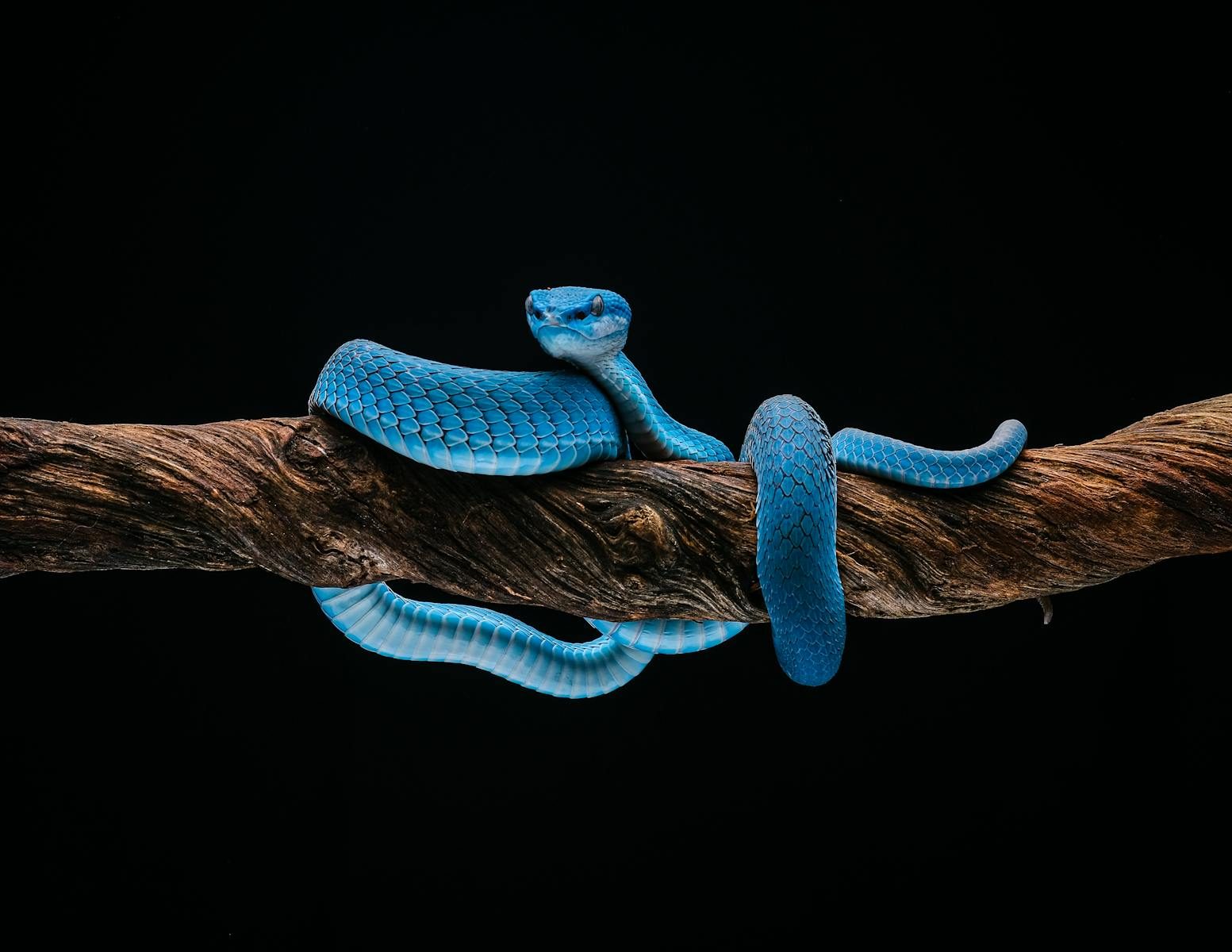
A recent sighting of a rare blue coral snake has drawn attention from wildlife enthusiasts due to its striking appearance and highly specialized venom. The snake’s vivid blue body, contrasted with a bright red head and tail, makes it one of the most visually distinctive reptiles in the natural world.
Beyond its appearance, scientists and wildlife observers are fascinated by its venom, which affects the nervous system in a way that can rapidly disable prey. This combination of beauty and biological power has made it a subject of growing scientific interest.
A Striking Color Pattern With A Purpose
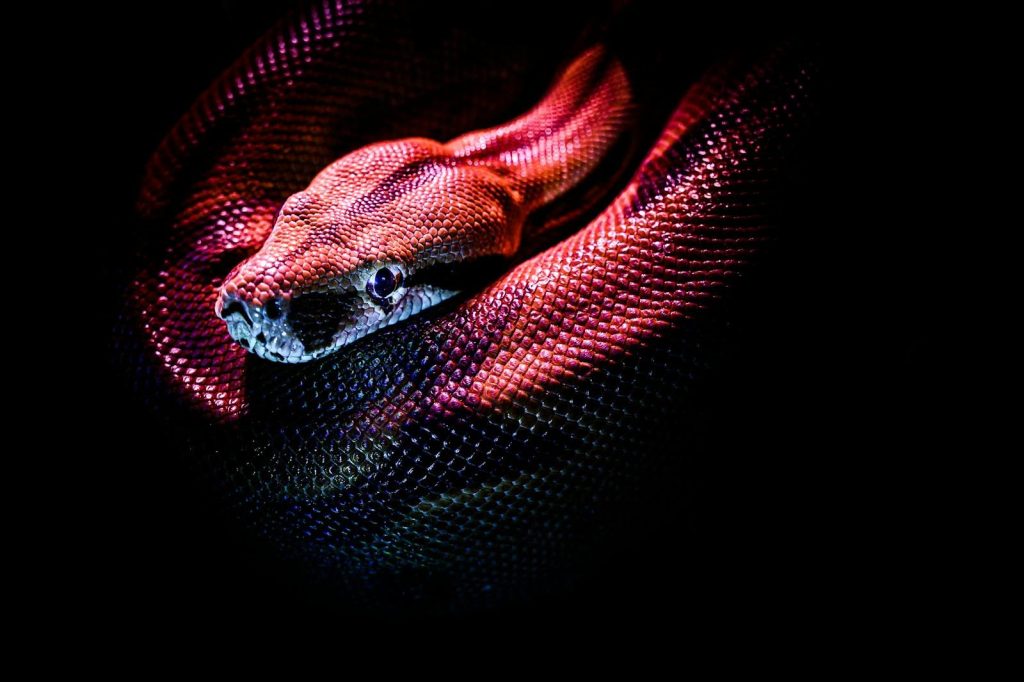
The blue coral snake displays an intense combination of electric blue, red, and dark tones that immediately stand out in its forest habitat. This coloration is not accidental, as it serves as a warning signal to potential predators.
Biologists explain that such bright patterns often indicate danger in nature. The snake’s appearance helps reduce attacks by signaling that it should not be handled or approached.
A Rare Species Found In Southeast Asia
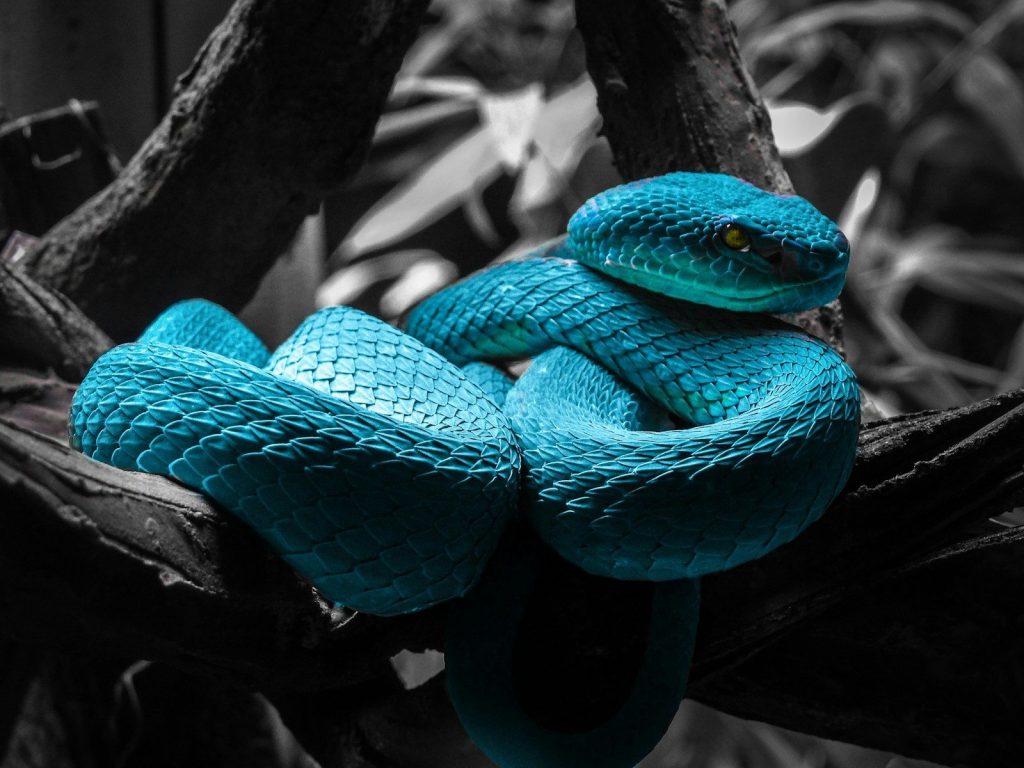
This coral snake is typically found in parts of Southeast Asia, where dense rainforests provide cover and hunting grounds. Sightings are uncommon because the species tends to remain hidden under leaf litter and forest debris.
When it does appear, it is often moving slowly through the forest floor rather than actively seeking confrontation. Its rarity adds to the excitement whenever it is documented by researchers or wildlife photographers.
Venom That Targets The Nervous System
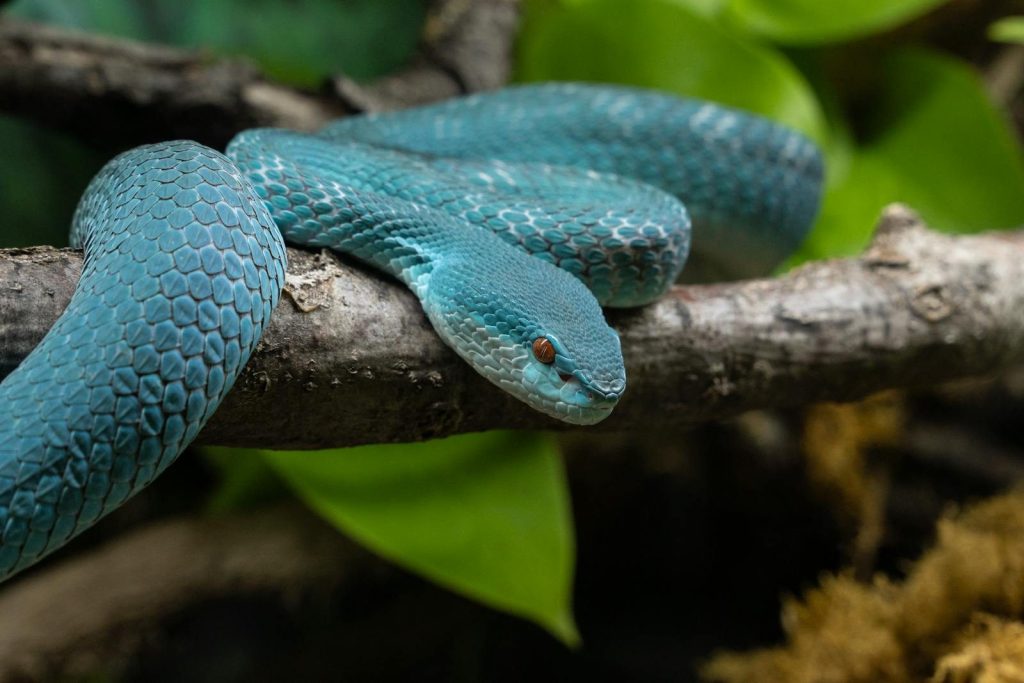
The snake’s venom is primarily neurotoxic and works by disrupting the communication between nerves and muscles. Once injected, it can cause rapid and widespread neurological effects in its prey.
Researchers describe this reaction as causing uncontrolled nerve activity, which leads to near instant immobilization. This makes the venom highly effective for hunting other reptiles and small animals.
Rapid Paralysis And Intense Physiological Effects
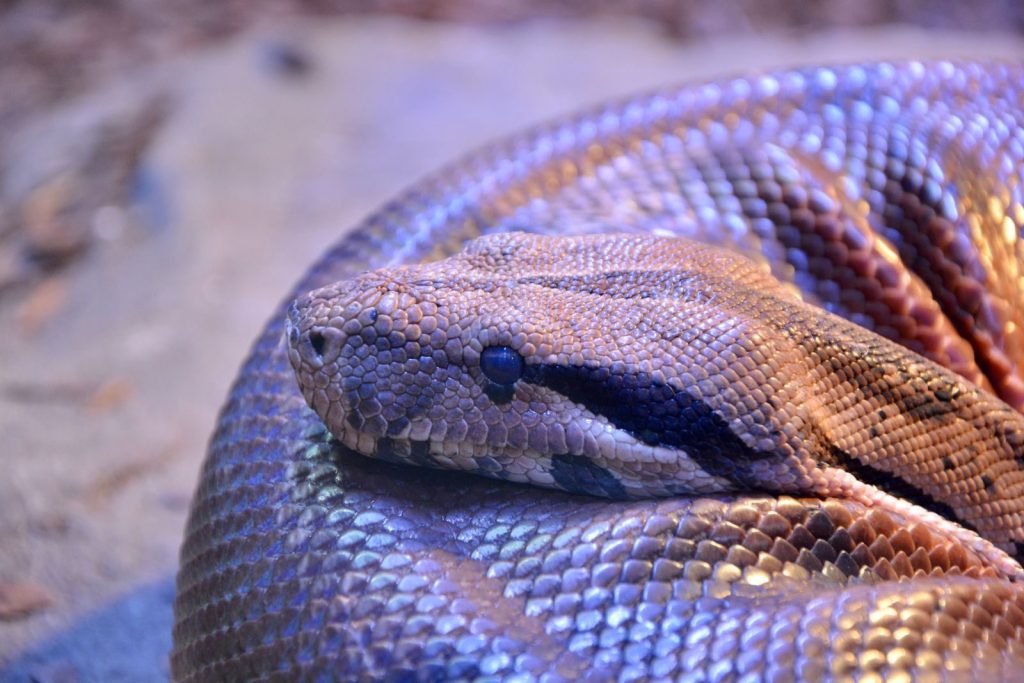
One of the most notable effects of the venom is the way it can cause muscles to activate uncontrollably before shutting down. This process interferes with normal body function almost immediately after envenomation.
In severe cases, the nervous system failure can lead to complete paralysis. Scientists continue to study this mechanism to better understand how such toxins interact with human biology.
A Predator That Hunts Other Snakes
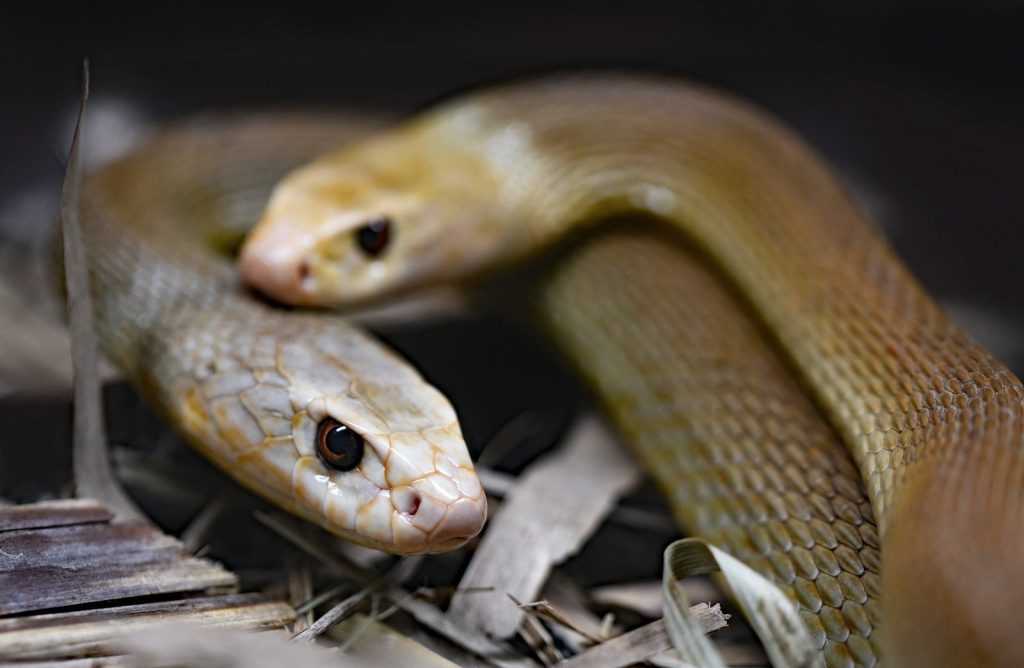
Unlike many snake species that feed on rodents or amphibians, this coral snake is known to prey on other snakes. This includes venomous species, making it a specialized predator in its ecosystem.
This unusual diet places it near the top of its food chain despite its relatively small size. Its venom gives it a clear advantage when subduing dangerous prey.
Scientific Interest And Medical Potential

Researchers are also interested in the snake’s venom for its potential medical applications. Some studies suggest that its compounds may help scientists better understand nerve signaling and pain pathways.
Although still highly dangerous, the biochemical properties of the venom could one day contribute to medical research. For now, however, it remains a substance that requires extreme caution and respect.