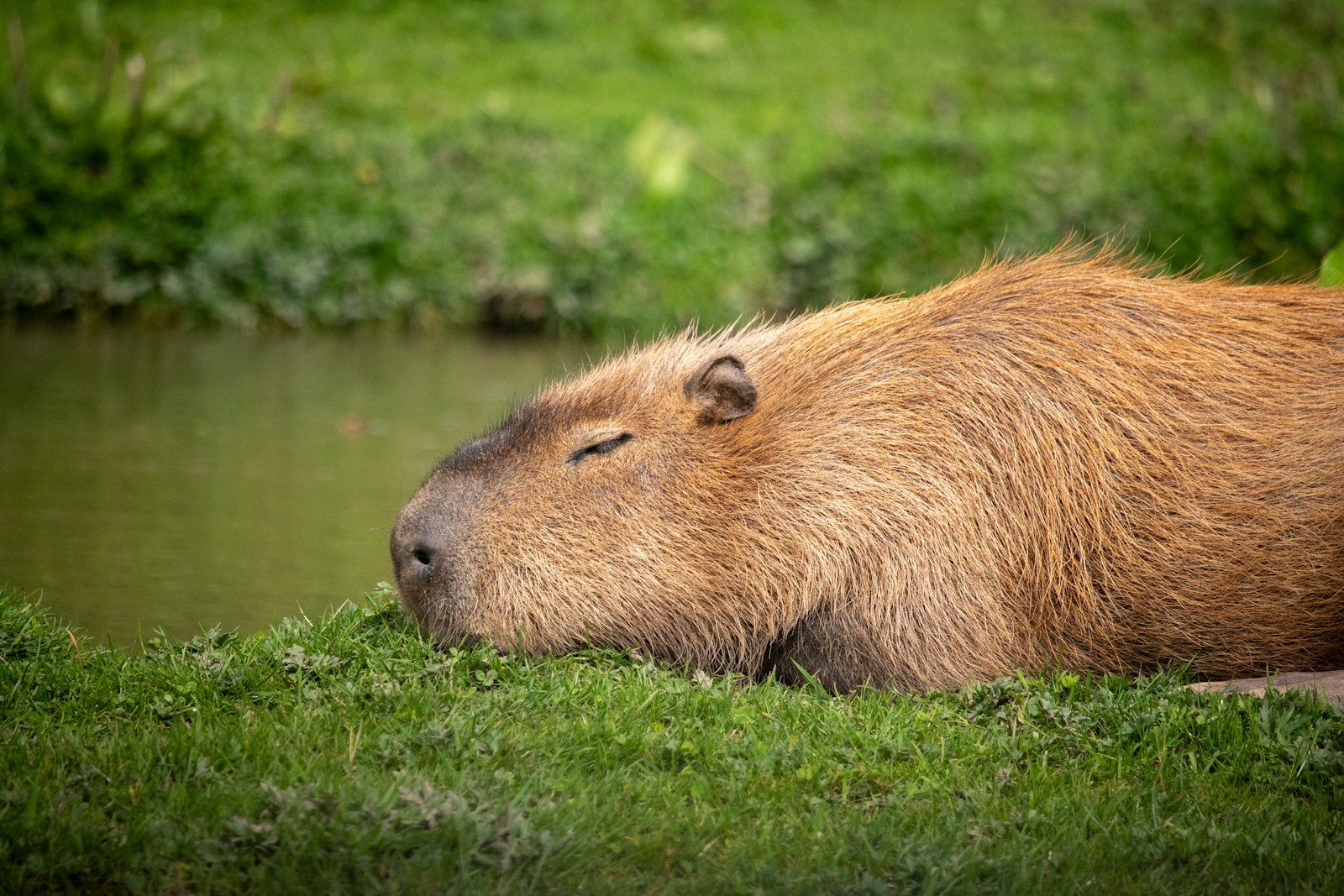
Photos of capybaras casually sitting on crocodiles or caimans often leave people stunned. One wrong move should turn the world’s largest rodent into an easy meal, yet these encounters happen surprisingly often in South America’s wetlands.
While it may look like an unusual friendship, scientists believe there are several reasons capybaras behave so calmly around reptiles that could easily kill them.
Capybaras Are Extremely Relaxed Animals
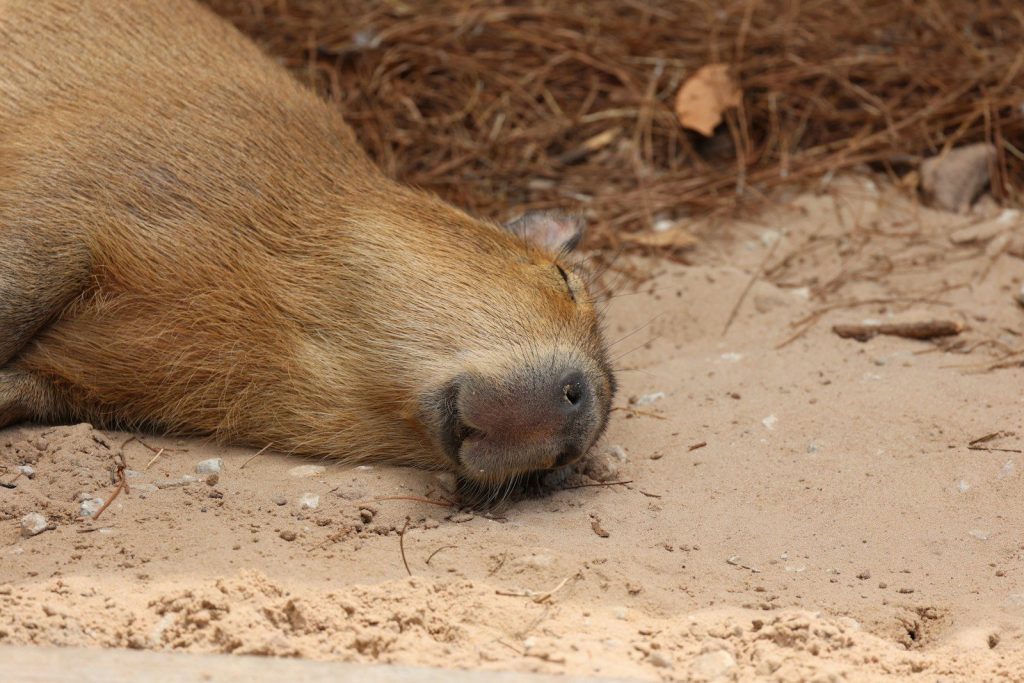
Capybaras are famous for their unusually calm behavior around other animals. They regularly share space with birds, monkeys, turtles, and even predators without appearing stressed.
Because they live in large groups, capybaras rely heavily on social awareness and often stay relaxed unless they sense immediate danger. This laid-back behavior may explain why they sometimes climb onto resting crocodilians without panicking.
Crocodiles Usually Attack Only When Hunting
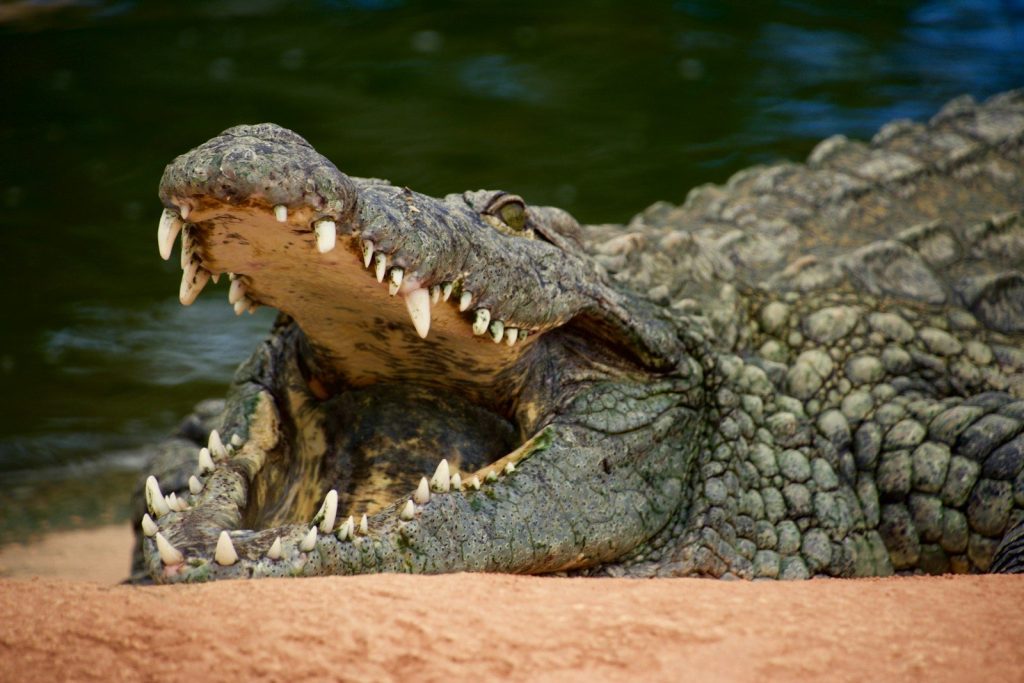
Most crocodiles and caimans are ambush predators. They prefer attacking suddenly from the water rather than chasing animals on land.
When these reptiles are sunbathing, conserving energy, or not actively hunting, they may ignore nearby capybaras completely. In some cases, the reptiles seem almost indifferent as the rodents climb over them or rest nearby.
Water Sources Force Animals Together

In many South American wetlands, rivers and muddy shorelines become crowded gathering spots during dry seasons.
Capybaras depend on water to stay cool and escape predators, while caimans spend most of their lives near the same waterways. Because both species constantly share territory, they gradually become accustomed to each other’s presence.
Young Caimans Often Pose Less Danger
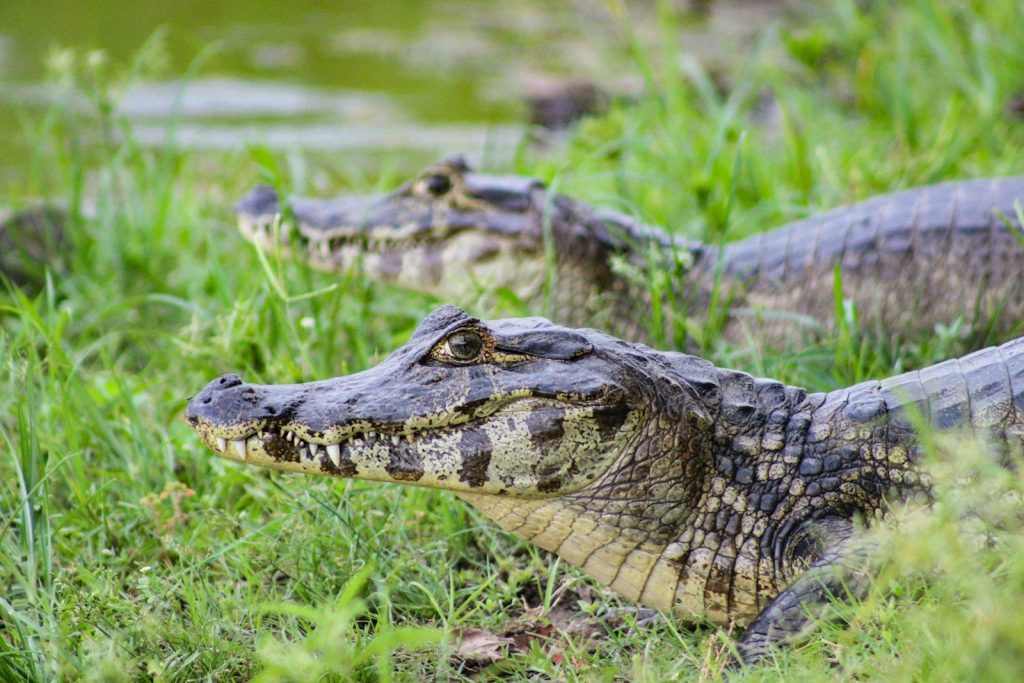
Some of the most famous photos show capybaras interacting with smaller caimans rather than massive adult crocodilians.
While a fully grown caiman can absolutely kill a capybara, younger reptiles may avoid attacking larger adult rodents because the risk of injury is not worth the effort.
This creates moments where both animals tolerate one another temporarily.
Capybaras Stay Alert Even When Relaxed
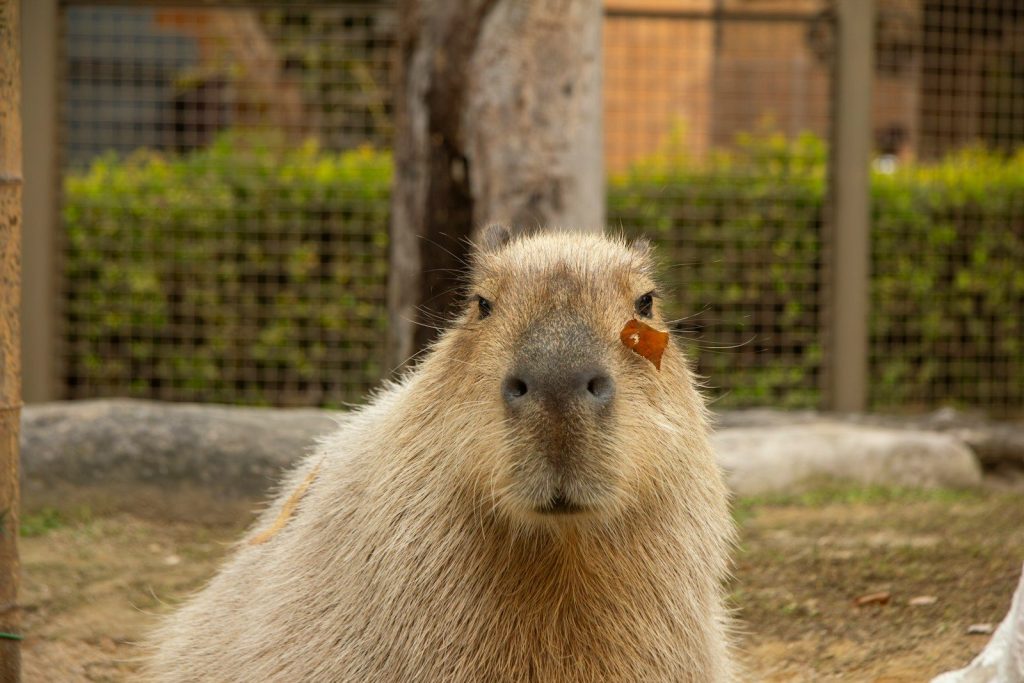
Despite their calm image, capybaras are highly observant animals. Their eyes, ears, and nostrils sit high on their heads, allowing them to monitor danger while partially submerged underwater.
Experts believe capybaras can often sense when a predator is actively hunting versus simply resting nearby.
That awareness may help them avoid attacks during these strange encounters.
Viral Photos Don’t Show the Full Reality
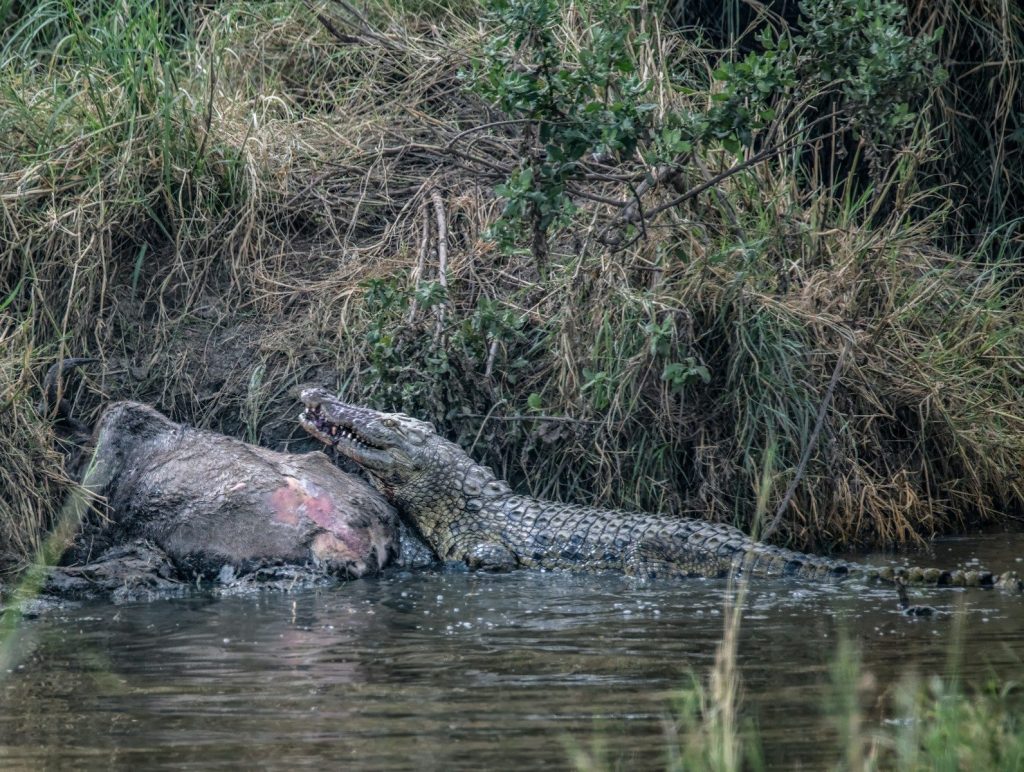
While the images appear peaceful, crocodiles and caimans do sometimes prey on capybaras in the wild.
Large reptiles are among the capybara’s main natural predators, especially near rivers and marshes. Many encounters likely end very differently than the calm moments captured in viral photos online.
The internet mostly sees the rare situations where neither animal reacts aggressively.