Most travelers dream of going on safari during peak season, when the skies are clear and wildlife crowds gather around famous watering holes. But experienced explorers know the real adventure often begins during the quieter low season.
With fewer tourists, dramatic landscapes, and unpredictable wildlife encounters, low-season safaris can feel more raw, immersive, and authentic than the polished peak-season experience.
Fewer Crowds, More Wilderness
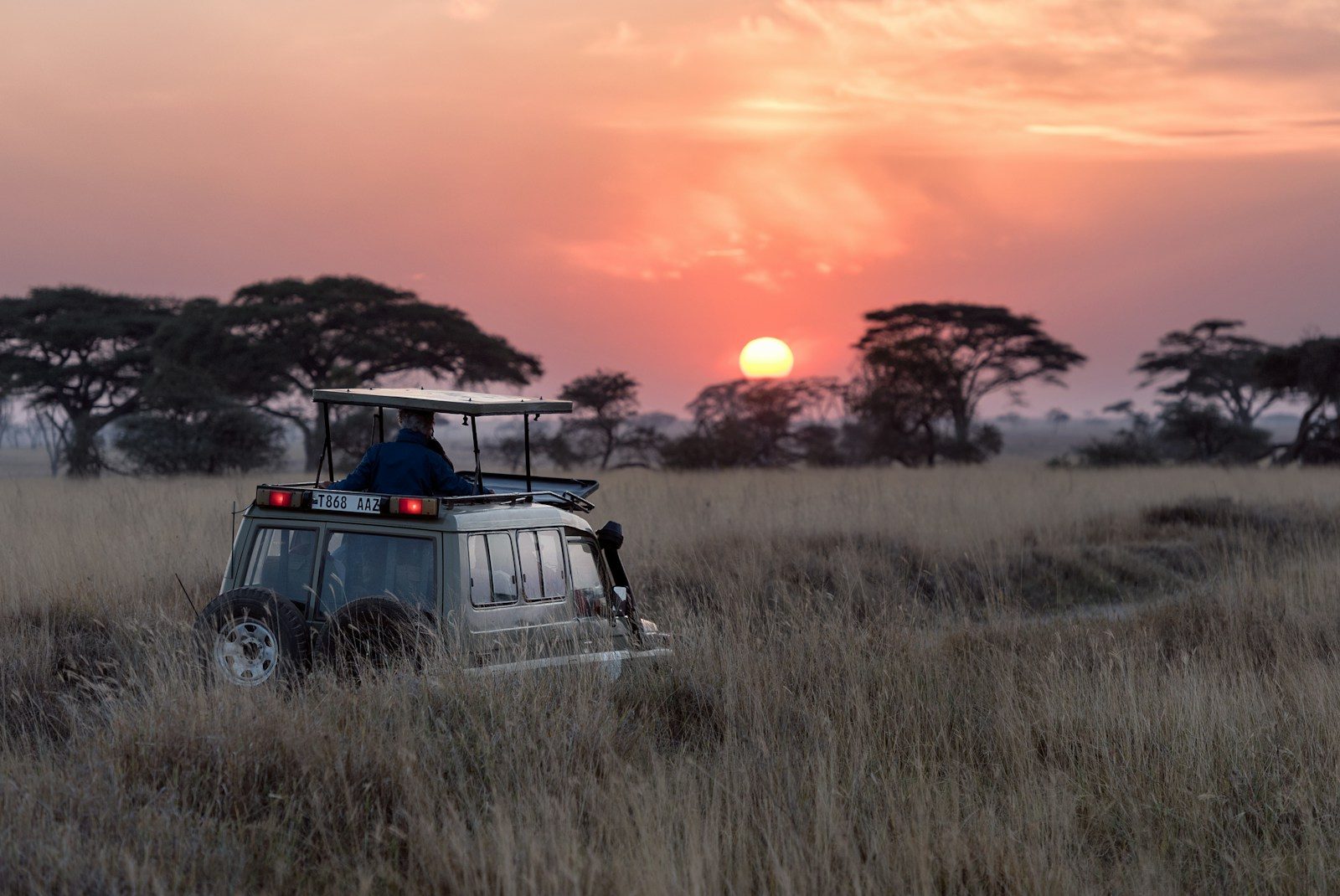
One of the biggest advantages of low-season safaris is the lack of tourist traffic. Safari vehicles are fewer, which means sightings often feel private and more natural.
Instead of crowded viewing spots filled with cameras, visitors can experience long, quiet moments in the wild without constant interruption.
Wildlife Behaves More Naturally
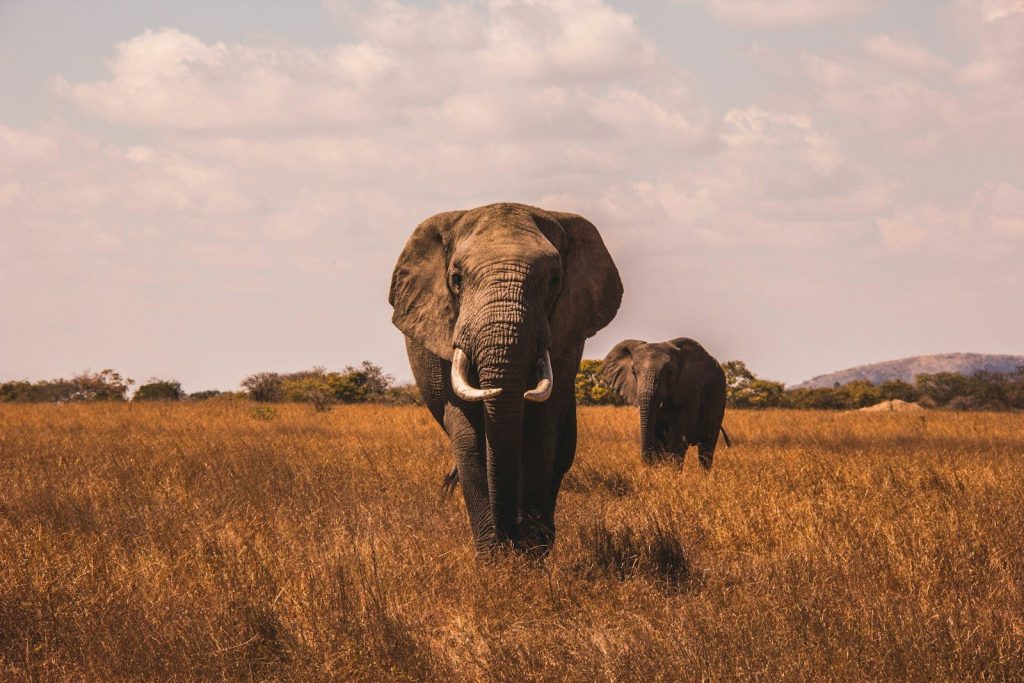
Animals in busy safari zones can become used to vehicles and human activity. During quieter months, wildlife tends to behave more naturally in its environment.
This creates a more authentic experience where predators hunt, migrate, and interact without large numbers of people nearby.
Dramatic Landscapes During the Green Season
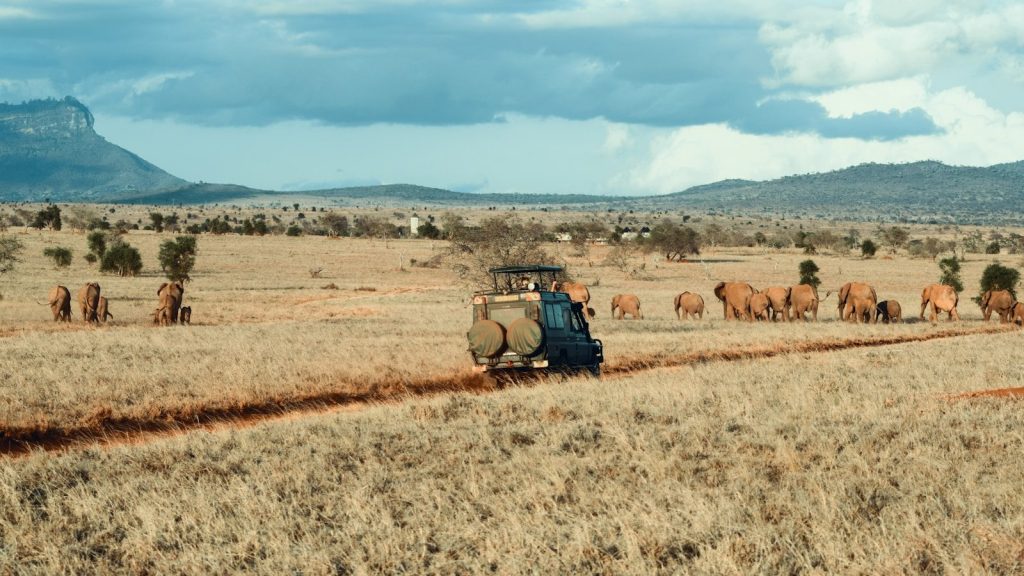
Low season often overlaps with rainy months, transforming dry plains into lush green landscapes. Rivers fill, vegetation grows rapidly, and the scenery becomes more vibrant.
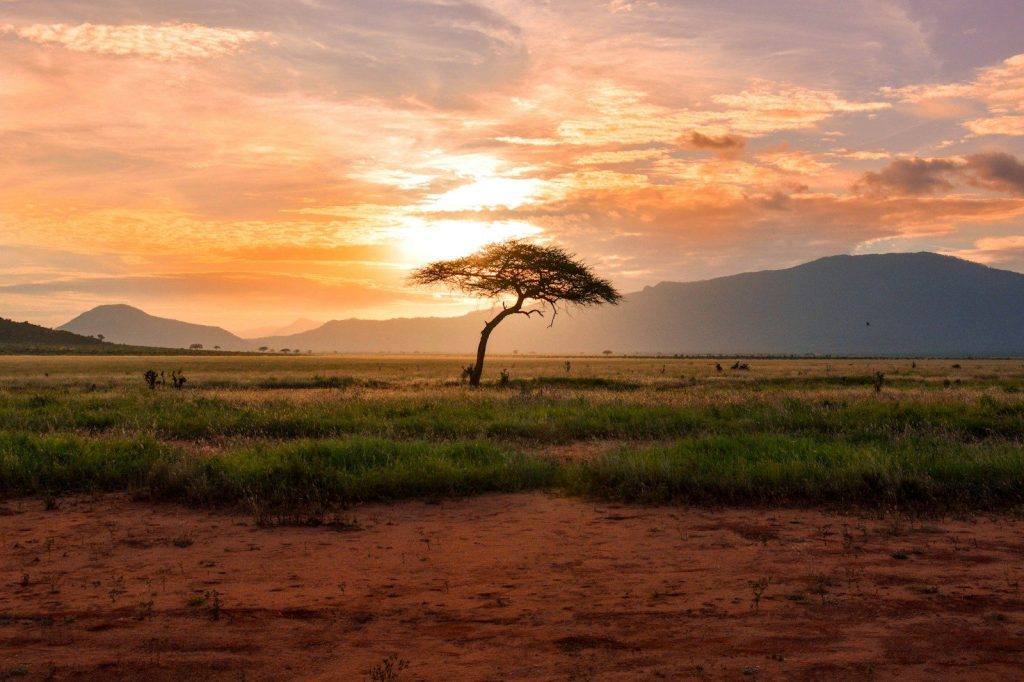
Storm clouds, misty mornings, and dramatic sunsets also create cinematic conditions that many photographers actually prefer over dry-season views.
Better Value for Travelers
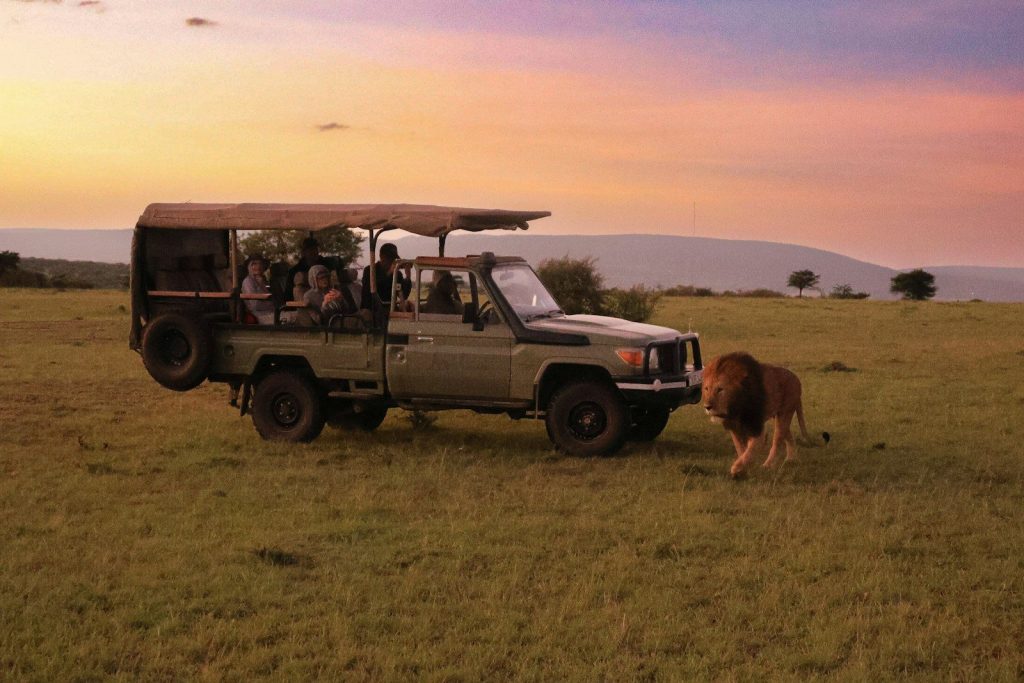
Safari lodges and camps usually lower prices during quieter months, making luxury experiences far more affordable. Travelers can often stay in premium camps for significantly lower rates.
This allows visitors to enjoy high-end safaris without the extreme costs associated with peak travel periods.
Baby Animals and Predator Activity
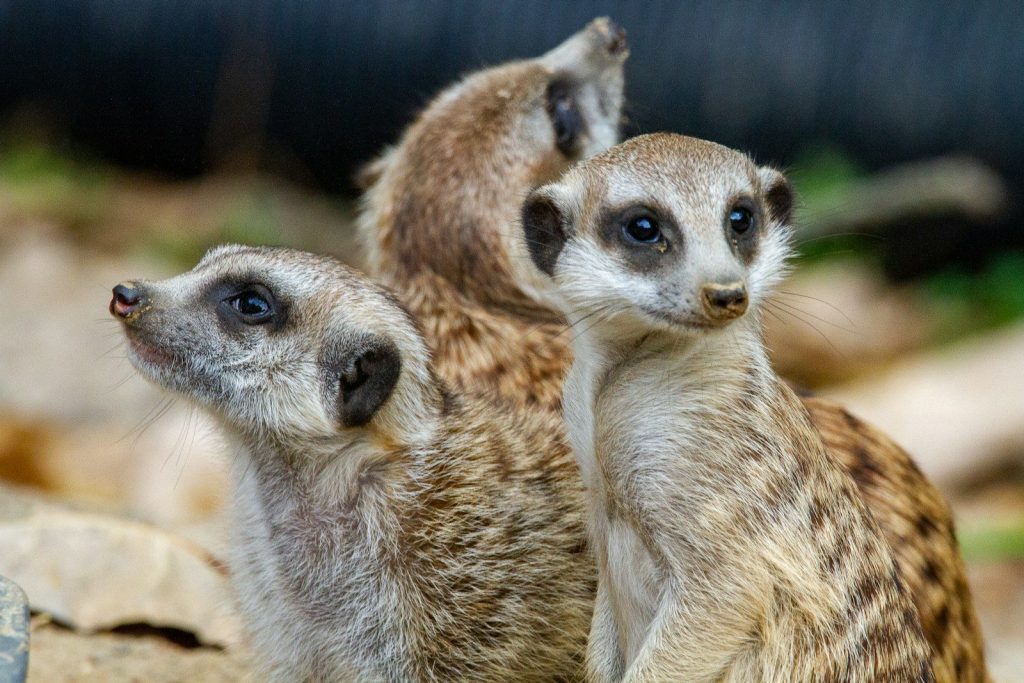
In many safari regions, low season coincides with birthing periods for antelope and other herbivores. This attracts predators looking for vulnerable prey.
As a result, visitors may witness intense hunting behavior and dramatic wildlife interactions rarely seen during calmer months.
The Challenge of Unpredictable Conditions
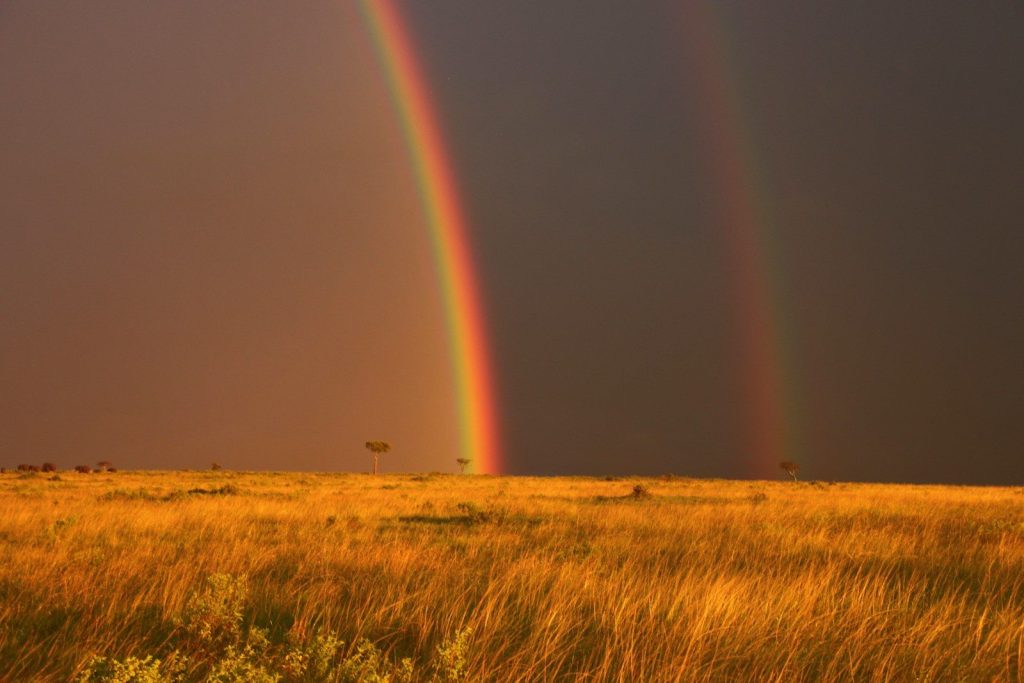
Low-season safaris are not always comfortable. Rain, mud, and difficult roads can make travel more challenging and unpredictable.
However, many adventure travelers prefer these conditions because they make the safari feel less controlled and more connected to the realities of the wild.
A More Personal Safari Experience
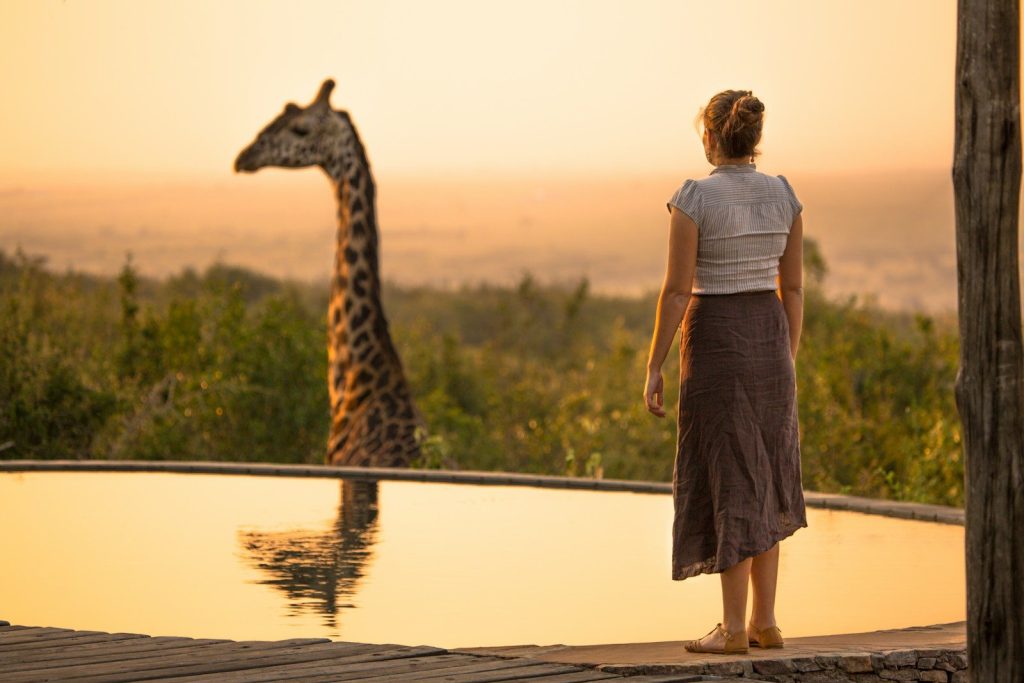
With fewer guests at camps and lodges, guides often provide more personalized experiences. Travelers may spend more time tracking animals or exploring remote areas.
The quieter atmosphere also allows deeper immersion in nature, especially during early mornings and nighttime around campfires.