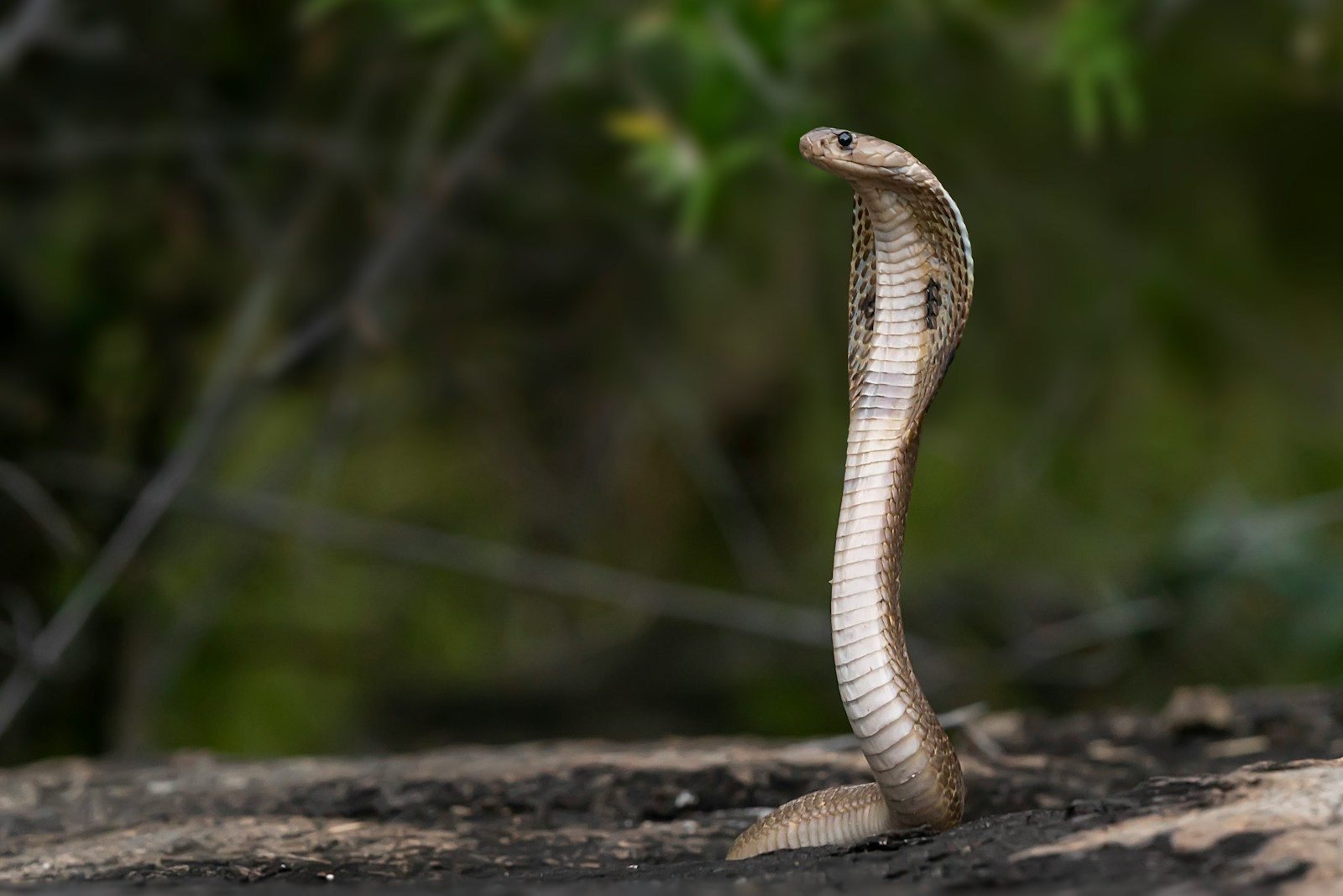
Today, the king cobra is known as the largest venomous snake in the world. But fossil discoveries suggest that an even bigger venomous snake once lived in prehistoric Europe, possibly dwarfing modern species in both size and weight.
This ancient snake, known as Laophis crotaloides, was first described in the 19th century and continues to fascinate scientists because of how little evidence exists and how massive it appears to have been.
Discovery of a Giant Prehistoric Snake
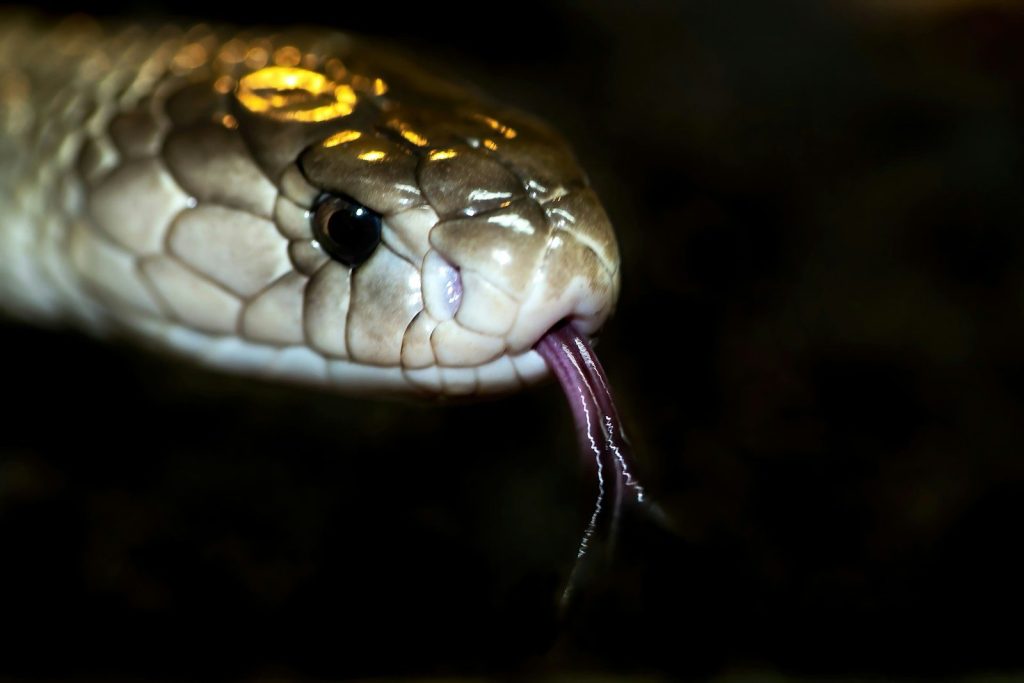
In 1857, British paleontologist Richard Owen described fossil remains of a large snake found near Thessaloniki in Greece. The discovery was based on a small number of fossil vertebrae.
Owen named the species Laophis crotaloides, suggesting it belonged to the viper family. His findings immediately raised interest because the bones indicated an unusually large venomous snake.
Estimated Size Far Beyond Modern Snakes
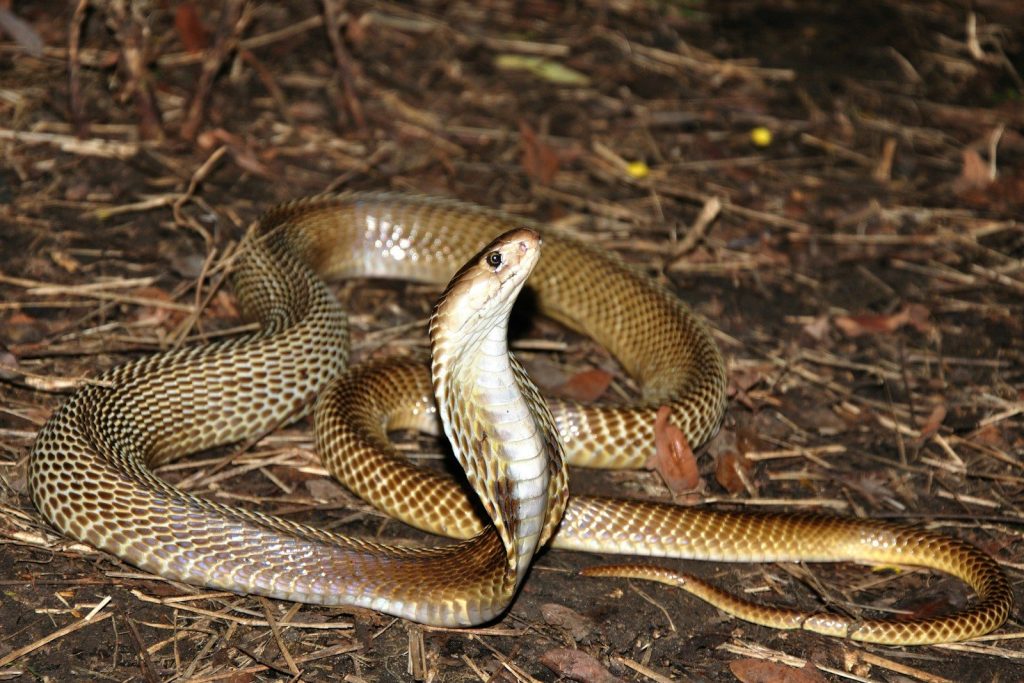
From the limited fossil evidence, Owen estimated that the snake could have reached around 10 to 13 feet in length. He also suggested it may have weighed as much as 57 pounds.
If accurate, this would make it significantly heavier than modern king cobras, which are typically much lighter despite sometimes reaching longer lengths.
Comparison With the King Cobra
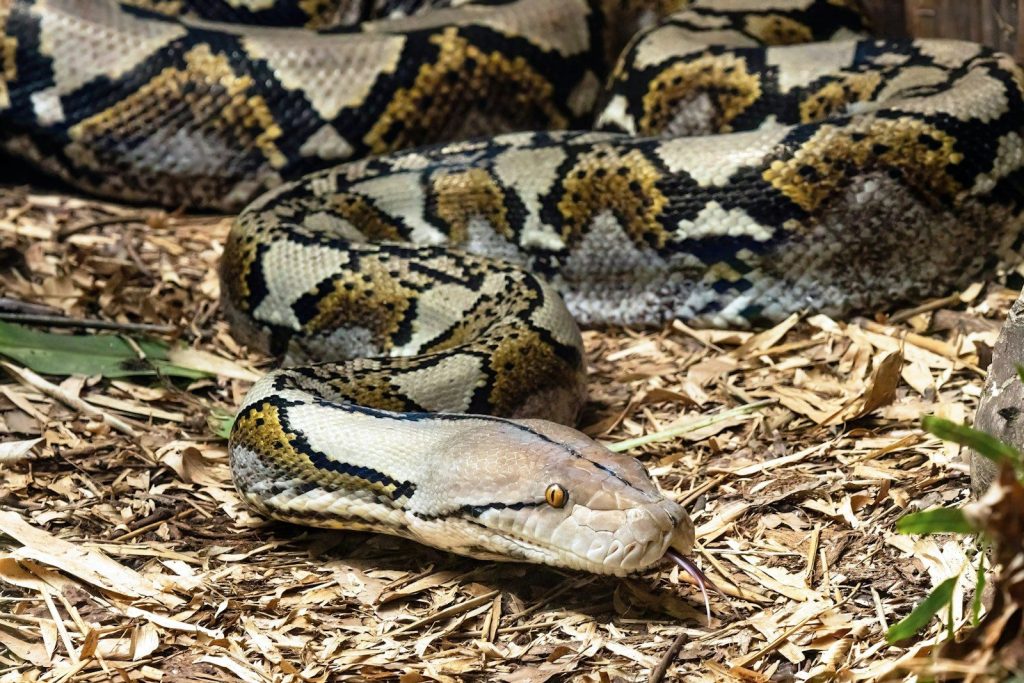
The king cobra is currently the longest venomous snake alive today, growing up to about 18 feet in rare cases. However, it generally weighs far less than large prehistoric estimates of Laophis crotaloides.
Scientists note that while king cobras are longer in extreme cases, the prehistoric snake may have been far bulkier and more powerful in build.
Lost Fossils and Rediscovery
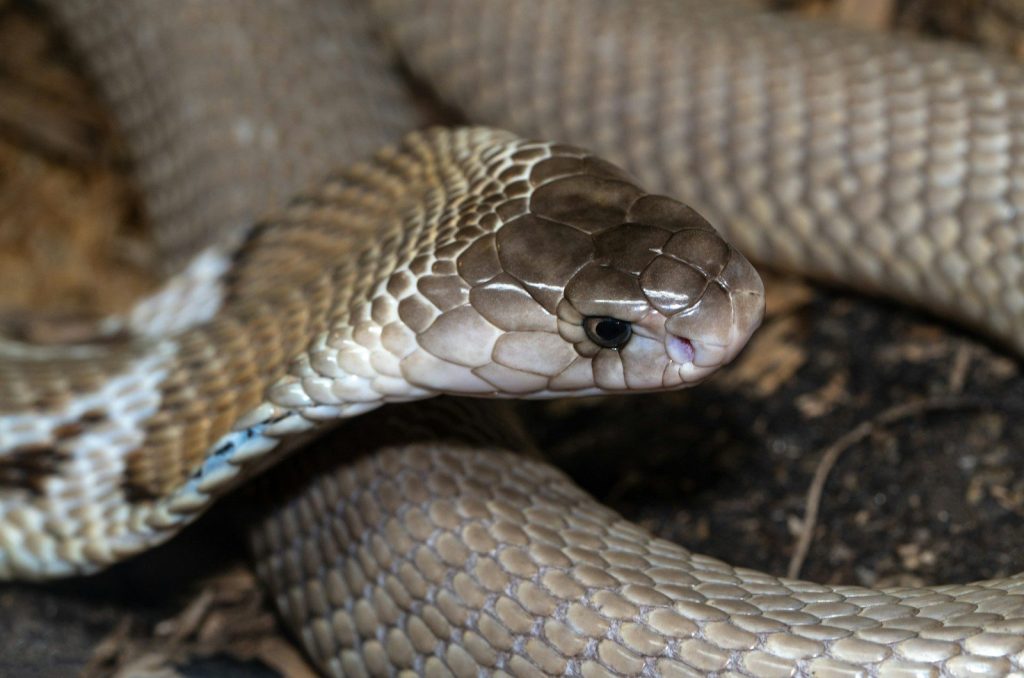
For many years, the original fossil evidence of Laophis crotaloides was lost or ignored, making the species difficult to study. This left scientists uncertain about the accuracy of early estimates.
Later rediscoveries of fossil material in northern Greece helped support the idea that a very large venomous snake did once exist in the region.
What Kind of Environment It Lived In
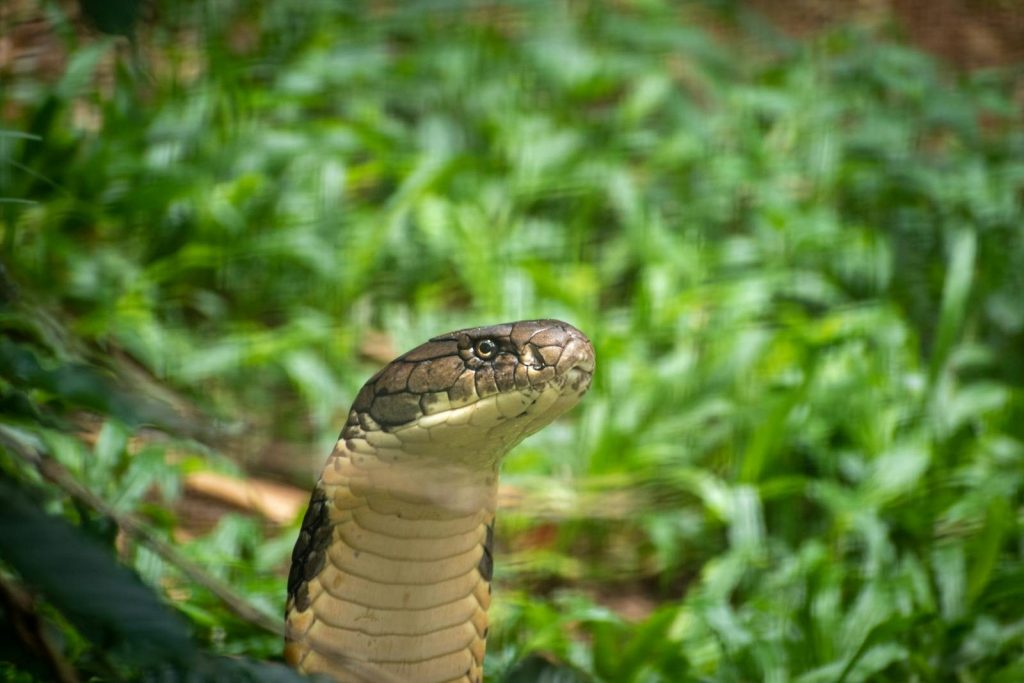
Researchers believe this prehistoric snake lived in areas with grasslands and dense vegetation. These environments would have supported a wide range of prey animals.
The climate conditions of ancient Europe were also different, which may have allowed larger reptiles to survive compared to many modern environments.
Challenges in Understanding the Species
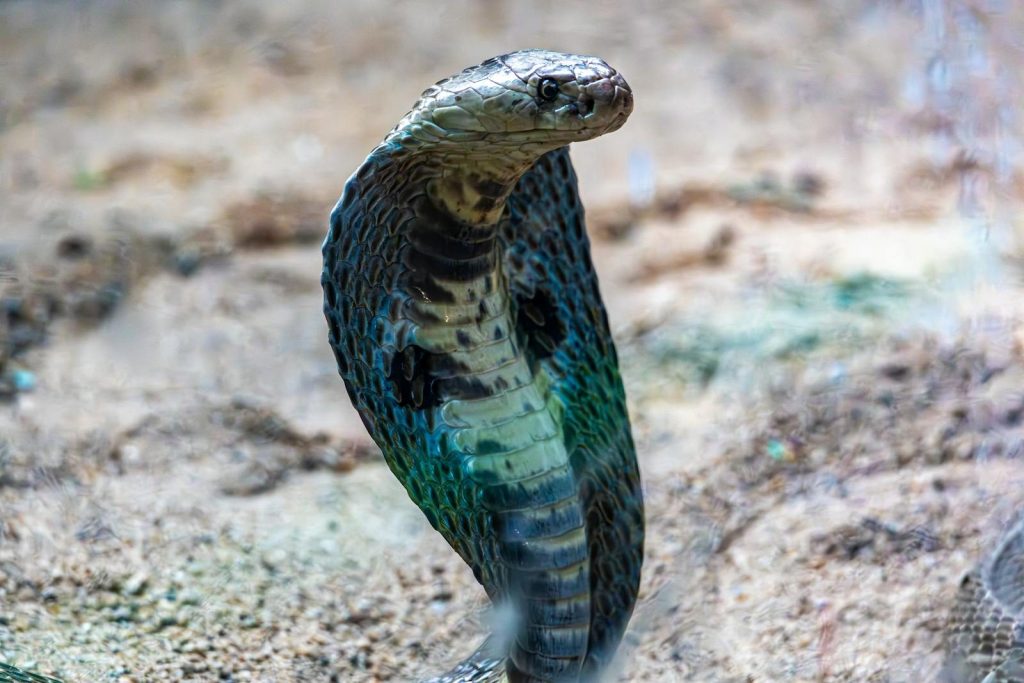
Because only limited fossil fragments exist, scientists are careful about making exact conclusions regarding size and behavior. Much of what is known is based on reconstruction and comparison with modern snakes.
This means estimates of its length and weight may change if new fossils are discovered in the future.
Why This Discovery Still Matters
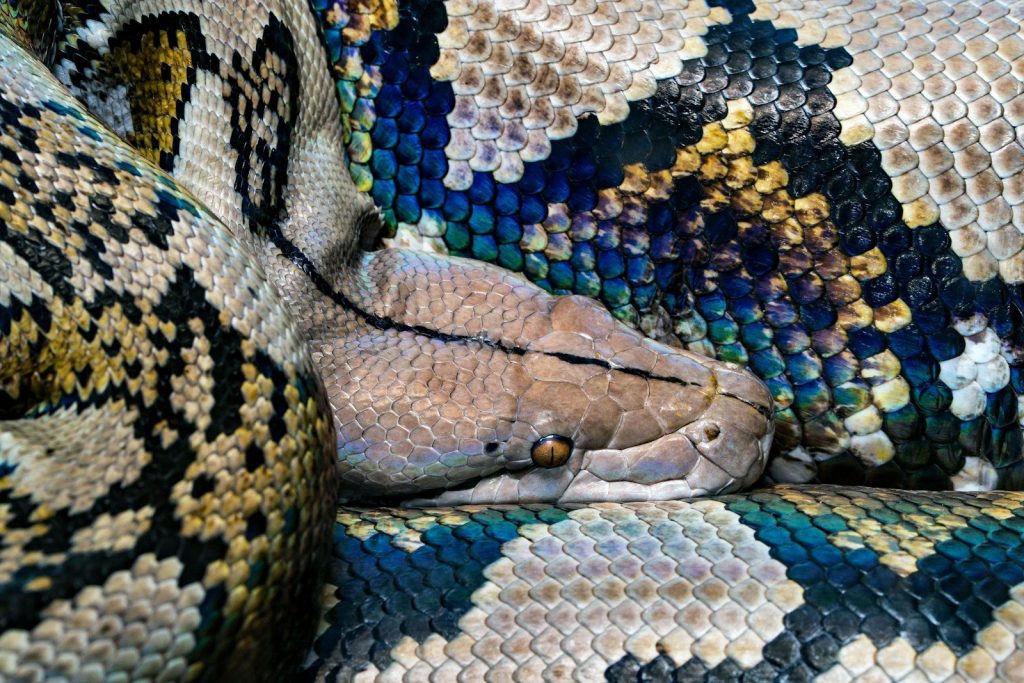
Even with limited evidence, Laophis crotaloides offers an important look into how large venomous snakes may have evolved in the past. It also shows how much remains unknown about prehistoric wildlife.
The discovery continues to interest paleontologists studying how ancient ecosystems supported creatures very different from those alive today.