Cats are often seen as independent companions, but many owners notice subtle changes in their pets’ behavior when they are feeling unwell, anxious, or upset. While cats are not guard animals in the traditional sense, they can form strong emotional bonds and may respond instinctively when they sense something is different.
Experts believe these behaviors are usually driven by a combination of attachment, heightened senses, and natural instincts rather than a conscious desire to protect. Even so, these quiet gestures can strengthen the special connection between cats and their owners.
They Stay Close When You Are Feeling Unwell
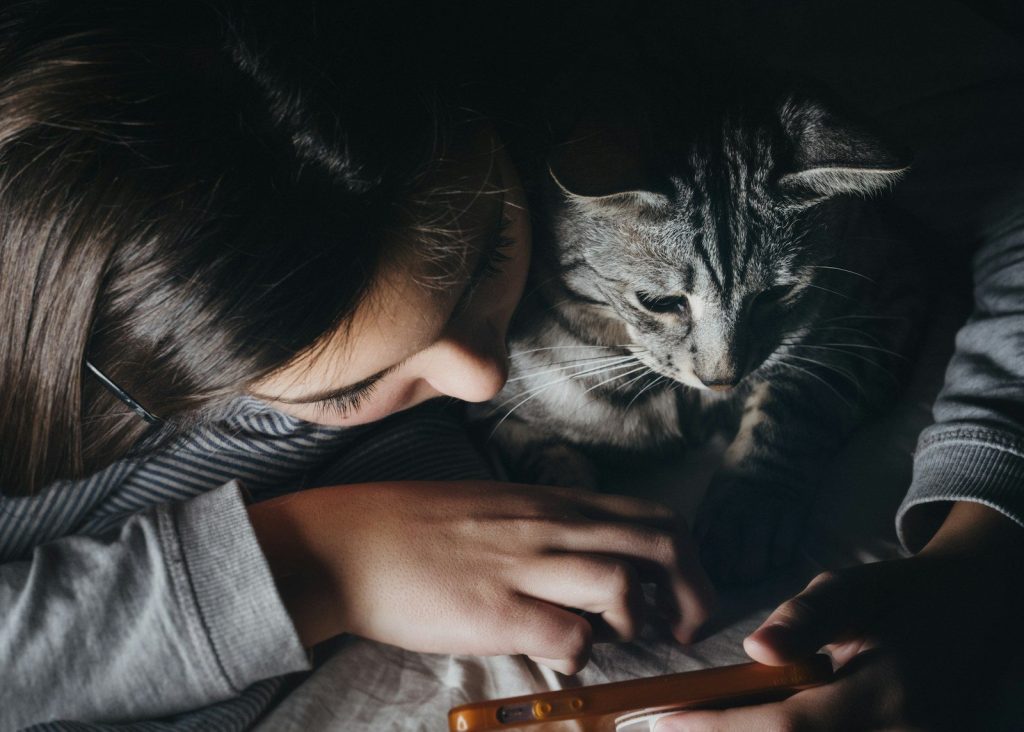
Some cats become unusually attentive when their owners are sick or emotionally distressed. They may choose to sit beside you, curl up on your lap, or remain in the same room for longer than usual.
Cats are highly observant and can notice changes in your routine, body language, and even scent. Their decision to stay nearby is often interpreted as a sign of trust and companionship rather than deliberate guarding.
They Become More Alert to Their Surroundings
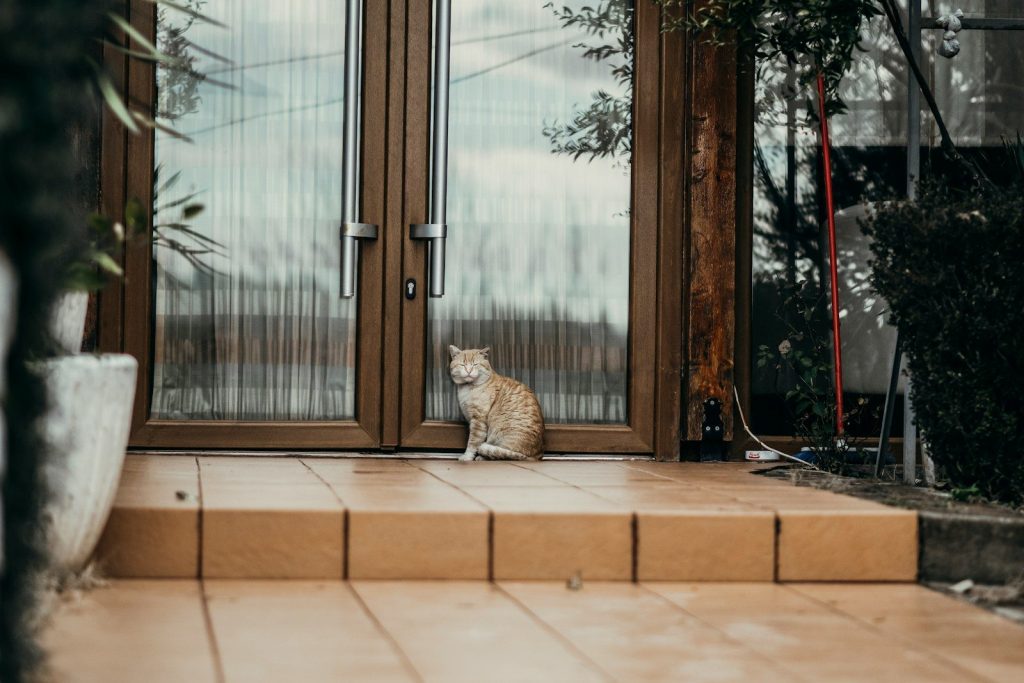
A cat that suddenly stiffens, watches a doorway, or focuses intensely on unfamiliar sounds may simply be responding to its sharp senses. Cats can detect movements and noises long before people notice them.
Although this behavior may appear protective, it is usually an instinctive reaction to something unusual in the environment. Their heightened awareness can sometimes alert owners to unexpected activity around the home.
They Position Themselves Between You and Something New
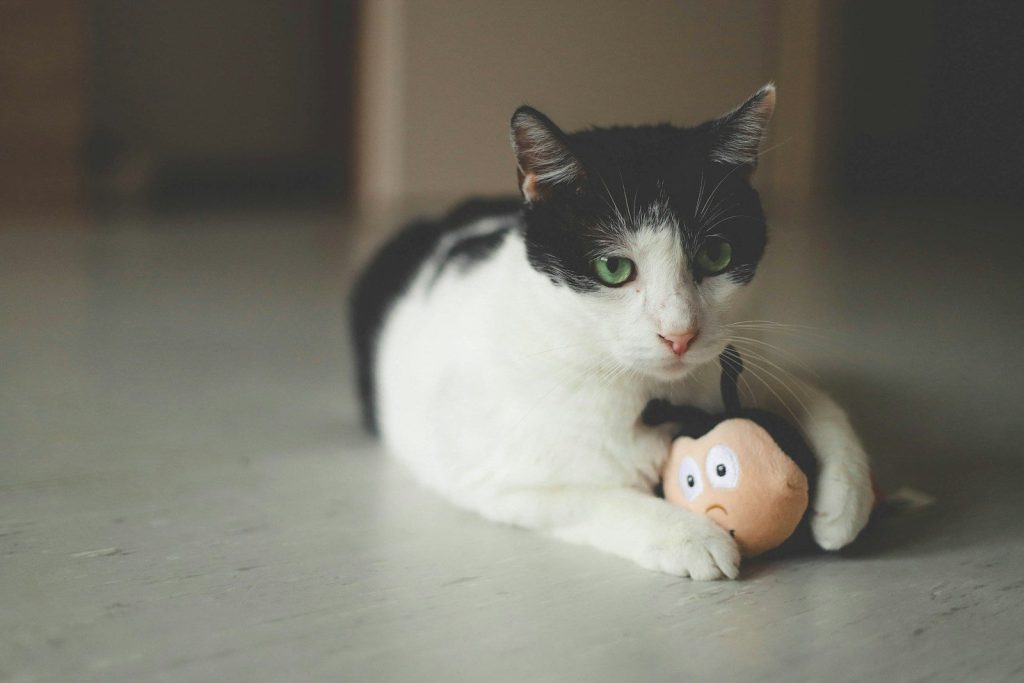
Some cats occasionally place themselves between their owner and a stranger, another animal, or an unfamiliar object. This behavior may reflect curiosity, caution, or a desire to investigate a potential threat first.
In most cases, the cat is responding to its instincts rather than intentionally acting as a bodyguard. Even so, these actions can appear remarkably protective to the people who witness them.
They Follow You More Than Usual
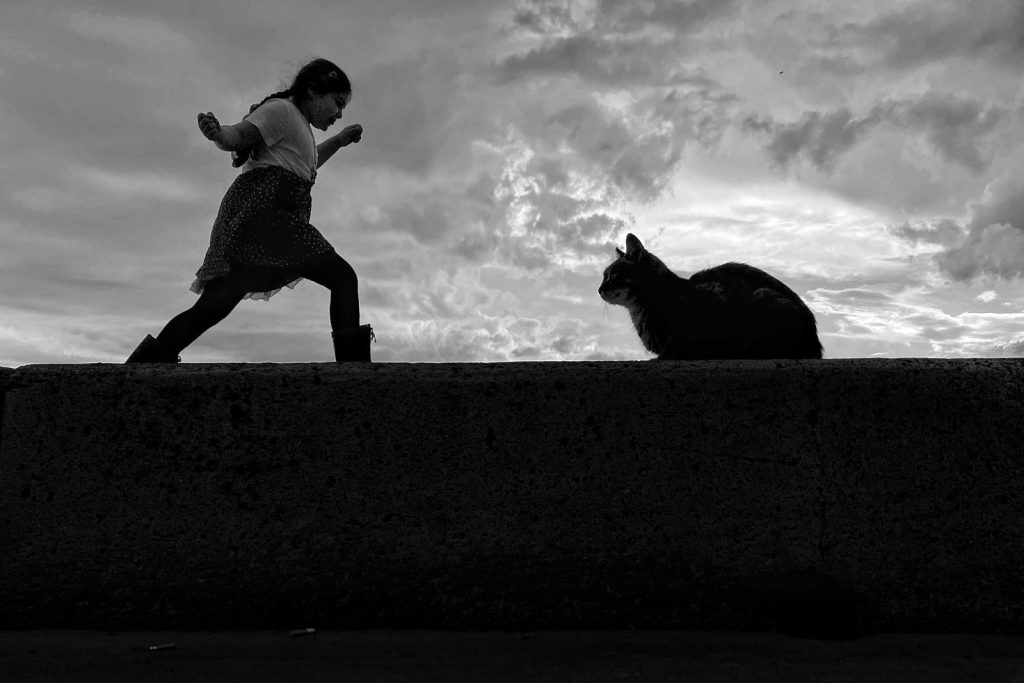
A cat that begins following you from room to room may be responding to changes in your mood or daily routine. Many cats develop strong attachments and prefer staying close to the people they trust most.
This increased companionship often becomes more noticeable during stressful periods or when an owner is recovering from illness. It reflects the cat’s comfort with your presence rather than a desire to patrol the home.
They Display Defensive Body Language
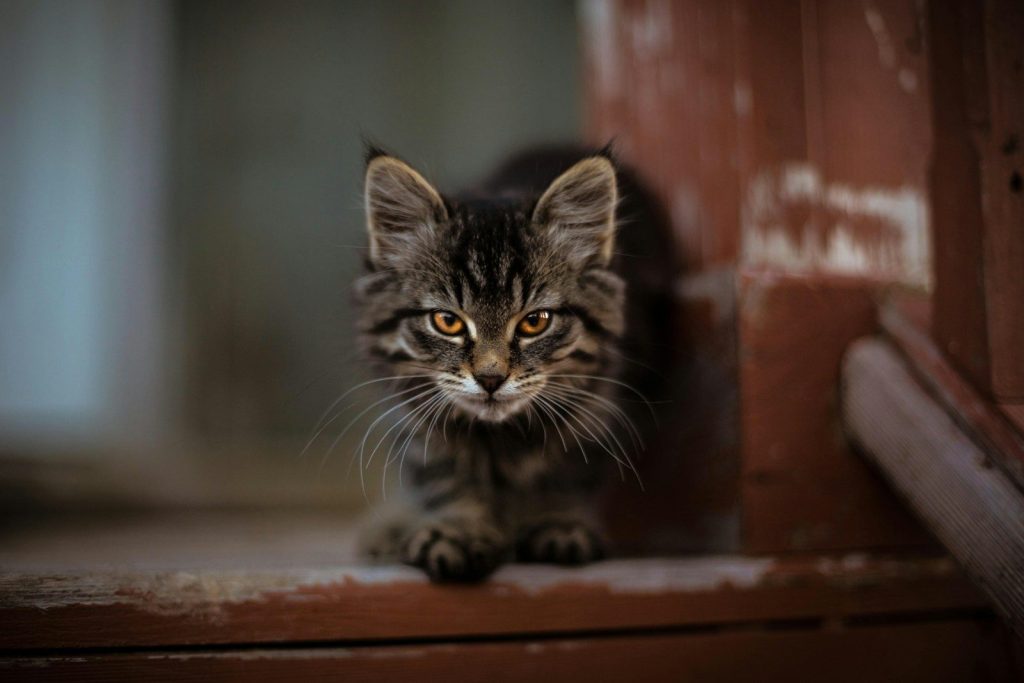
If a cat arches its back, puffs up its fur, hisses, or fixes its gaze on a perceived threat, it is preparing to defend itself if necessary. These behaviors may also occur when the cat is standing close to a trusted owner.
Cats generally prefer avoiding conflict whenever possible, but they may become defensive if they feel cornered or believe their territory is at risk. Their reactions are based on instinct rather than calculated protection.
Cats Show Care in Their Own Unique Way
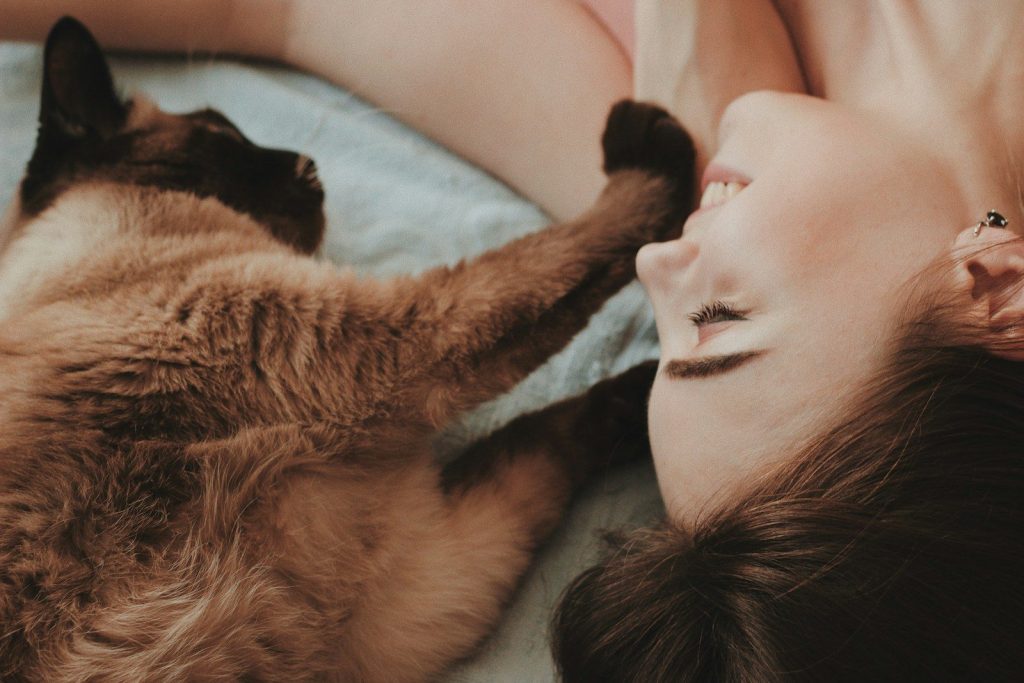
Unlike dogs, cats usually express affection and concern through subtle actions instead of obvious displays. Quiet companionship, gentle purring, slow blinking, and choosing to remain close can all be meaningful signs of trust.
While science does not suggest that cats consciously guard their owners in every situation, their strong bonds and keen senses often lead to behaviors that feel comforting and protective. Understanding these quiet signals can help owners appreciate the unique ways their feline companions express devotion.