
A teenager who survived a devastating shark attack off Florida’s Gulf Coast has helped inspire new legislation aimed at improving beach safety. Known as “Lulu’s Law,” the measure authorizes emergency alerts to notify nearby beachgoers when a shark attack has occurred in the area, giving people the chance to make informed decisions before entering the water.
A Life-Changing Shark Encounter

In June 2024, 15-year-old Lulu Gribbin was swimming with a friend while searching for sand dollars when a shark attacked. She suffered catastrophic injuries, losing her left hand and part of her right leg. Quick action from nearby beachgoers and emergency responders helped save her life, and she was airlifted to a hospital for treatment.
Lulu later learned that another shark attack had occurred about 90 minutes earlier just a few miles away. She believes that had beach visitors been notified of the earlier incident, she and others may have chosen not to enter the water.
What Is Lulu’s Law?

The new federal legislation authorizes the use of emergency mobile phone alerts following confirmed shark attacks. Similar to other emergency notification systems, the alerts are intended to inform people near affected beaches that a recent shark attack has occurred.
The law enables the Federal Communications Commission (FCC) to include shark attacks among events that can trigger emergency alerts, while individual states are responsible for implementing the system.
Turning Recovery Into Advocacy

Following months of surgeries, rehabilitation, and prosthetic fitting, Lulu returned to many of the activities she loves, including sports and even surfing. Throughout her recovery, she has focused on encouraging others to remain positive and resilient while advocating for measures that could improve public safety.
Her efforts ultimately helped bring national attention to the need for faster communication after shark incidents.
How Common Are Shark Attacks?

Although shark attacks receive significant media attention, experts emphasize that they remain extremely rare. According to shark researchers, there are typically only 60 to 80 unprovoked shark bites reported worldwide each year, despite millions of people entering the ocean annually.
Scientists note that sharks generally do not target humans. Many incidents are believed to result from mistaken identity or environmental conditions, such as murky water or schools of fish drawing sharks closer to shore.
Staying Safe in the Water
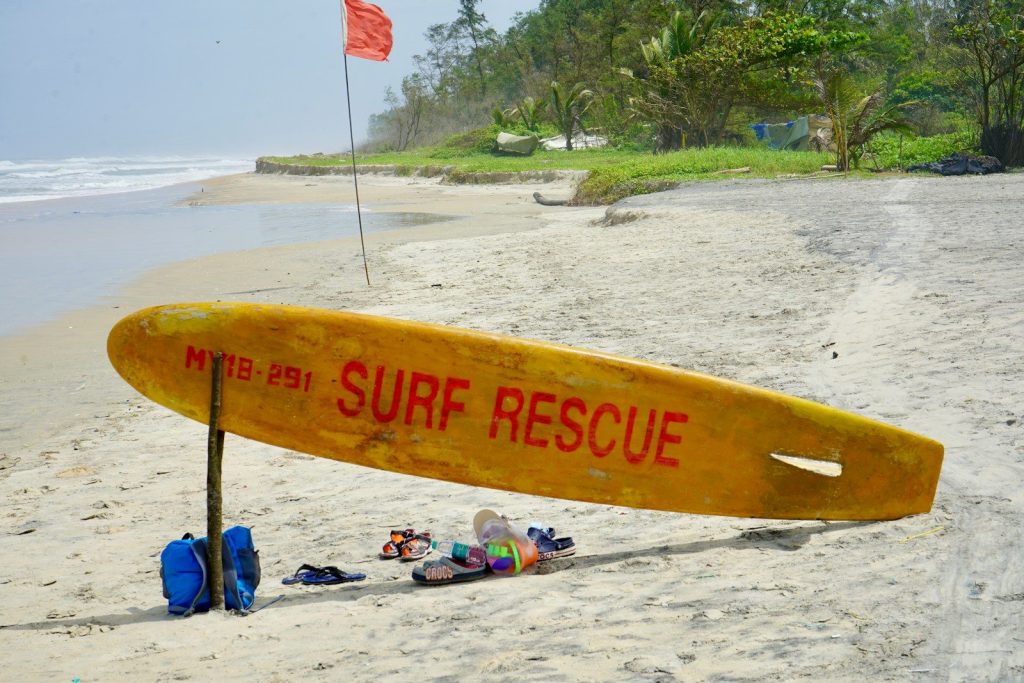
While the overall risk remains low, beachgoers can reduce the chances of a shark encounter by following local safety advice, paying attention to posted warnings, avoiding swimming alone, and leaving the water if marine wildlife is behaving unusually.
Lulu’s story highlights how timely information and awareness can complement existing beach safety practices and help people make informed choices before entering the ocean.