Camouflage is one of nature’s most effective survival tools. Across North America, countless animals rely on colors, patterns, and body shapes to blend seamlessly into their surroundings. Some use camouflage to avoid predators, while others depend on it to ambush unsuspecting prey. Whether hidden among tree bark, snow-covered landscapes, or rocky deserts, these remarkable species demonstrate just how powerful natural adaptation can be. Here are six animals whose camouflage skills make them nearly invisible in the wild.
Snowshoe Hare
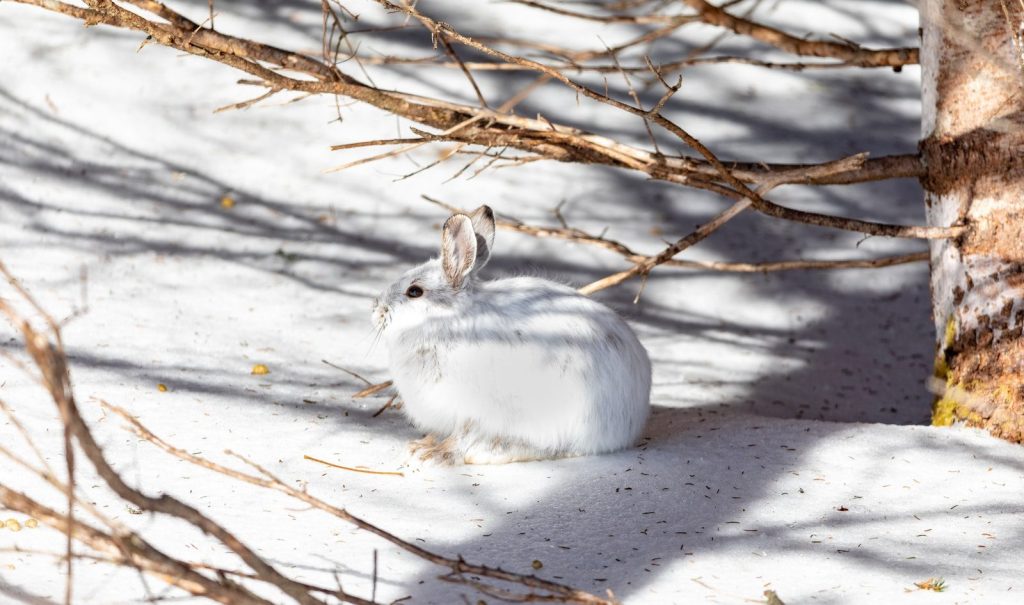
The Snowshoe Hare is famous for its remarkable seasonal camouflage. During the winter, its coat turns bright white, allowing it to blend into snowy forests, while in spring and summer it changes to shades of brown that match the forest floor.
This seasonal color change helps protect the hare from predators such as foxes, lynxes, and birds of prey throughout the year.
Eastern Screech Owl
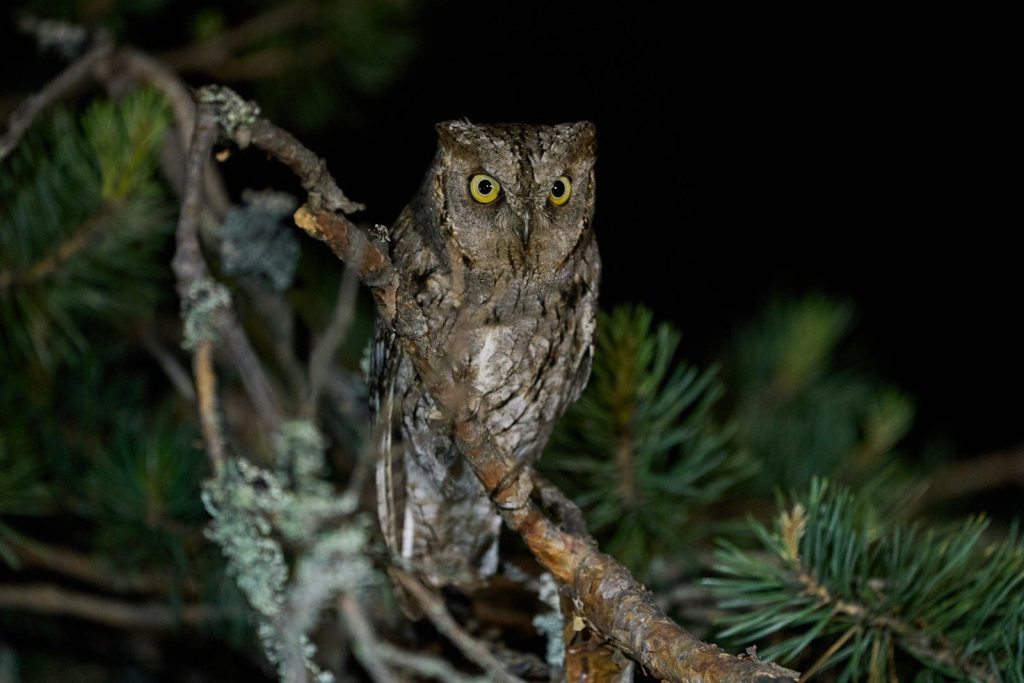
The Eastern Screech Owl is incredibly difficult to spot when perched on a tree. Its gray or reddish-brown feathers closely resemble the texture and color of tree bark, making it almost disappear against trunks and branches.
Remaining motionless during the day adds another layer of concealment, allowing the owl to avoid predators while resting before its nighttime hunts.
American Bittern
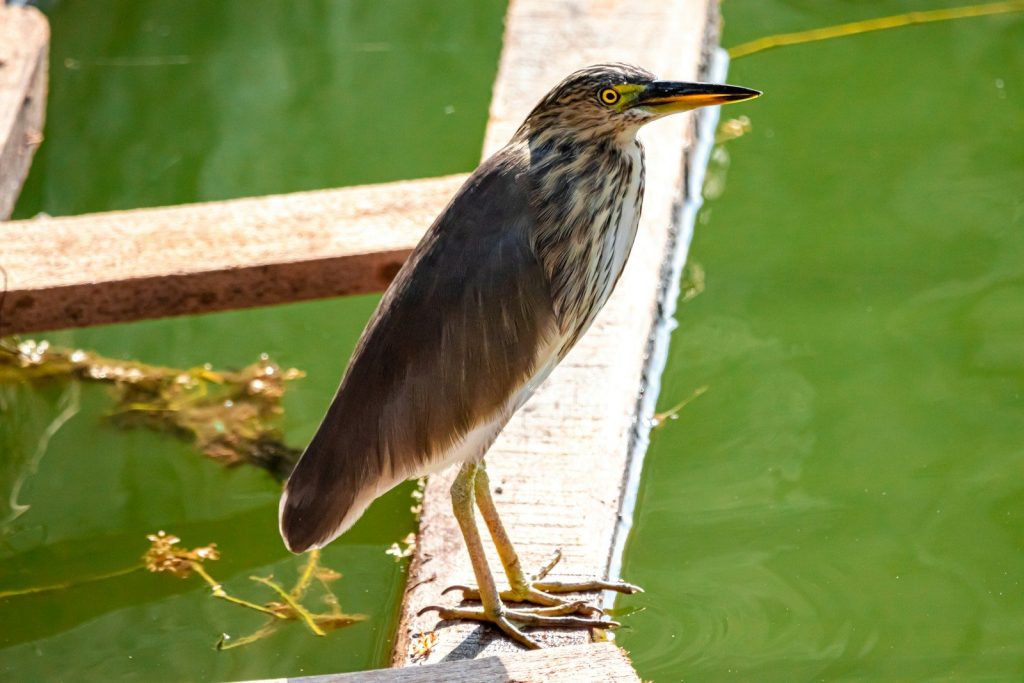
The American Bittern is a wetland bird with streaked brown and tan feathers that perfectly mimic surrounding reeds and tall grasses. When danger approaches, it stretches its neck upward and freezes in place.
This unique posture, combined with its feather pattern, makes it blend almost perfectly into marsh vegetation, often leaving predators unable to detect it.
Gray Treefrog
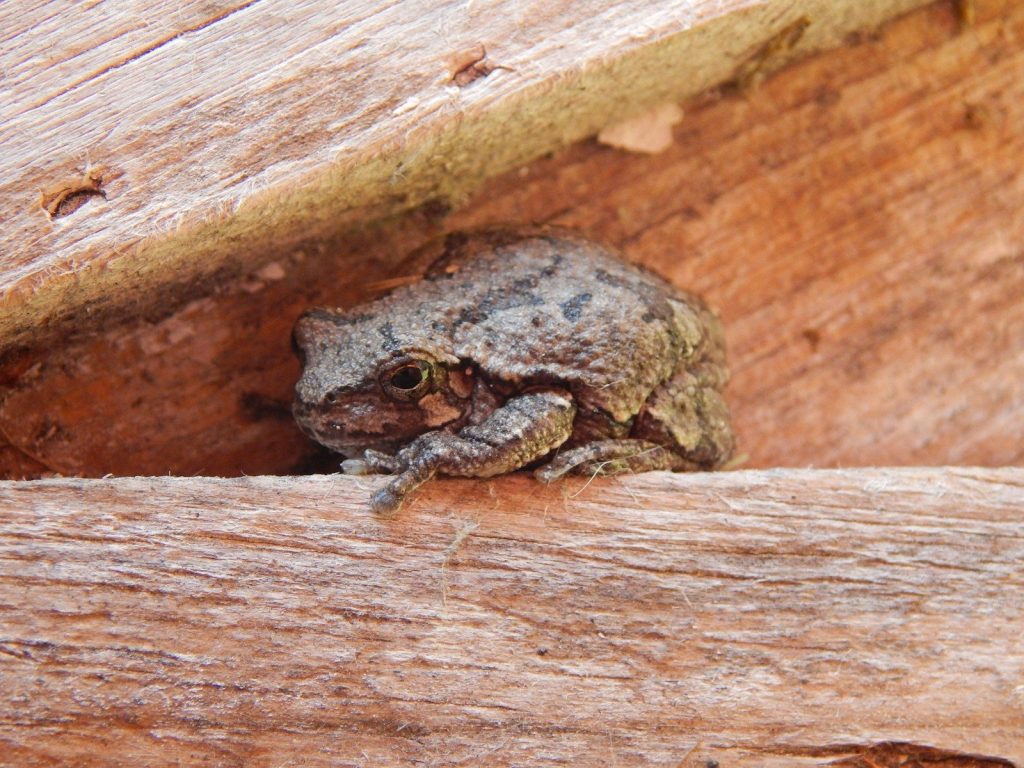
The Gray Treefrog possesses skin that closely matches the bark and lichen found on trees throughout much of eastern North America. It can also slightly change its shade to better match its surroundings.
Its camouflage helps it remain hidden from birds, snakes, and other predators while it rests during daylight hours.
Pygmy Short-Horned Lizard
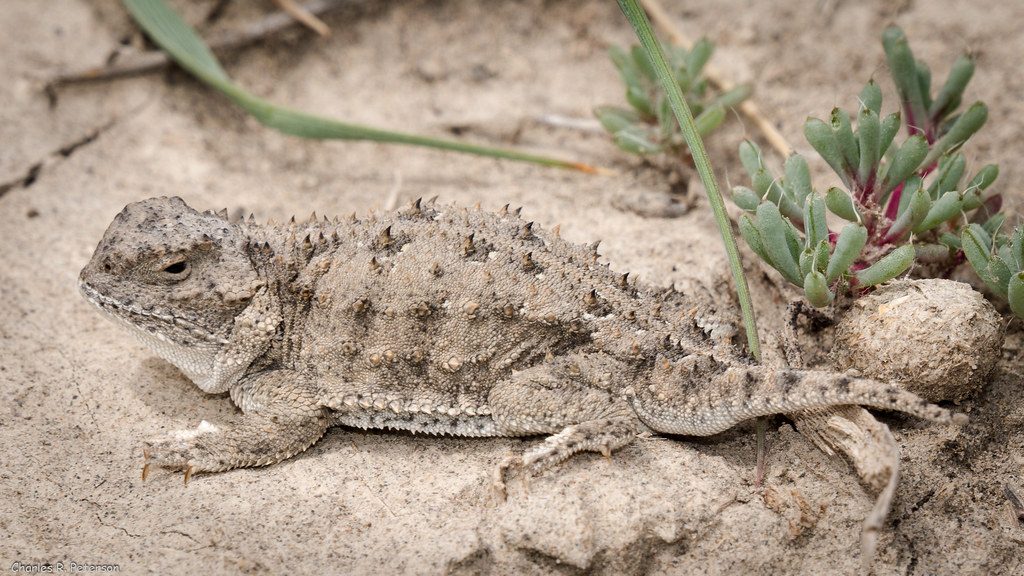
Native to dry grasslands and deserts of western North America, the Pygmy Short-Horned Lizard blends remarkably well with sandy soil and rocky terrain. Its rough, spiny scales break up its outline, making it difficult for predators to spot.
Instead of fleeing immediately, the lizard often relies on remaining perfectly still until danger passes.
Bobcat
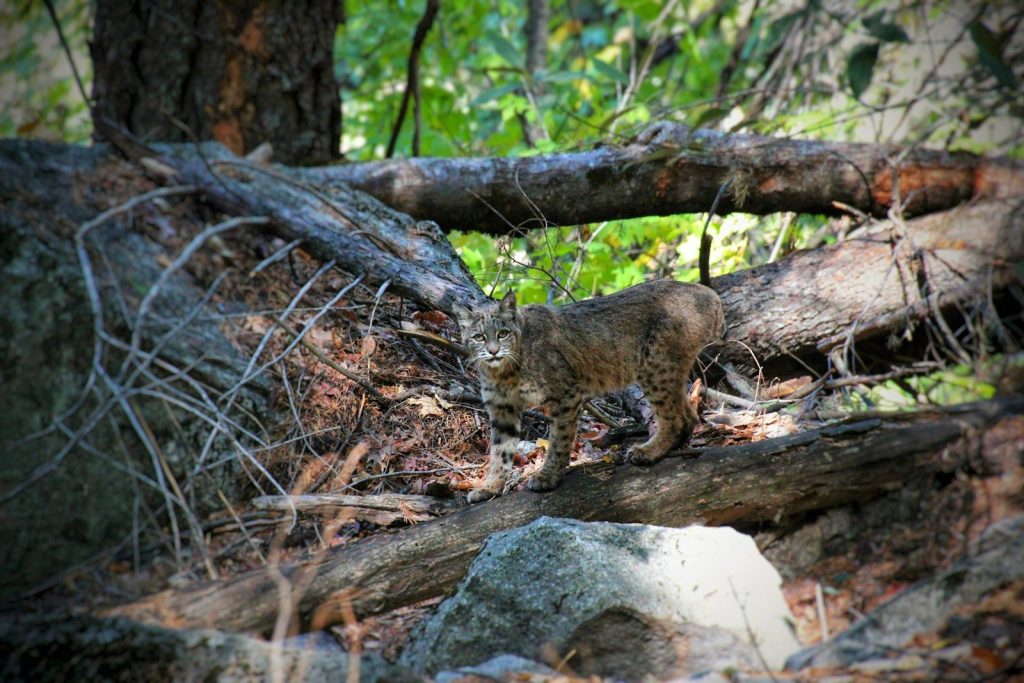
The bobcat’s spotted tan and brown coat provides excellent camouflage in forests, deserts, and rocky landscapes. The irregular markings help break up the animal’s outline, allowing it to remain hidden while stalking prey.
As an ambush predator, the bobcat depends on stealth rather than speed. Its camouflage enables it to approach rabbits, birds, and small mammals without being noticed until it’s ready to strike.
Featured Image: Photo by Rolando Yera on Unsplash