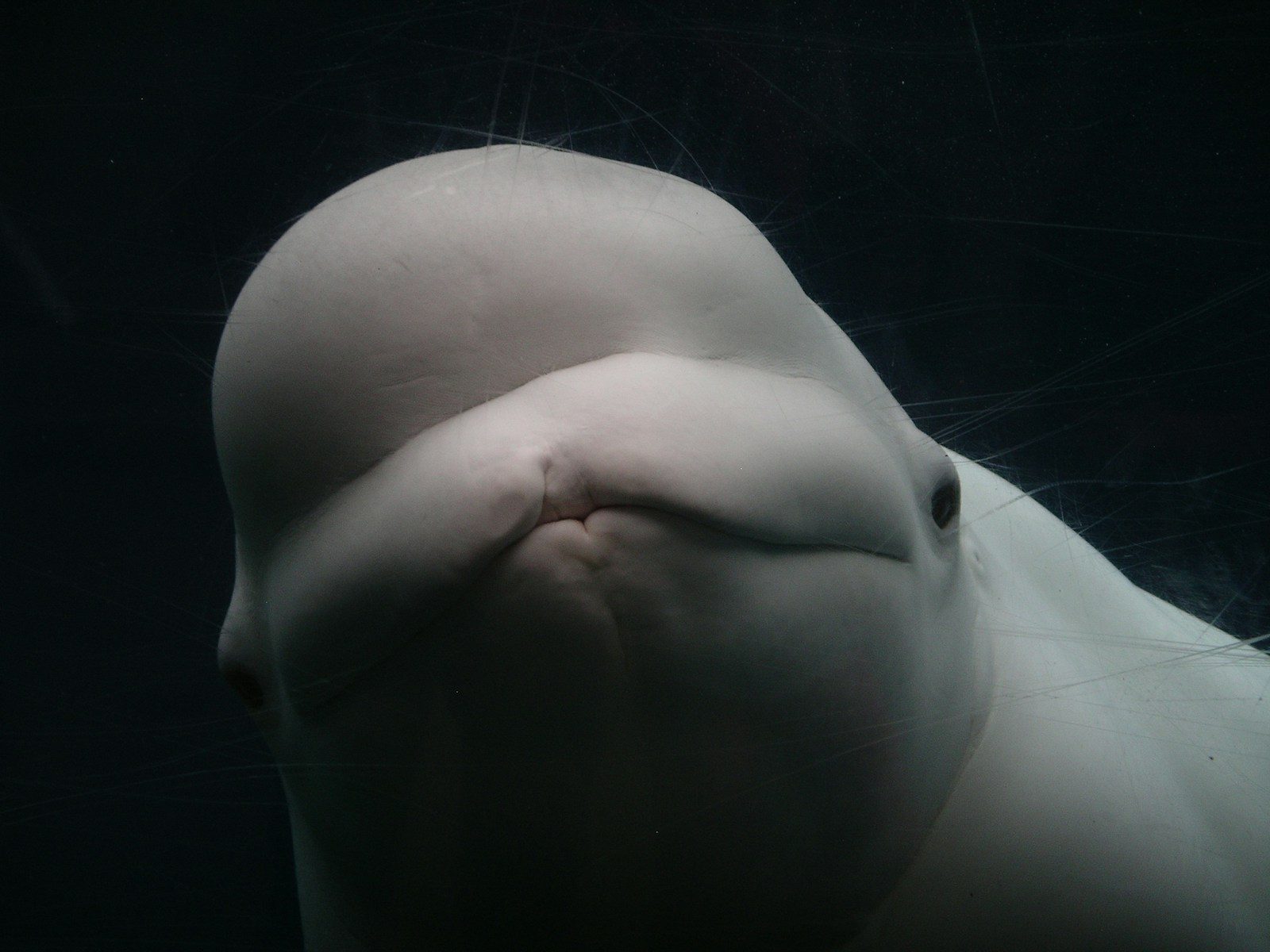
Thirty beluga whales stranded at the closed Marineland facility in Niagara Falls are one step closer to a safer future. Following months of uncertainty and concerns over their welfare, U.S. authorities have approved an international rescue effort that will relocate the whales to accredited marine facilities in North America and Europe.
The decision follows Marineland’s warning that financial challenges could prevent it from providing long-term care for the animals, making relocation an urgent priority for conservation and animal welfare organizations.
Emergency Rescue Approved for 30 Beluga Whales
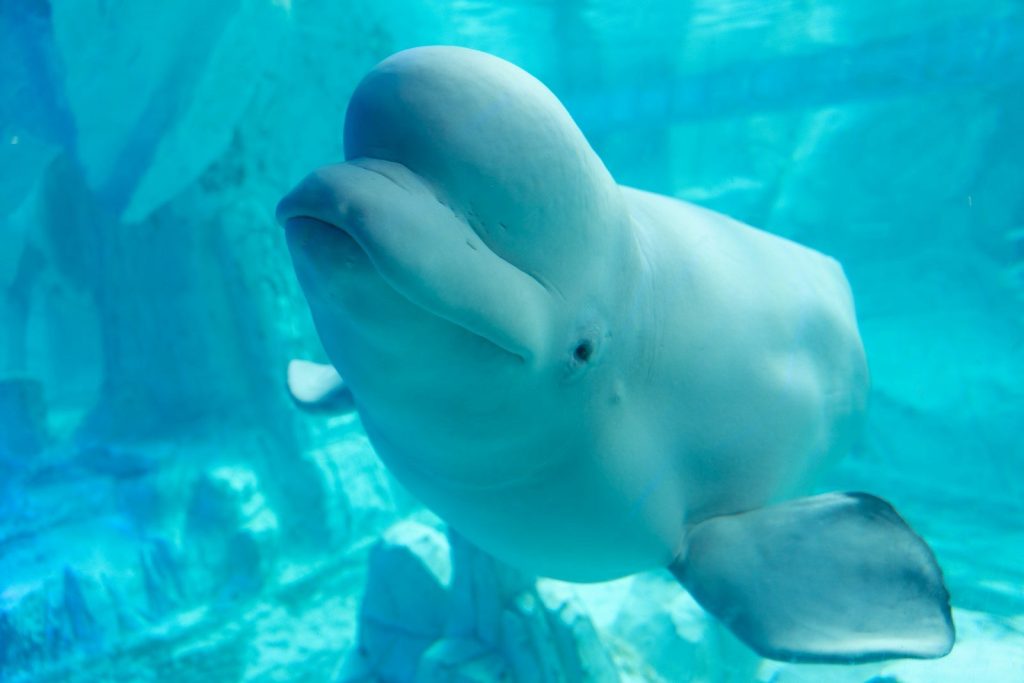
The U.S. National Oceanic and Atmospheric Administration (NOAA) has authorized the relocation under the Marine Mammal Protection Act. The approval allows 28 belugas to move to accredited aquariums in the United States.
The remaining two whales are expected to relocate to Oceanogràfic València in Spain once the required permits and health clearances are completed by Canadian authorities.
Belugas Will Be Relocated to Accredited Facilities
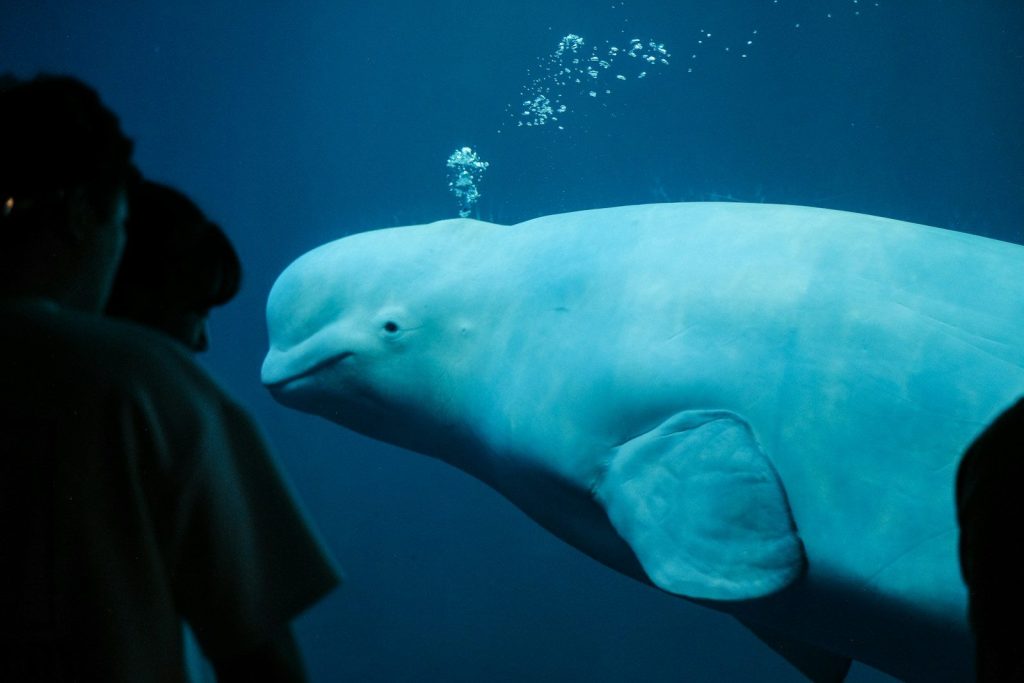
According to the approved rescue plan, 13 whales will travel to SeaWorld San Antonio, while 10 will be transferred to Chicago’s Shedd Aquarium. Three belugas will move to SeaWorld San Diego, and two will join the Georgia Aquarium in Atlanta.
Each transfer will be supervised by experienced veterinarians and marine mammal specialists. Officials say the relocations will occur gradually over several weeks to minimize stress on the animals.
Financial Struggles Triggered the Rescue Effort
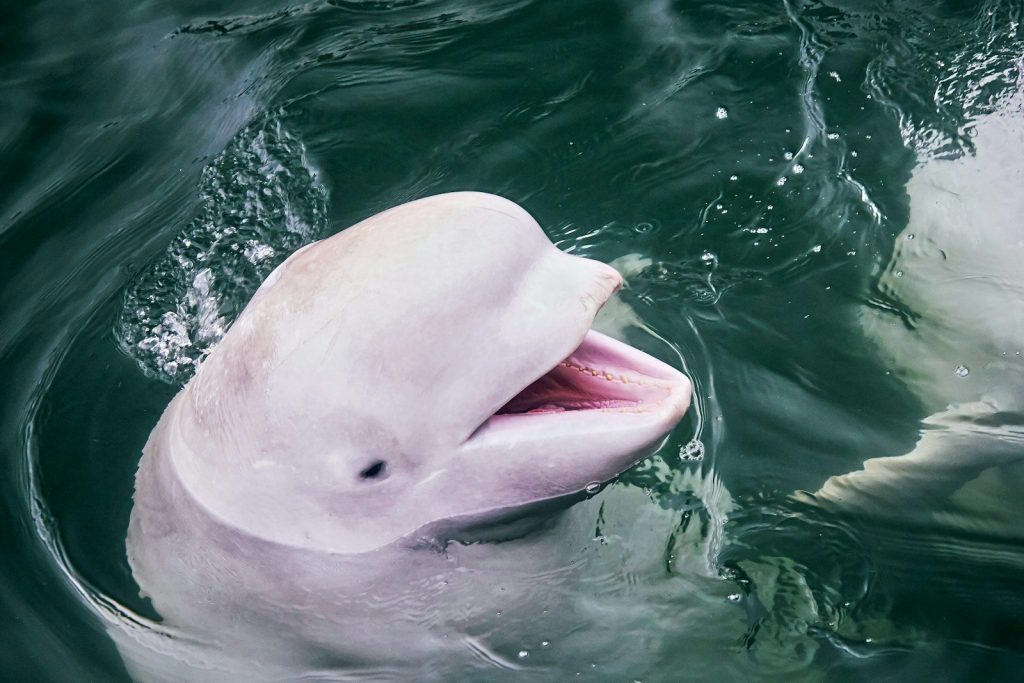
Marineland closed to the public in 2024 and later informed Canadian officials that it could no longer provide adequate long-term care for its remaining marine mammals. Earlier this year, the park warned that euthanasia could become a possibility without government assistance or relocation approvals.
Canadian authorities later granted conditional approval for relocation after previously rejecting a proposal to transfer the whales to a marine facility in China.
Animal Welfare Groups Offer Mixed Reactions
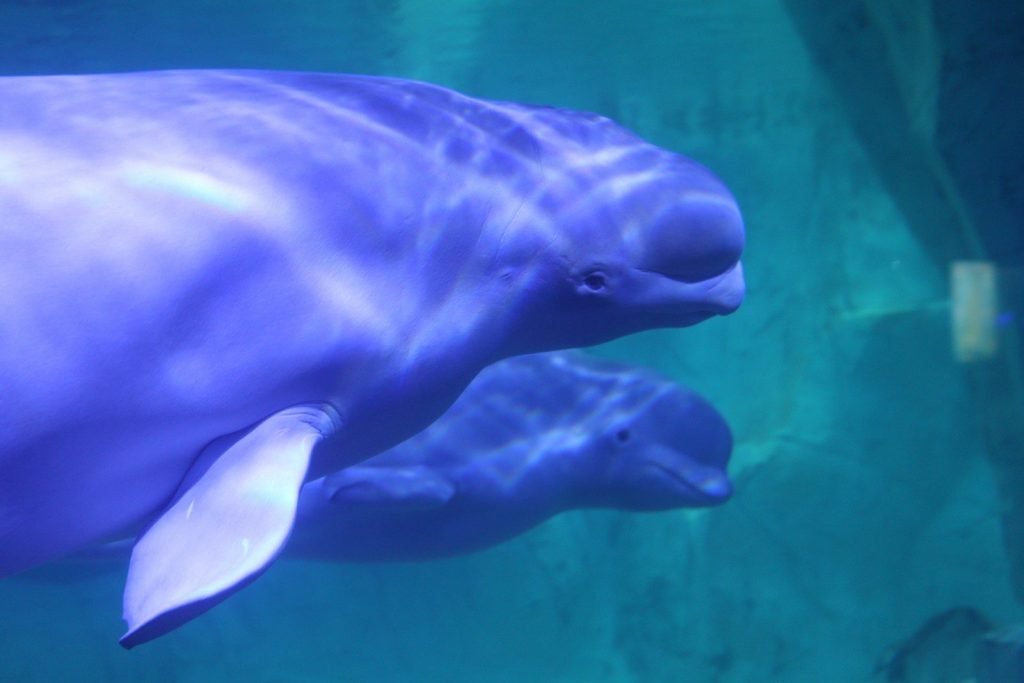
Marine animal experts describe the relocation as an emergency rescue rather than a routine transfer. SeaWorld stated that specialized veterinary teams will assess every whale before transport and provide continuous medical care after arrival.
The Whale Sanctuary Project welcomed the move as an improvement over current conditions while expressing disappointment that the whales will remain in captivity instead of being relocated to seaside sanctuaries.
Rescue Marks a Turning Point for Captive Whales
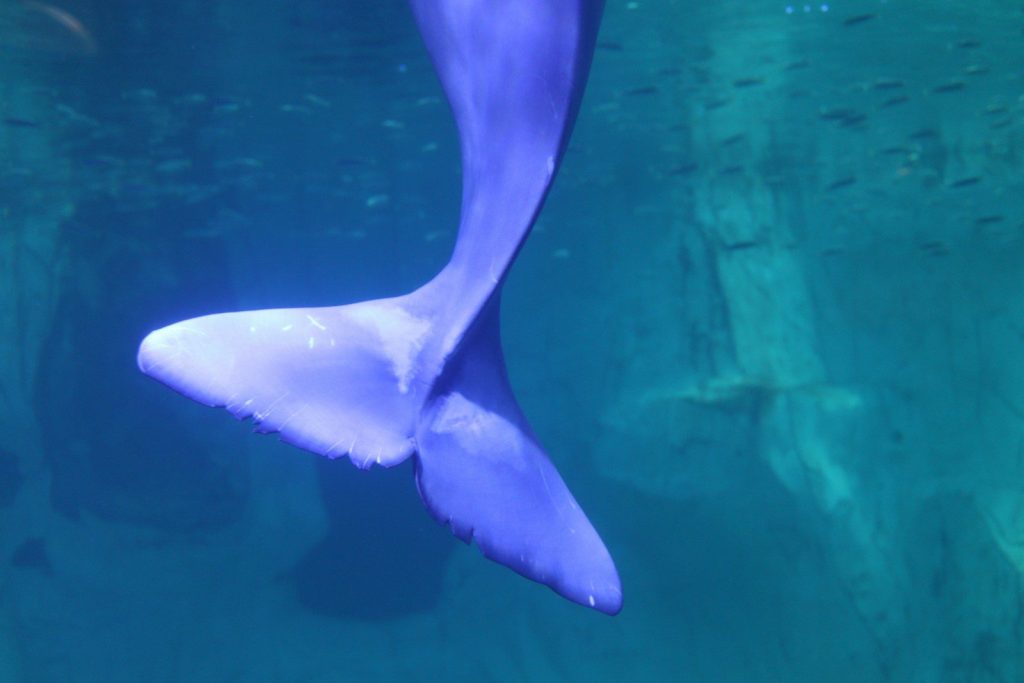
Animal welfare advocates hope this operation represents the beginning of broader reforms for captive marine mammals. They argue that Marineland’s closure highlights the importance of creating long-term solutions that prioritize animal welfare over entertainment.
With Canada ending the captivity of whales and dolphins for entertainment purposes, conservation groups believe this rescue could mark the final chapter for similar situations in the country.
Featured Image: Photo by Saanvi Vavilala on Unsplash