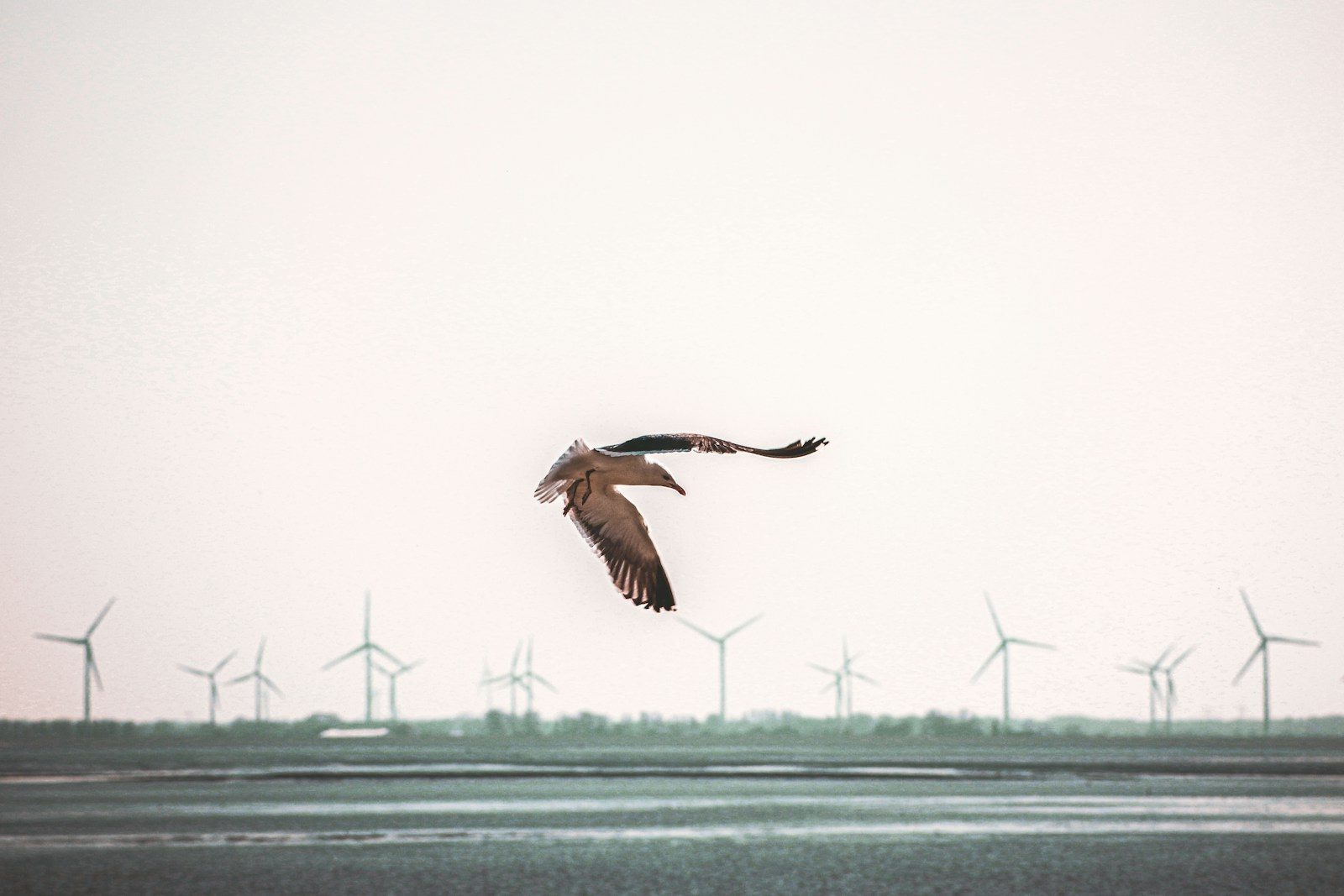
Wind turbines are widely seen as a clean and sustainable energy source, but they are not without environmental impact. One concern is that their spinning blades can unintentionally harm flying animals such as birds and bats, especially during migration or night-time movement.
While overall numbers are often debated, even small levels of wildlife mortality matter when endangered species are involved.
Wildlife Collisions Remain a Real Concern
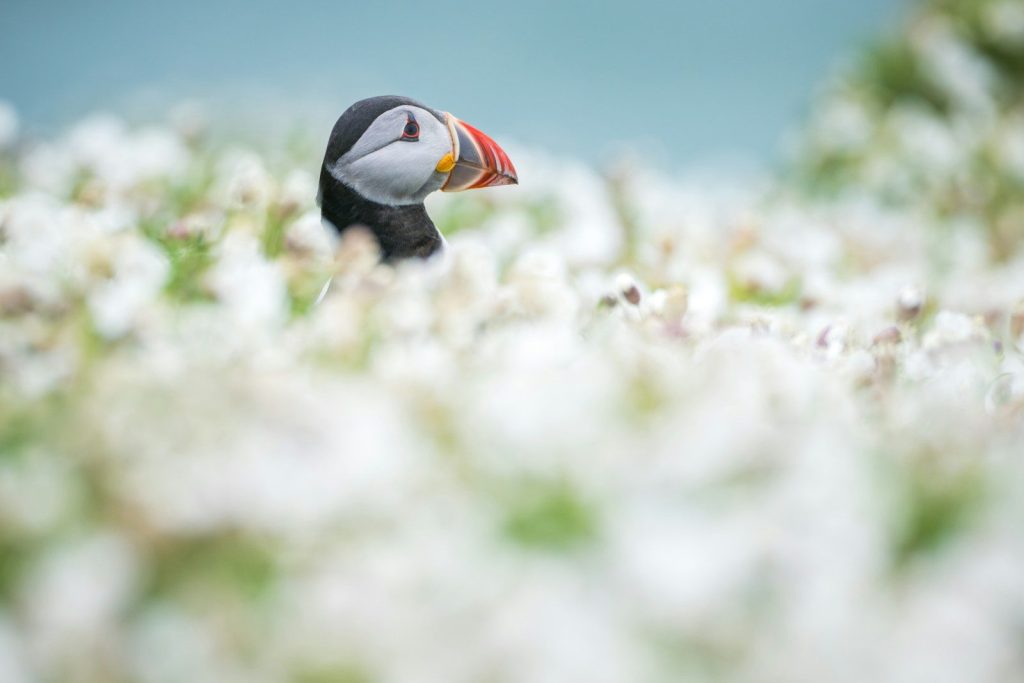
Wind turbines can occasionally collide with birds and bats as they move through airspace shared with wind farms. Studies suggest that fatalities may range from a few birds and bats per megawatt each year.
Although these numbers are relatively low compared to other human-related threats, conservationists emphasize that every loss counts, especially for vulnerable populations.
Engineers Are Searching for Safer Designs
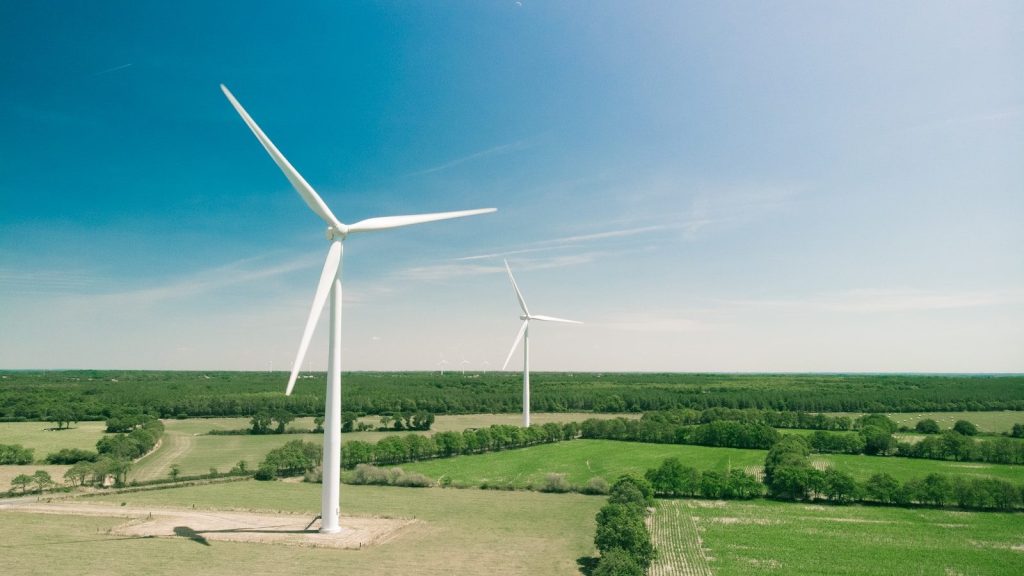
To reduce wildlife risks, researchers and engineers are exploring ways to make turbine blades more visible and easier for animals to avoid. One approach focuses on improving how animals perceive moving blades in flight.
The goal is not to eliminate wind energy, but to make it safer for ecosystems that surround it.
Nature-Inspired Colors Offer a New Idea

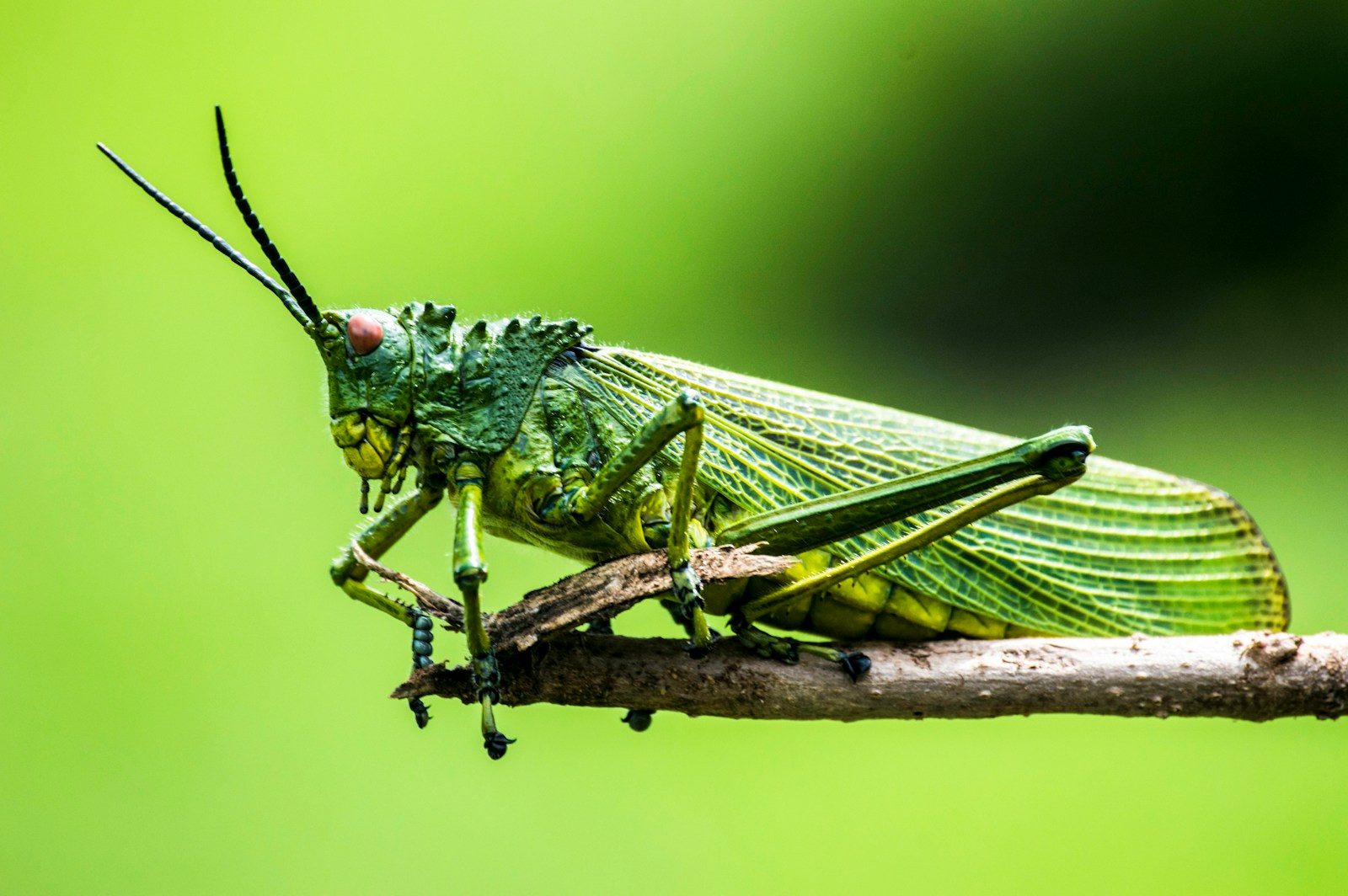
A study published in Behavioral Ecology suggests that birds and bats may avoid turbines painted in patterns inspired by warning signals in nature. These include the colors seen in venomous animals like coral snakes and poison dart frogs.
Such patterns may trigger natural avoidance behavior in animals that associate bold colors with danger.
Birds Prefer Avoiding Colored Blades
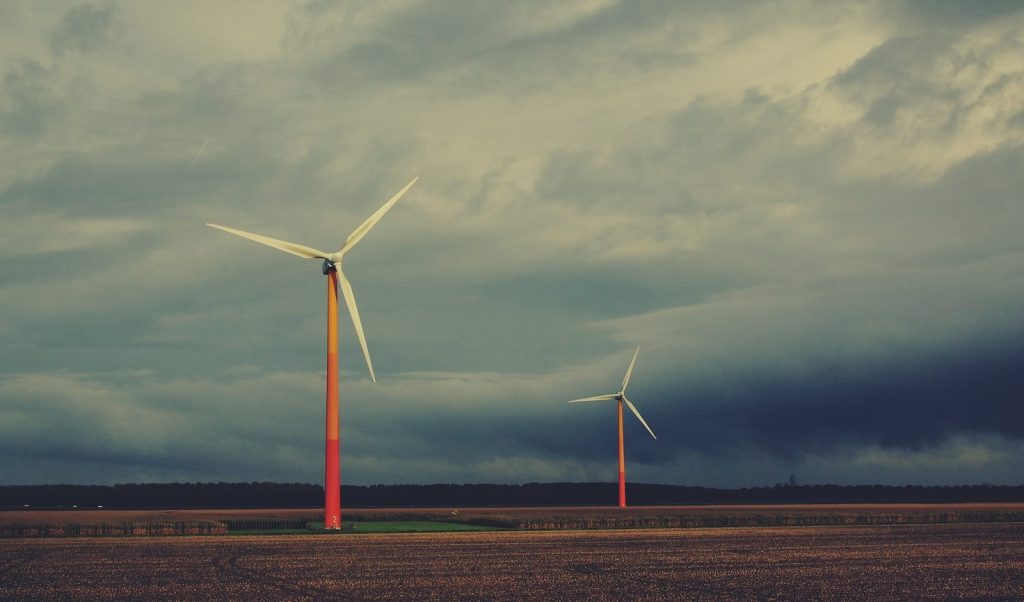
In controlled experiments, researchers tested bird responses to different turbine blade designs shown on screens. The birds were exposed to white blades, striped patterns, and high-contrast color combinations.
Results showed that birds were most likely to approach traditional white blades, while they actively avoided the more visually striking designs.
Laboratory Tests Simulated Real Conditions
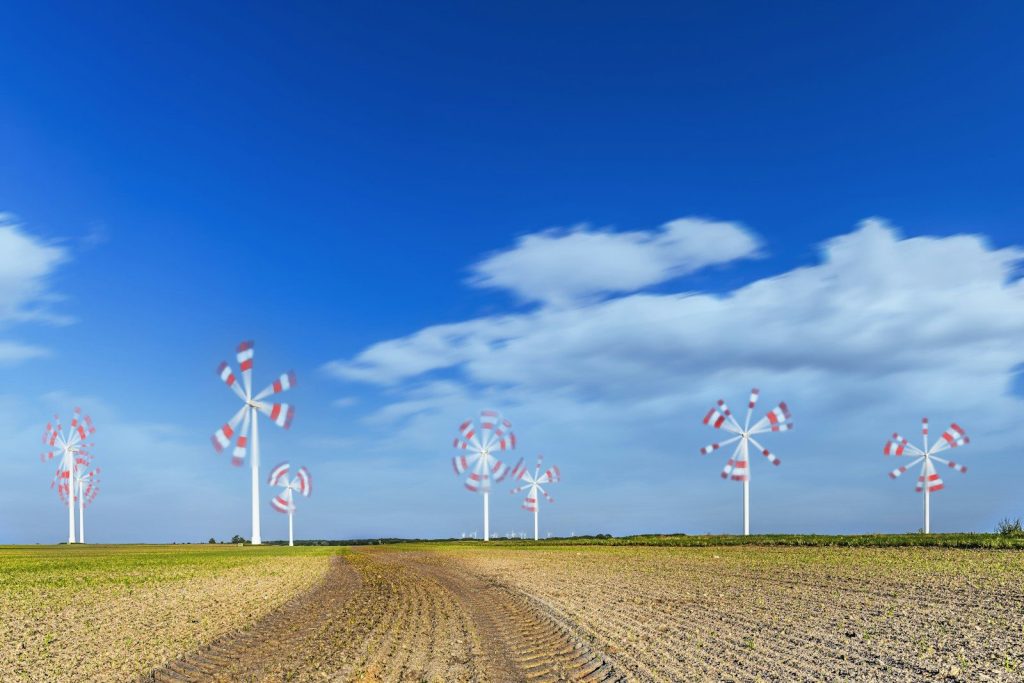
Scientists used touchscreen-based experiments designed specifically for birds to observe their behavior safely. This allowed researchers to study reactions without exposing animals to real-world danger.
The experiments included different blade speeds and patterns to simulate realistic turbine conditions.
Biomimetic Designs Show the Strongest Effect
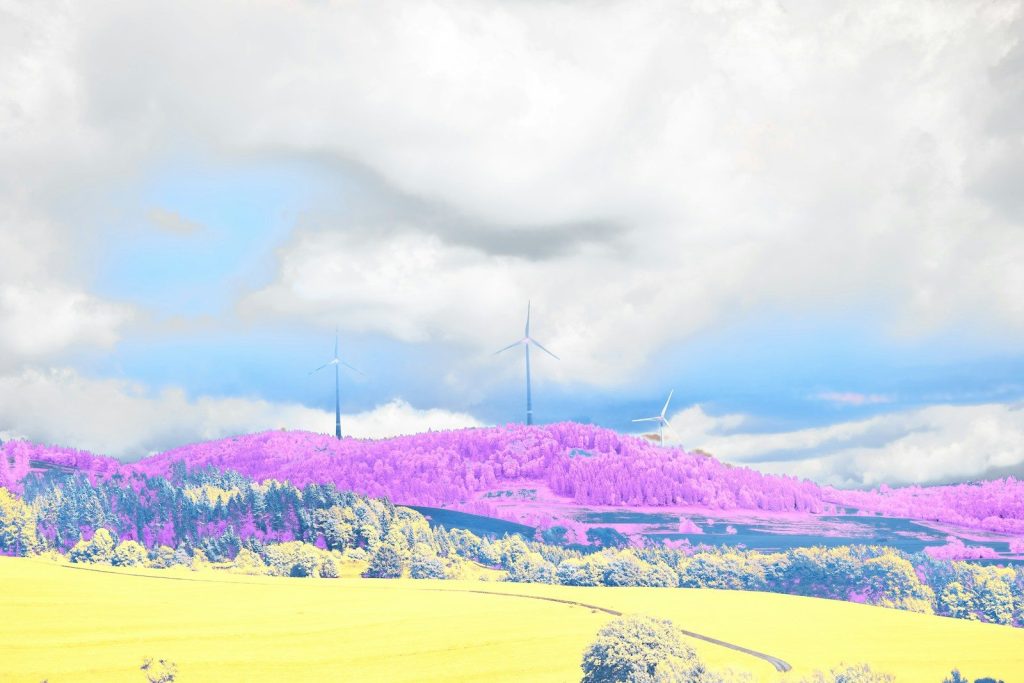
Among all tested designs, blades painted with bold red, black, and yellow warning-like patterns were the most effective at deterring birds. Researchers believe these patterns mimic natural signals that indicate danger in the wild.
Experts suggest this could be a low-cost and practical way to reduce wildlife collisions.
A Simple Change With Big Potential Impact
Researchers say that if these findings are confirmed in real-world wind farms, changing turbine blade colors could become an important conservation tool.
They also believe similar design strategies could be used for other human-made hazards such as power lines and large glass buildings to further protect wildlife.