Skip to content

Recent Posts

  • What To Do If You Discover a Skunk Living in Your Yard
  • What Happens When a Hungry Polar Bear Approaches Humans in the Arctic
  • Are We Living Through Earth’s Sixth Mass Extinction?
  • Cows Shock Farmer by Protecting Wild Duck Eggs From Predators
  • The Snake Filled National Parks Every Hiker Should Know About

Most Used Categories

  • Nature & Wildlife (52)
  • Risk (19)
  • Hunting (15)
  • Bees/Swarms fear (10)
  • Survival (9)
  • Exotic Animals (7)
  • Suspense (6)
  • Human Interest (4)
  • Adventure (3)
  • Gears (2)
Skip to content
  • About Us
  • Contact Us
  • Disclaimer
  • Privacy Policy
  • Terms & Conditions

Hive Hunters Tales

  • Suspense
  • Nature & Wildlife
  • Human Interest
  • Hunting
  • Bees/Swarms fear
  • Exotic Animals
  • Risk
  • Survival
  • Adventure
  • Gears
  • Home
  • Exotic Animals
  • Cute Animals That Are Actually Quite Dangerous
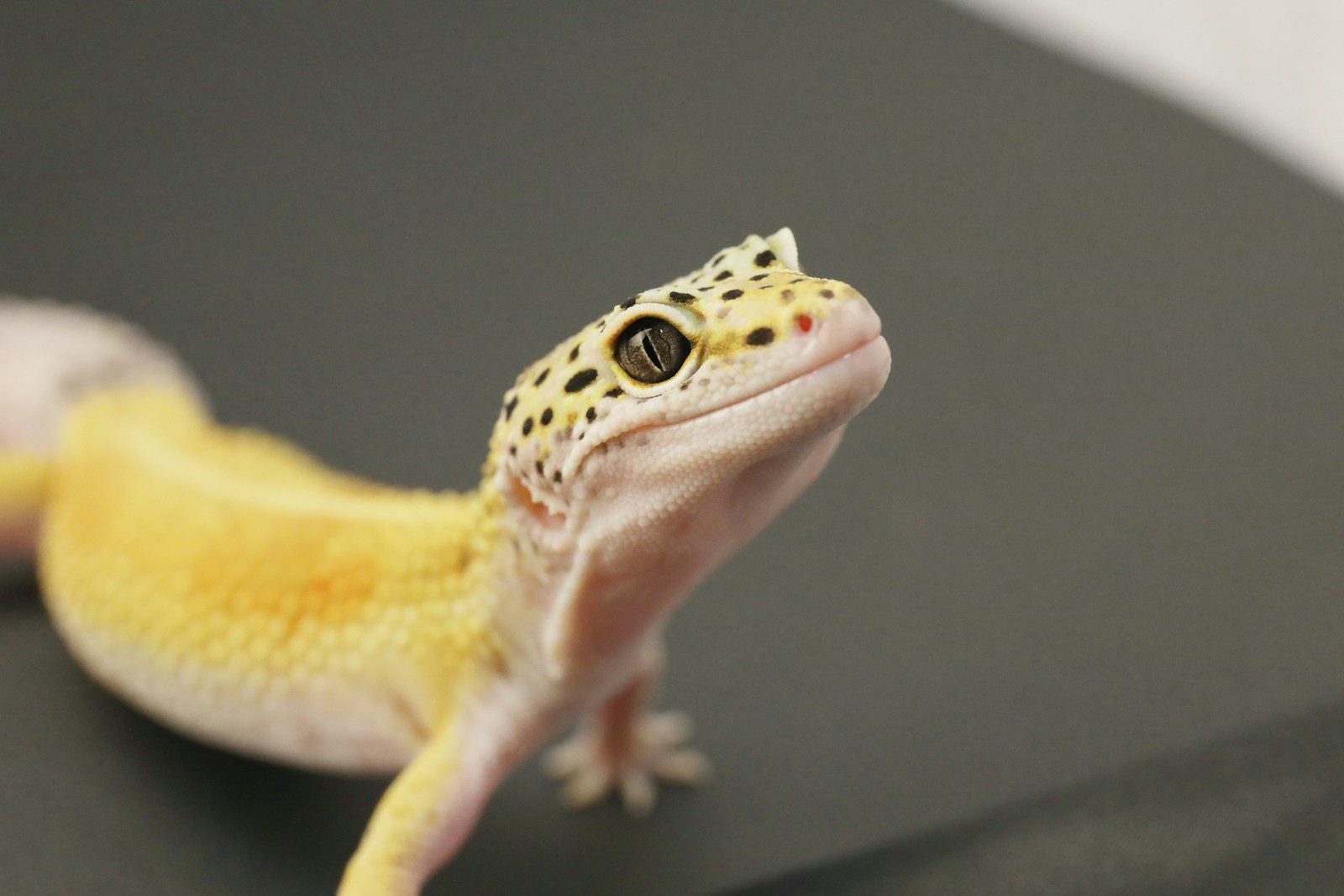
A leopard gecko with yellow and black spots

Cute Animals That Are Actually Quite Dangerous

JakeMay 18, 2026May 18, 2026

At first glance, many animals appear harmless, fluffy, or even playful. But in the wild, appearance can be misleading. Some of the cutest creatures on Earth hide powerful defenses, strong instincts, or even lethal capabilities that make them far more dangerous than they look.

Understanding these animals is not just about curiosity, it’s a reminder that wildlife should always be respected from a safe distance.

Cute Looks, Deadly Reality
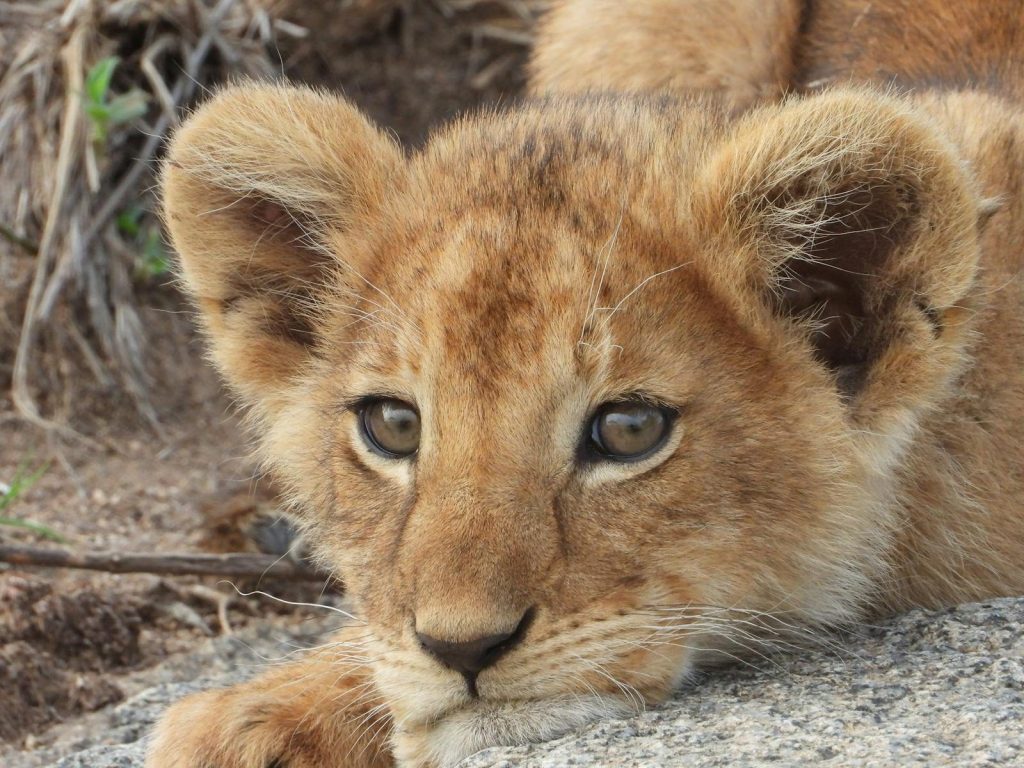
Close-up image of a cute lion cub resting on a rock in the wild.
Photo by Gal Shapira on Pexels

Many animals on this list are considered “cute” because of their small size, soft features, or calm behavior. However, nature does not design survival traits for human comfort.

Behind those adorable faces often lie sharp teeth, venom, strength, or unpredictable defensive behavior that can cause serious harm when threatened.

Slow Loris: Big Eyes, Toxic Bite
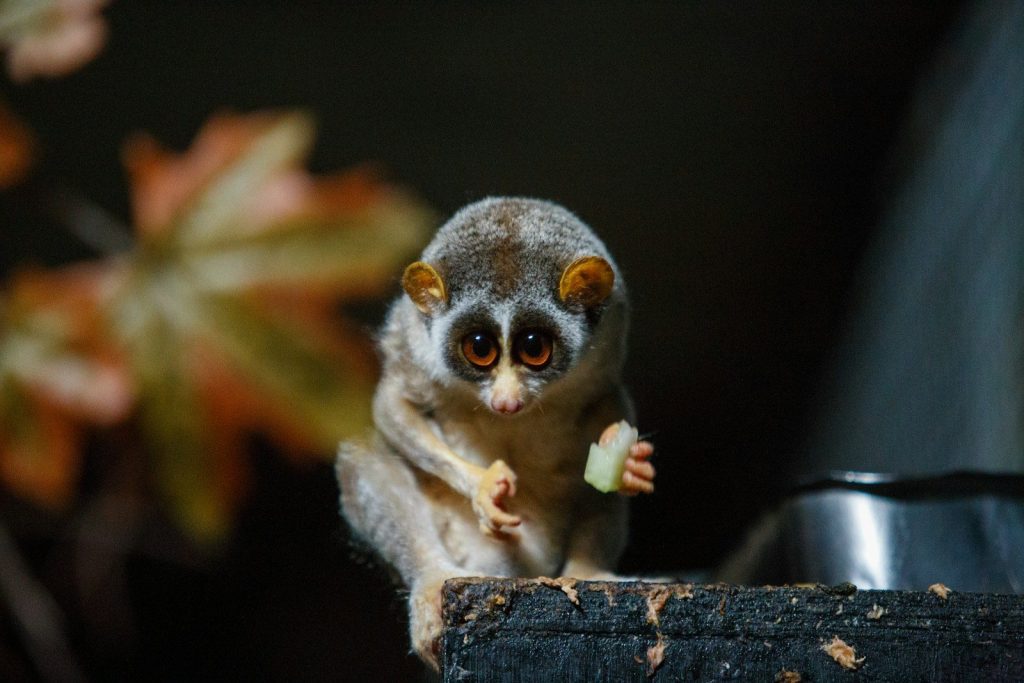
brown and black animal holding food
Photo by Roi Dimor on Unsplash

The slow loris is one of the most deceptively cute primates in the world. Its large eyes and slow movements make it appear harmless and gentle.

However, it carries a toxic bite from glands in its arms. When threatened, it can deliver venom that causes severe reactions in humans.

Pufferfish: Tiny Body, Extreme Poison
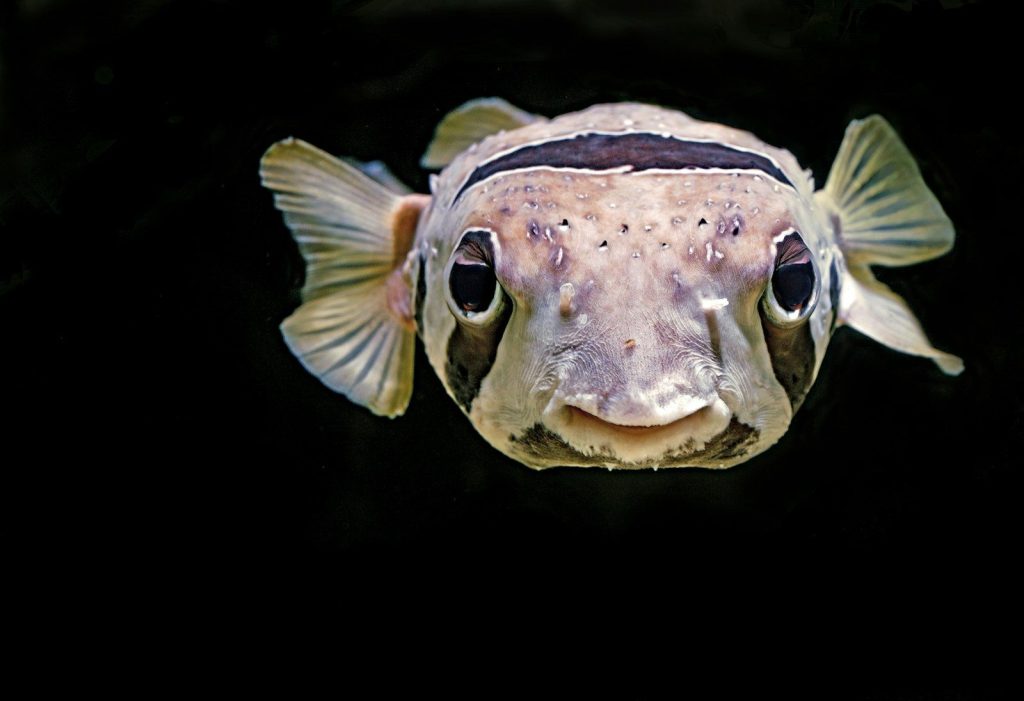
close up photo of brown puffin fish
Photo by David Clode on Unsplash

Pufferfish may look like harmless balloon-like sea creatures, but many species contain tetrodotoxin, one of the most powerful natural toxins known.

A single fish can contain enough poison to kill multiple humans if improperly prepared or consumed.

Poison Dart Frog: Beautiful but Lethal
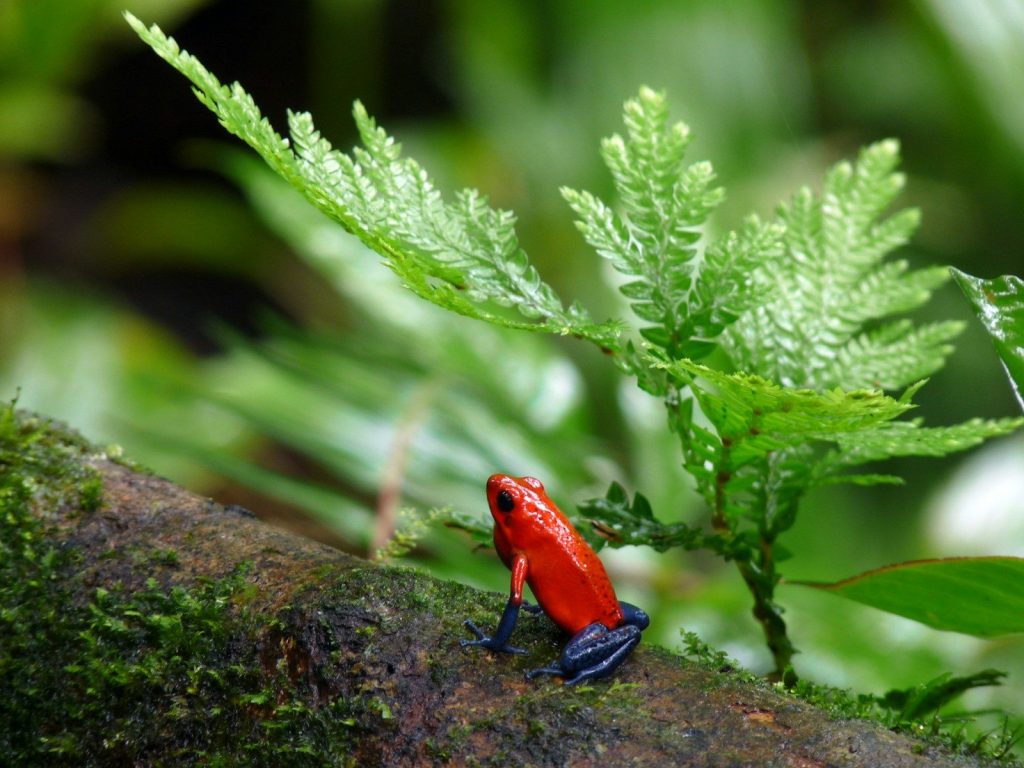
red and blue poison-dart frog on tree branch
Photo by J dG on Unsplash

Bright colors make poison dart frogs some of the most visually striking amphibians in the world. These colors actually serve as a warning to predators.

Their skin secretes toxins that can interfere with nerve function and, in extreme cases, can be fatal.

Hippos: Unexpected Aggression
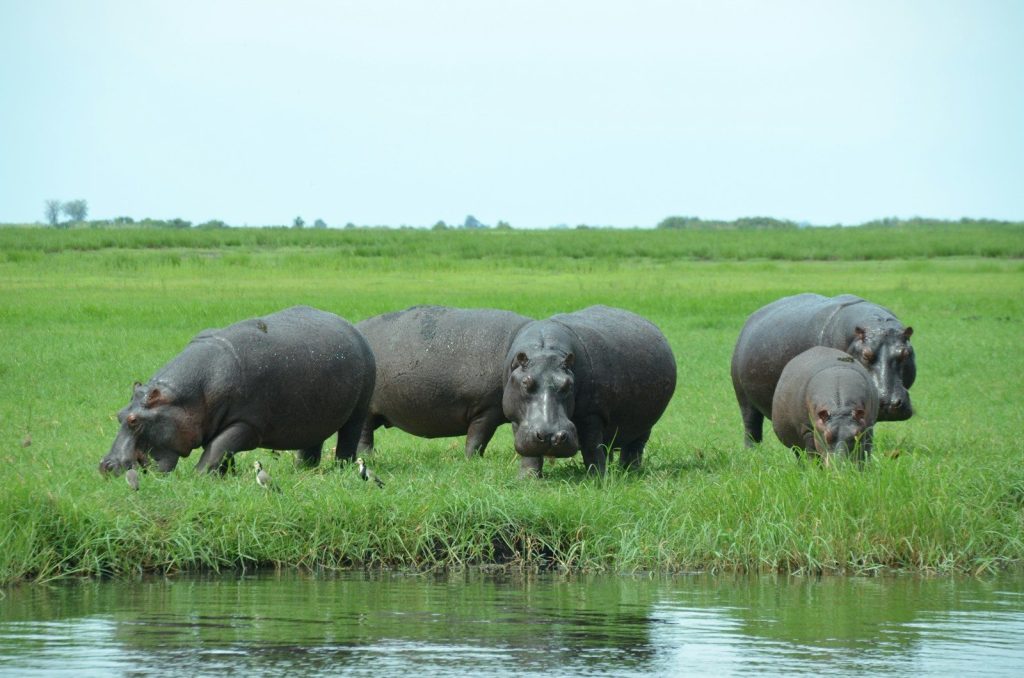
a group of hippopotamus standing next to a body of water
Photo by Hal Cooks/Unsplash

Hippos may look slow and harmless in water, but they are among the most dangerous large animals in Africa.

They are extremely territorial and can move quickly on land, using massive jaws and powerful bites to defend themselves.

Swans: Elegant but Territorial
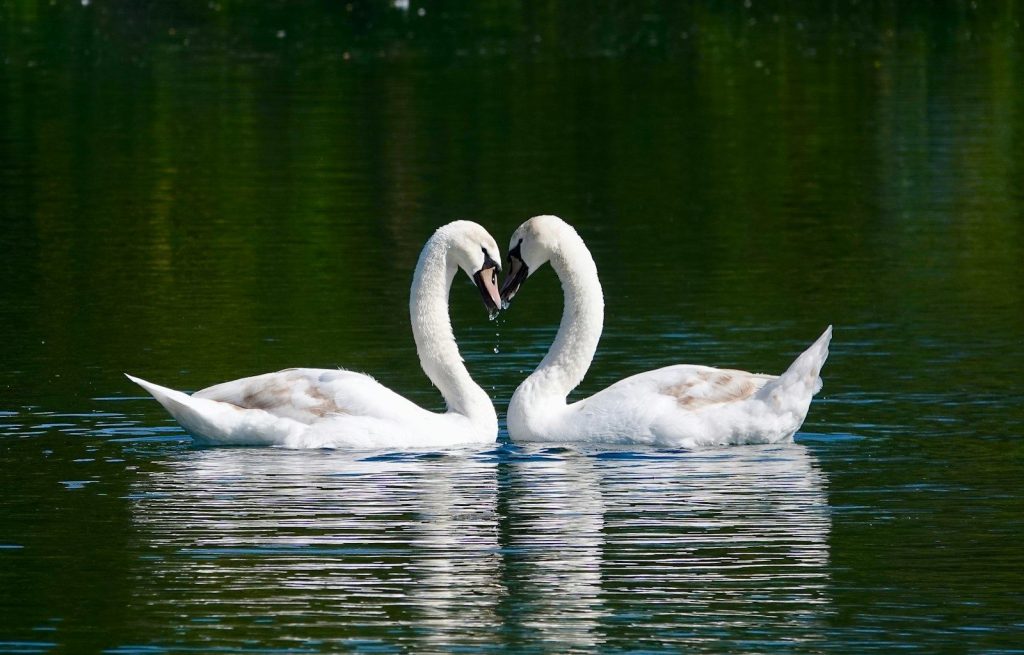
white swan on water during daytime
Photo by Trevor John Williams on Unsplash

Swans are often seen as symbols of beauty and peace, yet they can become highly aggressive during nesting season.

They have been known to chase, attack, and injure humans who get too close to their nests.

Platypus: A Strange Venom Carrier
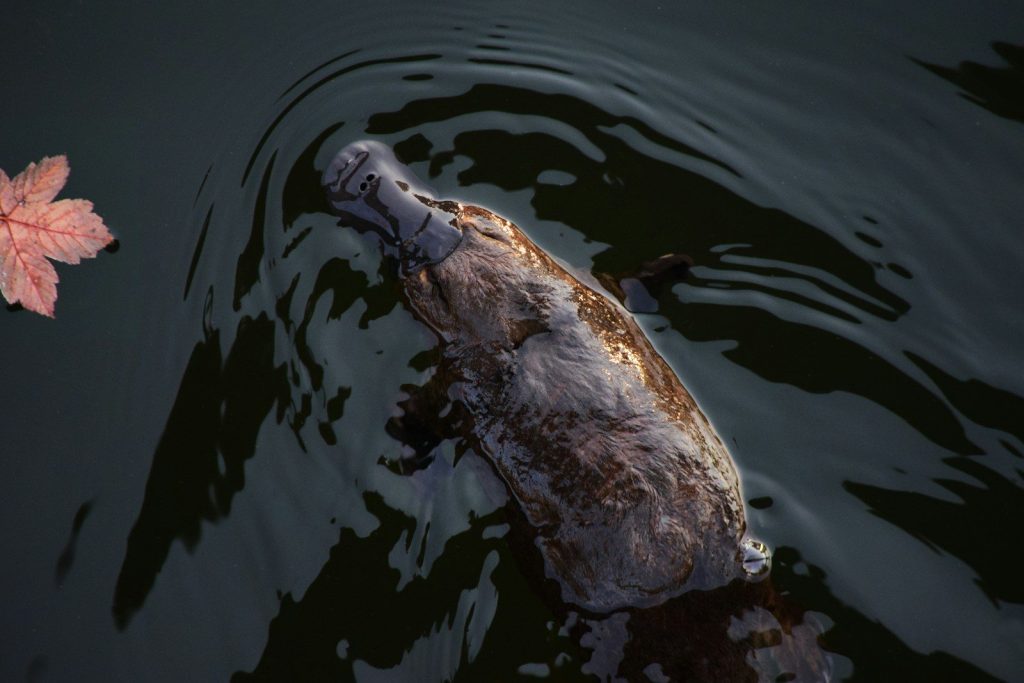
white and brown duck on water
Photo by Michael Jerrard on Unsplash

The platypus is famous for its unusual appearance, but male platypuses carry venomous spurs on their hind legs.

While not usually fatal to humans, the venom can cause intense pain and swelling that lasts for weeks.

Why Cute Doesn’t Mean Safe
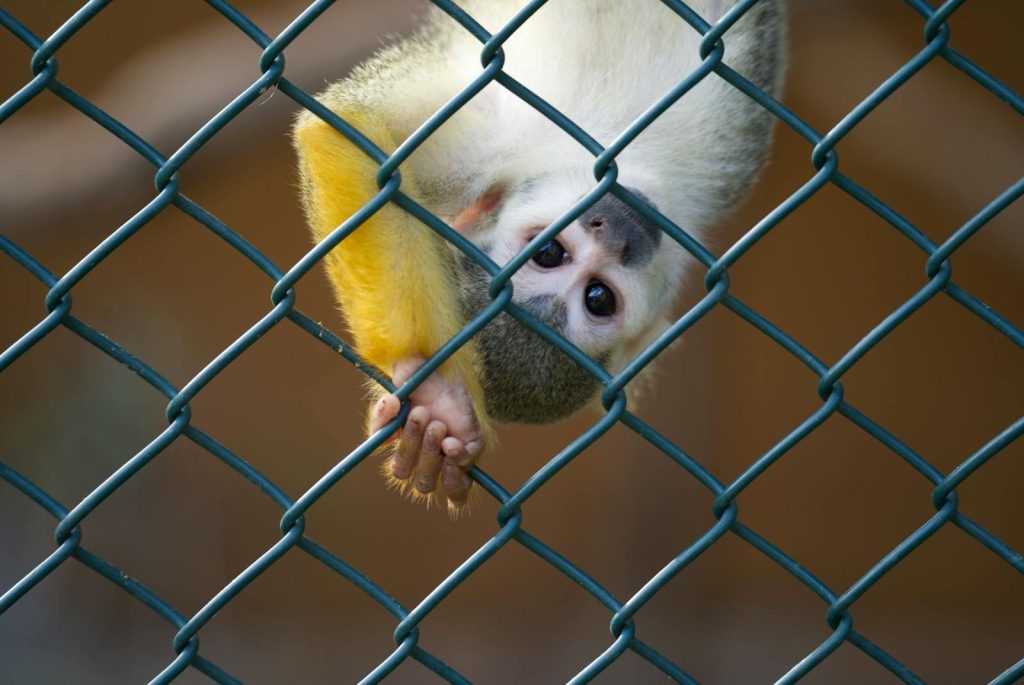
A lively squirrel monkey hangs upside down from a chain-link fence, showcasing its agility.
Photo by Жанна Алимкулова on Pexels

These animals highlight an important truth: survival in nature is not based on appearance but on adaptation. Many “cute” features evolved for camouflage, intimidation, or protection—not friendliness.

Respecting wildlife means understanding that even the smallest or most adorable animal can defend itself if it feels threatened.
Post navigation

Previous: 5 Backyard Animals That Look Scary but Actually Help Your Garden
Next: U.S. States Where Mountain Lions Still Roam

Related Posts

raccoon illustration

What You Should Do If You See a Raccoon in Your Yard

May 22, 2026May 22, 2026 Jake
A pale axolotl with pink gills underwater.

Why Proper Husbandry Is Critical for Exotic Pet Survival

May 18, 2026 Jake
A lively squirrel monkey hangs upside down from a chain-link fence, showcasing its agility.

Can Exotic Animals Survive in Captivity? Truth Revealed

May 18, 2026 Jake

Leave a Reply Cancel reply

Your email address will not be published. Required fields are marked *

Recent Posts

  • What To Do If You Discover a Skunk Living in Your Yard
  • What Happens When a Hungry Polar Bear Approaches Humans in the Arctic
  • Are We Living Through Earth’s Sixth Mass Extinction?
  • Cows Shock Farmer by Protecting Wild Duck Eggs From Predators
  • The Snake Filled National Parks Every Hiker Should Know About
Copyright All Rights Reserved | Theme: BlockWP by Candid Themes.