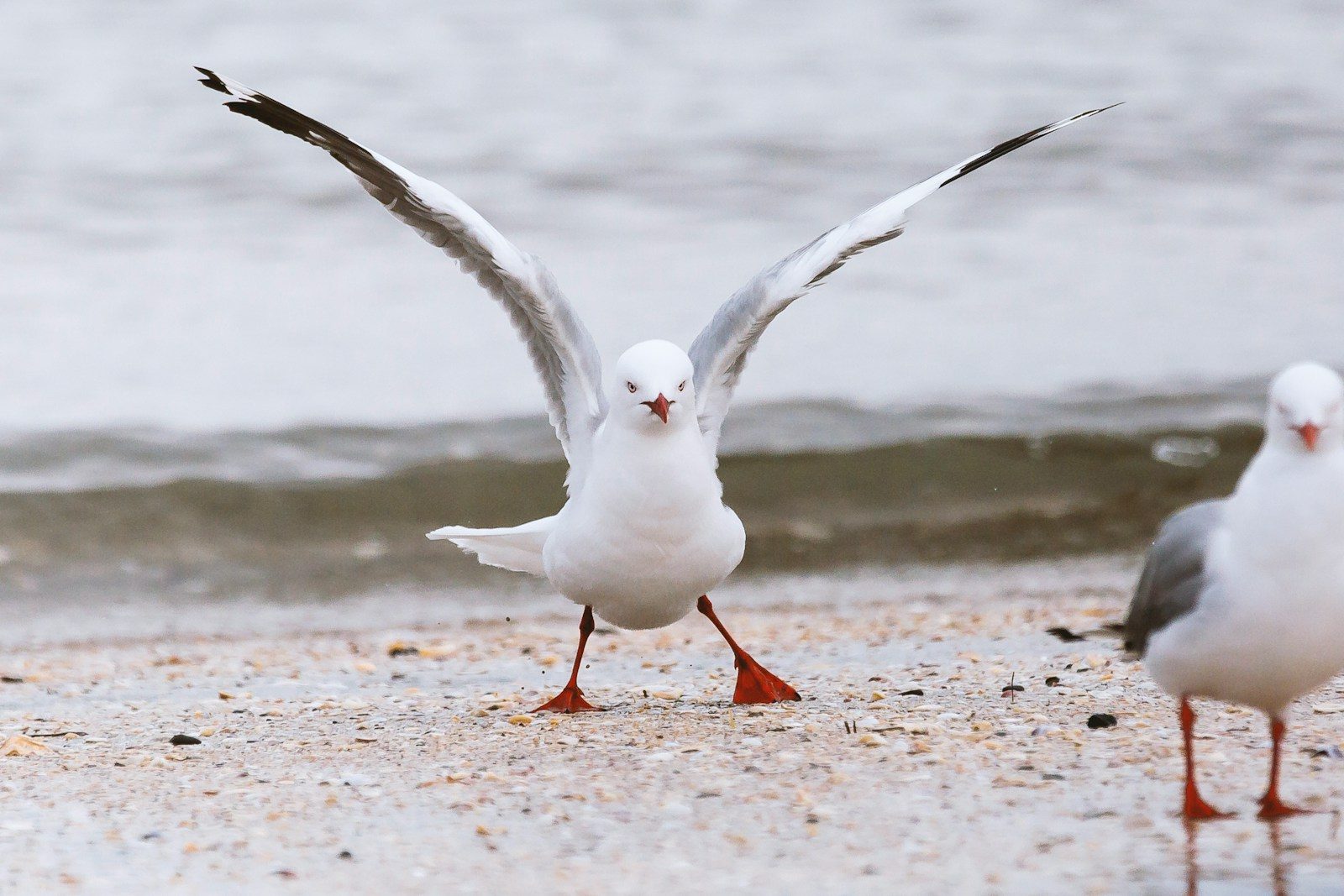
Drivers and pedestrians along England’s south coast have recently reported seeing seagulls stumbling into roads and behaving unusually. While the sight may seem amusing, wildlife experts believe there could be a scientific explanation behind the birds’ odd behavior.
Researchers suggest that seagulls feasting on swarms of flying ants may be temporarily affected by a naturally occurring chemical released by the insects, although the theory is still being investigated.
Why Seagulls Are Eating Flying Ants
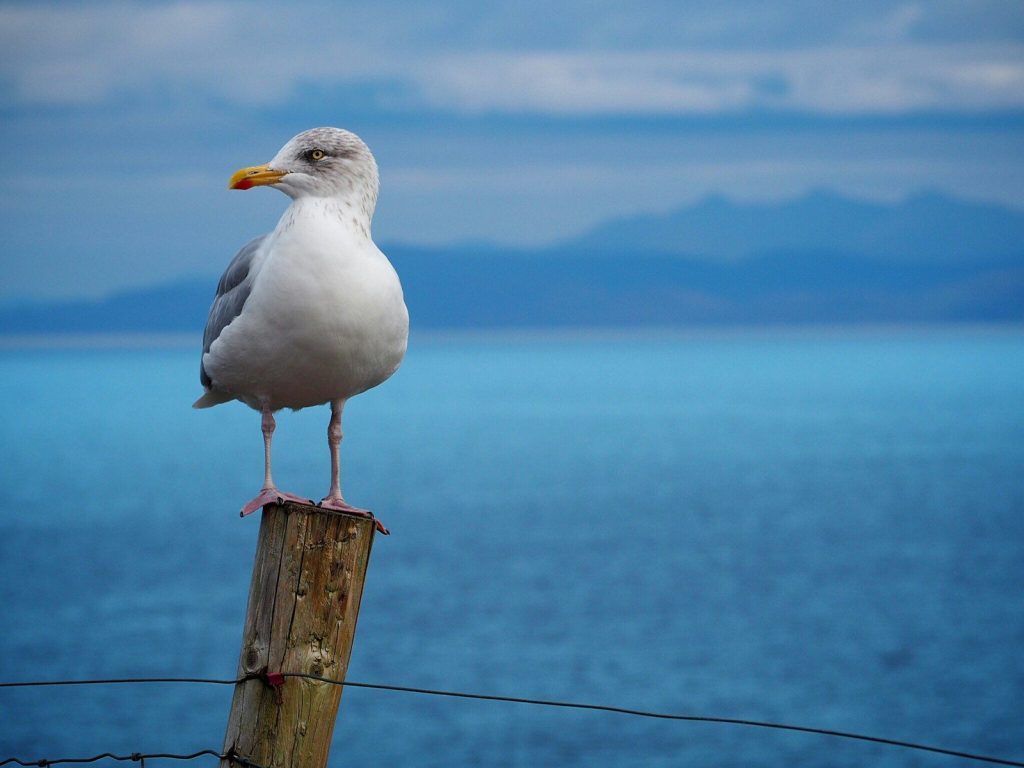
Flying ants emerge in large numbers during warm summer weather as part of their annual mating flights. These mass swarms provide an easy and protein-rich food source for birds like seagulls.
With successive heatwaves across England encouraging earlier and larger ant swarms, gulls have been taking full advantage of the seasonal feast.
The Role of Formic Acid
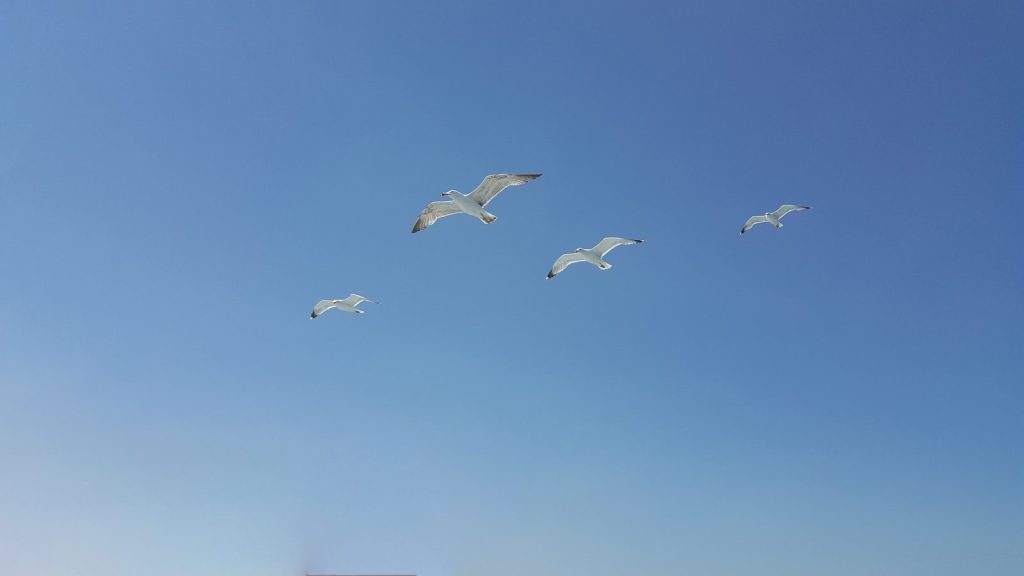
Flying ants release a substance called formic acid when they feel threatened. This mild chemical acts as a defense mechanism against predators.
Some ornithologists believe consuming large numbers of ants may temporarily affect seagulls, causing them to appear unsteady or “drunk,” although no scientific study has yet confirmed this effect.
Why the Birds Appear Dizzy
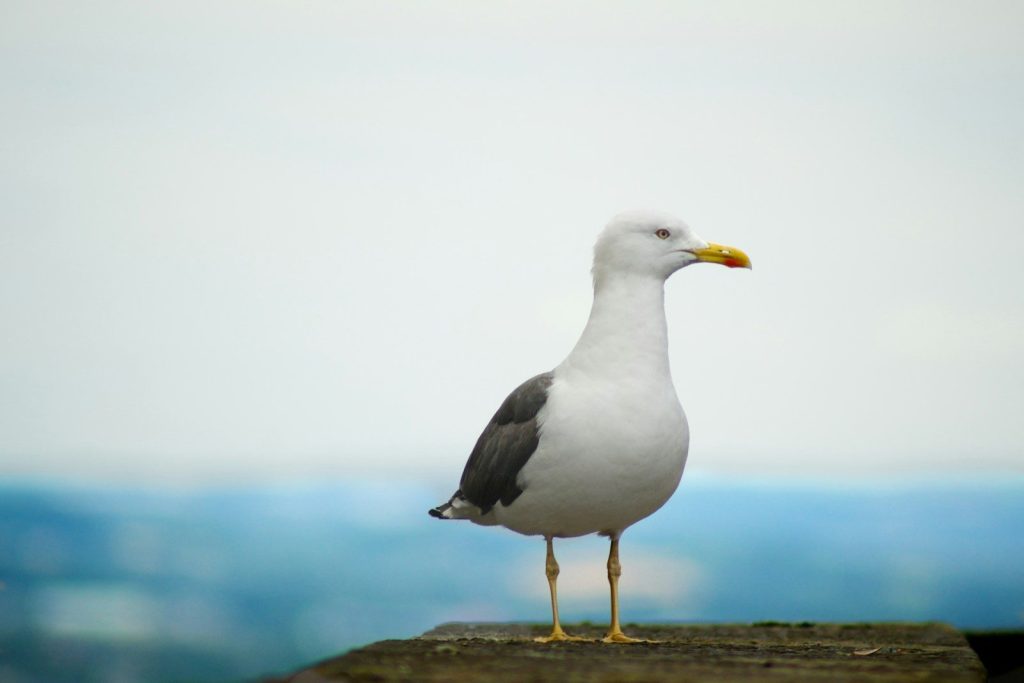
Experts have observed gulls walking into roads, staggering on pavements, and showing less awareness of their surroundings during periods of heavy ant activity.
Researchers caution that several explanations are possible. The birds may simply become distracted by the abundance of food or overwhelmed while feeding, rather than being directly intoxicated by formic acid.
Should People Be Concerned?
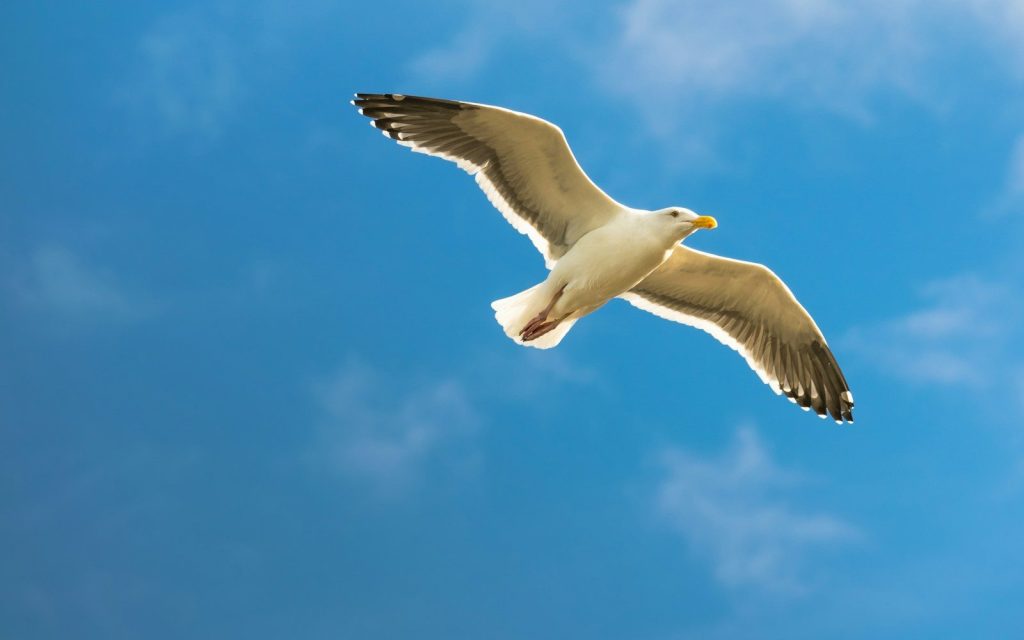
Wildlife specialists say there is generally no need for concern if a seagull appears slightly disoriented during flying ant season. Most birds recover naturally once feeding activity slows.
However, anyone who notices a bird showing signs of illness or injury should contact a local wildlife rescue organization rather than attempting to handle the bird themselves.
Nature Still Holds Many Mysteries
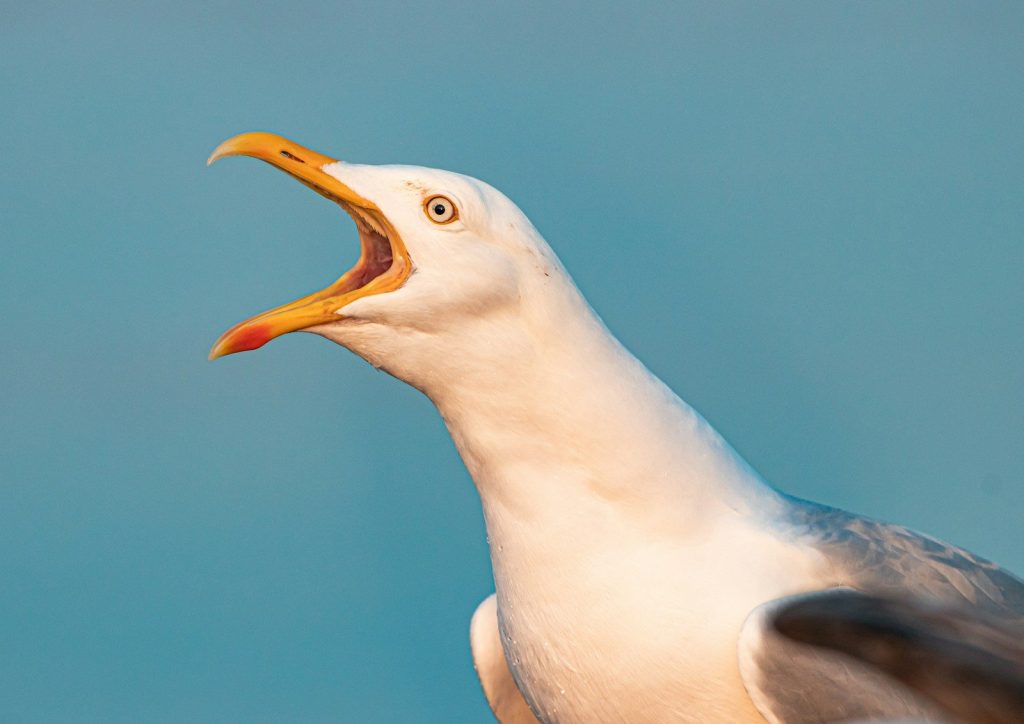
The connection between flying ants and seemingly intoxicated seagulls remains a fascinating scientific question. Researchers hope future studies will determine whether formic acid truly affects bird behavior or whether another explanation is responsible.
Until then, experts encourage people to enjoy observing wildlife from a safe distance while allowing natural seasonal events to unfold without interference.
Featured Image: Photo by Phil Botha on Unsplash