Skip to content

Recent Posts

  • 8 of the Oldest Animals Ever Documented
  • 8 Animals With Extraordinary Physical Power
  • 9 of the Loudest Animals Ever Measured
  • Why a Doe May Return to the Same Door With Her Fawn
  • One of the World’s Rarest Wild Cats Lives in the Andes

Most Used Categories

  • Nature & Wildlife (709)
  • Risk (60)
  • Human Interest (36)
  • Exotic Animals (21)
  • Hunting (19)
  • Survival (18)
  • Bees/Swarms fear (14)
  • Suspense (10)
  • Adventure (3)
  • Gears (2)
Skip to content
  • About Us
  • Contact Us
  • Disclaimer
  • Privacy Policy
  • Terms & Conditions

Hive Hunters Tales

  • Suspense
  • Nature & Wildlife
  • Human Interest
  • Hunting
  • Bees/Swarms fear
  • Exotic Animals
  • Risk
  • Survival
  • Adventure
  • Gears
  • Home
  • Nature & Wildlife
  • 8 of the Oldest Animals Ever Documented
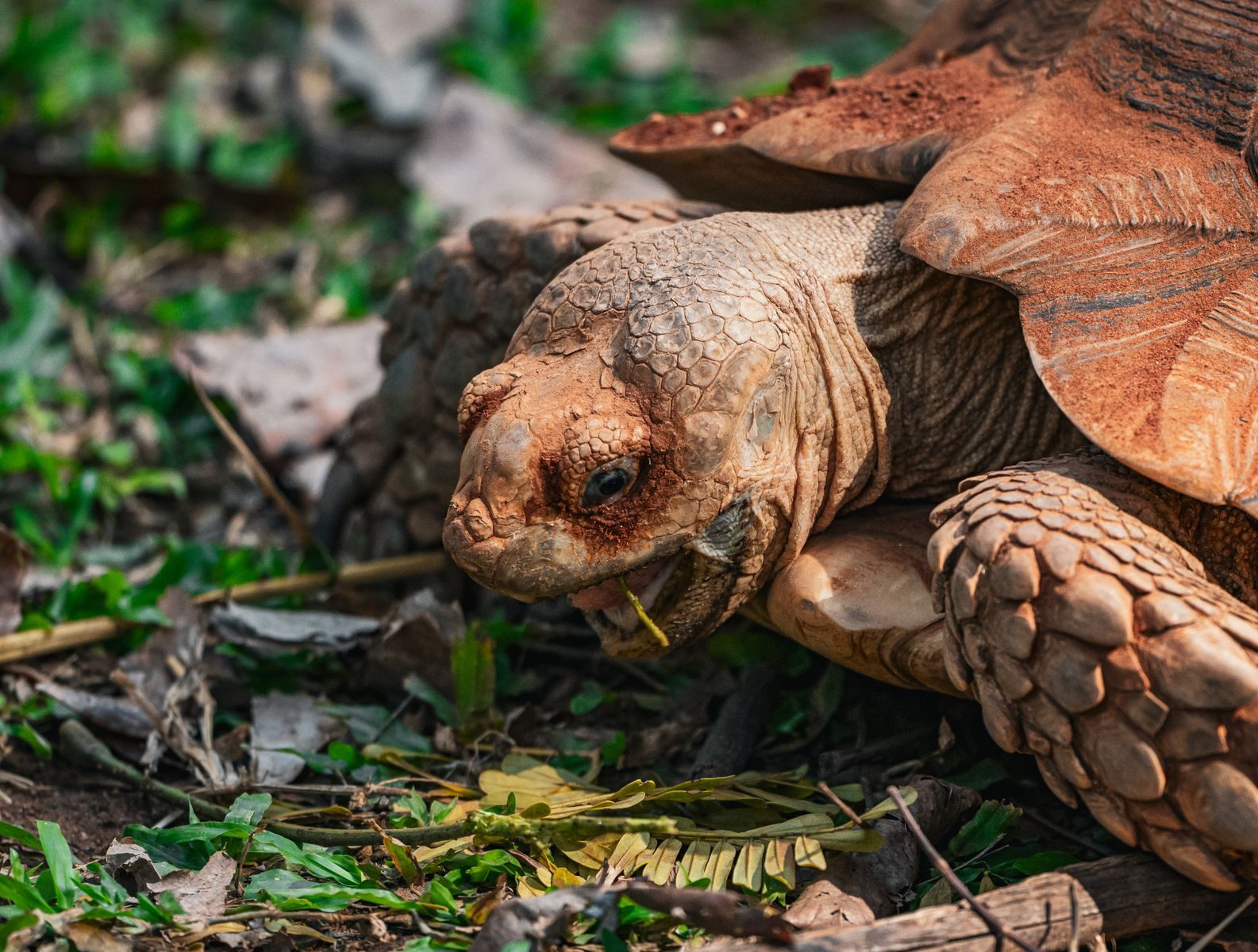
Close-up of an African spurred tortoise foraging on the ground in Thailand.

8 of the Oldest Animals Ever Documented

JakeAugust 6, 2026August 5, 2026

Some animals survive for centuries, but measuring their ages is difficult. Scientists may count growth rings, date tissues, analyse eye proteins, or study chemical changes that accumulate over time.

Colonies and individual animals must also be separated. A coral colony can persist for thousands of years, while a single vertebrate may live for centuries. The following ages reflect documented estimates rather than folklore.

Hawaiian Black Coral
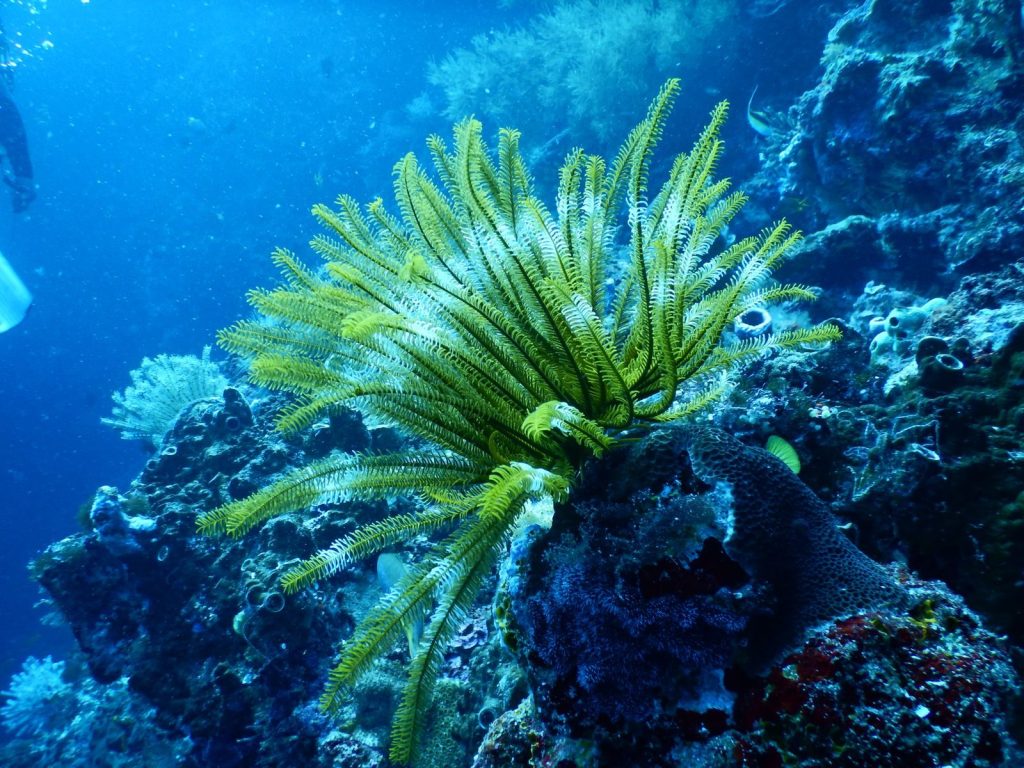
Explore a stunning underwater scene featuring a vibrant sea fan among coral reefs, showcasing marine biodiversity.
Photo by Tom Fisk on Pexels

A deep-water black coral colony discovered near Hawaii was estimated to be approximately 4,265 years old. Although coral resembles a plant, each colony is built by tiny animals called polyps. Its great age makes it one of the oldest known continuously living animal colonies.

Ming the Ocean Quahog
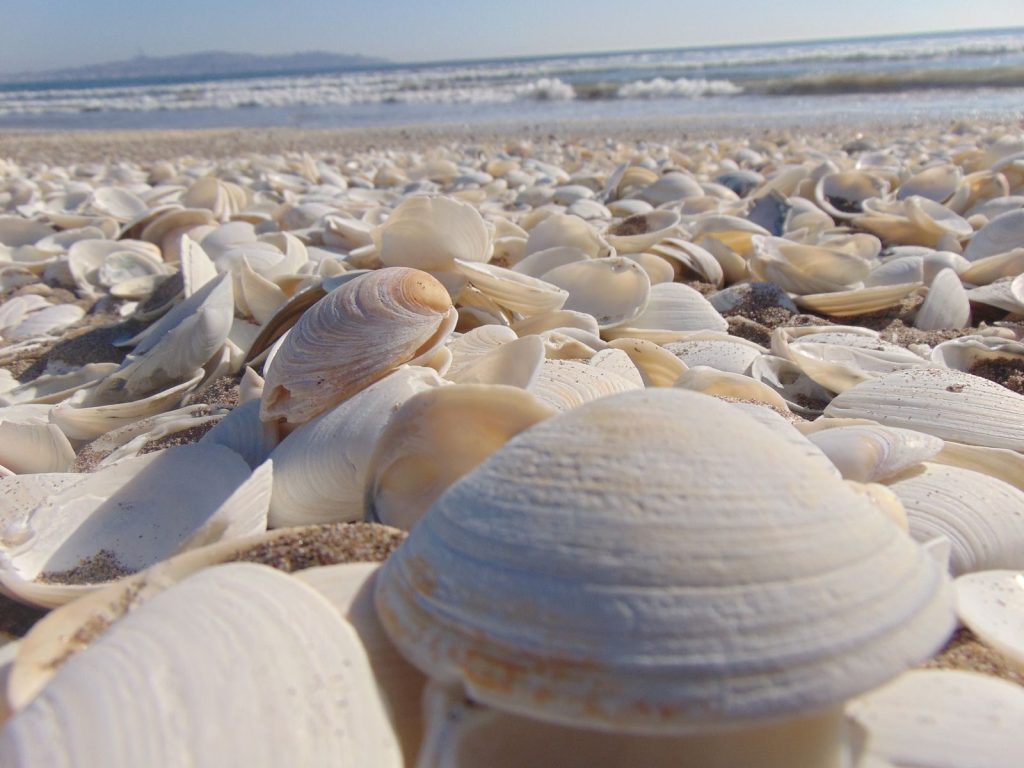
Close-up of numerous seashells on a beach with ocean waves in the background under a clear blue sky.
Photo by Vale’ Tamblay on Pexels

An ocean quahog nicknamed Ming was estimated to be 507 years old by counting annual growth lines in its shell. The clam lived in cold North Atlantic waters, where slow growth and a low metabolic rate may contribute to the species’ exceptional longevity.

Greenland Shark
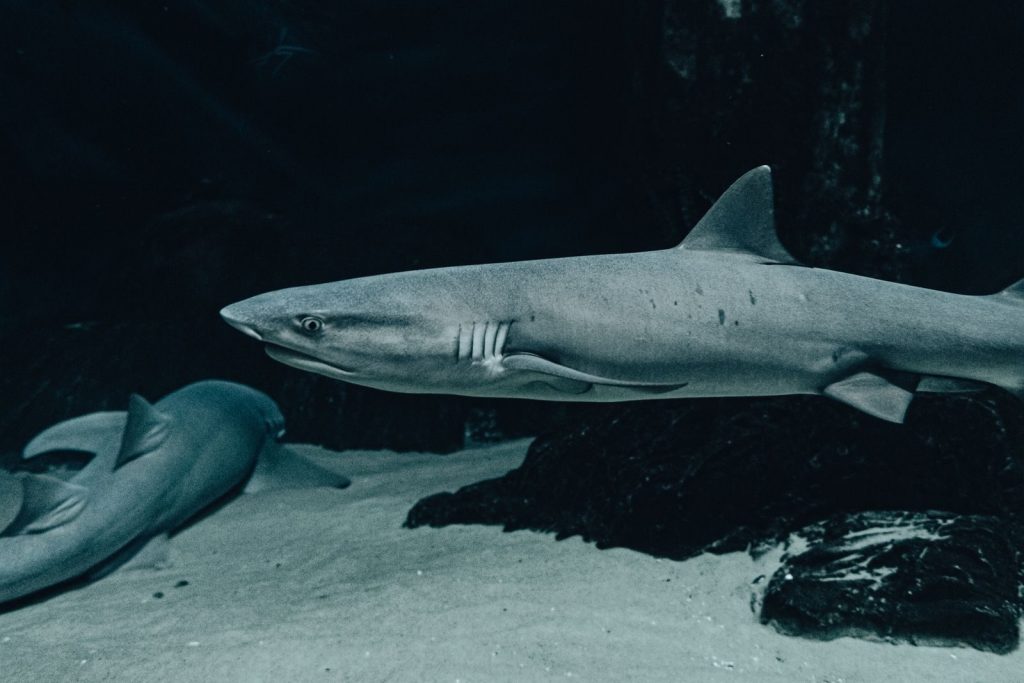
Dramatic close-up of sharks swimming in an underwater aquarium, showcasing marine life.
Photo by GURYAN on Pexels

Greenland sharks may be the longest-living vertebrates known. Radiocarbon dating of proteins in their eye lenses indicated that the animals reach at least 272 years. The largest shark examined had an estimated age of 392 years, although the calculation carried an uncertainty of about 120 years.

Bowhead Whale
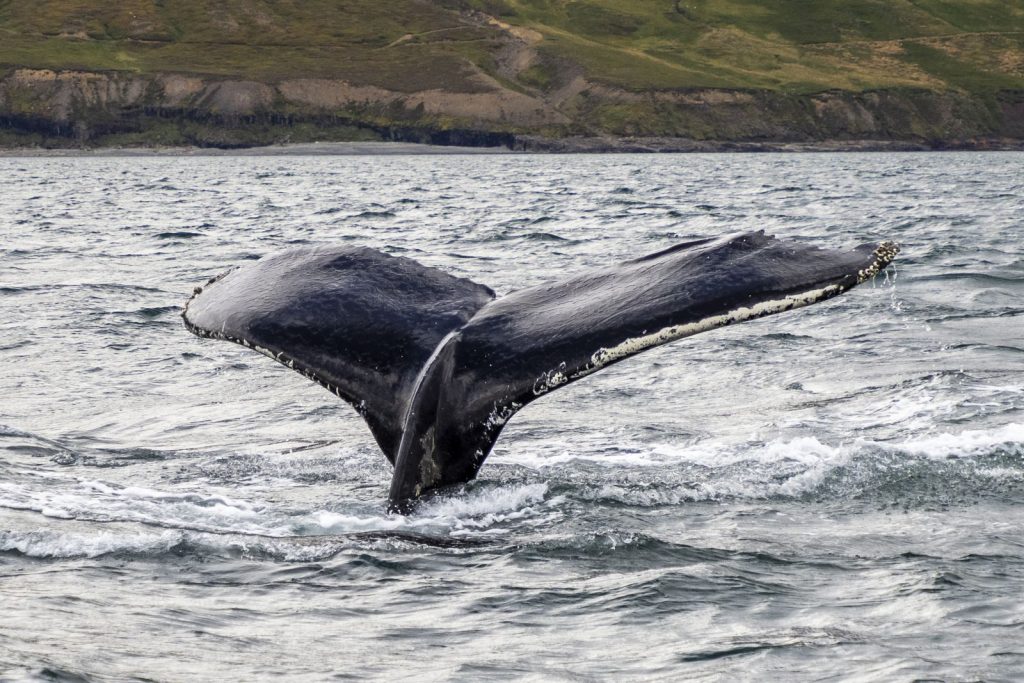
Close-up of a humpback whale's tail rising above the ocean, showcasing marine wildlife in action.
Photo by Rino Adamo on Pexels

Bowhead whales can live for more than 200 years. Evidence includes chemical analysis of eye tissue and old hunting equipment discovered in whales harvested by Indigenous communities. Their thick bodies and slow life histories are well suited to the cold Arctic and sub-Arctic seas.

Jonathan the Tortoise
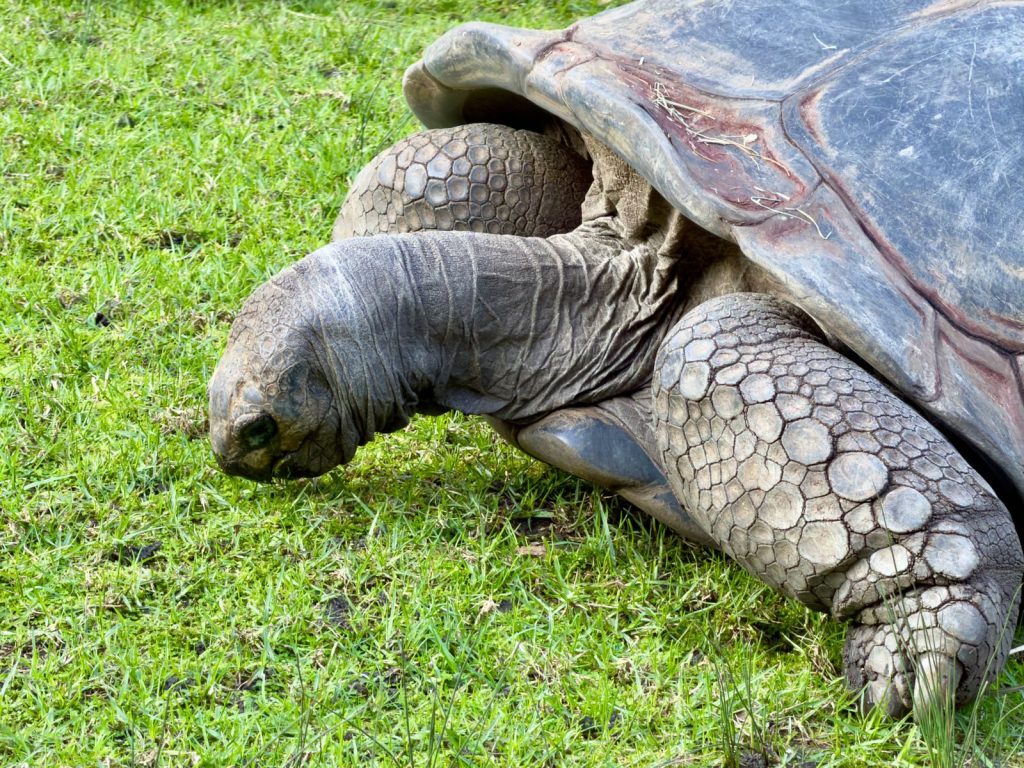
Close-up of a giant tortoise feeding on grass, captured in Parkville, Victoria, Australia.
Photo by Joolsmagools ®️ on Pexels

Jonathan, a Seychelles giant tortoise living on Saint Helena, was considered at least 194 years old in 2026. His exact birth date is unknown, but historical photographs and records indicate that he was already fully mature when he arrived on the island in 1882.

Rougheye Rockfish
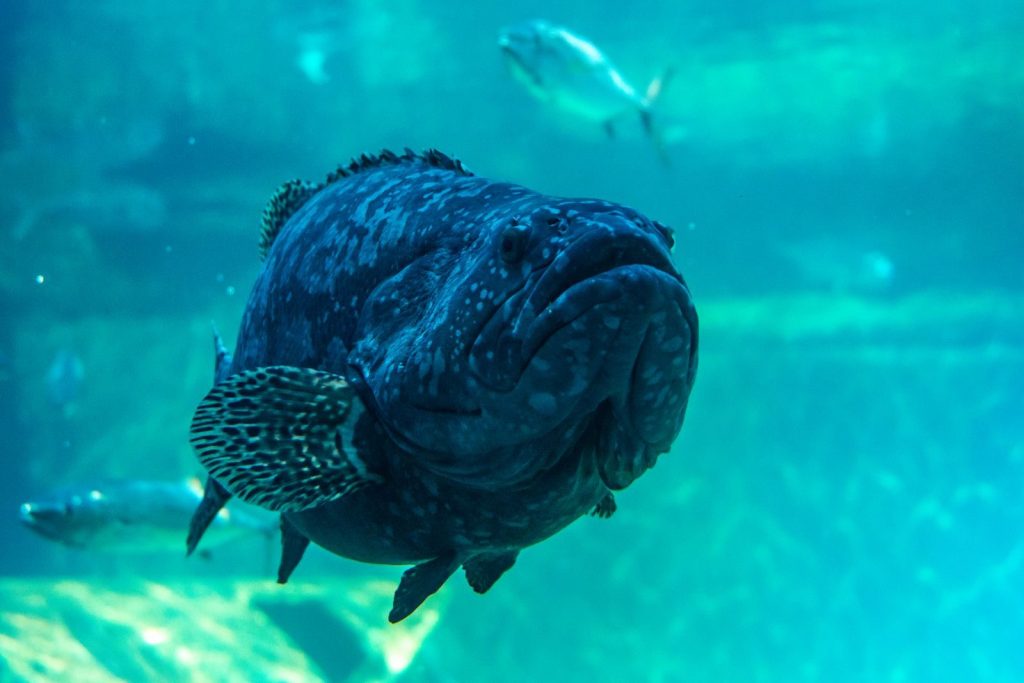
Detailed view of a grouper fish swimming in an aquarium environment.
Photo by Magda Ehlers on Pexels

Rougheye rockfish grow slowly in the cold waters of the North Pacific. Scientists have documented individuals approximately 205 years old by examining growth structures in their ear bones, called otoliths. Their slow maturity makes populations especially vulnerable to heavy fishing pressure.

Red Sea Urchin
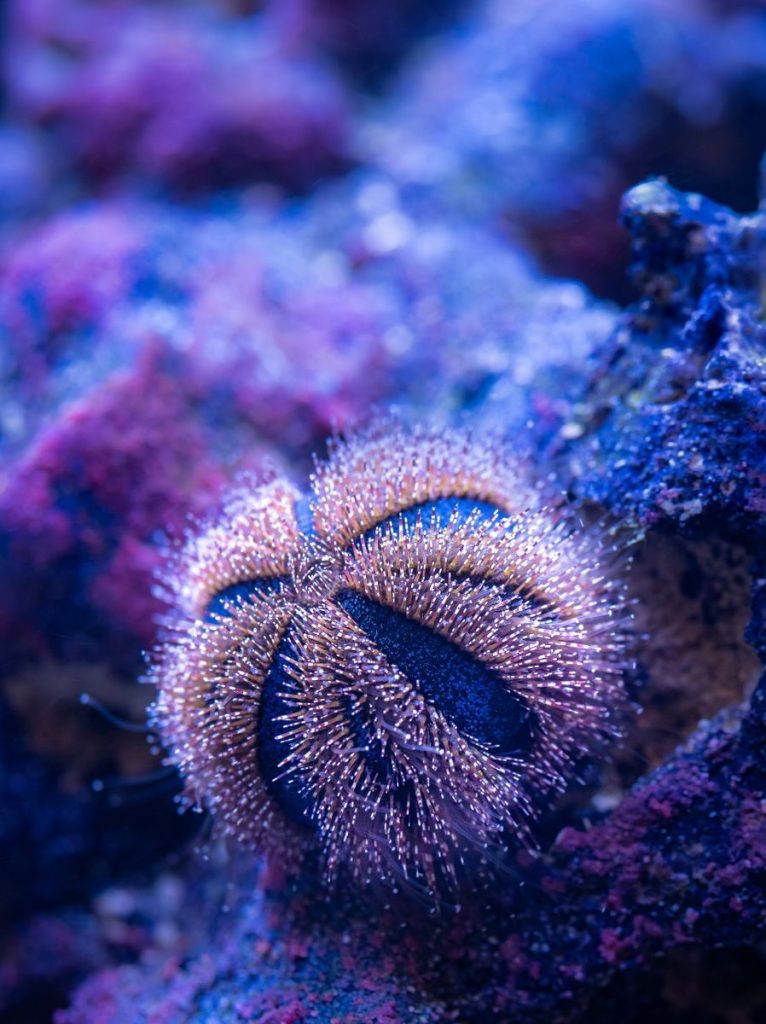
Close-up of a purple sea urchin on colorful coral reefs showcasing underwater beauty.
Photo by William Warby on Pexels

Large red sea urchins along the Pacific coast of North America may live for well over a century, with some estimates reaching approximately 200 years. Researchers determine age through growth patterns and chemical methods because older urchins continue growing slowly rather than reaching an obvious fixed size.

Freshwater Pearl Mussel

Close-up of fresh mussels served in a bowl, highlighting their rich texture.
Photo by João Goncalves on Pexels

Freshwater pearl mussels are exceptionally slow-growing animals found in clean rivers. Several populations contain individuals older than 100 years, and maximum estimates across long-lived freshwater mussel species approach 190 years. Their survival depends heavily on healthy rivers and suitable host fish for their larvae.

Featured Image: Photo by Optical Chemist on Pexels
Post navigation

Previous: 8 Animals With Extraordinary Physical Power

Related Posts

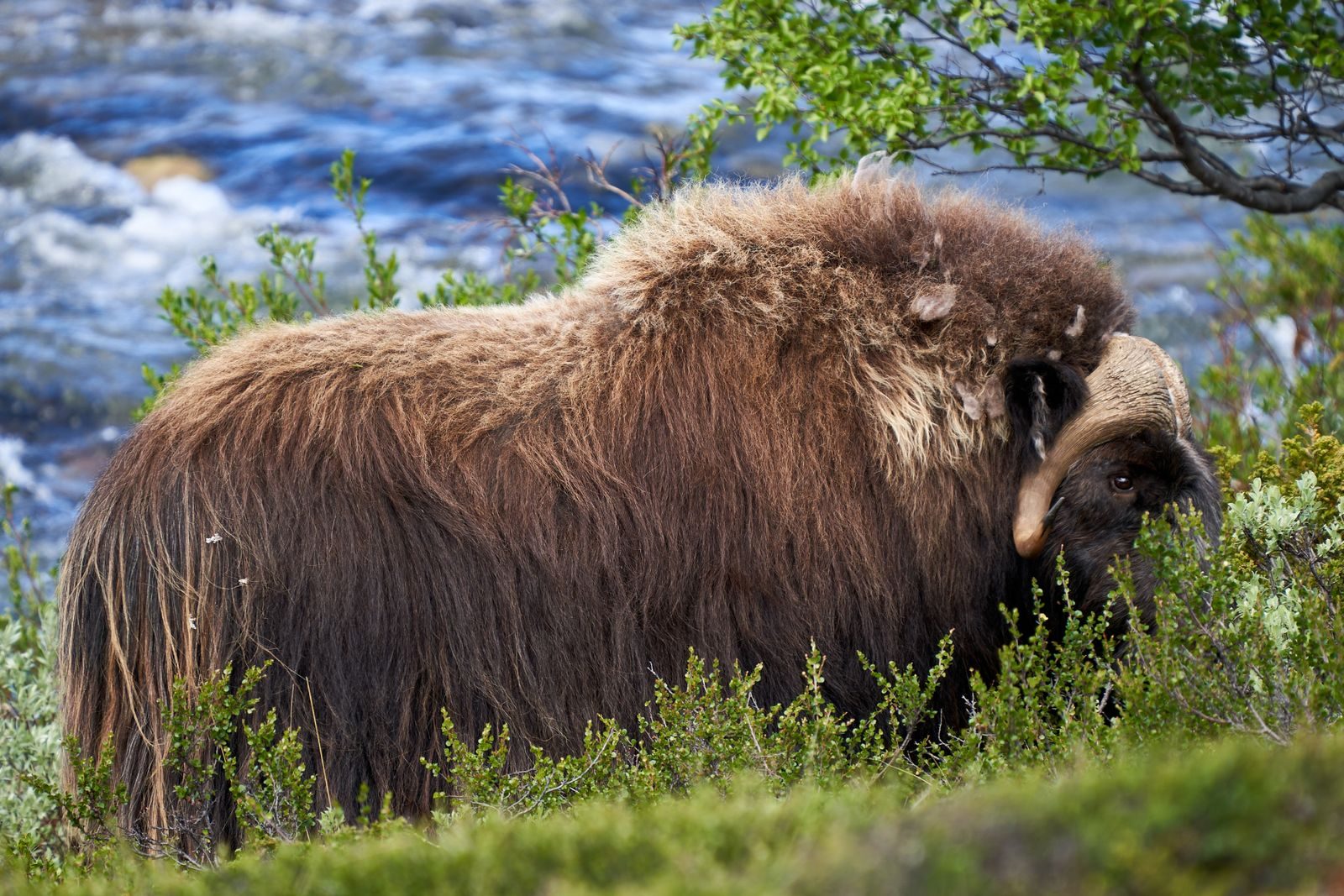
A close-up of a musk ox grazing in the lush green wilderness of Hjerkinn, Norway.

8 Animals With Extraordinary Physical Power

August 6, 2026August 5, 2026 Jake
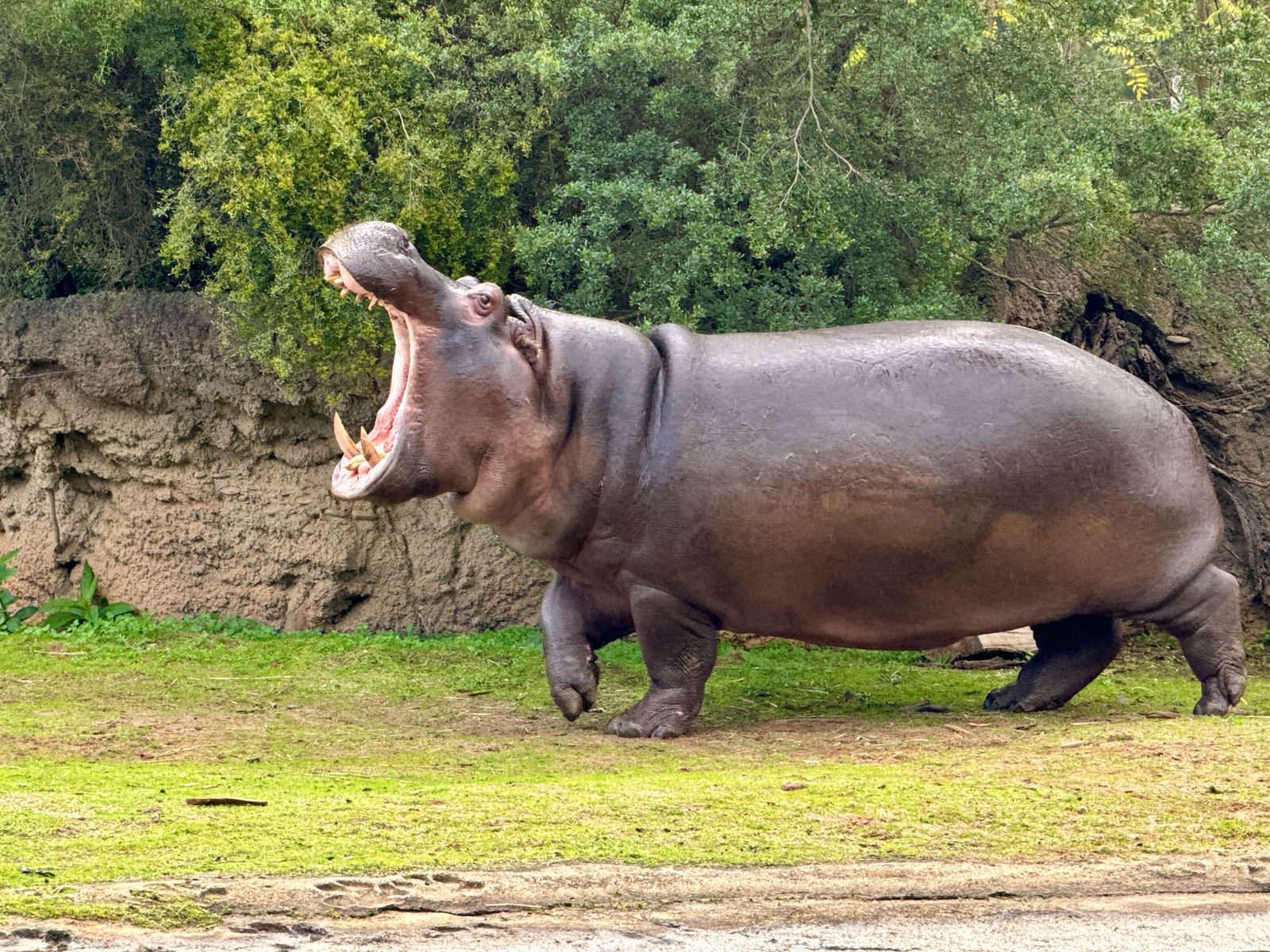
A large hippopotamus yawning in an outdoor zoo setting in Werribee South, Australia.

9 of the Loudest Animals Ever Measured

August 6, 2026August 5, 2026 Jake
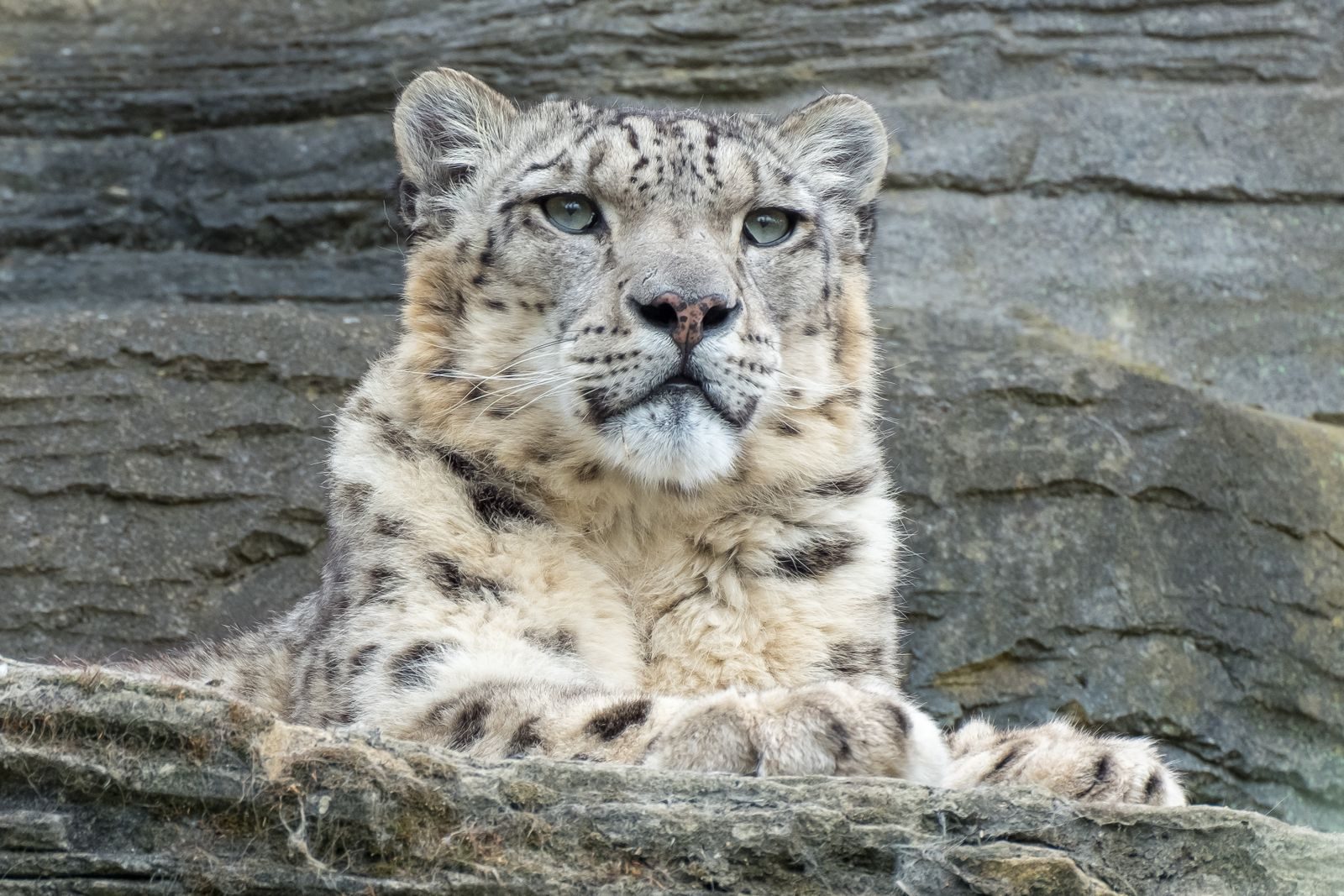
Close-up of a snow leopard resting against rocky terrain, showcasing its beauty and elegance.

The Scientist Who Spent 20 Years Studying Snow Leopards

August 5, 2026August 5, 2026 Jake

Leave a Reply Cancel reply

Your email address will not be published. Required fields are marked *

Recent Posts

  • 8 of the Oldest Animals Ever Documented
  • 8 Animals With Extraordinary Physical Power
  • 9 of the Loudest Animals Ever Measured
  • Why a Doe May Return to the Same Door With Her Fawn
  • One of the World’s Rarest Wild Cats Lives in the Andes
Copyright All Rights Reserved | Theme: BlockWP by Candid Themes.