Animal power can mean several things. An elephant has enormous absolute strength, while a beetle can pull many times its own weight. Other animals rely on crushing bites, explosive strikes, or specialized muscles.
There is no single scientific ranking that compares every form of strength fairly. These eight animals demonstrate some of the most impressive physical abilities measured or documented in nature.
African Elephant
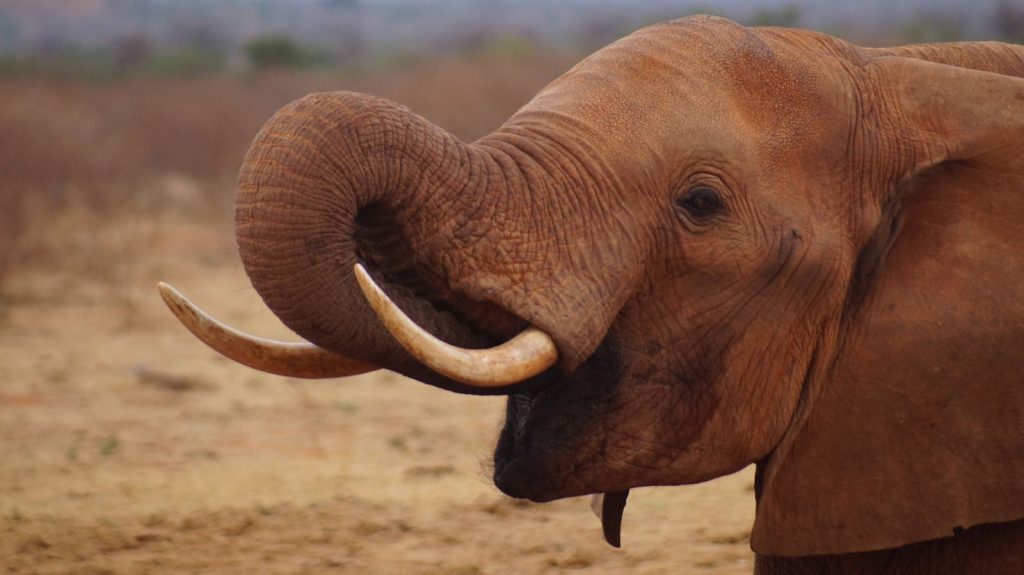
An elephant’s trunk combines strength with extraordinary control. It contains approximately 150,000 muscle units and can move heavy branches, lift objects, collect food, and handle delicate items. Wild elephants have also been observed pushing over trees and moving logs while feeding or changing their surroundings.
Dung Beetle
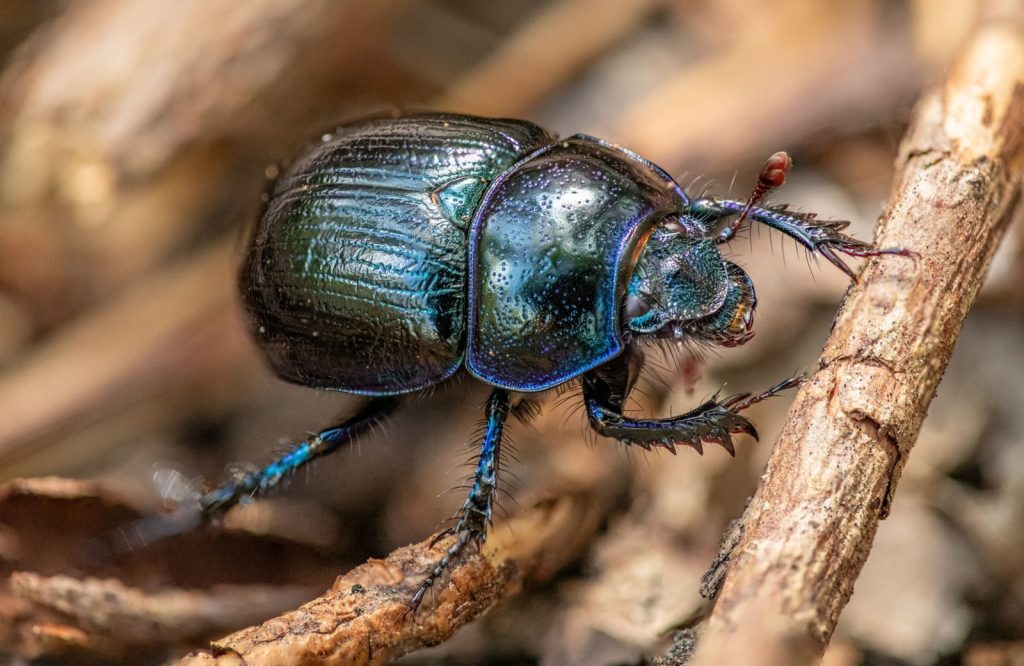
The horned dung beetle Onthophagus taurus is famous for strength relative to body size. In laboratory tests, the strongest individual pulled 1,141 times its own weight. That would be roughly comparable to an average person pulling several fully loaded buses, although comparisons across species remain approximate.
Saltwater Crocodile
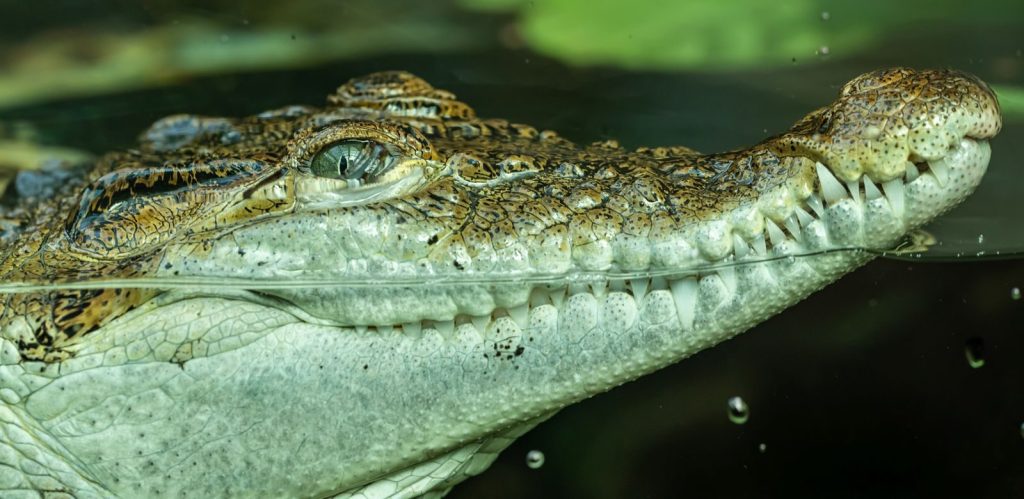
Saltwater crocodiles possess the strongest bite directly measured in a living animal. Researchers recorded a maximum bite force of 16,414 newtons from a large individual. Their wide jaws, powerful closing muscles, and conical teeth allow them to seize large prey and hold it securely.
Western Gorilla
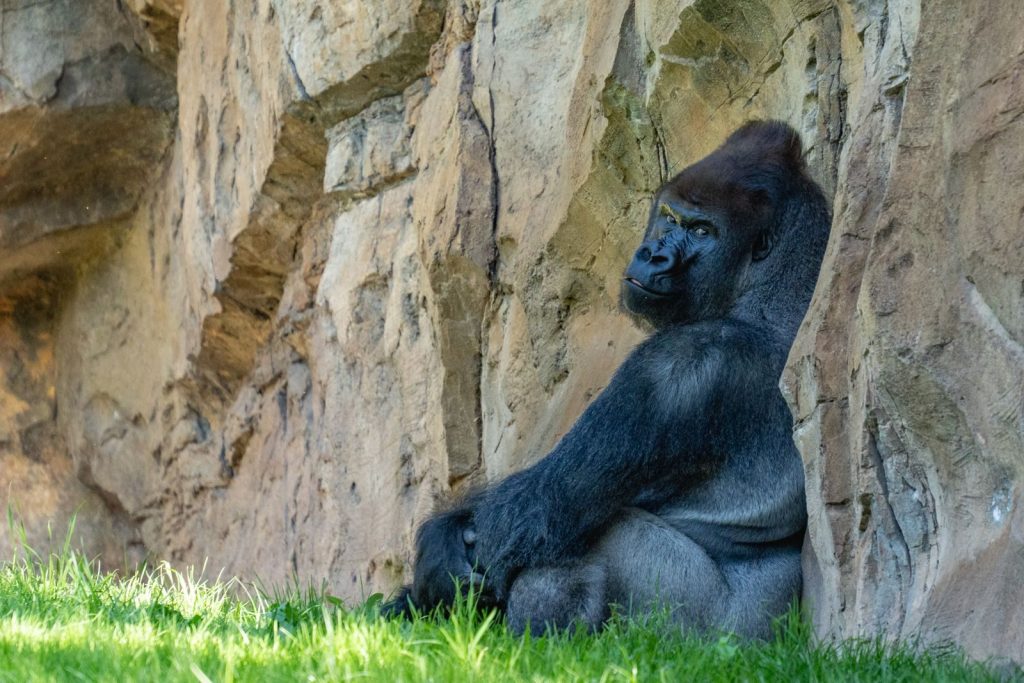
Western gorillas are the largest living primates. Adult males can weigh around 300 pounds on average, with exceptional individuals reaching approximately 500 pounds. Their long arms, broad shoulders, and powerful jaw muscles support climbing, feeding, display behavior, and defence, but popular claims that gorillas are exactly “ten times stronger” than humans are not scientifically established.
Tiger
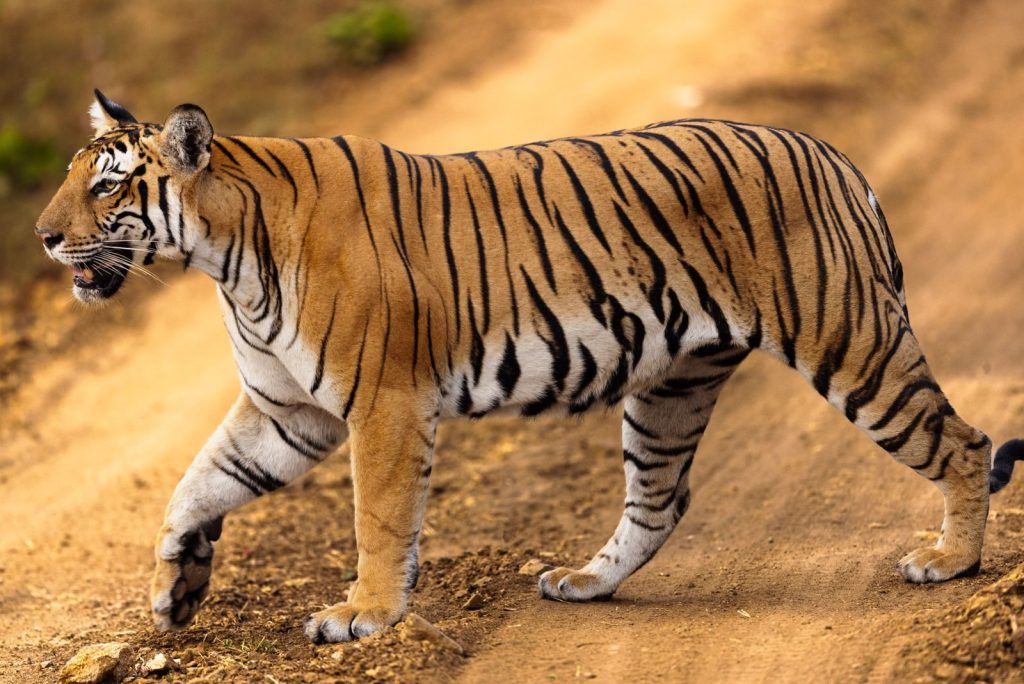
Tigers combine muscular bodies with speed, balance, and stealth. They usually hunt alone, approaching prey quietly before making a short rush. Strong forelimbs help bring an animal down, while powerful jaws and long canine teeth deliver a bite to the neck or throat.
Jaguar
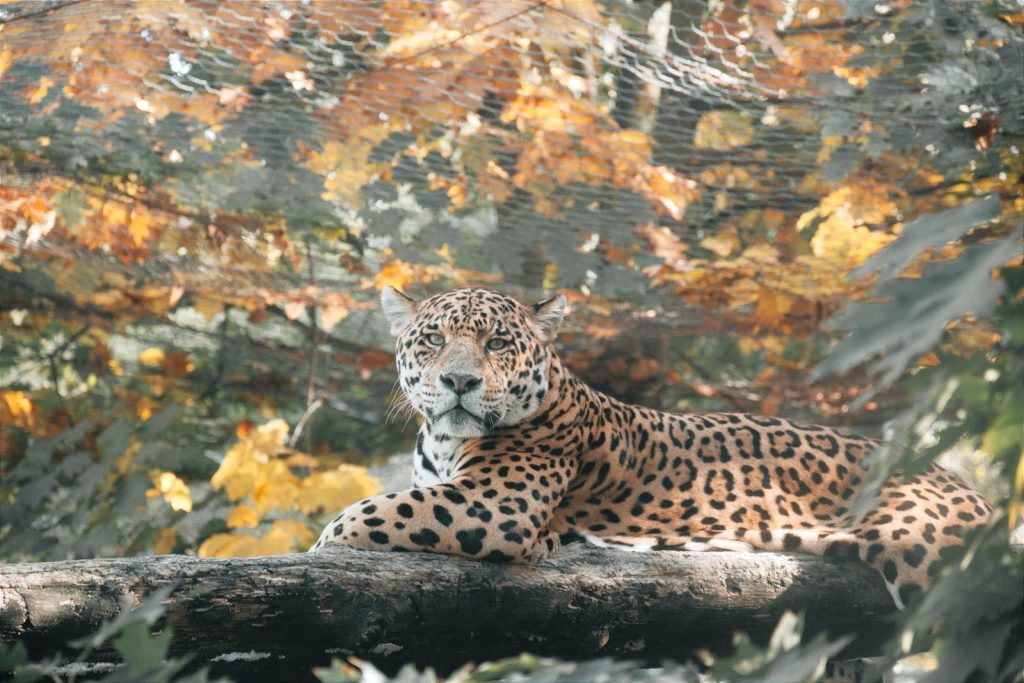
Jaguars have unusually powerful jaws for their size. Unlike many large cats that commonly suffocate prey with a throat bite, jaguars can drive their canine teeth through thick hides, turtle shells, or the skulls of some prey. Their compact bodies also make them capable climbers and swimmers.
Mantis Shrimp
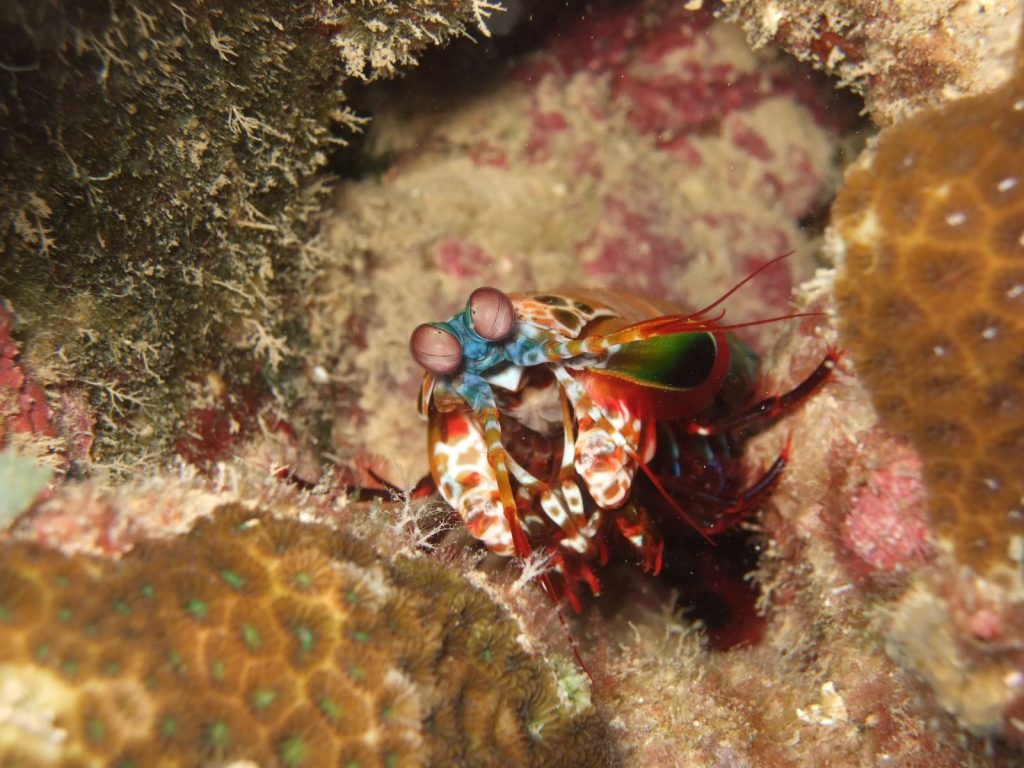
A mantis shrimp’s striking limb can accelerate through water at approximately 12 to 23 metres per second. The movement creates cavitation bubbles that collapse with additional force. Even if the limb does not make perfect contact, the resulting pressure and shock can stun or damage nearby prey.
Leafcutter Ant
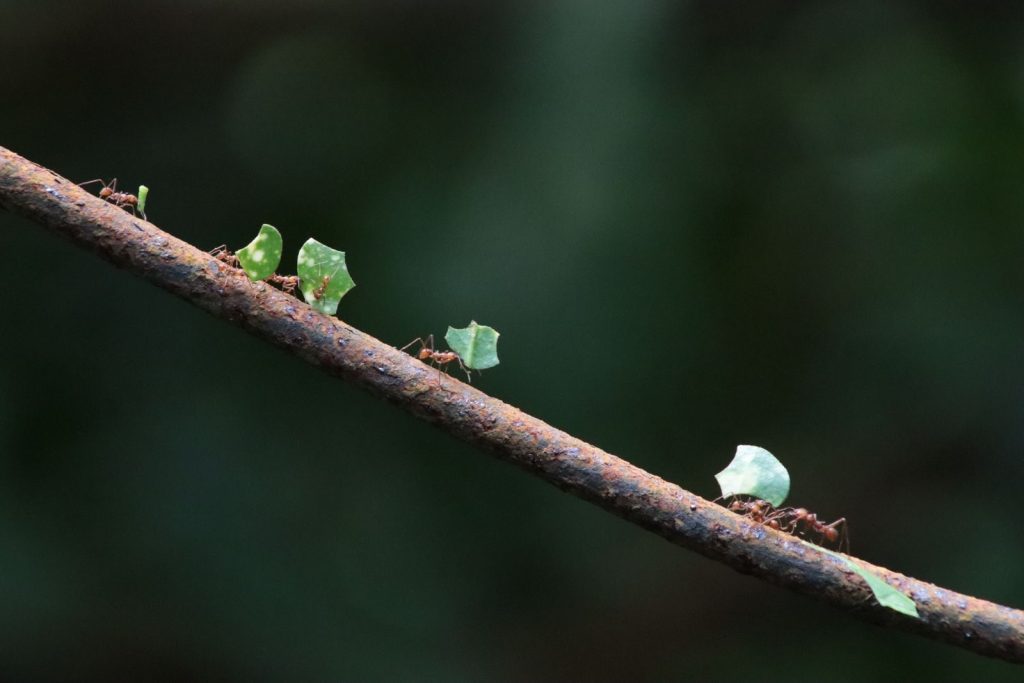
Leafcutter ants carry plant pieces back to underground nests where the material is used to grow fungus for food. Some workers can lift and transport pieces weighing several times their own body weight. Their strength is especially impressive because it is combined with balance and coordinated movement along crowded forest trails.
Featured Image: Photo by Robert Pügner on Pexels