Australia is famous for dangerous wildlife, but many native animals present little risk when watched from a respectful distance. Problems are more likely when animals are cornered, fed, touched, or disturbed.
No wild animal can honestly be called completely harmless. These eight species are generally peaceful around people, but they should still be allowed to move, feed, and rest without interference.
Quokka
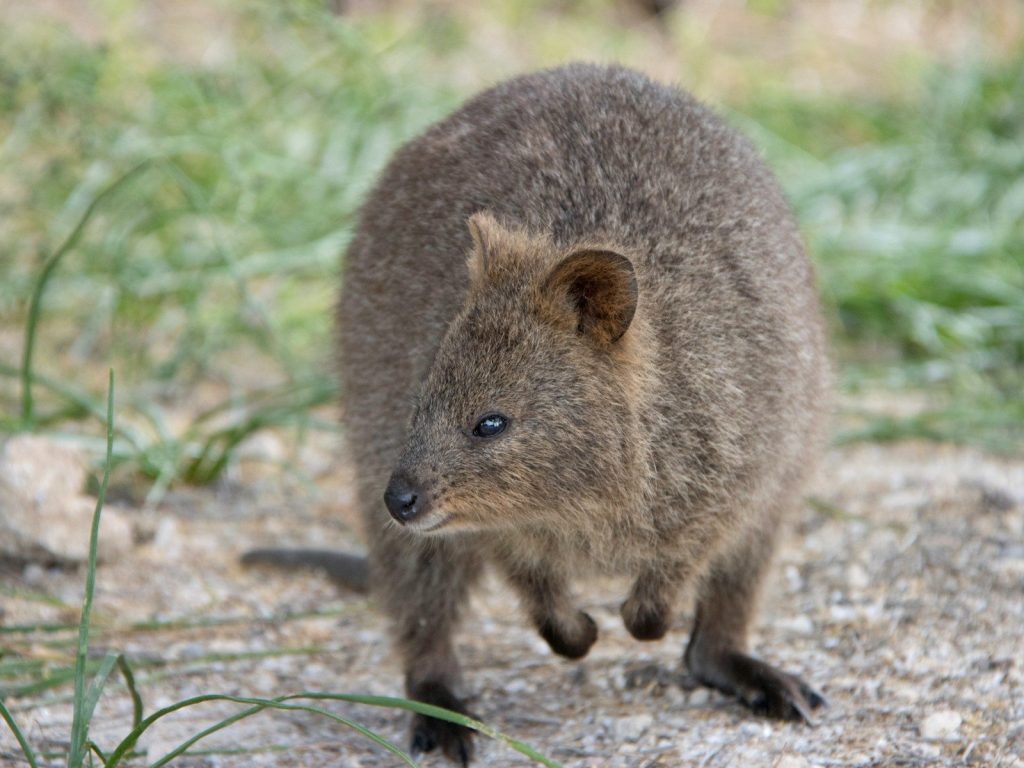
Quokkas are small wallabies found mainly in Western Australia. They eat vegetation and are not natural hunters of people or other large animals. Their rounded faces have made them popular in photographs, but visitors should not touch or feed them. Human food can make wildlife sick and encourage unsafe interactions.
Koala

Koalas spend much of their lives resting and feeding in eucalyptus trees. They usually avoid conflict and are more interested in conserving energy than approaching people. However, koalas have strong claws for climbing and may defend themselves when frightened, injured, or handled. Watching quietly from the ground is the safest approach.
Wombat
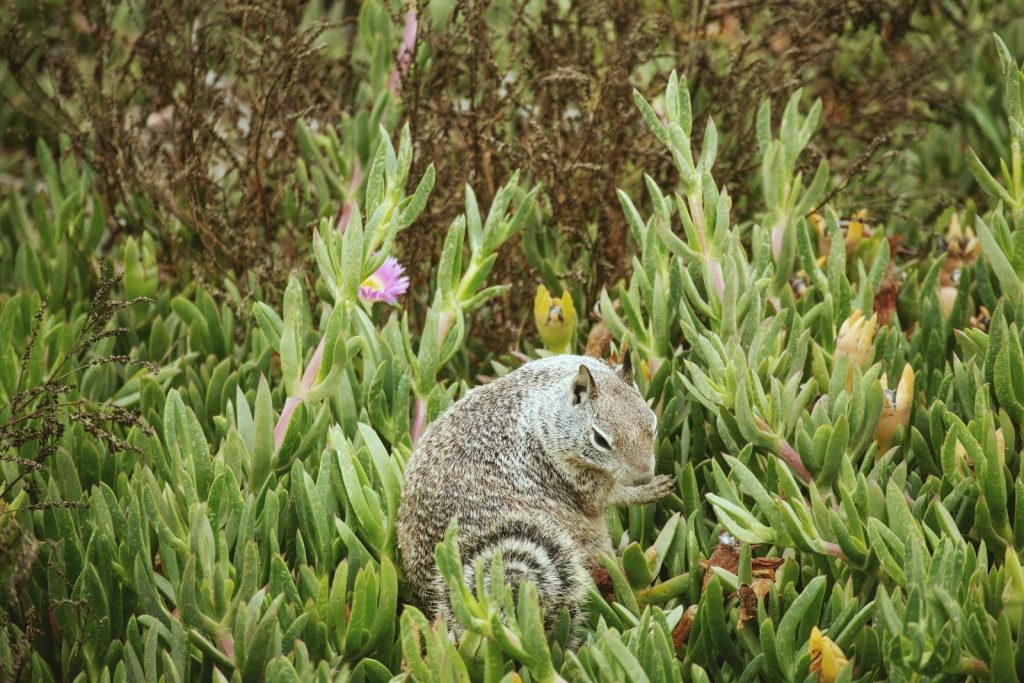
Wombats are powerful burrowing marsupials that usually graze at night. They are not normally aggressive toward people, but their solid bodies, teeth, and claws can cause injury if they feel trapped. Encounters are safest when people avoid blocking burrow entrances and give a moving wombat room to pass.
Echidna

The short-beaked echidna is an egg-laying mammal covered in protective spines. When threatened, it commonly curls up or digs into the ground rather than chasing an attacker. Its spines can still hurt, so an echidna should never be picked up or forced to uncurl for a photograph.
Platypus

Platypuses are shy, mostly solitary animals that spend much of their time in freshwater habitats. They normally retreat from people, but adult males have venomous spurs on their hind ankles. The venom is not considered normally fatal to humans, although it can cause intense pain. Observation from the bank is best.
Wallaby
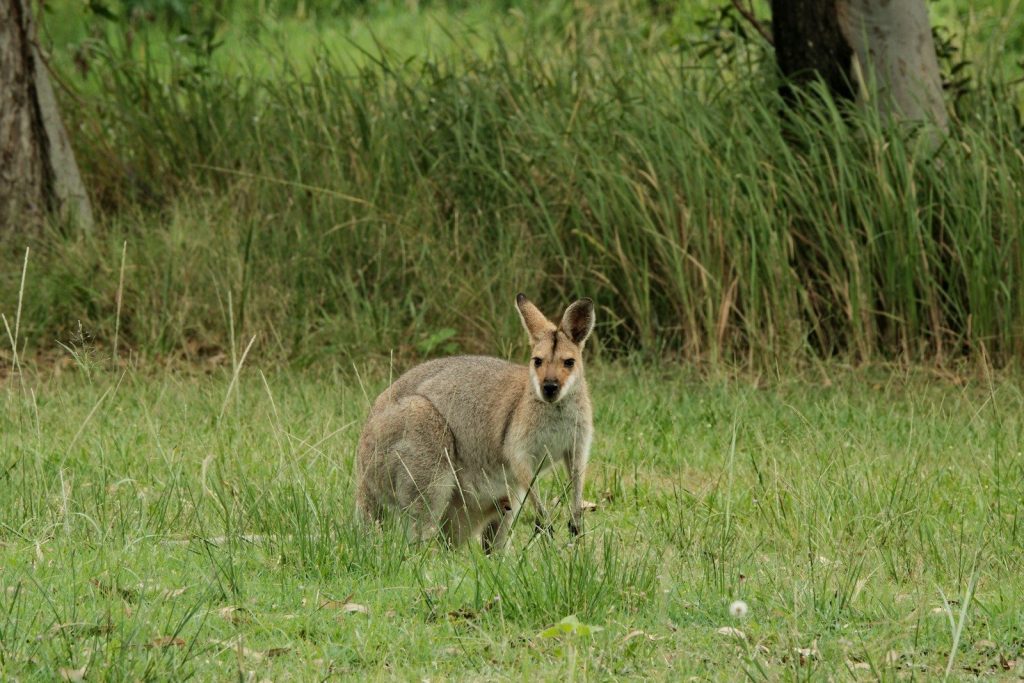
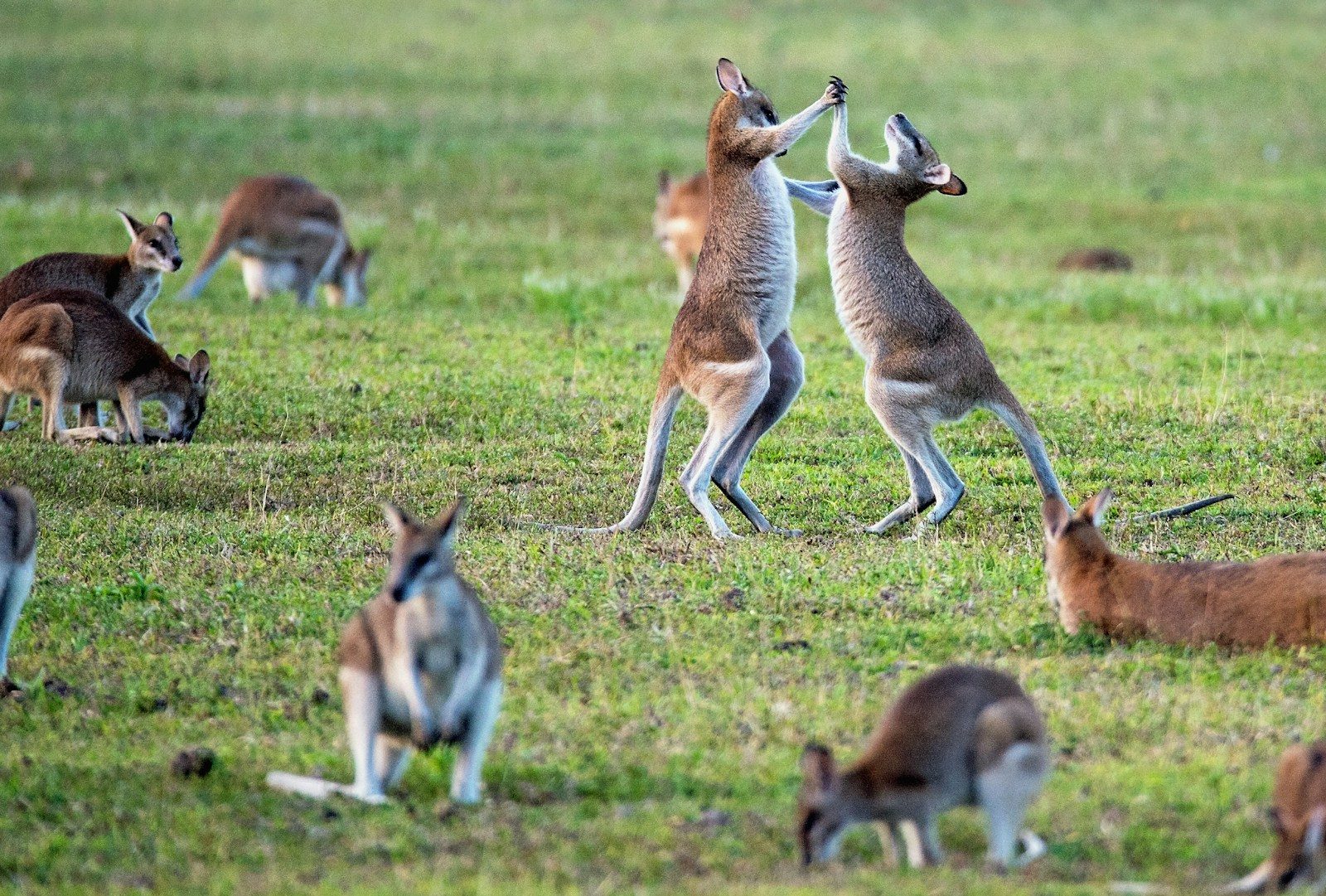
Wallabies are smaller relatives of kangaroos and usually move away when people approach. Like all macropods, they can kick or scratch when cornered or accustomed to being fed. Wildlife authorities advise keeping a safe distance, avoiding direct confrontation, and never positioning yourself between an adult and its young.
Brushtail Possum
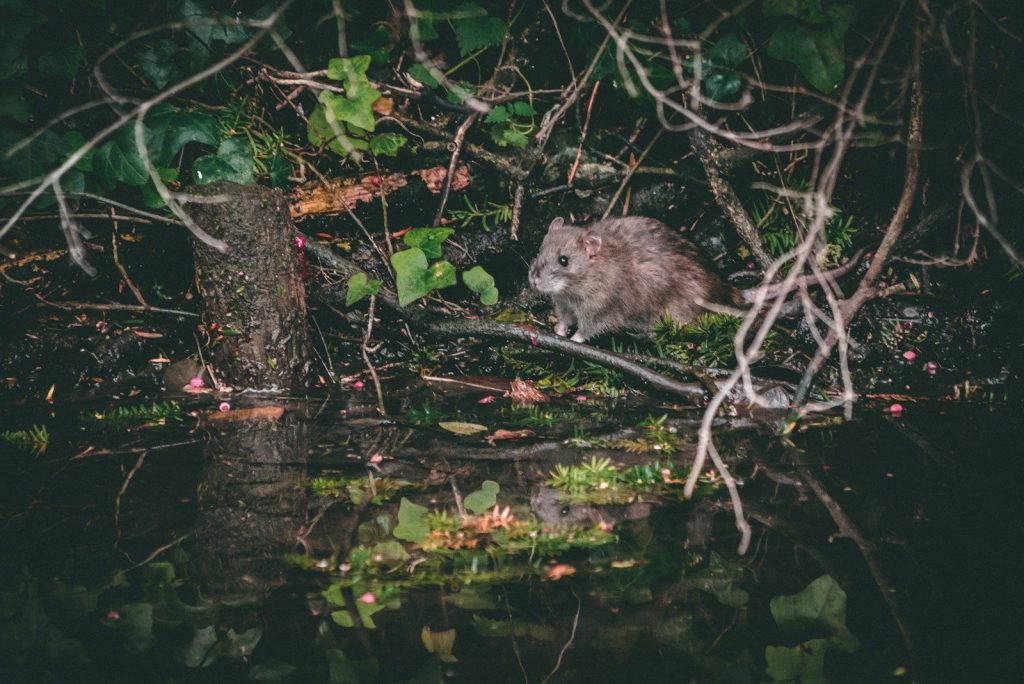
Common brushtail possums have adapted well to Australian towns and cities. They may visit roofs, gardens, and trees after dark, but they are not looking for a fight. A possum may bite or scratch when captured, so householders should secure food and entry points rather than attempting to grab the animal.
Little Penguin

Little penguins are the world’s smallest penguin species and come ashore along parts of southern Australia. They are vulnerable to disturbance, pets, bright lights, and crowds near their nesting areas. Watching from designated viewing locations protects both the birds and visitors while allowing the colony to continue its natural routine.
Featured Image: Photo by David Clode on Unsplash