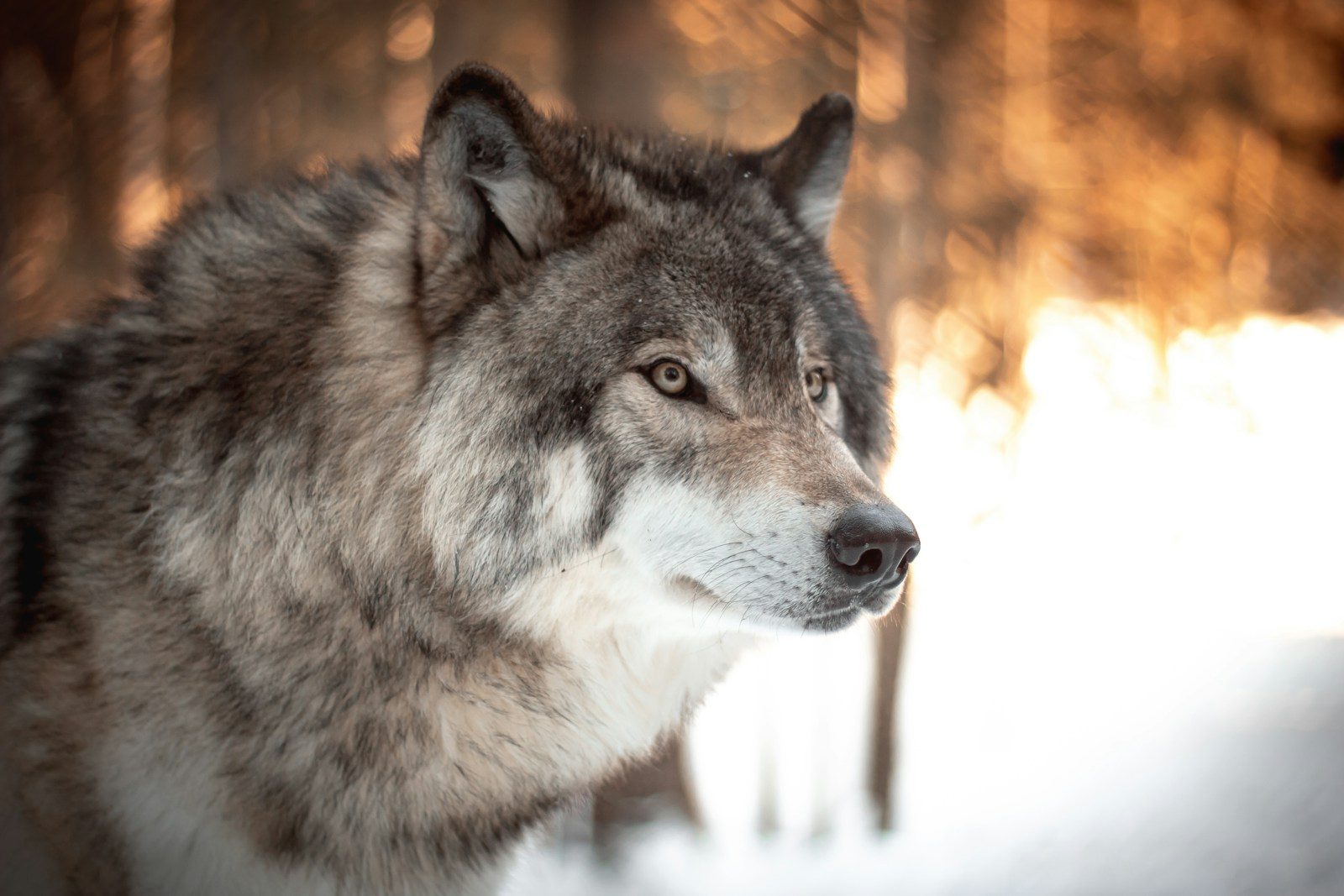
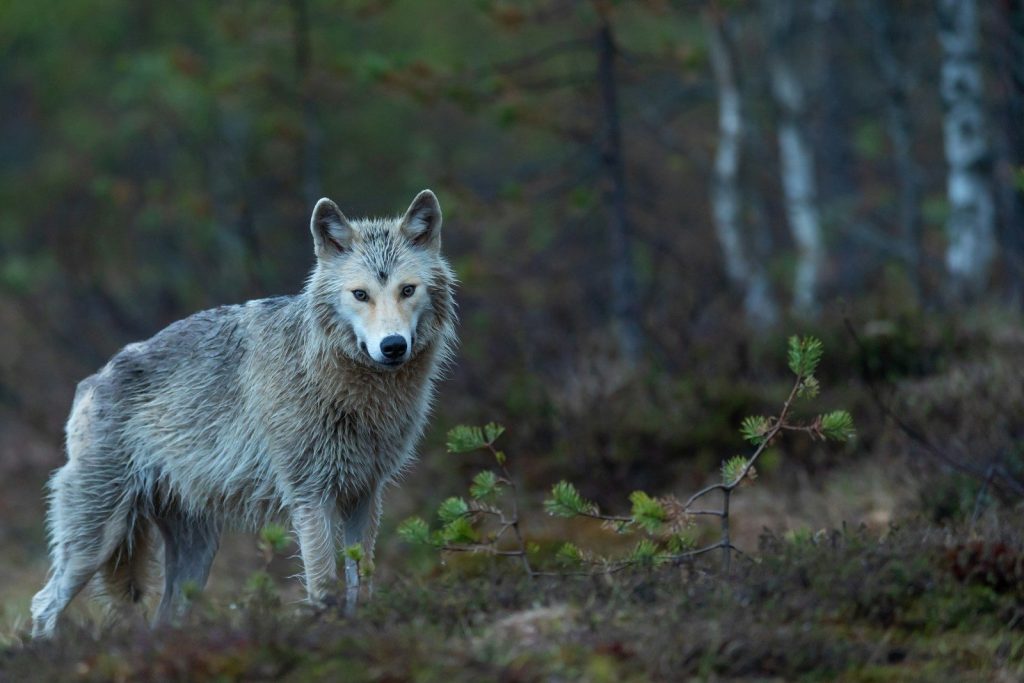
The gray wolf population on Isle Royale National Park has reached its highest level in nearly 50 years. Scientists now estimate that 37 wolves are living on the remote island chain in Lake Superior, while the moose population has dropped to around 524 animals.
Researchers say the numbers suggest the island’s ecosystem may finally be returning to a healthier balance between predators and prey after years of instability.
Scientists Have Studied the Island Since 1958
Isle Royale’s wolf and moose populations have been closely monitored for decades. The long-running research project is considered the world’s longest continuous predator-prey study.
Scientists track animals by flying over the island, following footprints, and studying kill sites during the winter months.
Wolves Were Once Nearly Gone
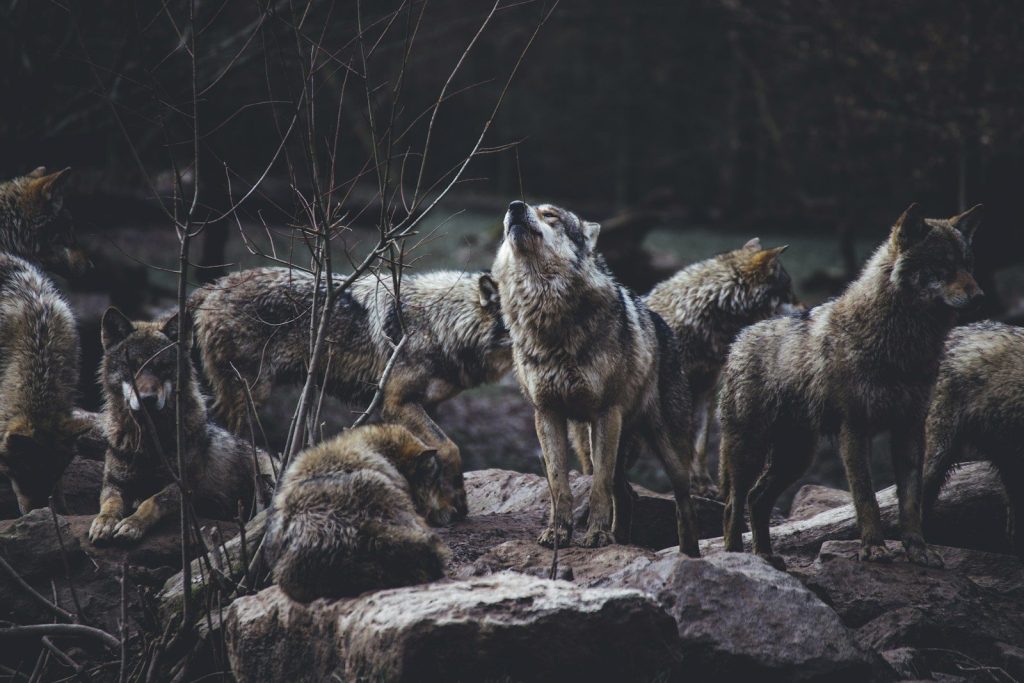
At one point, the island’s wolf population dropped to just two highly inbred animals. Low genetic diversity threatened the survival of the predators and disrupted the natural balance of the ecosystem.
To help restore the population, the National Park Service brought 19 wolves from other regions to the island in 2018 and 2019.
The Relocated Wolves Are Thriving
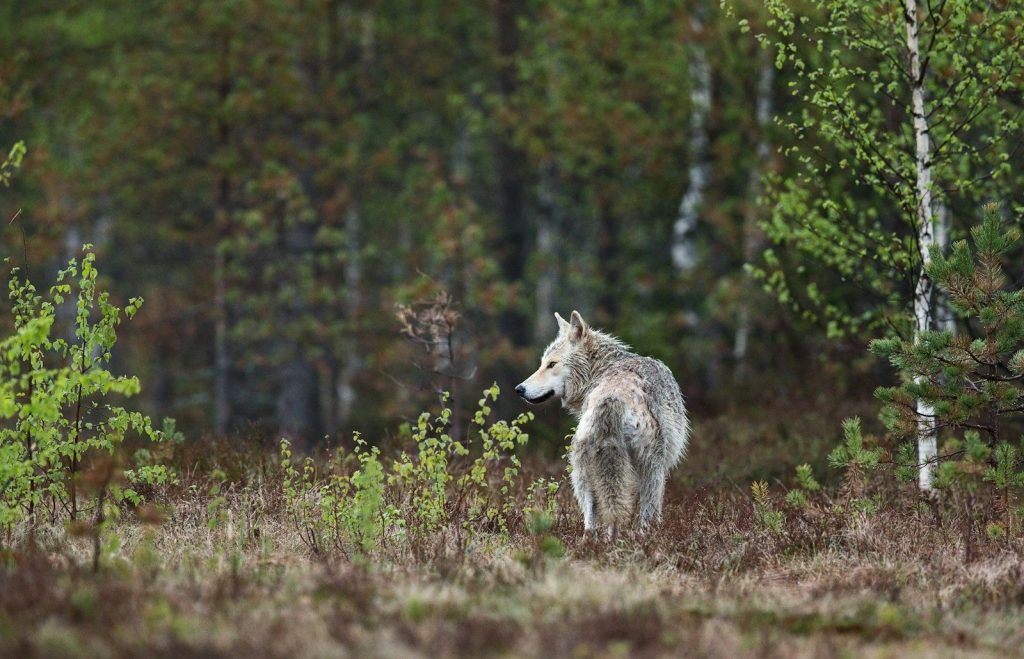
The wolf relocation program now appears to be working successfully. Researchers have observed several litters of wolf pups since the new animals arrived on Isle Royale.
The 37 wolves currently living on the island are divided into three packs known as the West Pack, East Pack, and Northeast Pack.
Moose Numbers Are Falling Again
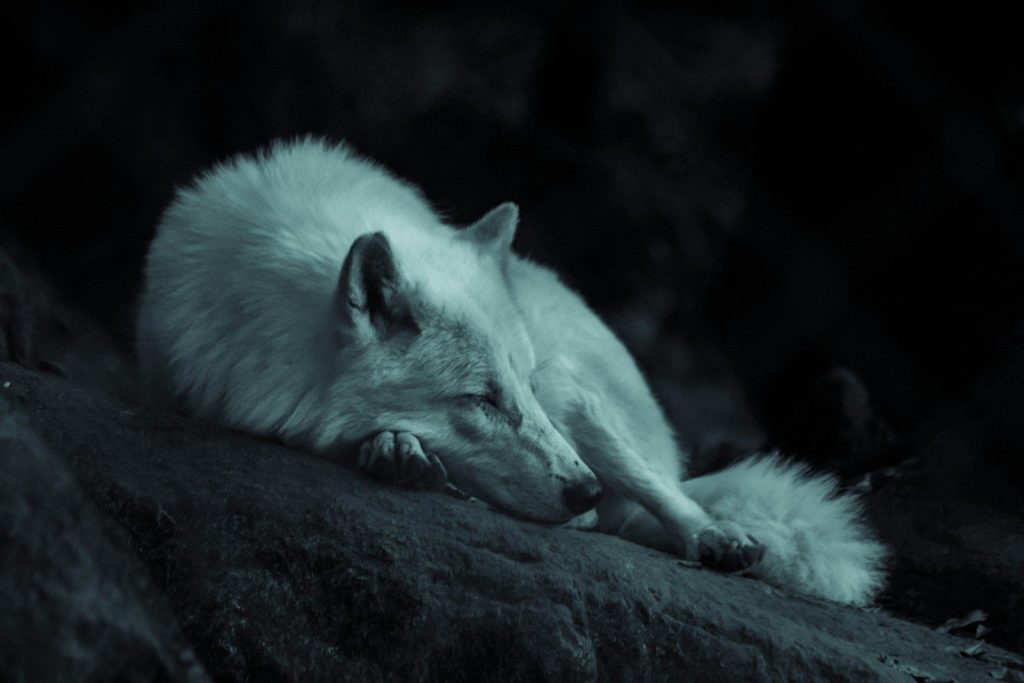
As wolf populations increased, moose numbers began declining. Scientists believe wolves killed roughly 24 percent of the island’s moose population over the past year.
For the first time since the study began, researchers did not observe a single moose calf during this year’s winter survey.
Moose Had Damaged Important Forest Growth
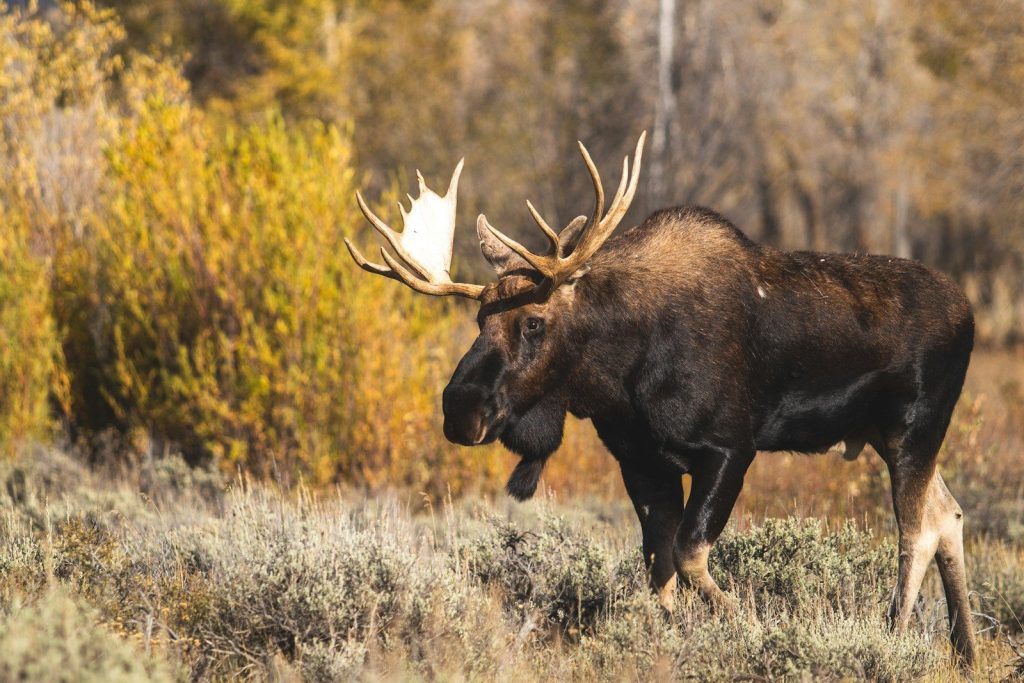
For years, large moose populations heavily fed on young balsam fir trees across the island. These trees are one of the moose’s main winter food sources.
Scientists say the forests are still struggling to recover from years of overbrowsing, and tree growth remains unusually low.
The Ecosystem May Soon Reach Another Turning Point
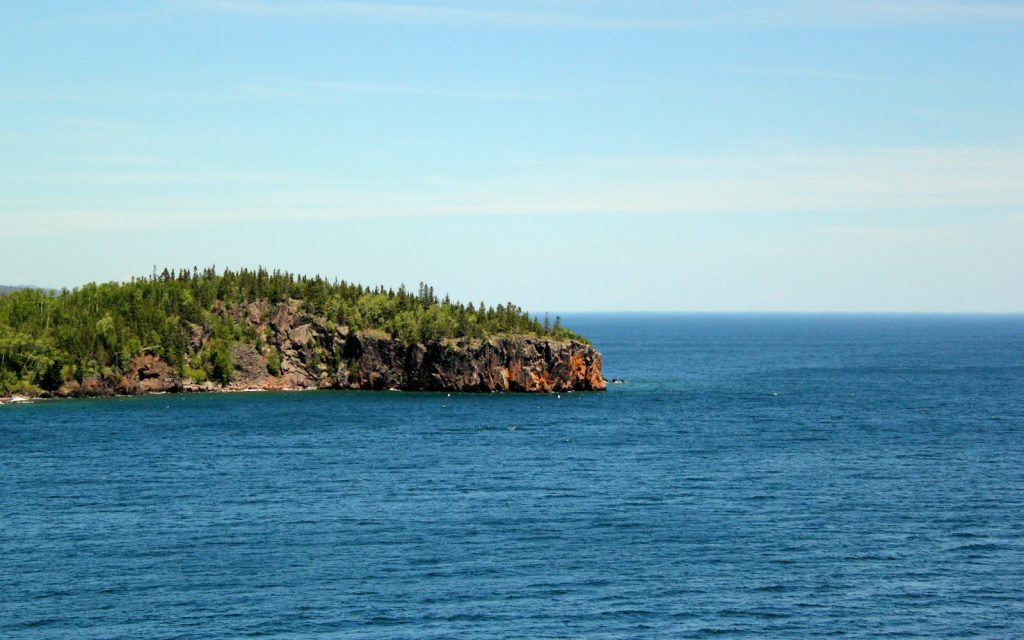
Researchers believe the island could soon reach another population shift. As moose become less available for food, wolf numbers may eventually begin declining as well.
Experts say predator and prey populations naturally rise and fall over time, especially in isolated ecosystems like Isle Royale.
Isle Royale Remains a Rare Natural Experiment

The island’s isolation has allowed scientists to study how predators, prey, forests, and climate interact over long periods of time.
Researchers say Isle Royale continues to provide one of the clearest examples in the world of how wildlife populations shape entire ecosystems.