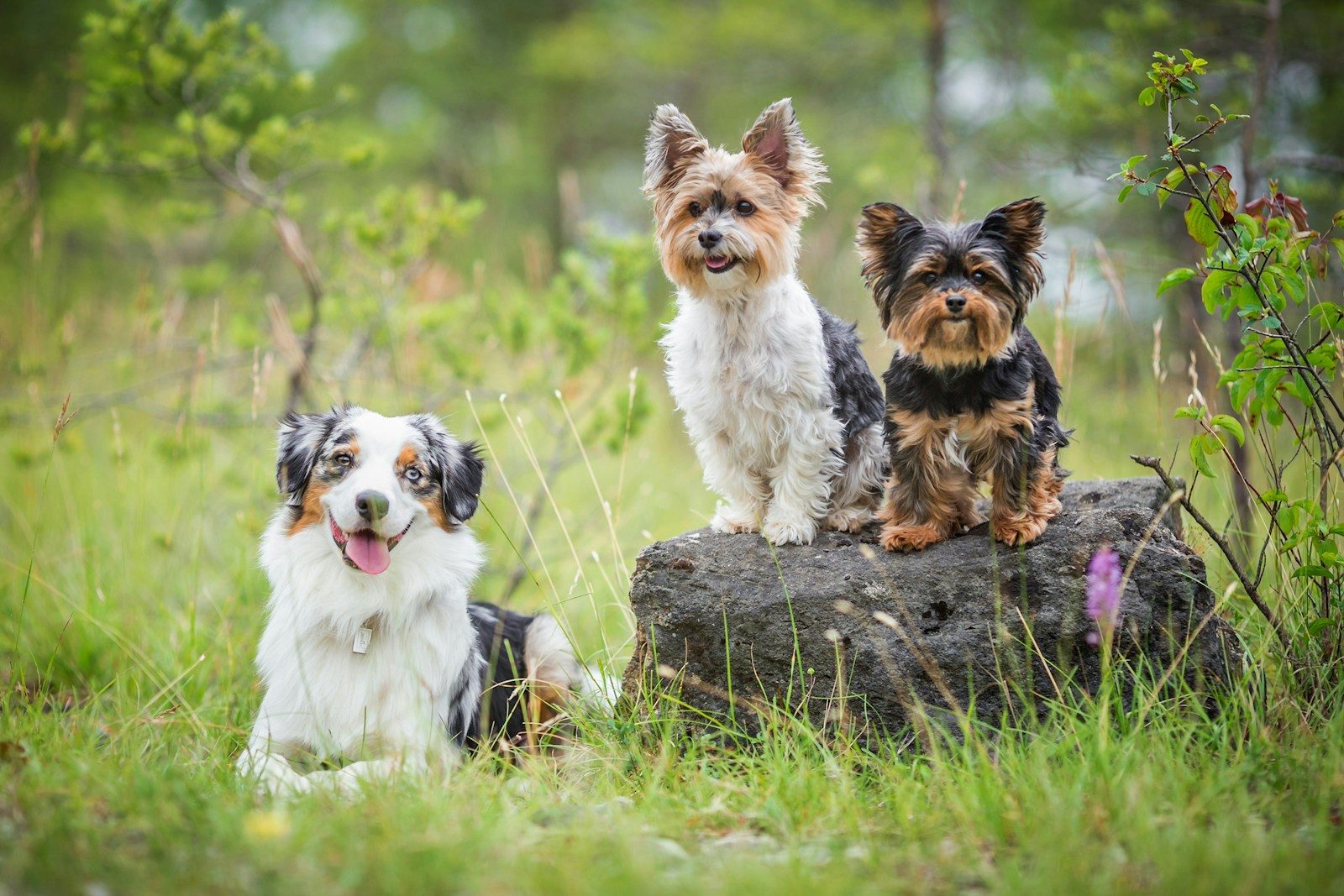
Anyone who has reunited with a dog after months, or even years, has likely witnessed an emotional greeting that raises an interesting question: how long do dogs actually remember their owners? While scientists cannot pinpoint an exact number of days or years, research has shown that dogs possess impressive long-term memory, particularly when it comes to familiar people. Rather than relying on memory alone, dogs recognize their owners through a combination of scent, voice, appearance, and positive experiences. Together, these cues create lasting bonds that can persist for many years.
Dogs Have Strong Long-Term Social Memory

Unlike short-term memory, which helps dogs remember recent events, long-term social memory allows them to recognize individuals they’ve formed meaningful relationships with.
Studies suggest that dogs can remember familiar humans for years, especially owners who provided regular care, affection, and training. These memories become deeply associated with feelings of safety and companionship.
Their Sense of Smell Plays a Major Role
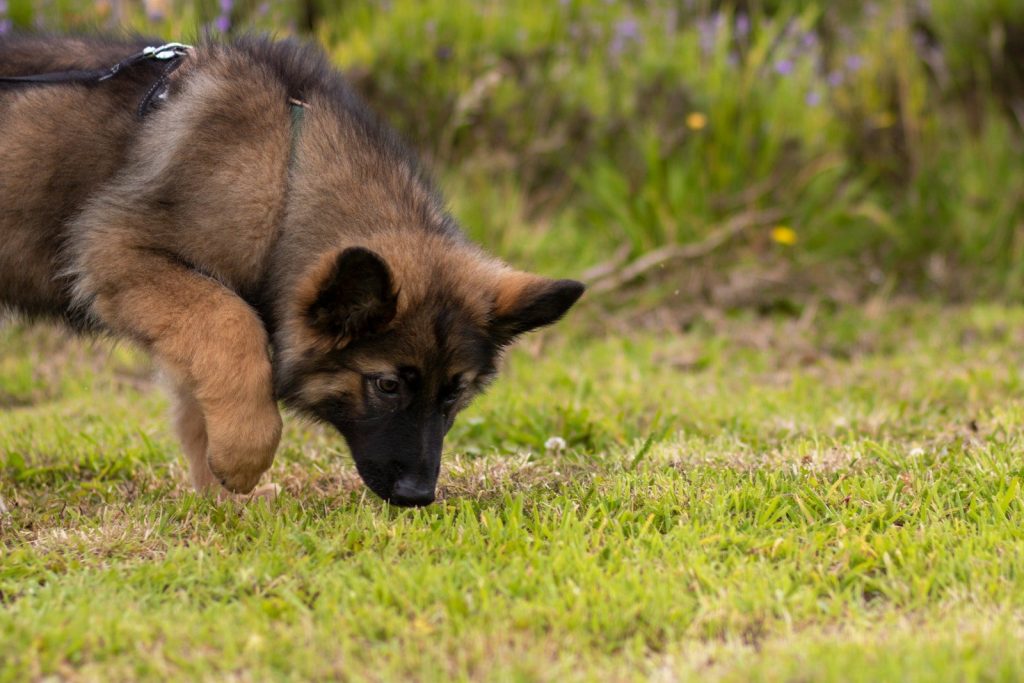
A dog’s nose is its most powerful memory tool. With hundreds of millions of scent receptors, dogs can recognize a person’s unique scent long after they’ve been apart.
Even if someone’s appearance changes over time, their scent remains a reliable source of recognition, helping explain why many dogs instantly identify former owners after long separations.
Familiar Voices Also Trigger Recognition

Dogs don’t rely solely on scent. Research has shown that they can distinguish familiar voices and respond differently to people they know compared to strangers.
Hearing an owner’s voice can trigger excitement and recognition, particularly when combined with other familiar cues such as body language and scent.
Positive Experiences Strengthen Memory

Dogs are especially good at remembering experiences linked to strong emotions. Daily routines, playtime, training sessions, and affectionate interactions all reinforce the bond between a dog and its owner.
The more positive experiences a dog shares with someone, the stronger and more enduring those memories are likely to become.
Puppies Begin Forming Lasting Bonds Early
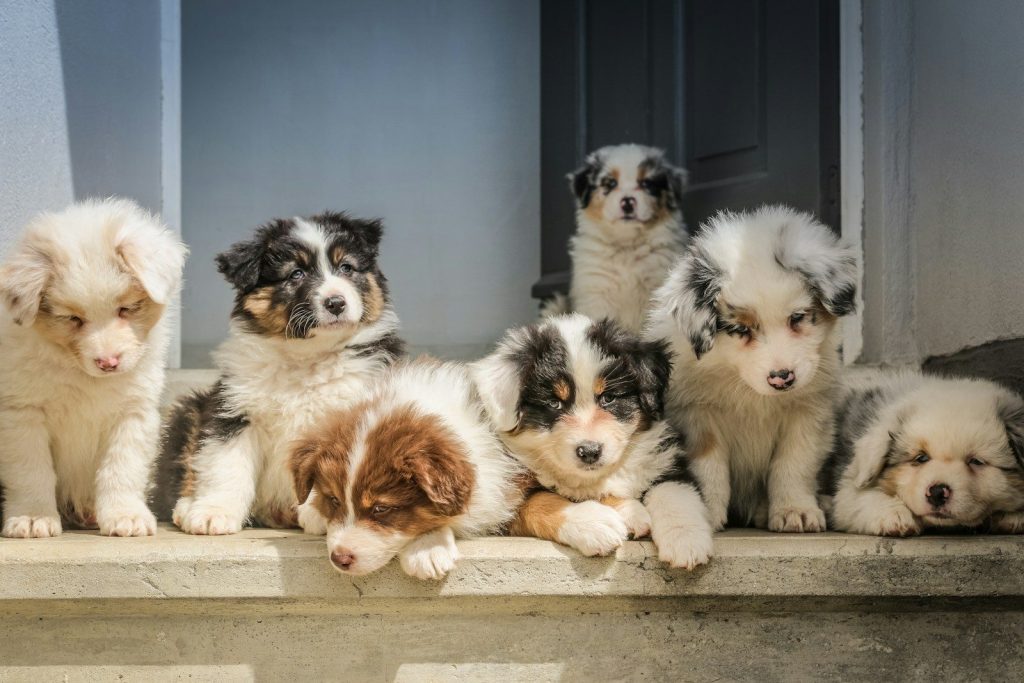
The socialization period during a puppy’s first few months is especially important. During this stage, dogs quickly learn to recognize and trust the people who care for them.
These early relationships often become the foundation for lifelong social memory, helping explain why many dogs remain attached to owners they knew from a young age.
Every Dog’s Memory Is Different
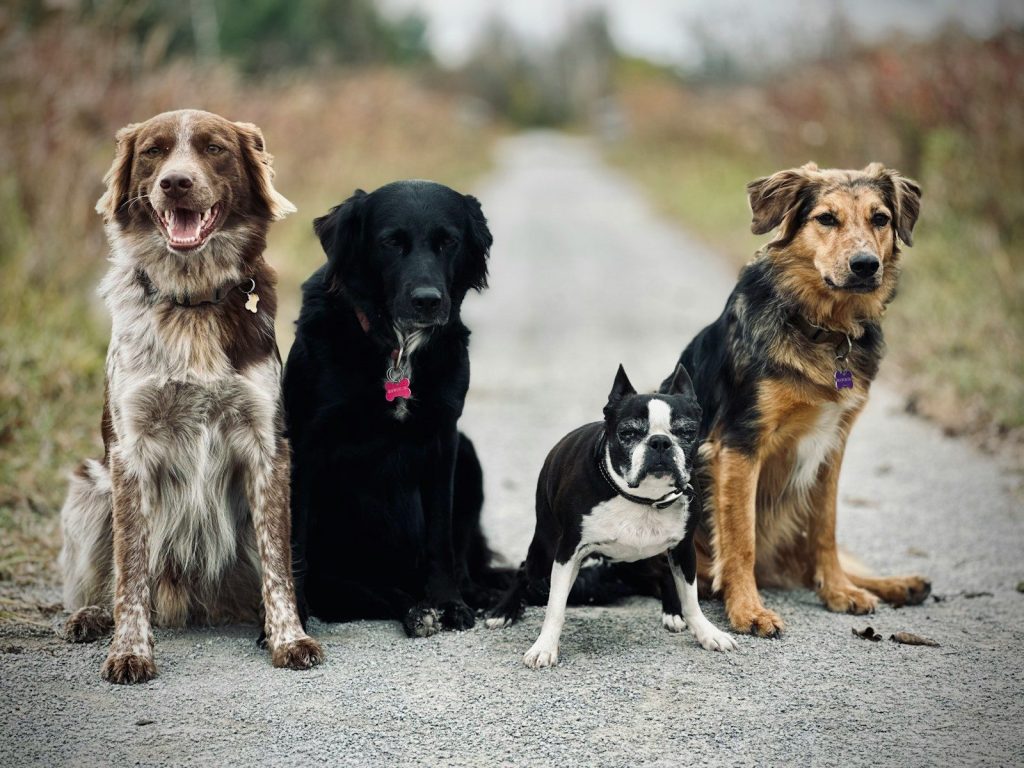
While research confirms that dogs can remember important people for years, factors such as age, health, and life experiences influence how memory functions. Older dogs or those with cognitive decline may gradually lose some recognition abilities.
Even so, healthy dogs typically retain strong memories of the people who played significant roles in their lives. Their remarkable ability to recognize owners through scent, sound, and emotional association is one of the many reasons dogs continue to be celebrated as loyal lifelong companions.
Featured Image: Photo by Colins Chakma on Unsplash