Skip to content

Recent Posts

  • Seven Giant Snakes and Their Verified Size Records
  • 8 of the Oldest Animals Ever Documented
  • 8 Animals With Extraordinary Physical Power
  • 9 of the Loudest Animals Ever Measured
  • Why a Doe May Return to the Same Door With Her Fawn

Most Used Categories

  • Nature & Wildlife (709)
  • Risk (60)
  • Human Interest (36)
  • Exotic Animals (22)
  • Hunting (19)
  • Survival (18)
  • Bees/Swarms fear (14)
  • Suspense (10)
  • Adventure (3)
  • Gears (2)
Skip to content
  • About Us
  • Contact Us
  • Disclaimer
  • Privacy Policy
  • Terms & Conditions

Hive Hunters Tales

  • Suspense
  • Nature & Wildlife
  • Human Interest
  • Hunting
  • Bees/Swarms fear
  • Exotic Animals
  • Risk
  • Survival
  • Adventure
  • Gears
  • Home
  • Nature & Wildlife
  • Why Do Hummingbirds Hover While Feeding? The Science Behind Their Incredible Flight
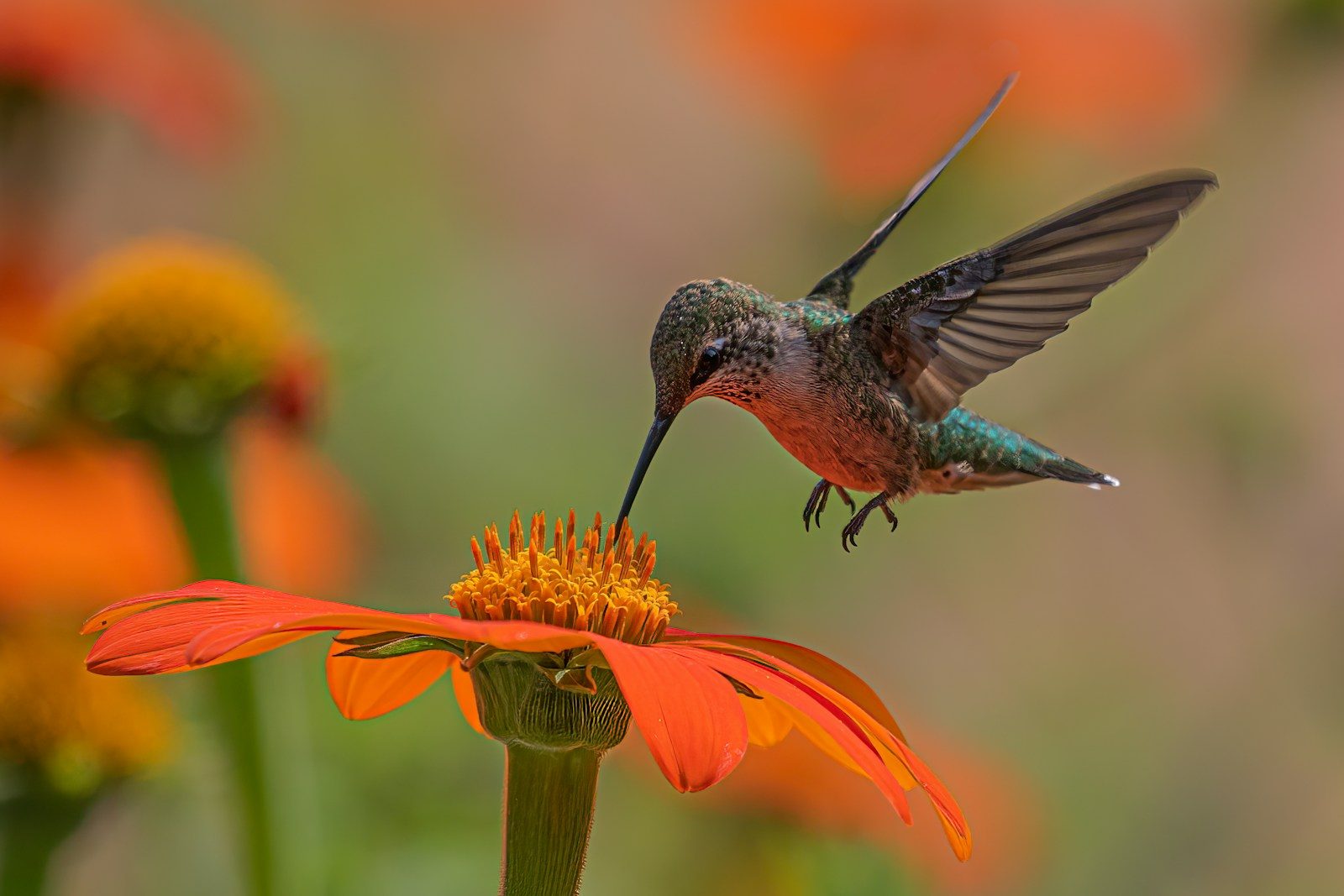
a hummingbird hovering over an orange flower

Why Do Hummingbirds Hover While Feeding? The Science Behind Their Incredible Flight

JakeJuly 23, 2026July 23, 2026

Hummingbirds are among nature’s most fascinating aerial acrobats, capable of hovering effortlessly in midair while sipping nectar from flowers. Their unique flying ability isn’t just beautiful to watch—it plays a vital role in their survival and has evolved over millions of years.

Unlike most birds, hummingbirds can remain perfectly suspended in front of a flower without needing a perch, allowing them to access nectar that many other animals cannot reach.

A Flight Skill Unlike Any Other Bird
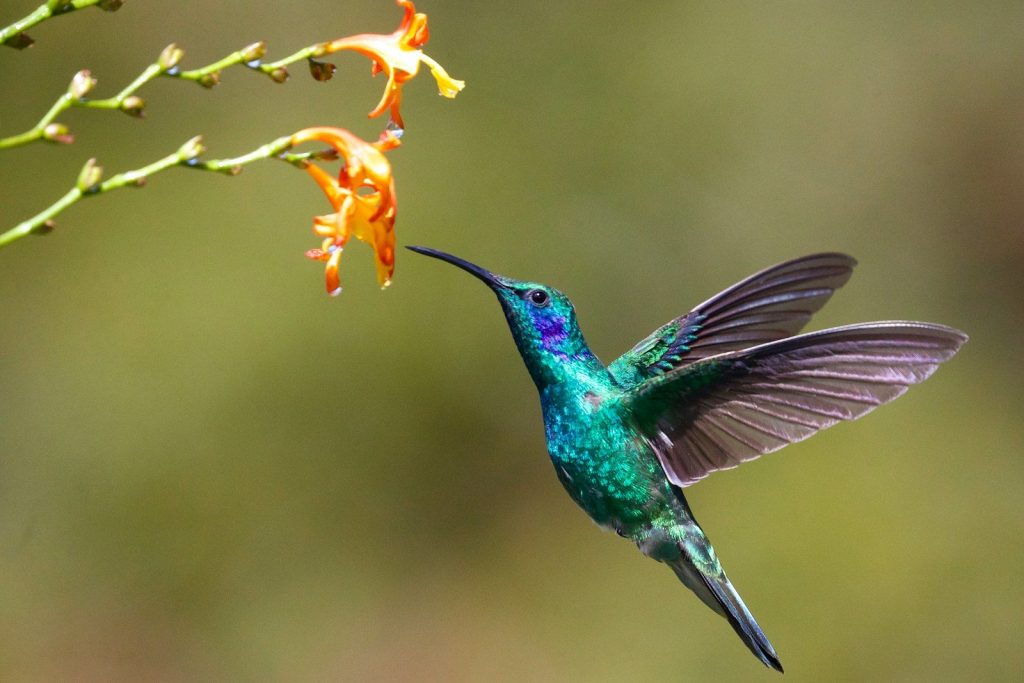
hummingbird near flower
Photo by James Wainscoat on Unsplash

Hummingbirds are the only birds capable of sustained hovering in still air.

They achieve this by rotating their wings in a figure-eight motion, generating lift on both the downstroke and upstroke. This remarkable technique allows them to fly forward, backward, sideways, and even remain perfectly still while feeding.

Hovering Makes Feeding Easier
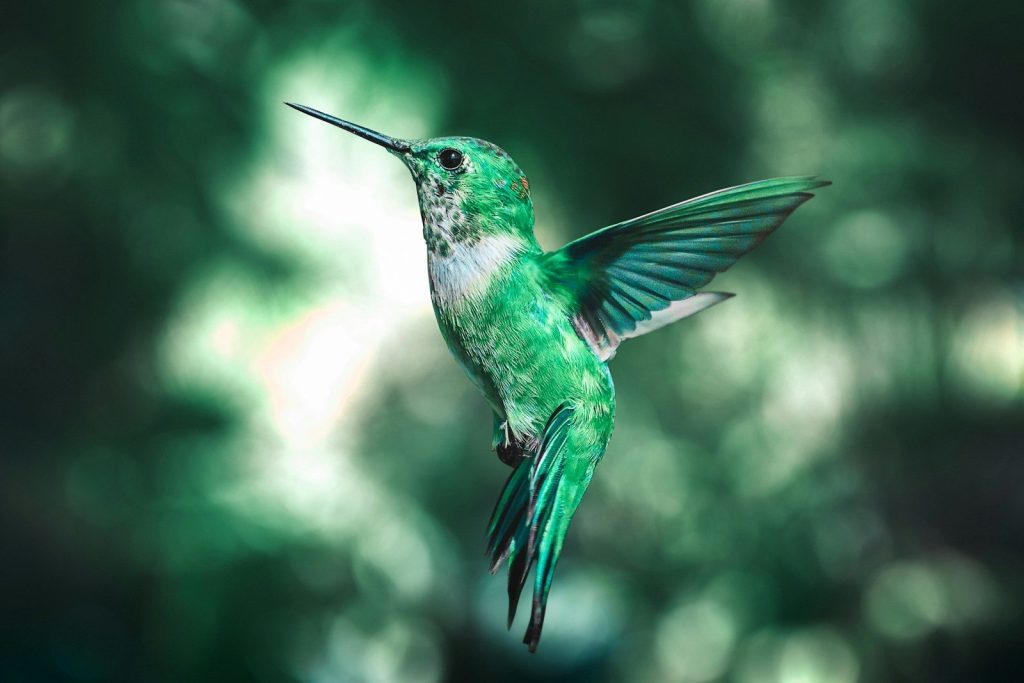
green and black humming bird
Photo by AARN GIRI on Unsplash

Many nectar-rich flowers have long, narrow shapes without sturdy places for birds to land.

Hovering enables hummingbirds to insert their long beaks deep into flowers while rapidly extending their specialized tongues to collect nectar, all without stopping or perching.

Tiny Birds With Massive Energy Needs
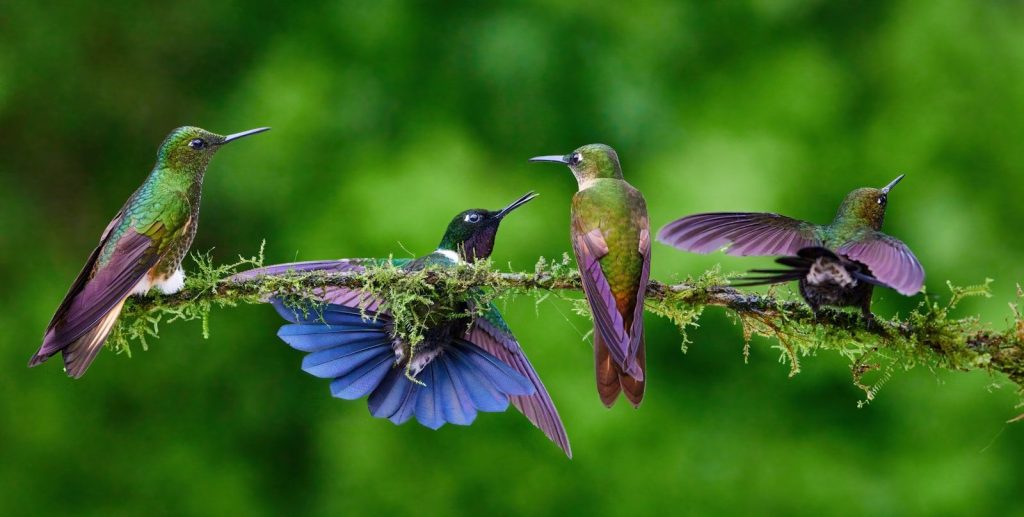
a group of hummingbirds perched on a branch
Photo by Zdeněk Macháček on Unsplash

Hovering requires an enormous amount of energy, making hummingbirds some of the hardest-working animals on Earth.

To fuel their rapid wingbeats, they consume large amounts of nectar every day, supplementing their diet with insects and spiders for protein. Their exceptionally fast metabolism allows them to support this demanding lifestyle.

Built for Precision and Survival
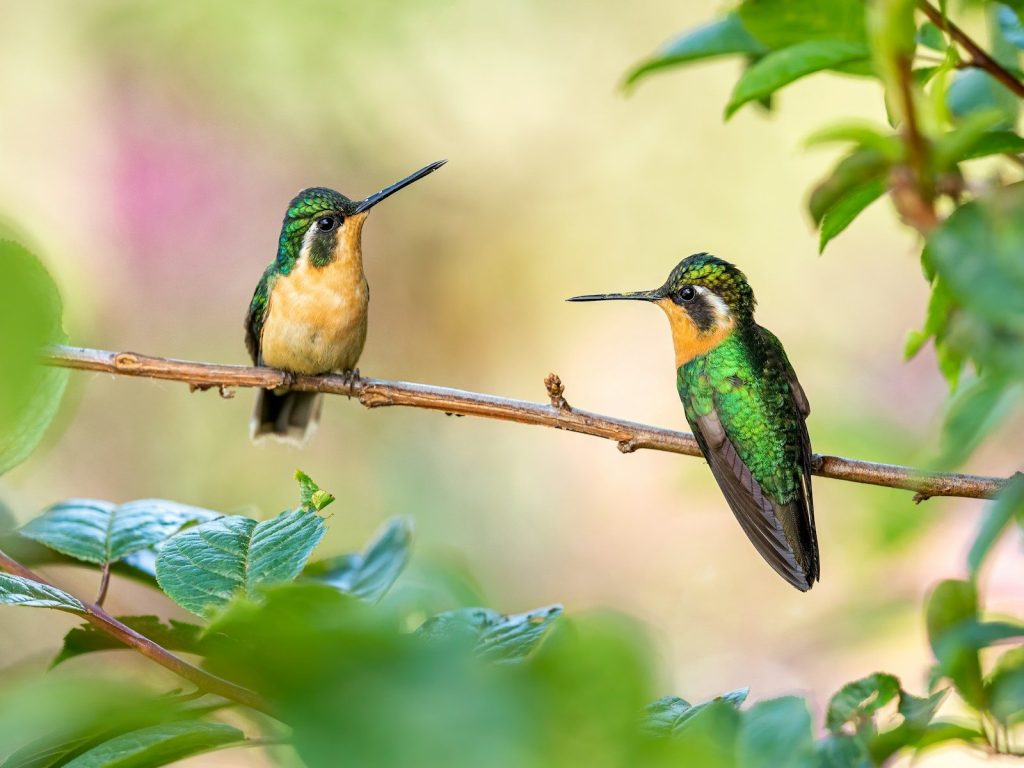
green and brown humming bird
Photo by Zdeněk Macháček on Unsplash

Hummingbirds can beat their wings dozens of times every second, giving them unmatched control in flight.

Their extraordinary agility not only helps them feed efficiently but also enables them to avoid predators, compete for food, and pollinate countless flowering plants as they move from bloom to bloom.

Nature’s Hovering Experts Continue to Inspire Science
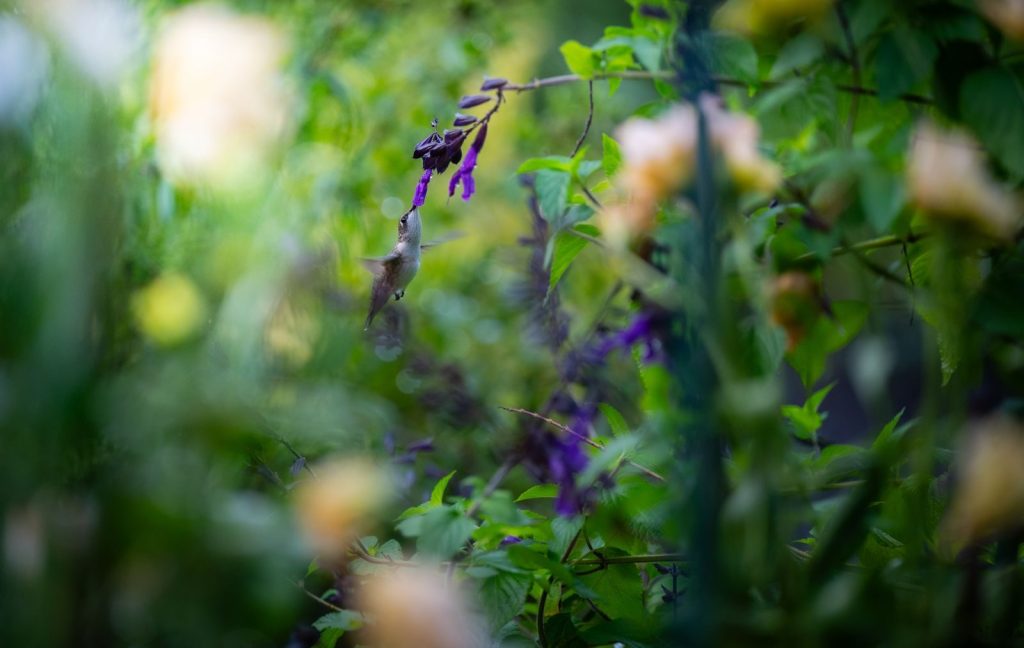
A hummingbird gracefully feeds on purple flowers in a vibrant, green garden setting during the day.
Photo by Chris F on Pexels

Scientists continue studying hummingbirds to better understand their unique flight mechanics, which have inspired advances in robotics and drone technology.

Their ability to hover with remarkable stability remains one of the most extraordinary adaptations in the animal kingdom and continues to reveal new insights into flight, evolution, and engineering.
Post navigation

Previous: Simple Ways to Help Save Bees
Next: The World’s Oldest Known Nesting Osprey Still Inspiring Bird Lovers at Nearly 30

Related Posts

Close-up of an African spurred tortoise foraging on the ground in Thailand.

8 of the Oldest Animals Ever Documented

August 6, 2026August 5, 2026 Jake
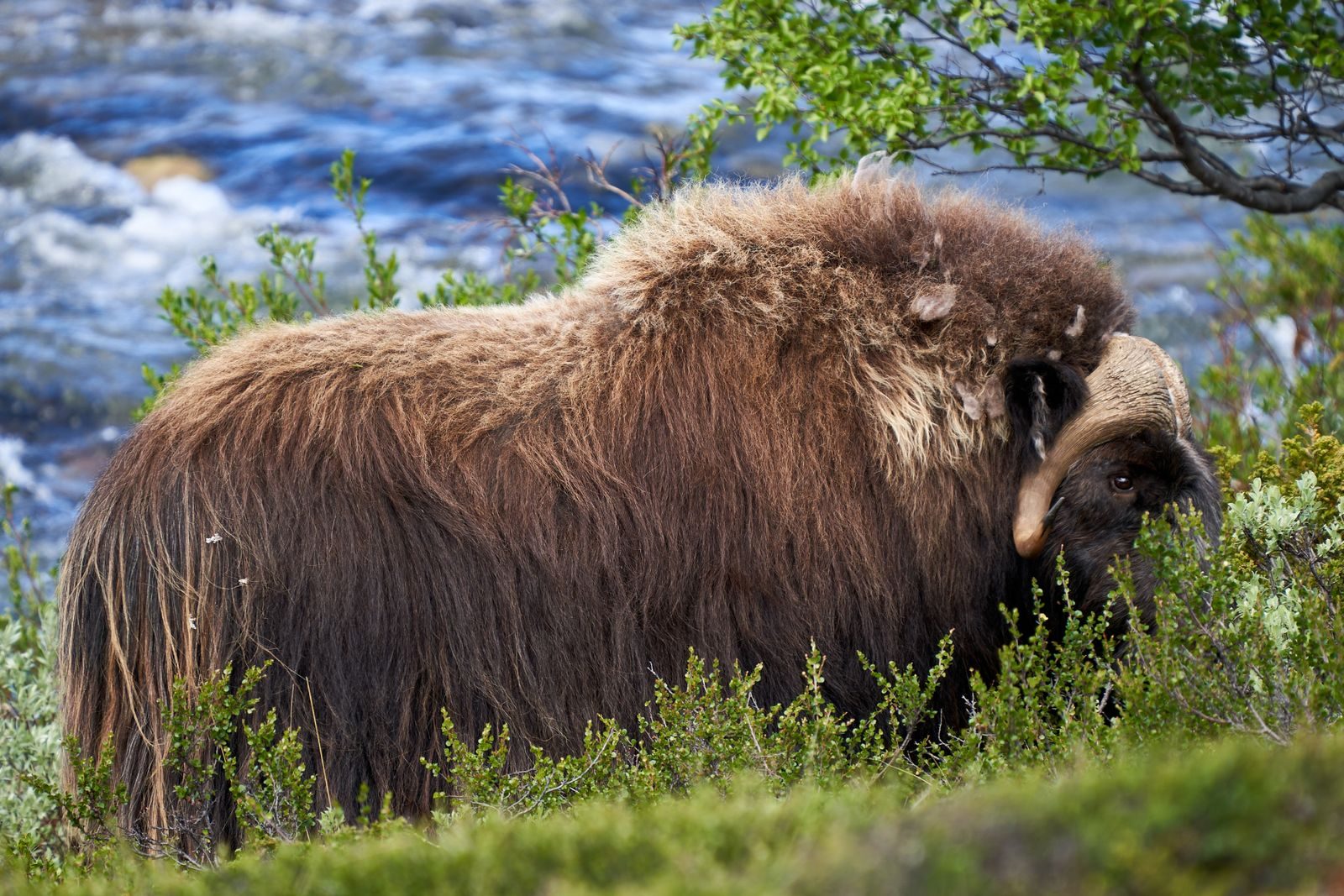
A close-up of a musk ox grazing in the lush green wilderness of Hjerkinn, Norway.

8 Animals With Extraordinary Physical Power

August 6, 2026August 5, 2026 Jake
A large hippopotamus yawning in an outdoor zoo setting in Werribee South, Australia.

9 of the Loudest Animals Ever Measured

August 6, 2026August 5, 2026 Jake

Leave a Reply Cancel reply

Your email address will not be published. Required fields are marked *

Recent Posts

  • Seven Giant Snakes and Their Verified Size Records
  • 8 of the Oldest Animals Ever Documented
  • 8 Animals With Extraordinary Physical Power
  • 9 of the Loudest Animals Ever Measured
  • Why a Doe May Return to the Same Door With Her Fawn
Copyright All Rights Reserved | Theme: BlockWP by Candid Themes.