When people think about bees, they often picture honeybees living in large hives. But native bees are just as important, and in many cases even better pollinators for local plants and crops. These wild bee species help support ecosystems, food production, and biodiversity in ways many people never notice.
Native bees exist naturally in local environments and have evolved alongside native plants for thousands of years. Their role in pollination makes them essential for healthy forests, gardens, and agricultural systems.
Native Bees Are Powerful Pollinators
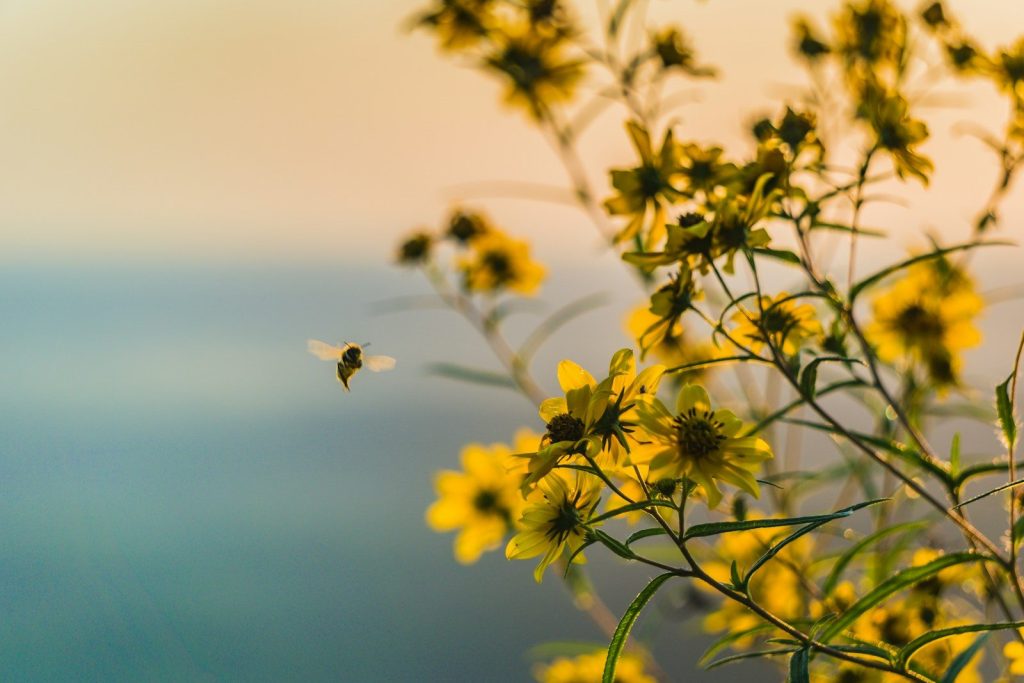
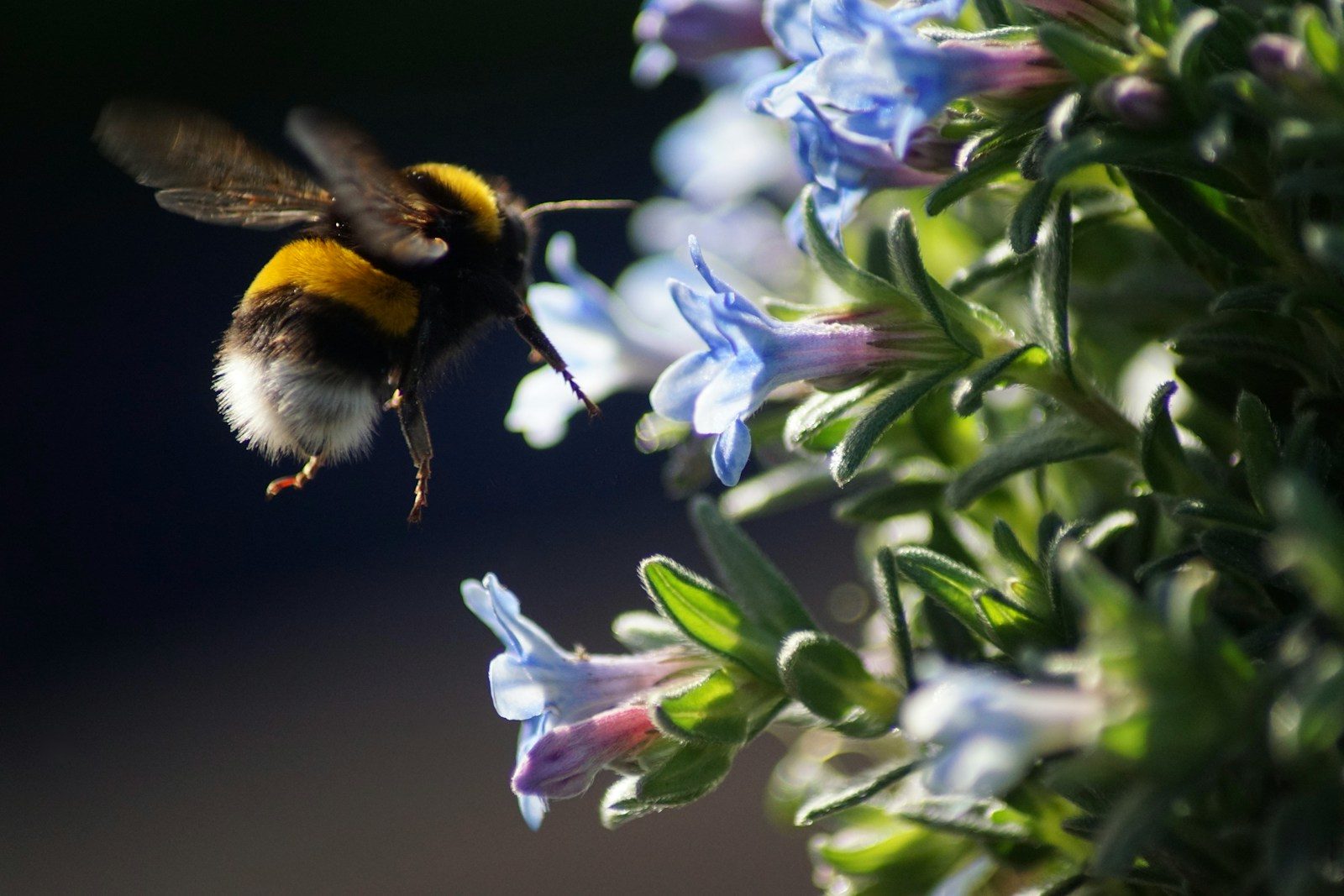
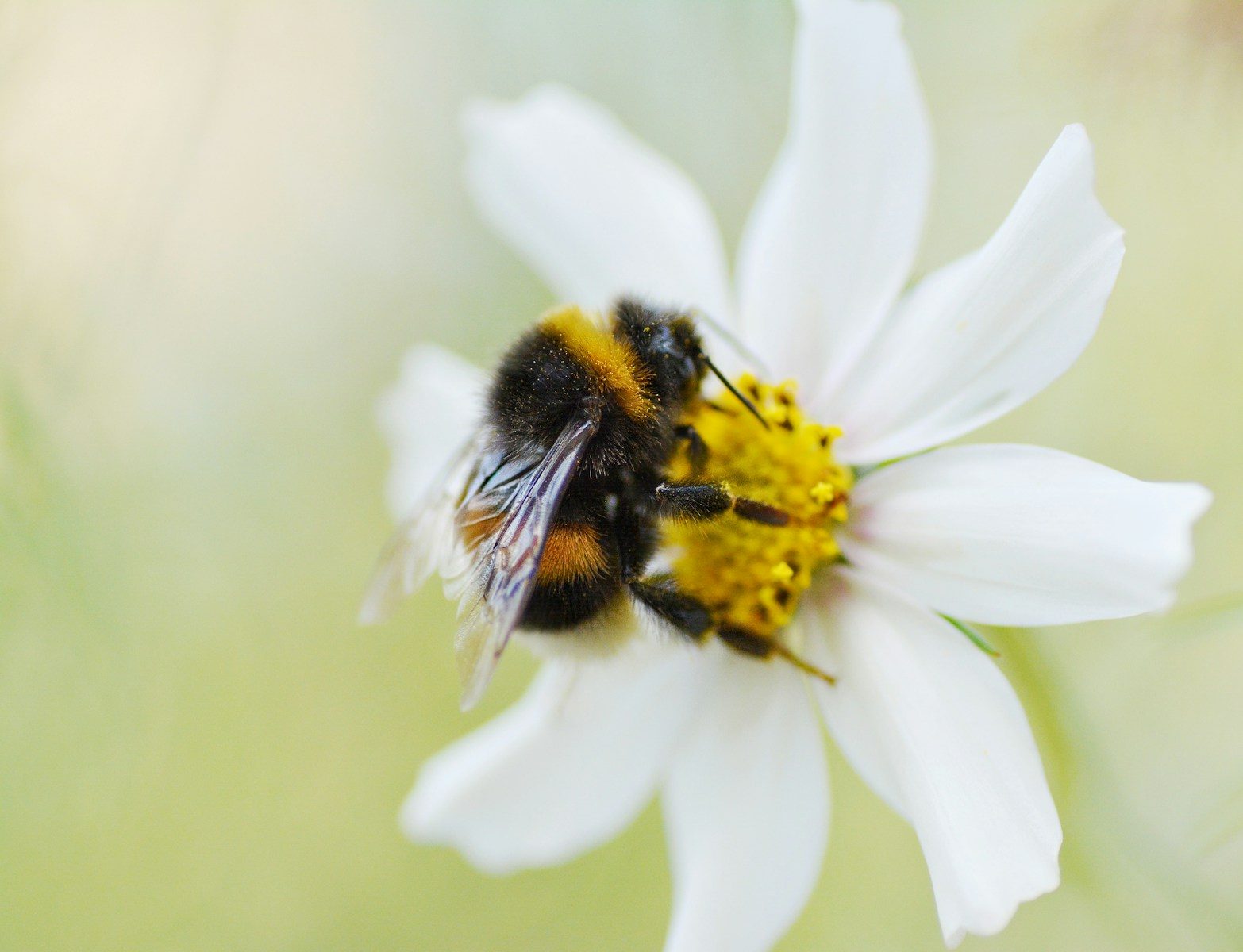
Native bees help pollinate flowers, fruits, vegetables, and wild plants. As they move from plant to plant collecting nectar and pollen, they help plants reproduce and grow.
Many crops depend heavily on pollination, which means native bees play a direct role in supporting food supplies and healthy ecosystems.
Most Native Bees Don’t Live in Hives
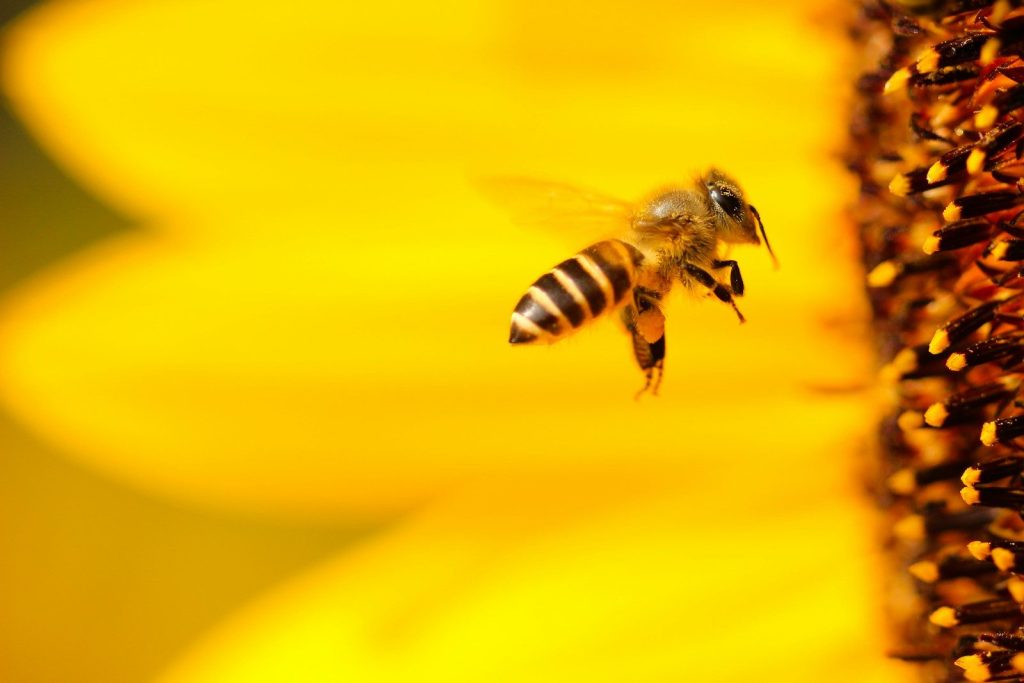
Unlike honeybees, many native bee species are solitary and do not form large colonies. Some live underground, while others nest inside hollow stems, wood, or small natural spaces.
Because they are solitary, they are usually less aggressive and rarely sting humans unless threatened.
They Support Biodiversity
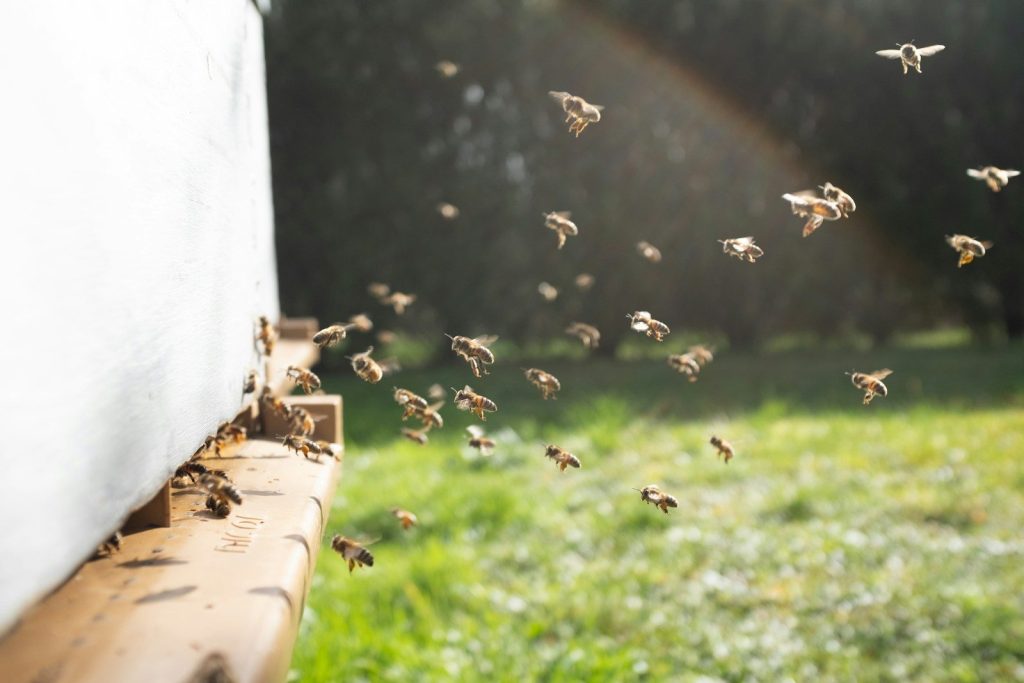
Native bees help maintain plant diversity by pollinating a wide range of species. Healthy plant life supports birds, insects, mammals, and entire ecosystems.
Without pollinators, many native plants would struggle to reproduce, which could affect wildlife that depends on those plants for food and shelter.
Native Bees Face Growing Threats
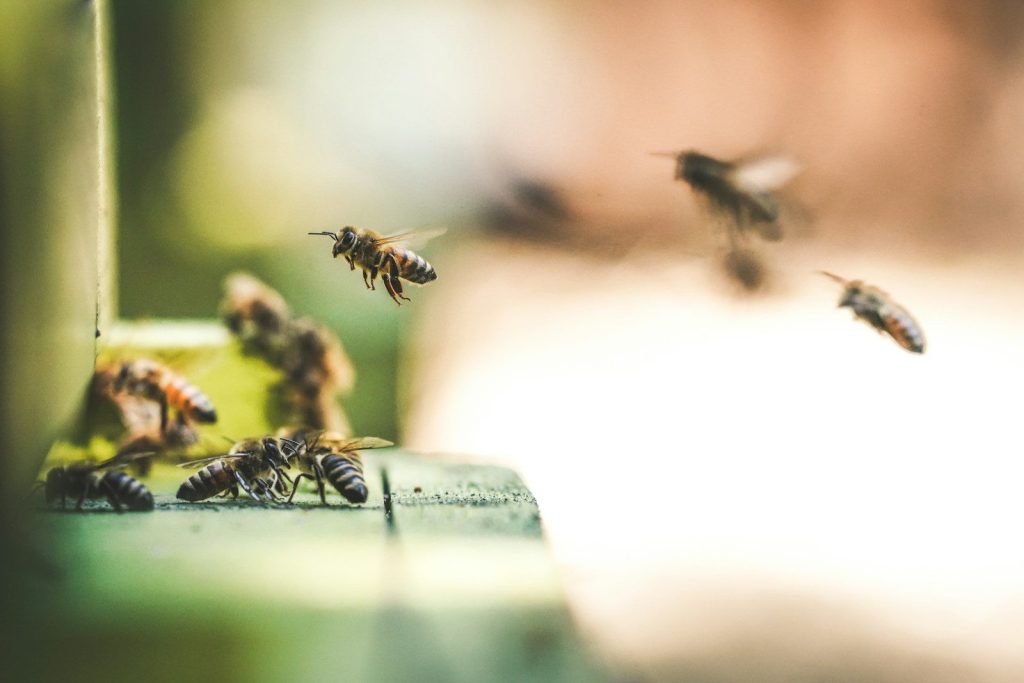
Habitat loss, pesticides, pollution, and climate change are putting pressure on native bee populations around the world. Urban development and landscaping practices can also remove the flowers and nesting areas they need to survive.
Some bee species have already experienced major population declines because of these environmental changes.
Small Gardens Can Help Native Bees
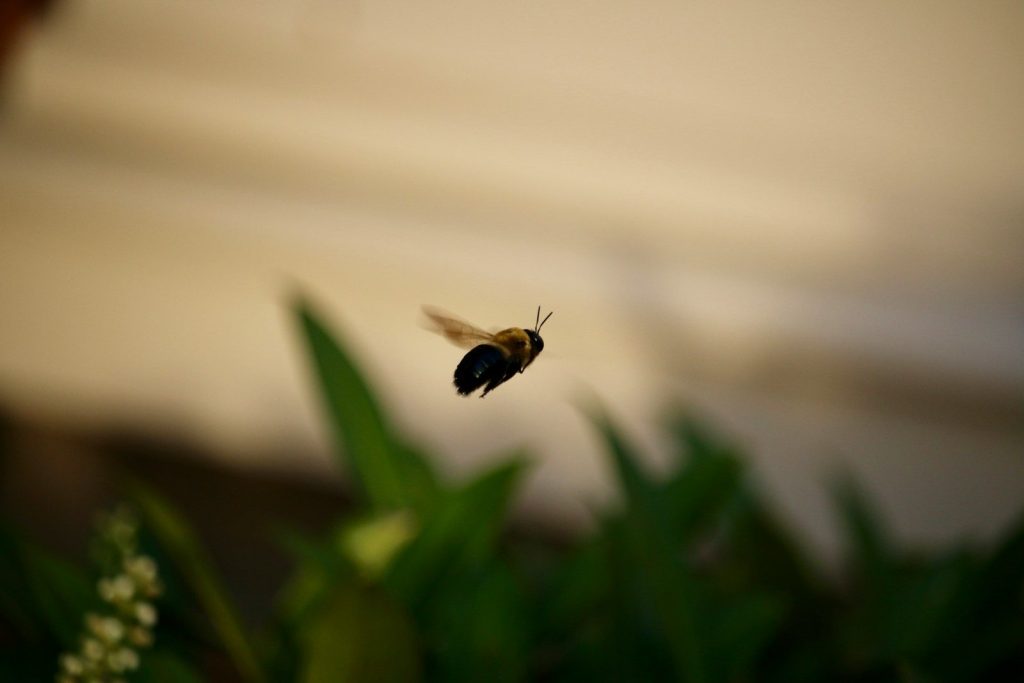
Even simple actions can support native pollinators. Planting native flowers, reducing pesticide use, and leaving small natural spaces in gardens can provide food and shelter for bees.
Creating bee-friendly environments helps strengthen local ecosystems and gives pollinators safer places to thrive.
Native Bees and Honeybees Are Different
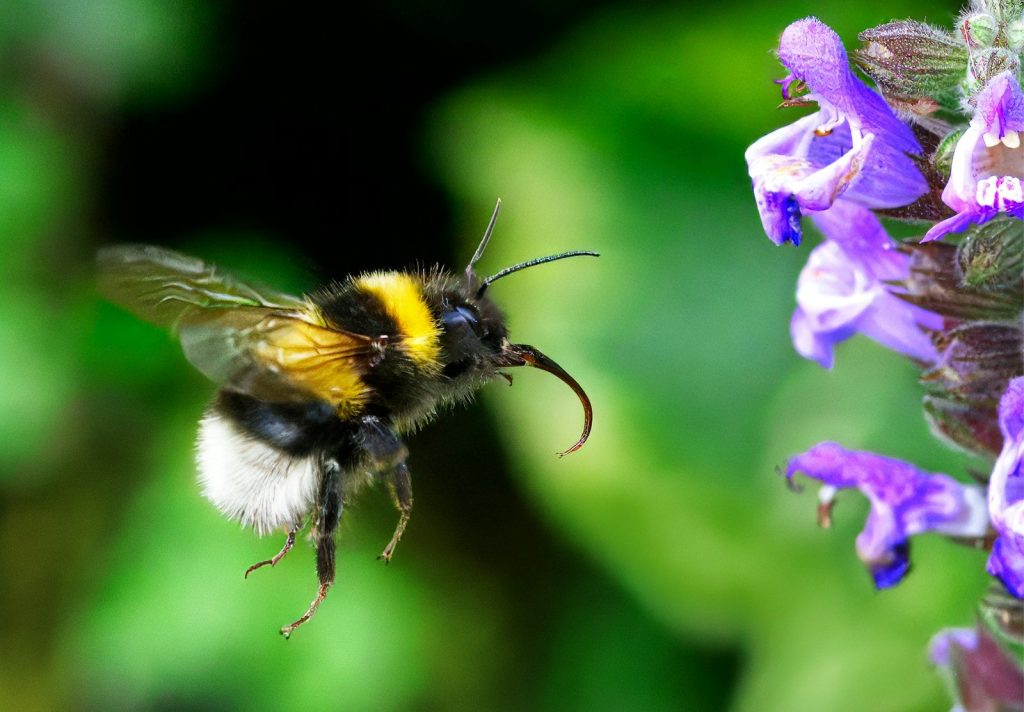
Honeybees are important pollinators too, but they are not native everywhere and are often managed by humans. Native bees are wild species naturally adapted to local climates and plants.
In some ecosystems, native bees are actually more efficient pollinators because they evolved specifically with local vegetation.
Why Protecting Native Bees Matters
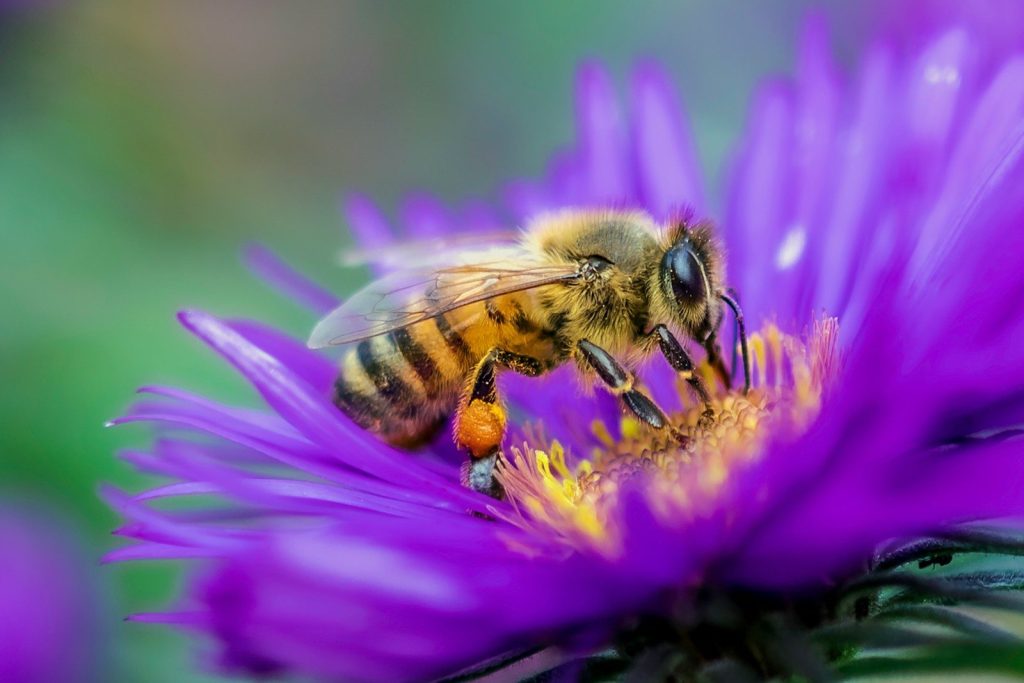
Protecting native bees is about more than saving insects. These pollinators help sustain plant life, support agriculture, and keep ecosystems functioning properly.
As awareness grows, conservationists hope more people will recognize how important native bees are for both nature and human life.