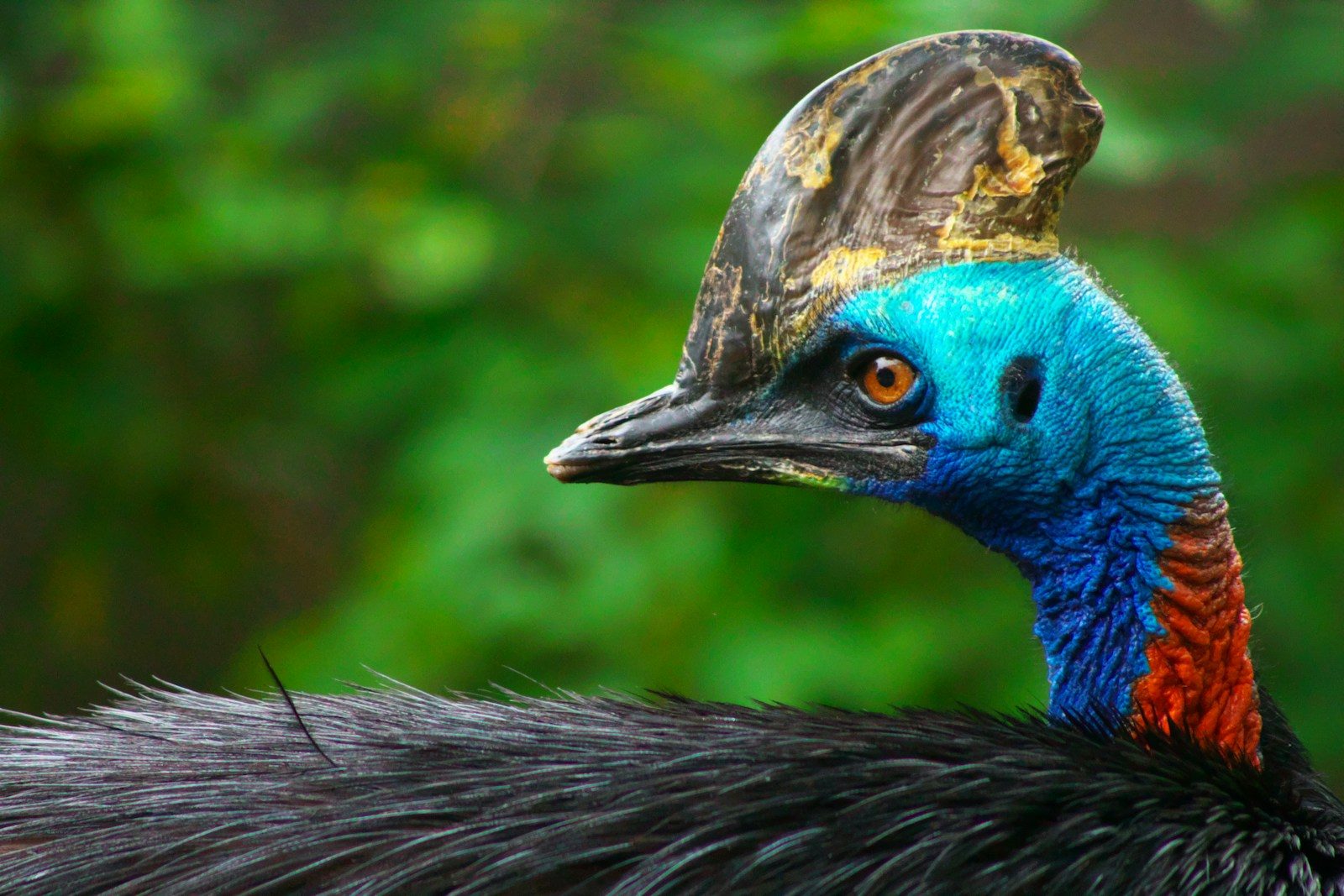
Deep in the rainforests of northern Australia and New Guinea lives a bird that looks like it escaped from the age of dinosaurs. Massive, fast, and armed with dagger-like claws, the cassowary has earned a chilling nickname: the world’s most dangerous bird. But what actually happens if you meet one in the wild?
A Living “Dinosaur” in the Forest
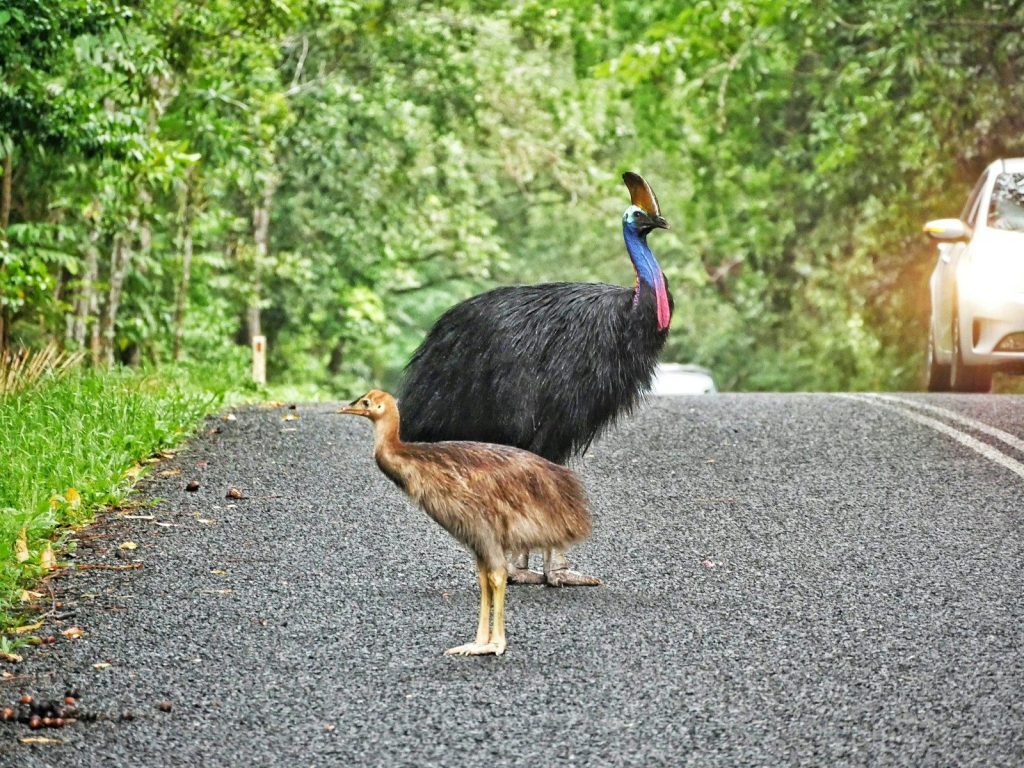
The cassowary is a large flightless bird with glossy black feathers, a helmet-like crest on its head, and bright blue and red skin on its neck. It can stand over five feet tall and move with surprising speed through dense jungle. Scientists often describe it as one of the most prehistoric-looking birds still alive today, which adds to its fearsome reputation.
Despite its intimidating appearance, cassowaries usually prefer to stay hidden in thick rainforest vegetation, avoiding humans whenever possible.
Why It Is Considered So Dangerous
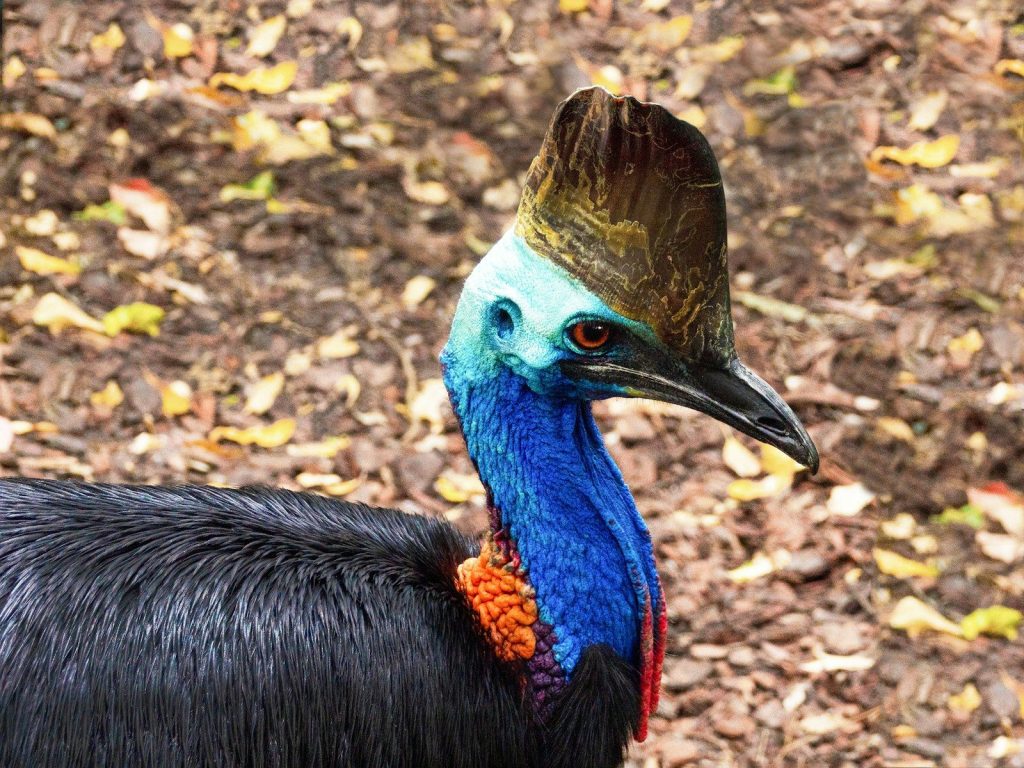
The cassowary’s reputation comes mainly from its powerful legs and sharp inner claw, which can act like a blade in defense. When threatened, it can kick with enough force to seriously injure animals and, in rare cases, even humans.
It’s important to note that attacks are uncommon, but when they do happen, they are often severe because of the bird’s size and strength.
Most Encounters Start With Food
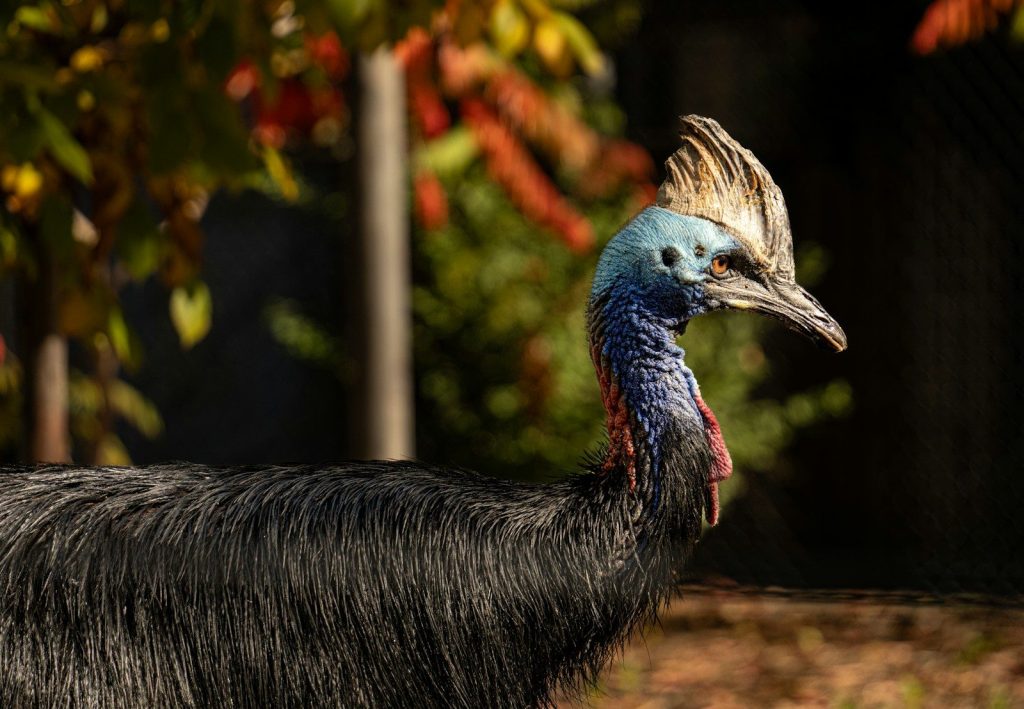
Almost every serious cassowary encounter begins the same way: humans feeding or approaching the bird. When cassowaries associate people with food, they can lose their natural fear and begin to act aggressively, especially if food is withheld.
Wildlife experts repeatedly warn that feeding cassowaries dramatically increases the risk of dangerous encounters, as it changes their behavior and brings them closer to human areas.
What an Encounter Feels Like
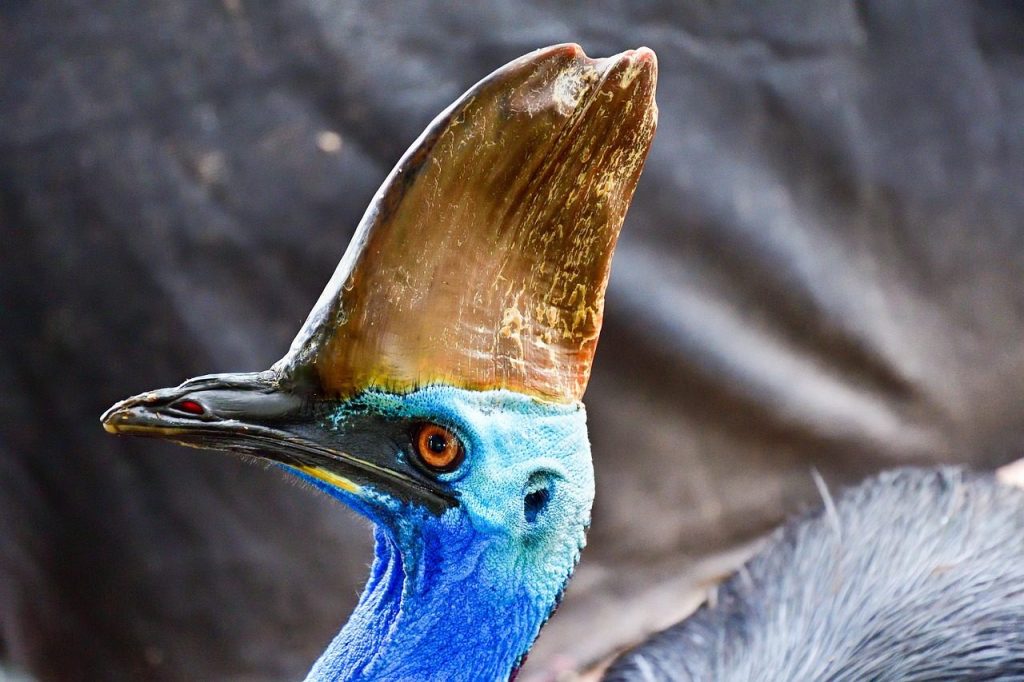
If you unexpectedly come across a cassowary in the wild, the experience is often described as unsettling. The bird may stand still at first, watching you closely with its intense, dinosaur-like gaze.
If it feels threatened—or expects food—it may begin to approach. At this point, things can escalate quickly. The bird may stomp, huff, or charge, using its powerful legs to defend itself. Because cassowaries can run fast through dense vegetation, escaping is not always simple.
Why Running Away Isn’t Always the Best Move
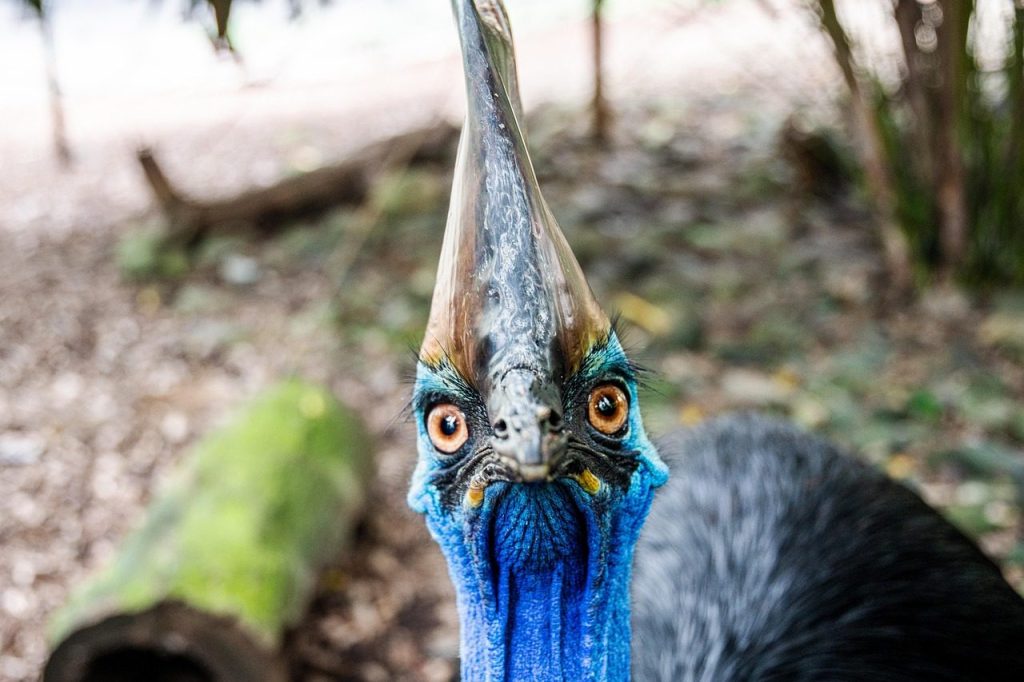
Panic is the biggest danger in a cassowary encounter. Sudden movement or turning your back can trigger a chase response. Wildlife experts generally advise slowly backing away while maintaining distance, avoiding eye contact that could be seen as a threat.
Even though fatalities are extremely rare, cassowaries have been responsible for serious injuries when people get too close or try to interact with them.
The Bird That Protects Its Territory
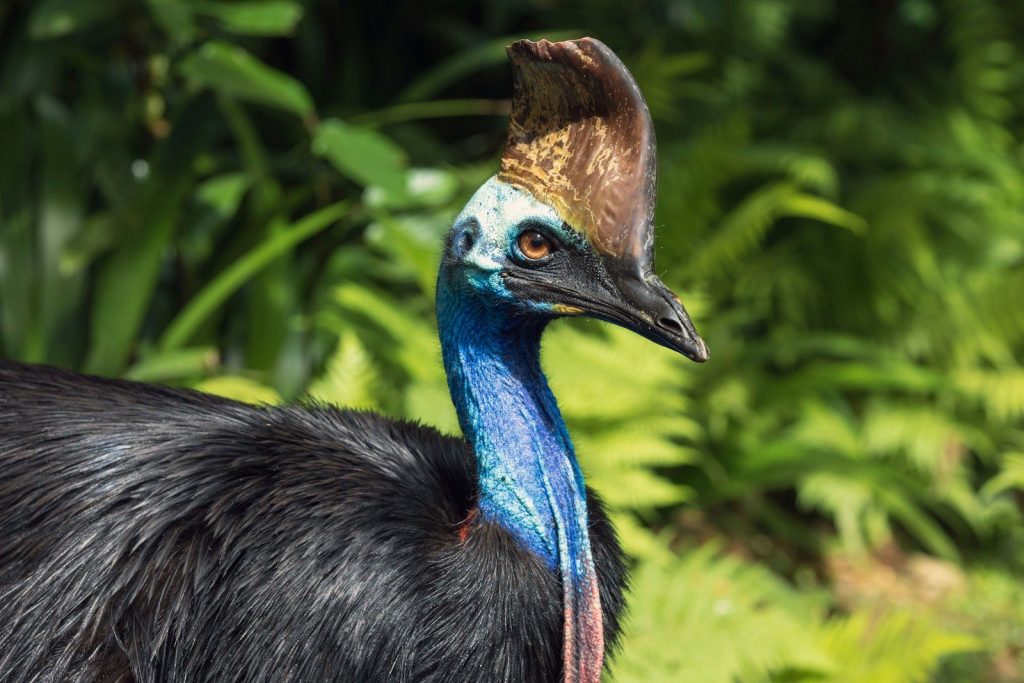
Cassowaries are highly territorial, especially during breeding season or when protecting chicks. A parent cassowary will aggressively defend its young, sometimes chasing perceived threats long distances through the forest.
This protective behavior is one of the main reasons the species has gained its “dangerous” reputation, even though most birds prefer to avoid conflict.