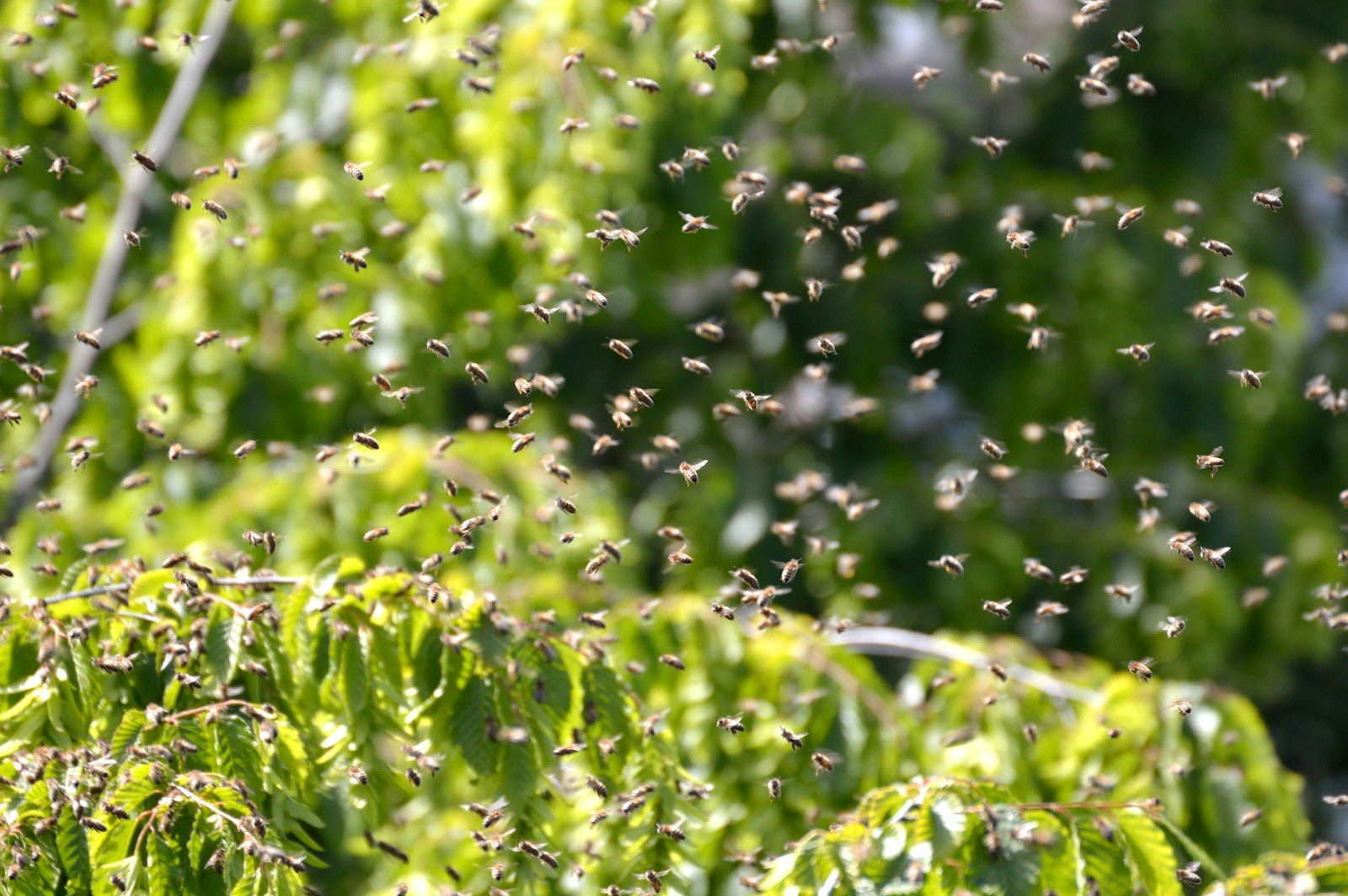
Climbing high above the ground already pushes the limits of human focus and endurance, but when a swarm of thousands of angry bees suddenly appears mid-ascent, the situation turns into a fight for survival. Videos of climbers being overwhelmed by massive bee attacks have stunned viewers worldwide, showing just how unpredictable wild nature can be when disturbed.
A Sudden Swarm in the Sky
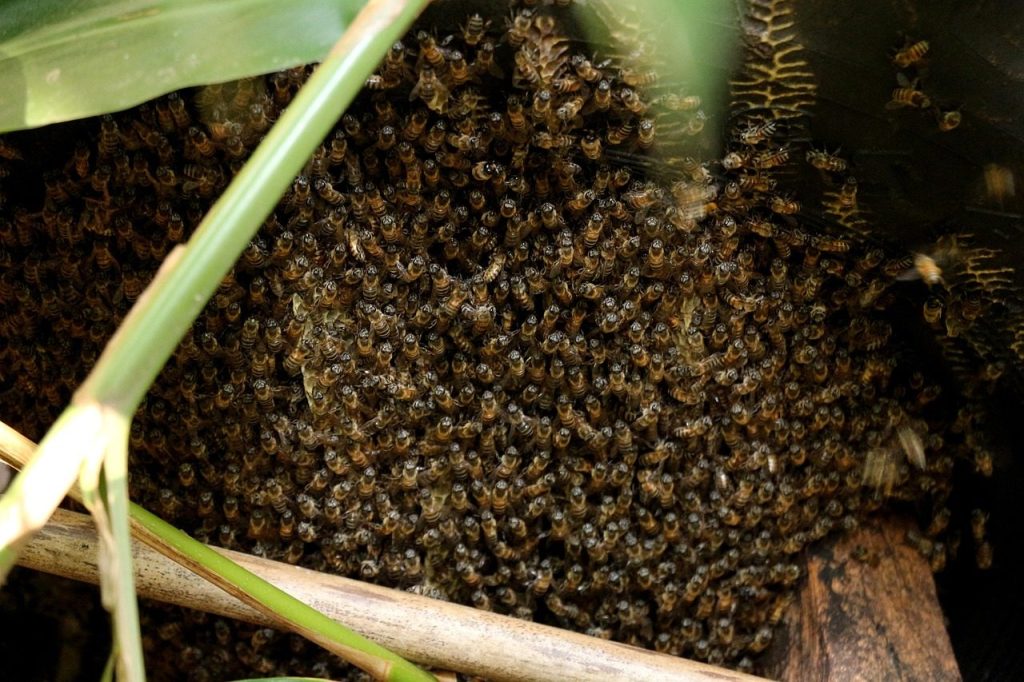
In incidents like this, climbers are often scaling cliffs, towers, or rock faces when they unknowingly disturb a hidden bee colony. Once the hive is threatened, guard bees rapidly release alarm pheromones, triggering thousands of others to mobilize within seconds. What begins as a quiet climb can instantly turn into chaos as the air fills with buzzing insects.
Why Bees Become Aggressive

Bees are not naturally aggressive toward humans, but they are extremely protective of their colony. When they sense vibration, movement, or intrusion near a hive, they respond collectively. The presence of a large swarm, sometimes estimated in the thousands, means the colony has fully activated its defense system. At high altitudes on cliffs or trees, hives can be surprisingly large and well-hidden.
The Challenge of Escaping Mid-Climb
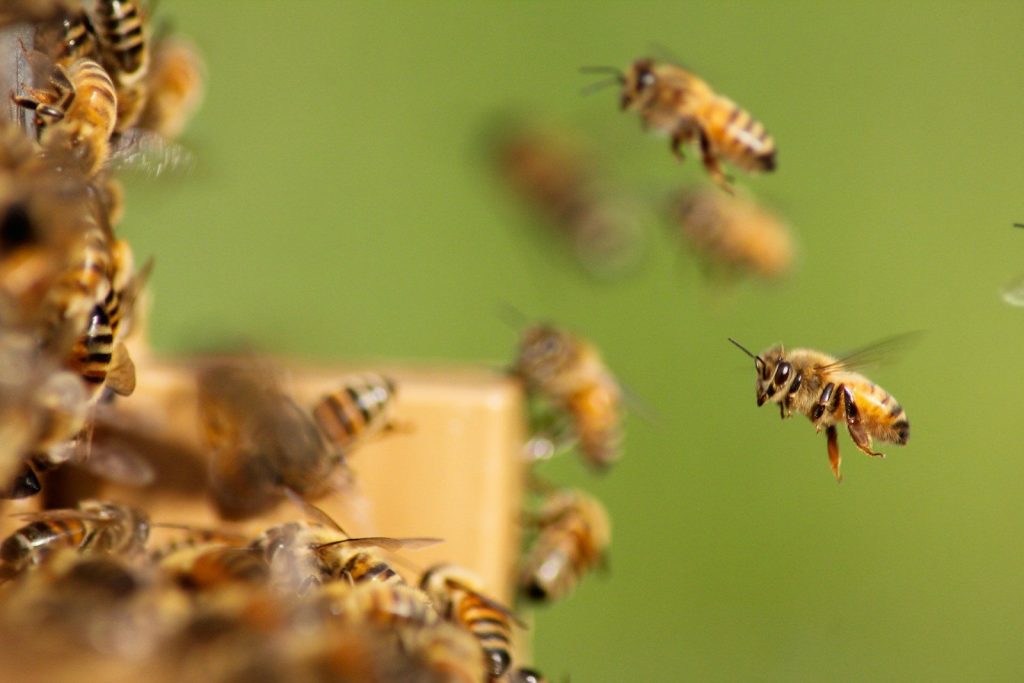
Being attacked while suspended on a rope or climbing wall creates a dangerous dilemma. Climbers cannot easily run or descend quickly without risk. Many are forced to protect their face and eyes while trying to move downward as fast as possible. Each movement can agitate more bees, increasing the intensity of the attack.
At heights of 80 meters or more, even a small mistake can become life-threatening, making controlled descent extremely difficult under pressure.
The Role of Panic and Heat
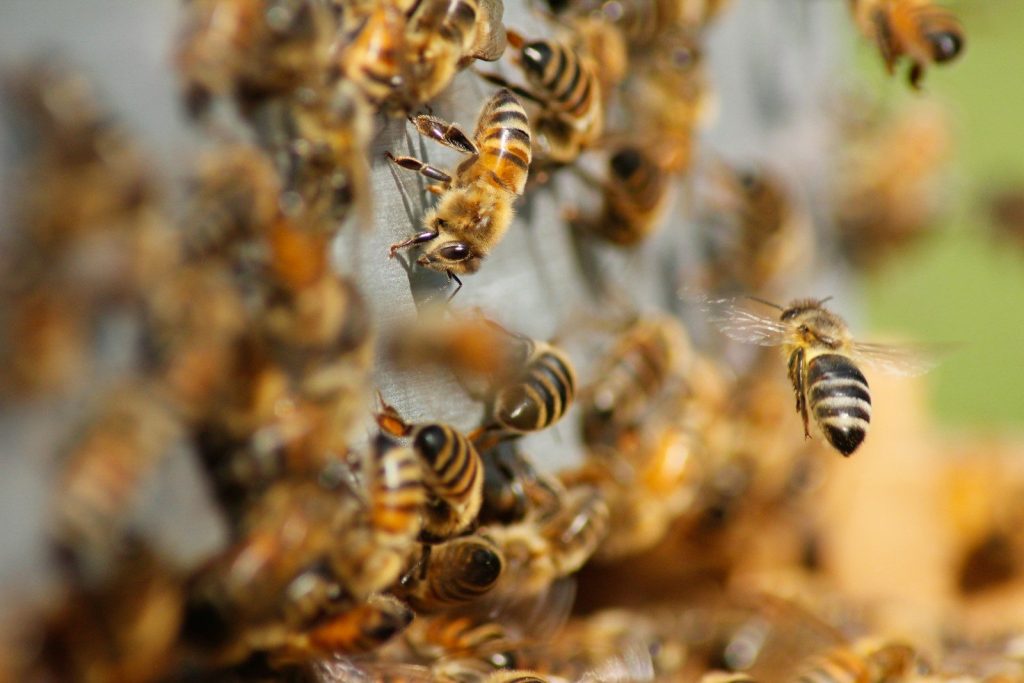
Swarm attacks often happen in hot, humid conditions when bees are already more active. Panic can also worsen the situation. Rapid movement, flailing arms, or knocking at the swarm can trigger more defensive behavior. Experts often advise covering the face, moving slowly but steadily downward, and avoiding sudden gestures that might escalate the attack.
Why Large Swarms Form

A swarm of 10,000 bees usually represents either a defensive colony response or a migrating swarm searching for a new hive location. In both cases, the bees cluster tightly and move as a unified cloud. When humans accidentally enter their path or disturb their resting site, the swarm reacts instinctively.
The Danger of Multiple Stings
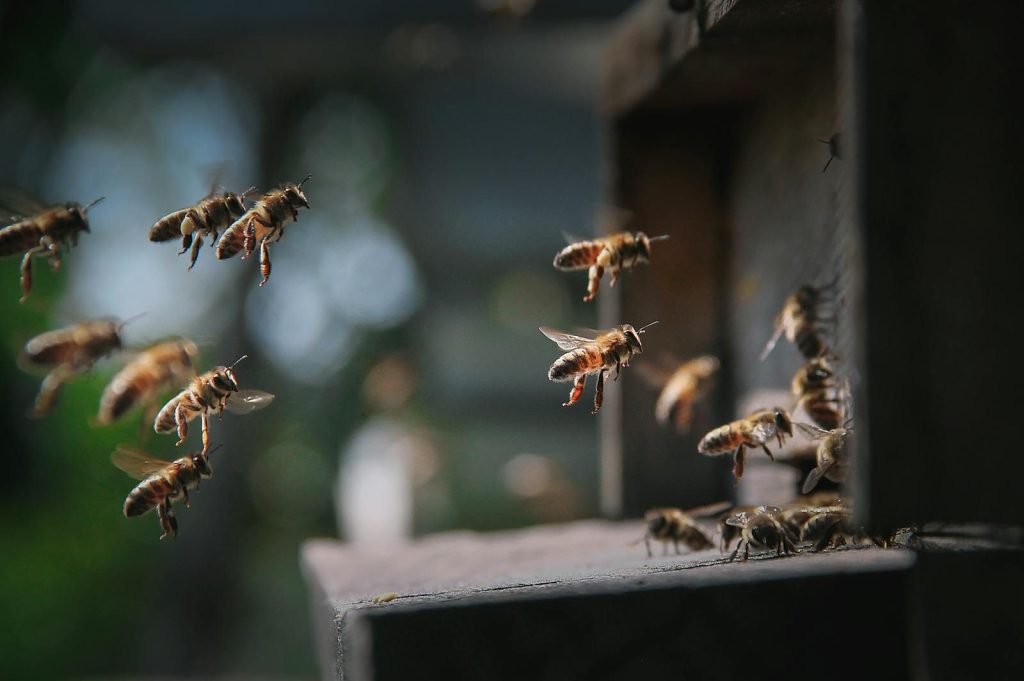
Unlike a single bee sting, thousands of stings can be medically dangerous. Bee venom can cause severe pain, allergic reactions, and in extreme cases, life-threatening complications. Even for non-allergic individuals, repeated stings combined with panic, dehydration, or falls from height significantly increase risk.
Respecting Wild Spaces
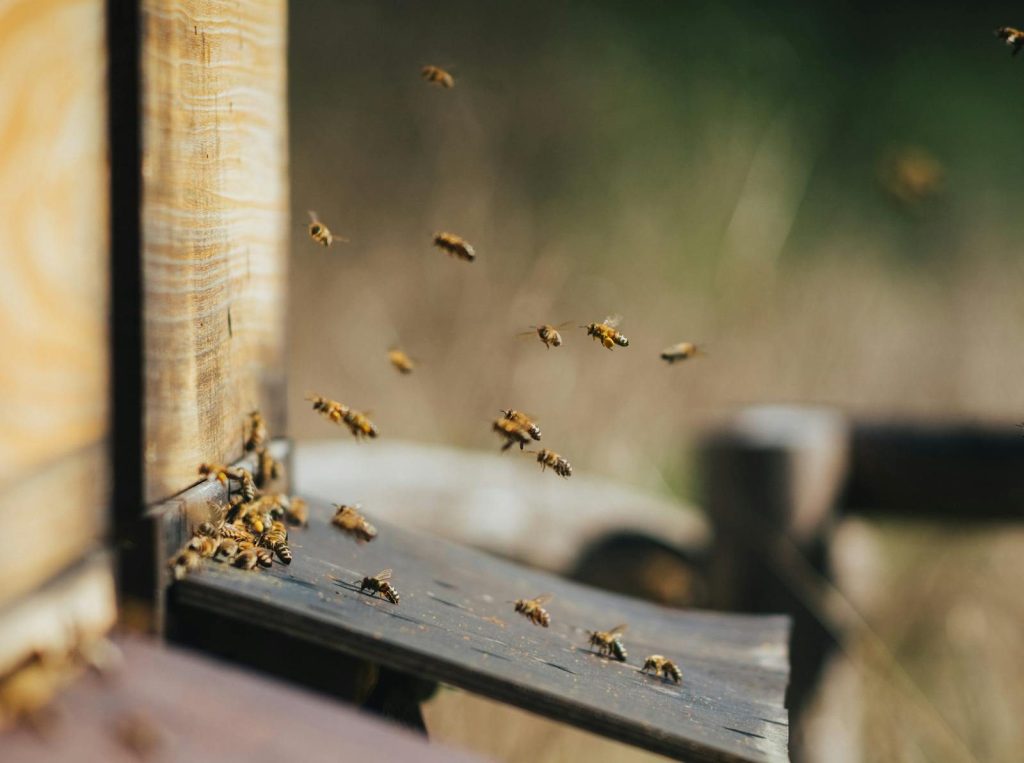
These rare but dramatic encounters highlight an important reality of outdoor adventure: humans are visitors in natural ecosystems. Whether climbing cliffs, exploring forests, or trekking remote landscapes, awareness of hidden wildlife, especially insects like bees, is essential. Most experts emphasize that bees only attack when provoked, meaning prevention is the best protection.