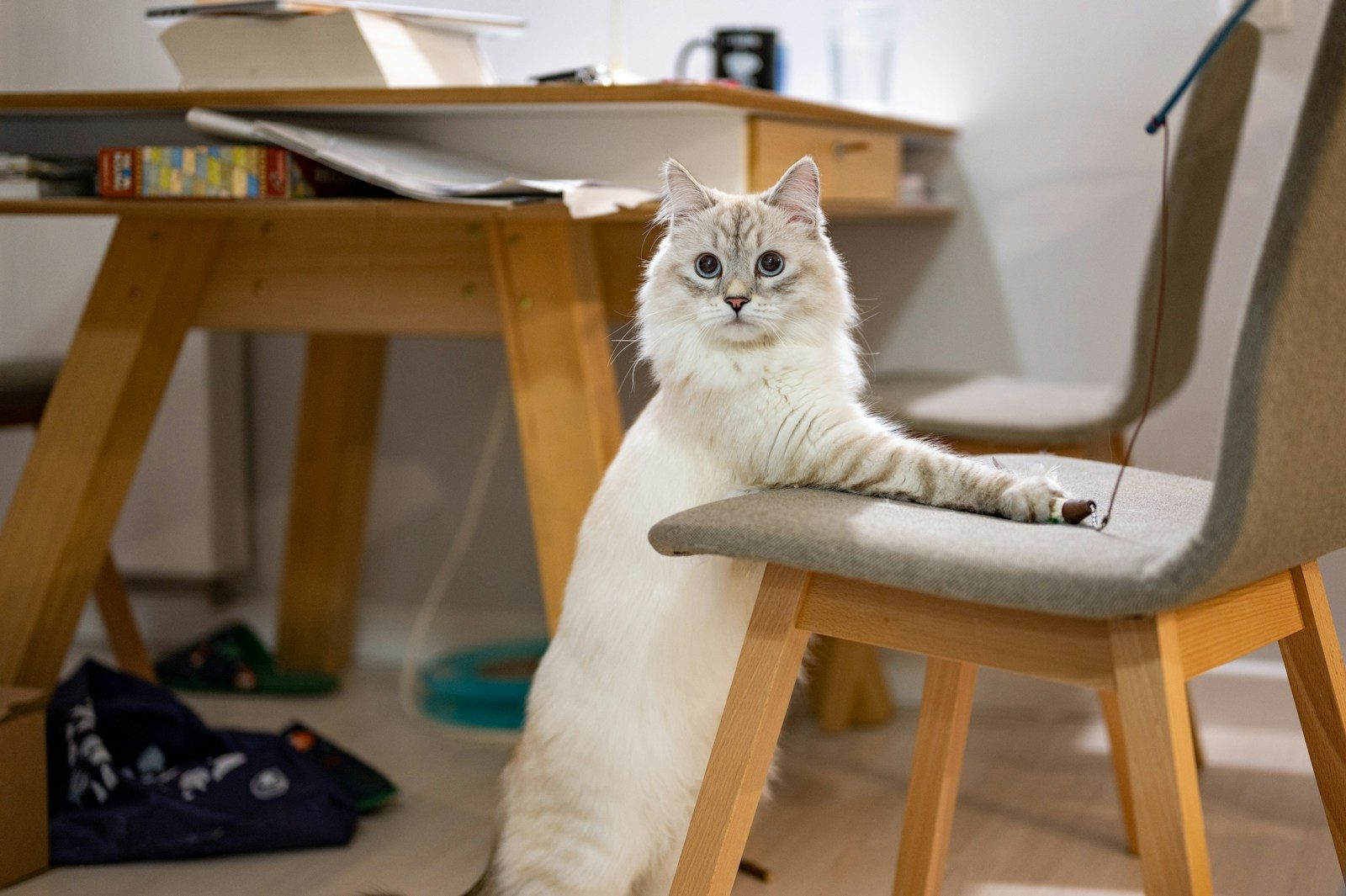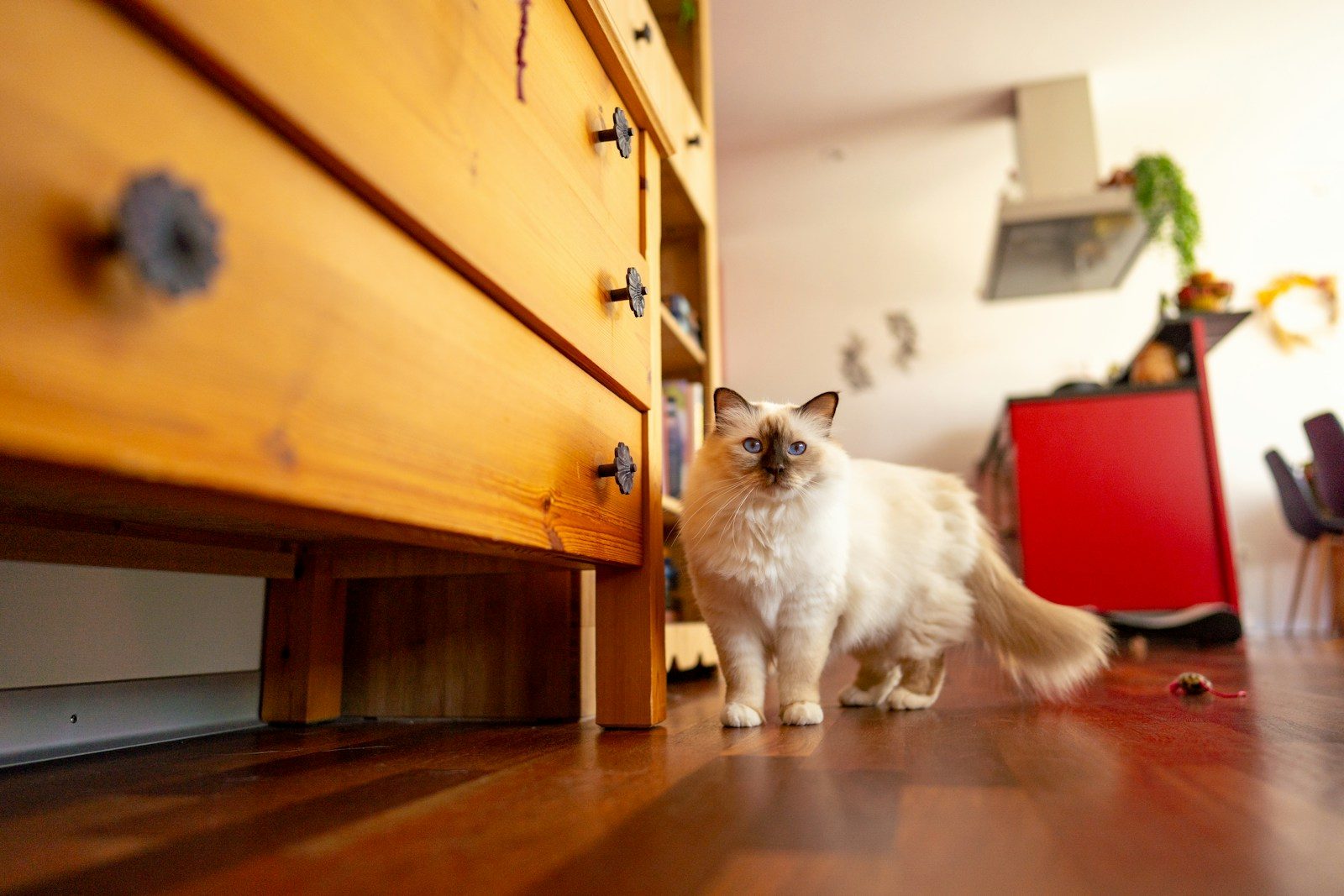
Indoor cats enjoy protection from traffic, predators, diseases, and other outdoor dangers, often leading to longer and healthier lives. However, living entirely inside can also influence their daily habits, making certain behaviors more common if they are not given enough opportunities for exercise and mental stimulation.
Many of these behaviors are completely normal and simply reflect a cat’s natural instincts. Understanding why they occur can help owners create a more enriching environment that keeps their feline companions happy, active, and emotionally healthy.
They Spend a Lot of Time Watching the Outside World
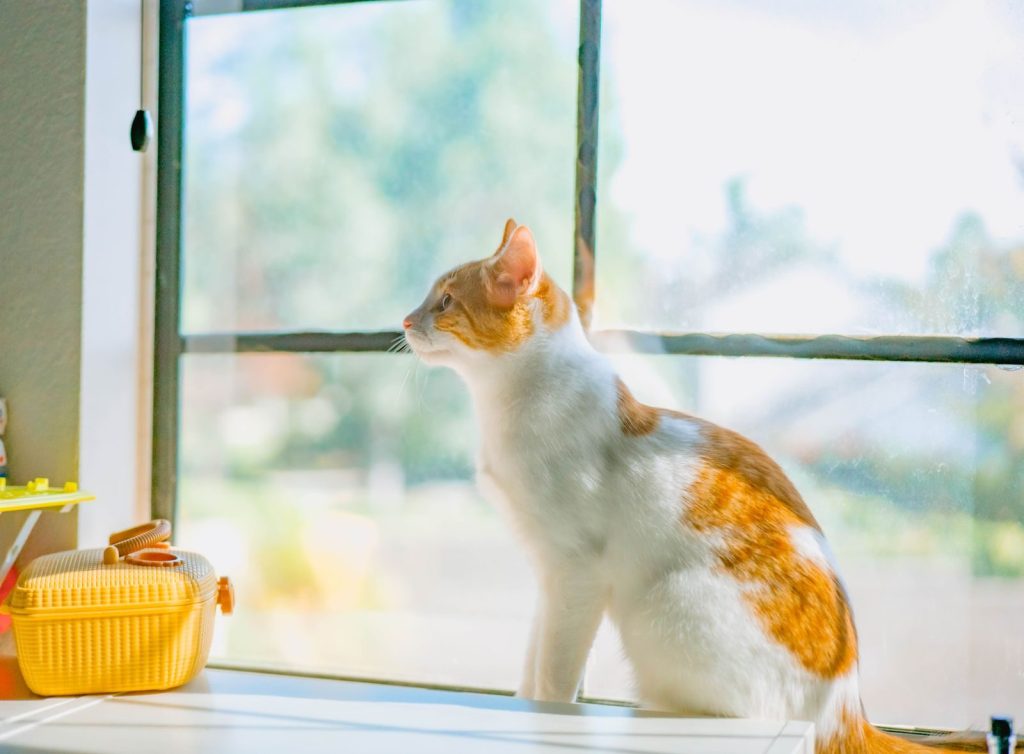
Indoor cats often sit by windows for long periods, carefully observing birds, squirrels, insects, and passing people. This behavior satisfies their natural curiosity and hunting instincts without requiring them to leave the safety of the home.
Window perches and bird feeders placed outside can provide safe entertainment throughout the day. These simple additions help reduce boredom while giving cats valuable mental stimulation.
Zoomies Become Part of the Daily Routine
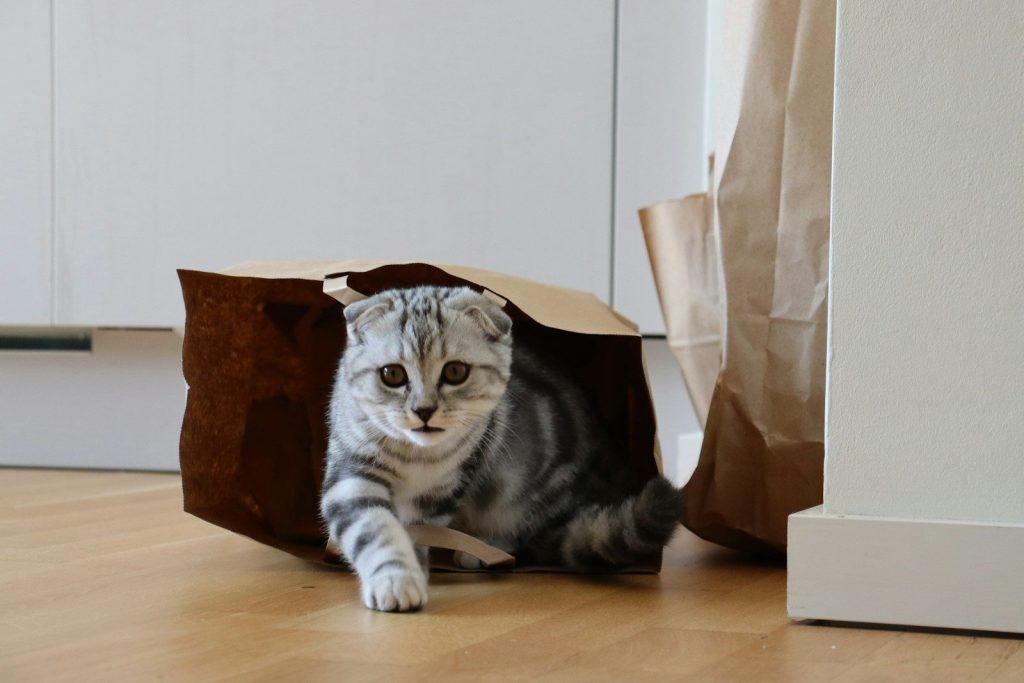
Many indoor cats suddenly race through the house, especially during the early morning or evening hours. These energetic bursts help release pent up energy after long periods of resting.
Regular interactive play sessions can channel this energy in healthy ways. Toys that encourage chasing and pouncing closely mimic the hunting behaviors cats naturally enjoy.
They Explore Every Corner of the House
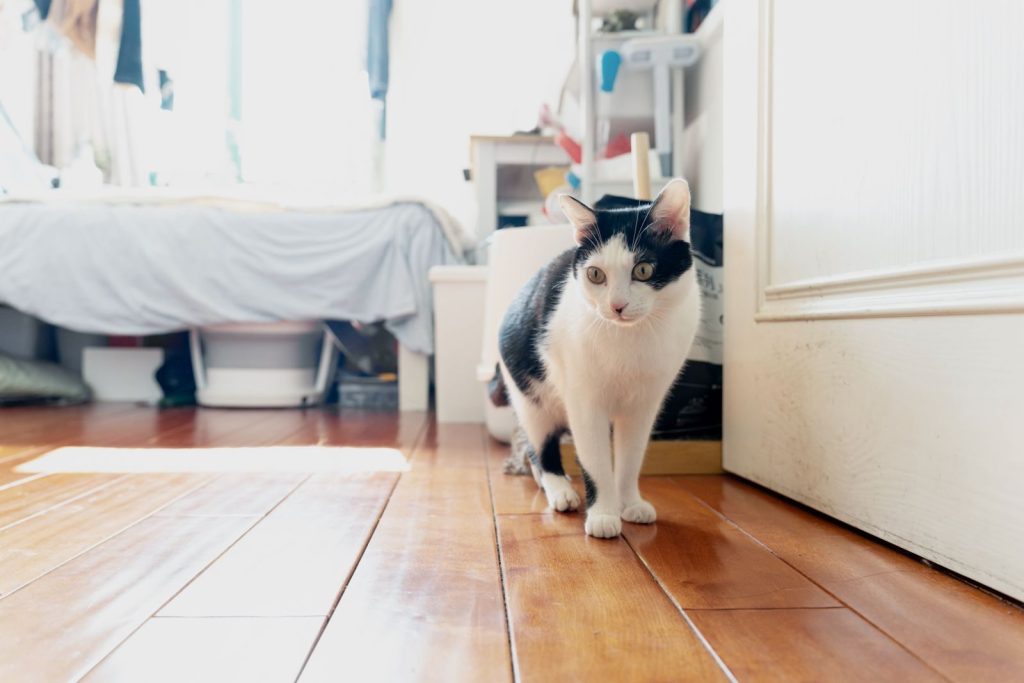
Indoor cats frequently patrol rooms, sniff familiar objects, and revisit the same locations throughout the day. This routine helps them monitor their territory and stay aware of changes within their environment.
Even small changes such as moving furniture or introducing a new object may attract their attention. Exploring is an instinctive behavior that helps cats feel secure in their surroundings.
Scratching Furniture May Increase
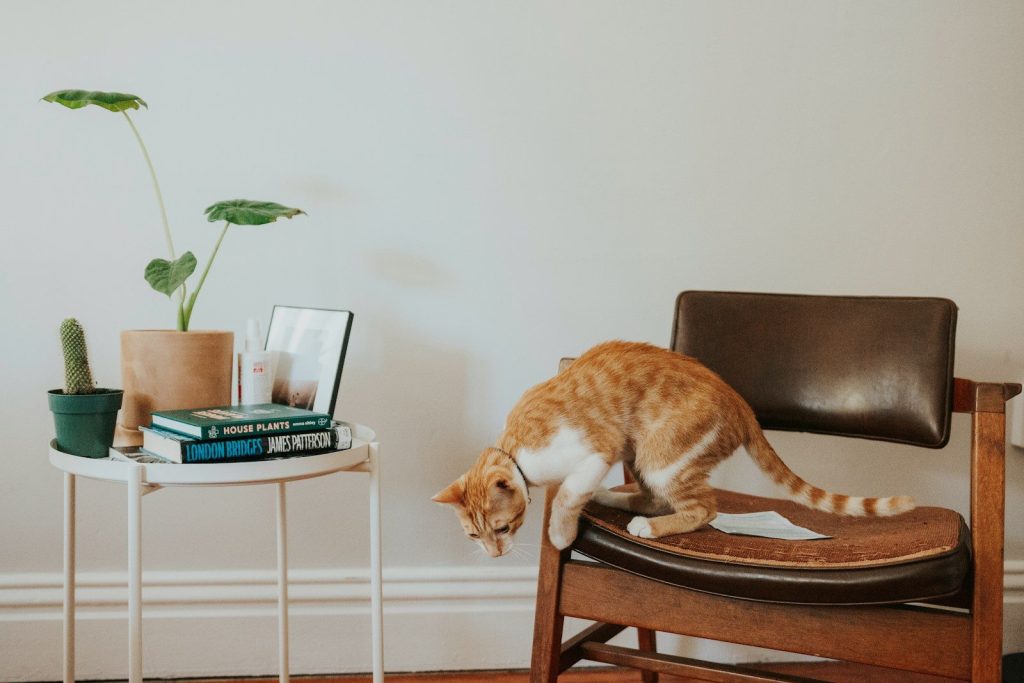
Scratching is a natural behavior that allows cats to stretch their muscles, maintain healthy claws, and mark territory. Indoor cats may choose furniture if they do not have enough appealing scratching surfaces.
Providing sturdy scratching posts in different areas of the home usually encourages more appropriate scratching habits. Rewarding your cat for using these posts can reinforce the behavior over time.
They May Sleep More Than Expected
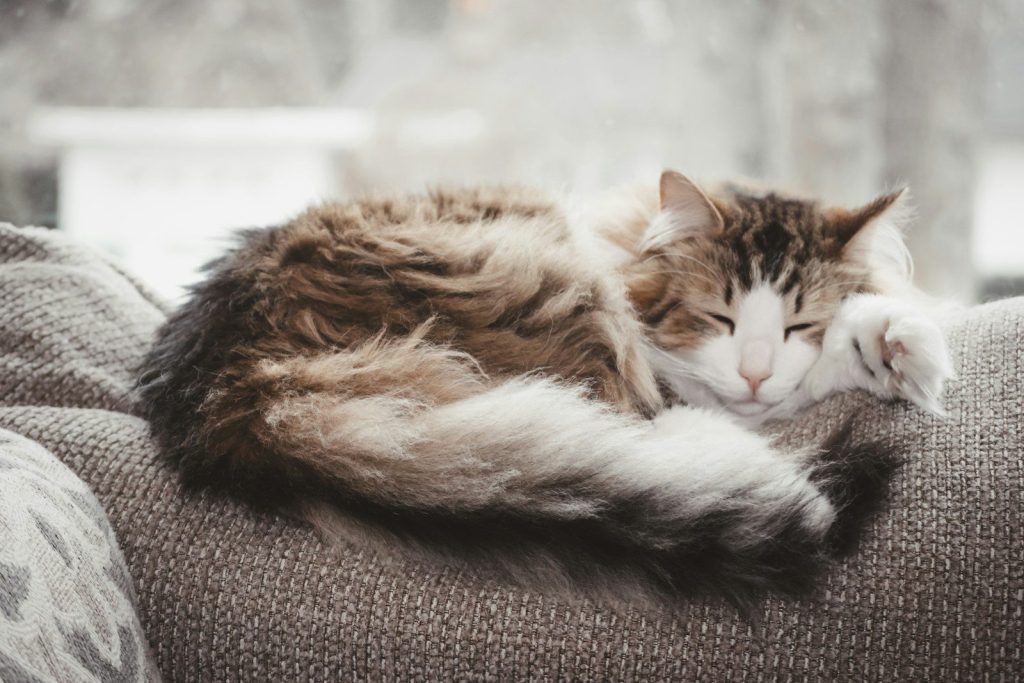
Cats naturally spend many hours sleeping each day, but indoor cats may rest even longer when they have limited opportunities for activity. A lack of stimulation can sometimes make excessive sleeping more noticeable.
Adding climbing structures, puzzle feeders, and regular play sessions helps encourage healthy activity throughout the day. A stimulating environment supports both physical and mental wellbeing.
They Often Become Closely Bonded With Their Owners
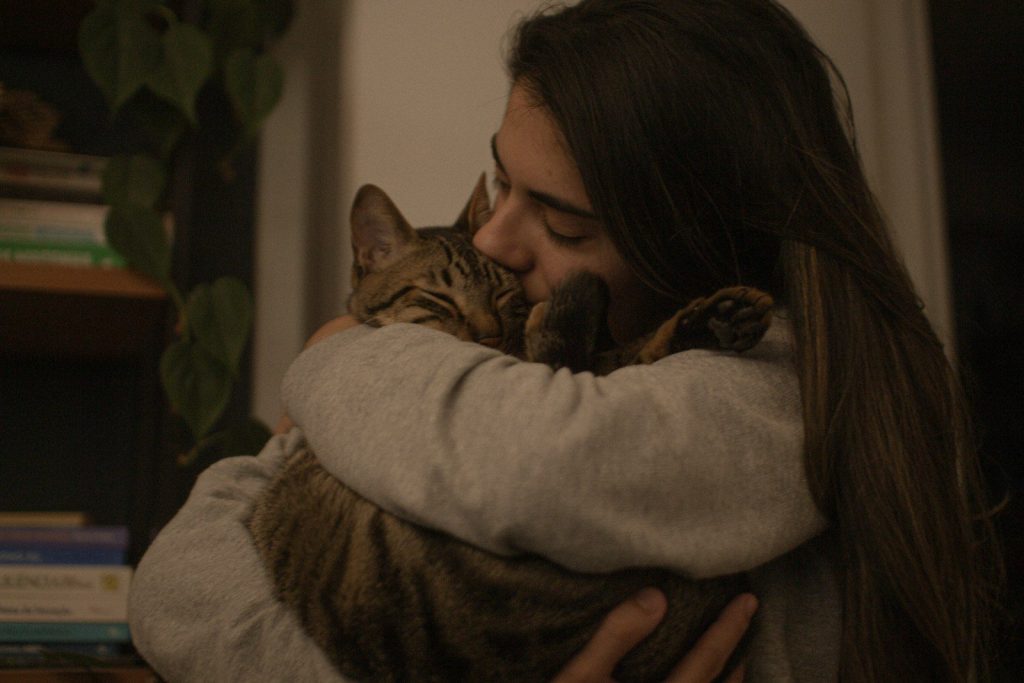
Because indoor cats spend much of their time around people, many develop strong attachments to their families. They may follow their owners from room to room, seek attention, or enjoy relaxing nearby.
This companionship is usually a sign that the cat feels comfortable and secure in its home. Consistent interaction, enrichment, and affection help strengthen that bond while keeping indoor cats emotionally fulfilled.